
 Náhľad
 Odoslať
 Zdieľať
 Podrobnosti o dielo

 Stiahnuť
 Podobné diela
 RTG skúška
 Prezentácia
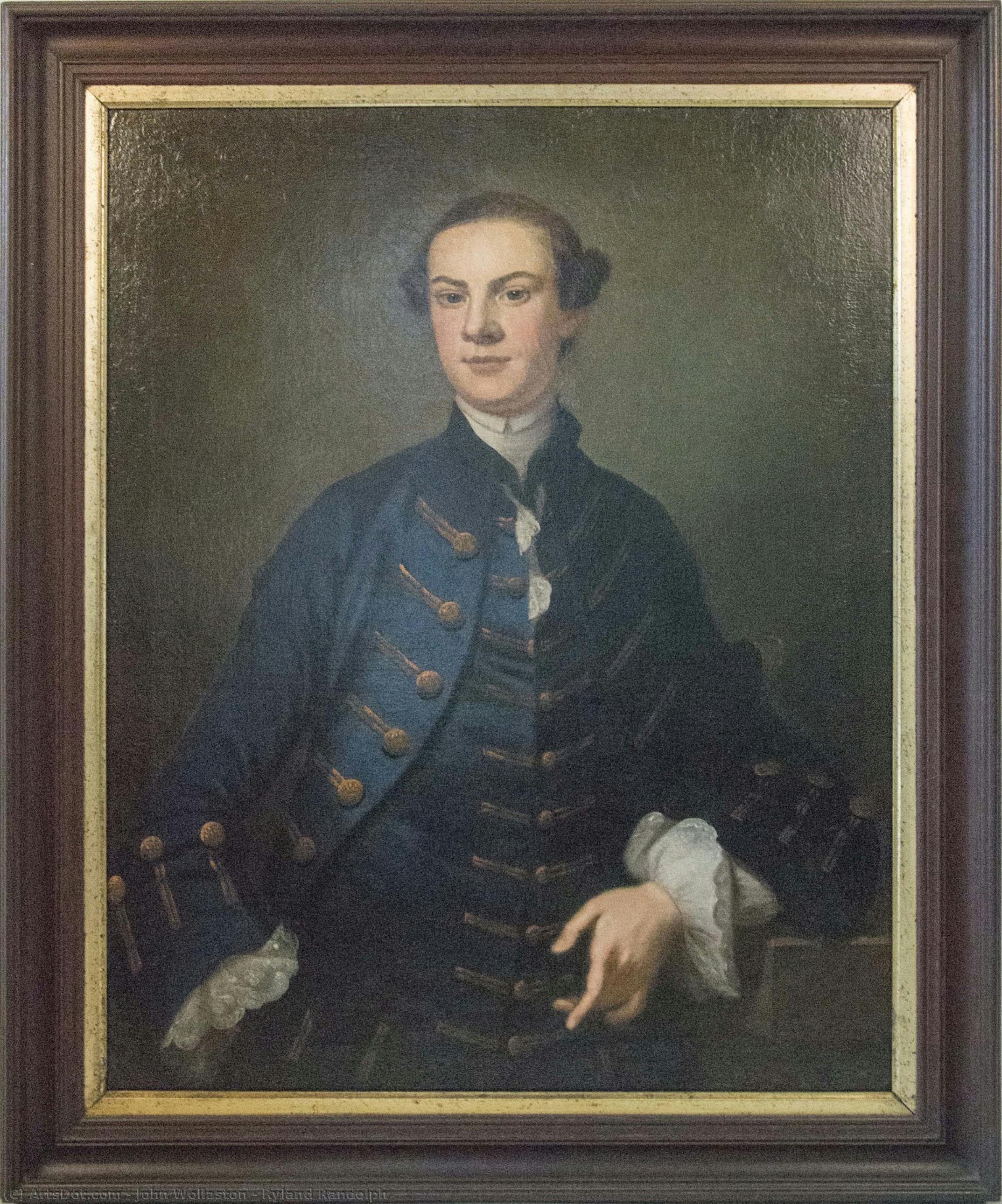
Ryland Randolph


 Zobraziť viac
Ručne maľovaná olejová reprodukcia
Ručne maľovaný olej na plátne vo vašej zvolenej veľkosti a v ráme, vyrobený na mieru našimi umelcami. ( Kúpiť tlač Kúpiť obrázok)




P118B $10

P118H $10

P118W $10

P438Z $10

P508JH $12

P508YH $12

P805H $10

P805Z $10

P919BZ $10

P919G $10

P919XJ $10

P959ZH $10

P968JZ $12

W106C $8

W218G $10

W218JH $8

W218Y $10

W307PJ $10

W316G $10

W316PJ $8

W316Y $10

W398PJ $8

W4111J $10

W500HY $15

W500JH $15

W692G $12

W849H $8

W940BG $15

W953PJ $8




Vyberte si z našich preddefinovaných rozmerov, ktoré zodpovedajú pôvodným pomeroḿ diela.

Môžete zadať vlastné rozmery tak, aby sa hodili do konkrétneho rámu alebo priestoru. Ak sa váš zvolený rozmer nezhoduje s pôvodnými proporciami obrazu, dielo buď orezáme, alebo ho doplníme ručne maľovanými prvkami. Pred začiatkom výroby vám zašleme digitálny náhľad na schválenie.
Upozorňujeme, že ukážka na obrazovke neodráža skutočné orezanie alebo doplnenie. Skutočnú finálnu kompozíciu zobrazuje iba digitálny náhľad.
Hoci sú k dispozícii vlastné rozmery, odporúčame vybrať rozmer z preddefinovaného zoznamu, aby sme zachovali pôvodné proporcie.
Po odoslaní objednávky vám tím OriginalUniqueArt.com pošle e-mail s pokynmi a poskytne náhľad na návrh.
Celosvetová doprava () za 3 až 4 týždne namiesto štandardných 5 týždňov. (20 august). Bez kompromisov v kvalite.

Bezplatná expresná doprava po celom svete

Prémiové lnianske plátno

Kompletné poistenie prepravy

Záruka vrátenia colného poplatku

Záruka presného farebného zhodnutia

60-dňá politika vrátenia (iba pri defektoch)

100% záruka vrátenia peňazí

Výhodná množstevná zľava
 Možnosť skla je dostupná len pri rozmeroch pod 110 cm

Ryland Randolph
Technika reprodukcie
Veľkosť reprodukcie
-


Celková cena za vybrané možnosti
$ 300
Popis diela
A Glimpse into the Colonial Aristocracy
In the quiet, dignified presence of Ryland Randolph, we are transported back to the year 1756, an era defined by the rigid social hierarchies and the burgeoning elegance of the American colonies. Painted by the masterful John Wollaston, this portrait serves as more than just a likeness; it is a window into the soul of the mid-18th century. The subject, captured in a poised profile, gazes outward with a serious, contemplative expression that commands respect. Every brushstroke contributes to an aura of authority, presenting a man whose very attire—a deep, midnight blue coat embellished with shimmering gold buttons and structured epaulettes—speaks volumes of his high-ranking status and military prestige. The subtle interplay of light on the fabric suggests a life of discipline and distinction, making this piece an essential cornerstone for any collection focused on historical portraiture.
The technique employed by Wollaston is a testament to his role as the pioneer of Rococo elegance in North America. While the background remains a muted, atmospheric grey, this deliberate simplicity serves a profound purpose: it eliminates distraction, forcing the viewer’s eye to settle upon the intricate details of the sitter's face and the luxurious textures of his uniform. The artist utilizes a delicate handling of light to sculpt the features of Randolph, creating a sense of three-dimensional vitality that breathes life into the canvas centuries after its creation. This mastery of contrast—the dark, heavy tones of the military coat against the soft, luminous skin tones—creates a visual tension that is both captivating and sophisticated, characteristic of the refined European styles Wollaston brought across the Atlantic.
For the discerning collector or interior designer, Ryland Randolph offers an unparalleled opportunity to introduce a sense of timeless heritage into a modern space. The painting’s color palette, dominated by navy, gold, and neutral greys, possesses a versatile sophistication that complements both classical and contemporary decor. Placing a high-quality reproduction of this work in a study, library, or grand hallway does more than decorate a wall; it establishes an atmosphere of intellectual depth and historical continuity. It is a piece that invites conversation, prompting onlookers to wonder about the man behind the uniform and the era that shaped his destiny. To possess such a work is to hold a fragment of history, rendered with a grace that remains eternally relevant.
Biografia umelca
John Wollaston: Pioneer of Rococo in America
John Wollaston (1742 – 1775) stands as a singular figure in the annals of American art history—a British painter who irrevocably shaped the aesthetic landscape of the burgeoning colonies. While overshadowed by contemporaries like Benjamin West and Gilbert Stuart, Wollaston’s contribution lies not merely in quantity but in introducing the elegance and sophistication of Rococo painting to North America, marking it as one of the first truly European styles to flourish across the Atlantic. Little biographical detail survives about Wollaston's formative years. He was born in London, likely the son of a painter—though conflicting accounts regarding his father’s name vary between John Wollaston and John Woolston, bolstered by Horace Walpole’s anecdotes of artistic circles in England during 1765. Walpole suggests Wollaston’s father changed his name to Wollaston, mirroring the broader trend of aristocratic families adopting more prestigious titles. Artistic training records are sparse; Charles Willson Peale, in a letter penned to his son Rembrandt in 1812, mentions Wollaston studied drapery with a London painter—a suggestion that underscores the limited documentation available concerning his artistic education. Nevertheless, stylistic analysis reveals Wollaston’s considerable skill and independence, demonstrating he either acquired further training or honed his distinctive style through self-directed experimentation. His artistic style bears unmistakable resemblance to portraits by Thomas Hudson and Allan Ramsay, artists who championed Rococo principles in Britain. Some scholars propose Joseph van Aken served as Wollaston's teacher, attributing the drapery depicted in paintings by these and other artists of the period to his influence. This assertion speaks volumes about Wollaston’s identity—he considered himself firmly rooted in English culture rather than embracing American sensibilities, evidenced by the inscription on the back of a portrait of William Smith Jr., which identifies him as “Johannes Wollaston londoniensis.” Wollaston's artistic career gained momentum with his debut commission in 1742: a portrait of George Whitefield, the influential Methodist evangelist. This painting—still residing in the collections of the National Portrait Gallery—became Wollaston’s most celebrated work and was reproduced by John Faber Jr., cementing his reputation as a masterful artist. Further bolstering his portfolio were portraits of unnamed naval officers and other commissions that attest to his growing acclaim within London society. Wollaston's transatlantic voyage commenced in 1749, establishing himself temporarily in New York City—a move that allowed him to cultivate connections with the American artistic community. Among Wollaston’s notable achievements is “Thomas Willis,” completed in 1752. This Baroque masterpiece exemplifies his signature style: rich detail, dramatic lighting, and a contemplative subject rendered with meticulous precision. The painting utilizes opulent fabrics and employs masterful brushwork to convey both grandeur and psychological depth—characteristics that define Wollaston's oeuvre. It stands as a testament to his ability to capture the essence of his subjects while adhering to the stylistic conventions of Rococo art. Furthermore, Wollaston’s influence extended beyond individual portraits; he actively collaborated with other artists, shaping the visual culture of his time. His work served as inspiration for subsequent generations of painters in America and Britain alike—a legacy that continues to resonate within the broader history of European and American art. John Wollaston's contribution solidified Rococo's presence in America and cemented his place as a pivotal figure in establishing artistic traditions across continents.
John Wollaston
1742 - 1775
Základné informácie
- Artistic Movement Or Style: Rococo Painting
- Artists Or Movements Influenced By This Artist: ['Baroque Painting']
- Artists Who Influenced This Artist:
- Thomas Hudson
- Allan Ramsay
- Date Of Birth: 1742
- Date Of Death: 1775
- Full Name: John Wollaston
- Nationality: English
- Notable Artworks:
- George Whitefield Portrait
- Officer of the British Navy Portrait
- Thomas Willis Portrait
- Joseph Reade Portrait
- Place Of Birth: London
Súvisiace články

John Singer Sargent's 25 Masterpieces: Portraits & Beyond | OriginalUniqueArt
Explore 25 iconic John Singer Sargent paintings – from dazzling portraits to Impressionist landscapes. Discover the stories behind Madame X, El Jaleo & more! Find museum-quality art reproductions and elevate your home decor with OriginalUniqueArt.com.

John Constable: Top 25 Majstrovských Diel pre Váš Domov | OriginalUniqueArt.sk
Ponorte sa do sveta Johna Constabla s OriginalUniqueArt.sk! Objavte top 25 majstrovských diel anglického romantizmu – od ikonického Hay Wain až po krajinárske motívy Suffolku. Kvalitné reprodukcie obrazov pre váš domov. Preskúmajte celú kolekciu online!

Top 10 majstrovských diel rokokového umenia pre váš domov | OriginalUniqueArt.com
Ponorte sa do sveta rokokového umenia! Objavte top 10 majstrovských diel od Watteaua, Bouchera a ďalších. Luxusné reprodukcie obrazov pre váš domov na OriginalUniqueArt.com – inšpirujte sa pastelovými farbami a elegantnou výzdobou.

The Rococo Aesthetic: Opulence, Rebellion & the Pursuit of Pleasure in 18th-Century Art
Explore the opulent world of Rococo art! Discover its origins, key artists like Watteau & Boucher, and lasting influence on design. Expert insights for collectors & enthusiasts.
The Rococo Style: Aristocratic Leisure & the Pursuit of Delight in 18th-Century Art
Explore the opulent world of Rococo art! Discover Watteau, Boucher & Nattier's masterpieces. Expert insights for collectors seeking museum-quality reproductions and custom portraits at OriginalUniqueArt.

