

 Náhľad
 Odoslať
 Zdieľať
 Podrobnosti o dielo

 Stiahnuť
 Podobné diela
 RTG skúška
 Prezentácia
 Štatistiky
Arab School


 Zobraziť viac
Giclée / Umenotlač
Giclée tlač alebo plátno múzeálnej kvality s rýchlou výrobou a flexibilnými možnosťami povrchovej úpravy. ( Kúpiť ručne maľovaný obraz Prepnúť na digitálny obraz)




P118B $10

P118H $10

P118W $10

P438Z $10

P508JH $12

P508YH $12

P805H $10

P805Z $10

P919BZ $10

P919G $10

P919XJ $10

P959ZH $10

P968JZ $12

W106C $8

W218G $10

W218JH $8

W218Y $10

W307PJ $10

W316G $10

W316PJ $8

W316Y $10

W398PJ $8

W4111J $10

W500HY $15

W500JH $15

W692G $12

W849H $8

W940BG $15

W953PJ $8




Vyberte si z našich preddefinovaných rozmerov, ktoré zodpovedajú pôvodným pomeroḿ diela.

Môžete zadať vlastné rozmery, aby sa reprodukcia prispôsobila konkrétnemu rámu alebo priestoru. Ak zvolená veľkosť nebude zodpovedať proporciám originálu, dielo buď orežeme, alebo obraz rozšírime pomocou zrkadlenia či farebného doplnenia okrajov. Pred začatím výroby vám pošleme digitálnu ukážku na schválenie.
Máte na vedomí, že náhľad na obrazovke neodzrkadľuje skutočné orezanie alebo rozšírenie. Len digitálna ukážka presne zobrazí finálnu kompozíciu.
Hoci sú k dispozícii vlastné rozmery, pre zachovanie pôvodných proporcií odporúčame vybrať si rozmer z vopred definovaného zoznamu.
Celosvetová doprava () do 2 týždňov namiesto štandardných 4/5 týždňov. (11 september)

Bezplatná expresná doprava po celom svete

Prémiové lnianske plátno

Kompletné poistenie prepravy

Záruka vrátenia colného poplatku

Záruka presného farebného zhodnutia

100-dená politika vrátenia tovaru (iba pri vadách)

100% záruka vrátenia peňazí

Výhodná množstevná zľava
 Možnosť skla je dostupná len pri rozmeroch pod 110 cm

Arab School
Giclée / Umenotlač
Veľkosť reprodukcie
-


Celková cena za vybrané možnosti
$ 80
A Window Into a World of Grace: John Frederick Lewis’s “Arab School”
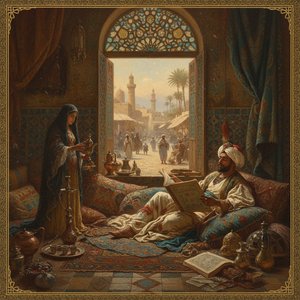
John Frederick Lewis's "Arab School," painted circa 1841-51, isn’t merely a depiction of a classroom; it’s a meticulously crafted portal into the heart of 19th-century Ottoman society. This watercolor and gouache masterpiece, now housed within the Metropolitan Museum of Art in New York City, offers a rare glimpse beyond the often sensationalized portrayals of the Middle East prevalent at the time, revealing instead a scene of quiet learning, dignified respect, and subtle social dynamics. Lewis, an English Orientalist painter who spent over a decade immersed in Cairo’s vibrant culture, possessed a remarkable ability to capture not just the outward appearance but also the underlying atmosphere of his subjects – a skill evident in every brushstroke of “Arab School.”
The painting immediately draws the eye toward the central figure: a man distinguished by his flowing white beard and traditional attire. He’s not a flamboyant scholar, nor is he presented as an exotic spectacle; rather, he embodies authority and wisdom – a respected teacher guiding a young student. His posture, upright and attentive, suggests a dedication to his role, while the boy's focused gaze speaks volumes about the value placed on education within this community. To his right, another individual, seated on the floor, demonstrates a profound respect for the teacher’s words, mirroring the reverence of the central figure. The composition isn’t static; it pulses with an unspoken conversation, a shared moment of intellectual engagement.
Orientalism and the Pursuit of Authenticity
Lewis's work firmly resides within the realm of Orientalist painting – a genre that flourished during the 19th century, fueled by European fascination with the East. However, unlike many of his contemporaries who often relied on stereotypes and romanticized depictions, Lewis sought to portray Middle Eastern life with a remarkable degree of accuracy and sensitivity. His extended sojourn in Cairo allowed him to observe local customs firsthand, master Arabic script, and adopt traditional dress – elements that profoundly influenced his artistic approach. He meticulously documented the architecture, furnishings, and clothing of the region, striving for an authentic representation that moved beyond superficial exoticism.
The inclusion of Arabic calligraphy on the walls of the schoolhouse is a crucial detail, underscoring the importance of literacy and religious learning within this setting. These intricate inscriptions aren’t merely decorative; they serve as a constant reminder of the cultural heritage being imparted to the students. The simple yet elegant design of the room – the worn wooden benches, the muted color palette, the single window framed by dark bars – speaks volumes about the practical realities of life in an Ottoman schoolhouse. It's a scene stripped of grandiosity, focusing instead on the quiet dignity of everyday learning.
Symbolism and Emotional Resonance
Beyond its realistic depiction of daily life, “Arab School” is rich with symbolic meaning. The window, framed by dark bars, subtly hints at the constraints imposed upon Ottoman society – a reminder of the political realities that shaped the lives of its inhabitants. Yet, within this seemingly restrictive environment, there’s an undeniable sense of hope and potential embodied in the faces of the students and teacher. The painting evokes a feeling of serenity and intellectual curiosity, suggesting a space where knowledge is valued and nurtured.
Lewis's masterful use of watercolor – its delicate washes, subtle gradations of color, and luminous effects – perfectly captures the atmosphere of the scene. The light filtering through the window creates a soft, diffused glow, illuminating the faces of the individuals within the room. This careful attention to detail, combined with Lewis’s profound understanding of his subject matter, results in a work that is both visually stunning and emotionally resonant. “Arab School” isn't just a painting; it’s a testament to the power of observation, empathy, and artistic skill – a timeless reminder of the enduring value of education and human connection.
Collecting a Legacy: Reproductions and Beyond
Reproductions of "Arab School" are available through various reputable art dealers and online platforms. When selecting a reproduction, consider the medium (canvas or print) and framing options to ensure it complements your interior design aesthetic. The original’s delicate watercolor technique is best replicated with high-quality archival materials that preserve color accuracy and prevent fading over time. Investing in a faithful reproduction allows you to bring this remarkable work of art into your home, celebrating Lewis's legacy and the rich cultural heritage he so beautifully captured.
Biografia umelca
John Frederick Lewis: Život v Orientálnom Maľovaní
John Frederick Lewis, významný anglický orientálny maľiar, sa narodil 14. júla 1804 v Londýne. Bol synom Frederika Christiana Lewisa, gravérového a krajinárskeho umelca. Táto rodinná umelecká pozadiaň nepochybne ovplyvnila jeho skorú vývin. Jeho formálne vzdelanie začalo pod vedením Sir Thomasa Lawrenca, kde zdokonalil svoje zručnosti po boku ďalších umelcov, ako Edwin Landseer. Táto základy vedomostí a techniky mu poskytli silné porozumenie umeleckému procesu.
Lewisova umelecká kariéra sa rozvíjala cez niekoľko odlišných fáz, každú charakterizovala meniace sa štýly a tematické zamerania:
- Orientálny Obdobie: Lewis podrobne cestoval po Stredozemnom morí a zachytával jeho esenciu v detailných farbách a olejoma. Často opakoval kompozície, zobrazoval ich v rôznych médiách.
- Španielske a Marocké Vplyvy (1832-1834): Obrazová návšteva Španielska a Maroka bola kľúčová. Vyrobil množstvo litografii, ktoré boli neskôr publikované ako “Skice a Návrhy Alhambry” (1835) a “Lewis’s Skici Španielska a Španielskeho Charakteru” (1836).
- Egyptské Obdobie (1841-1851): Jeho pobyt v Káhire bol pravdepodobne najproduktívnejší. Tu zdokonalil svoj orientálny štýl, vytváralan detailné diela zobrazujúce realistické žánrové scény a idealizované obrazy vyšších triednych egyptských interiérov.
Lewis bol známy pre rozsiahlu zbierku diel, ktoré boli oslavované svojou precízelosťou a sugestívnou atmosférou. Medzi jeho najznámejšie diela patria:
- A Bedouin (Yale Center for British Art, New Haven) – Farba zachytávajúca jeho orientálny štýl.
- The Ramesseum at Thebes (Yale Center for British Art, New Haven) – Ukazujúci jeho pozoruhodnú pozornosť k architektonickému detailu.
- A Young Turkish Woman (Yale Center for British Art, New Haven) – Ďalší výrazný príklad jeho orientálneho diela.
- Harem Life in Constantinople - Detailné olejoma zobrazujúce otomanske domáce životy.
Lewis bol ovplyvnený mnohými umelcami, najmä Sir Thomasom Lawrencom, ktorý zdôrazňoval portrétovanie a kompozíciu. Avšak jeho priamy pozorovanie orientálnych kultúr mu umožnilo vyvinúť jedinečný estetický zmysel charakterizovaný:
- Precízny Detail: Záväzok k presnému zachytávaniu textúr, vzorov a architektonických prvkov.
- Bohatá Farebná Paleta: Používanie živých farieb inšpirovaných krajinami a kostýmmi, ktoré stretol.
- Žánrové Scény & Interiérové Vzhľady: Zameranie sa na dennú rutinu a intímne domáce prostredia.
Vplyvy a Umelecký Štýl
Lewis bol ovplyvnený mnohými umelcami, najmä Sir Thomasom Lawrencom, ktorý zdôrazňoval portrétovanie a kompozíciu. Avšak jeho priamy pozorovanie orientálnych kultúr mu umožnilo vyvinúť jedinečný estetický zmysel charakterizovaný:
- Precízny Detail: Záväzok k presnému zachytávaniu textúr, vzorov a architektonických prvkov.
- Bohatá Farebná Paleta: Používanie živých farieb inšpirovaných krajinami a kostýmmi, ktoré stretol.
- Žánrové Scény & Interiérové Vzhľady: Zameranie sa na dennú rutinu a intímne domáce prostredia.
Dielo a Historický Význam
Lewis prispel k umeleckému svetu svojou významnou úlohou v rozvoji orientálneho maľovania. Jeho precízne reprezentácie islamskej architektúry, nábytku a kostýmov stanovili nové štandardy realizmu v tomto žánri. Pomohol popularizovať romantizovaný, ale detailný obraz Stredozemia medzi západnými publikami. Po návrate do Anglicka v roku 1851 pokračoval v maľovaní až do svojej smrti 15. augusta 1876 v Walton-on-Thames.
Jeho dielo sa dodnes študuje a obdivuje pre svoj umelecký význam a historický vhľad do 19. storočia vnímaného Stredomoria.
Rýchle Fakty
- Narodil sa: 14. júl 1804
- Narodil sa v: Londýne, Spojené krôlstvo
- Umrel: 15. august 1876
- Ovplyvnený: Sir Thomas Lawrence
- Umelčnosť: Orientálny Maľovanie
Otázky a Odpovede
- Otázka: Kde je najznámejšia praca John Frederick Lewisa?
Odpoveď: Stredomorie. - Otázka: Kedy bol Lewis v Káhire, ktorý významne ovplyvnil jeho umelecký štýl?
Odpoveď: Medzi rokmi 1841 a 1851. - Otázka: Koho Lewis učil na začiatku svojej kariéry?
Odpoveď: Sir Thomas Lawrence.

John Frederick Lewis
1804 - 1876 , Spojené kráľovstvo
Základné informácie
- Artistic Movement Or Style: Orientalizmus
- Artists Or Movements Influenced By This Artist: ['Gérôme']
- Artists Who Influenced This Artist: ['Thomas Lawrence']
- Date Of Birth: 14. júl 1804
- Date Of Death: 15. august 1876
- Full Name: John Frederick Lewis
- Nationality: Británia
- Notable Artworks:
- A Bedouin
- Ramesseum
- Mladá turecká žena
- Place Of Birth: Londýn, Spoločenstvo
Súvisiace články

Top 10 legendárnych vodafarieb, ktoré zmenili svet umenia | OriginalUniqueArt.com
Objavte top 10 legendárnych vodafarieb od Turner, Homer a ďalších majstrov! História umenia, techniky a inšpirácia pre váš interiér. Reprodukcie obrazov na OriginalUniqueArt.com – kvalita múzejnej úrovne.
John Frederick Lewis: Orientalism, Detail & Genre Painting in 19th-Century British Art
Explore the captivating Orientalist paintings of John Frederick Lewis! Discover his mastery of detail, genre scenes & influence on 19th-century British art. Learn about his life, techniques & legacy at OriginalUniqueArt.

John Singer Sargent's 25 Masterpieces: Portraits & Beyond | OriginalUniqueArt
Explore 25 iconic John Singer Sargent paintings – from dazzling portraits to Impressionist landscapes. Discover the stories behind Madame X, El Jaleo & more! Find museum-quality art reproductions and elevate your home decor with OriginalUniqueArt.com.

Ephemeral Visions: Exploring the Artistic Legacy & Contemporary Practice of Watercolor Painting
Explore the captivating world of watercolor painting! Discover its rich history, essential techniques, influential artists & collecting tips. A comprehensive guide for art enthusiasts from OriginalUniqueArt.

Ephemeral Visions: Exploring the History & Emotional Resonance of Watercolor Painting
Explore the captivating history of watercolor painting, from ancient techniques to modern masters like Kandinsky & Blake. Discover essential artists, collecting tips & the emotional power of this luminous medium. Expert insights for art enthusiasts.