
 Náhľad v interiéri
 Odoslať ako digitálnu kartu
 Zdieľať
 Podrobnosti o dielo
 Príručka

 Stiahnuť obraz
 Podobné položky
 RTG skúška
 Prehliadanie diapozoje
 Otázky a odpovede
 Štatistiky
Beethoven


 Zobraziť viac
Giclée / Umenotlač
Giclée tlač alebo plátno múzeálnej kvality s rýchlou výrobou a rôznymi možnosťami povrchovej úpravy. ( Kúpiť ručne maľovaný obraz Prepnúť na digitálny obraz)




P118B €10

P118H €10

P118W €10

P438Z €10

P508JH €12

P508YH €12

P805H €10

P805Z €10

P919BZ €10

P919G €10

P919XJ €10

P959ZH €10

P968JZ €12

W106C €8

W218G €10

W218JH €8

W218Y €10

W307PJ €10

W316G €10

W316PJ €8

W316Y €10

W398PJ €8

W4111J €10

W500HY €15

W500JH €15

W692G €12

W849H €8

W940BG €15

W953PJ €8




Vyberte si z našich preddefinovaných rozmerov, ktoré zodpovedajú pôvodným pomeroḿ diela.

Zadajte šírku a výšku, ktoré potrebujete, aby sa reprodukcia hodila k vášmu rámu alebo stene. Print možno len orezávať, nikdy však nemennú veľkosť zvětšiť oproti pôvodnému obrázku, preto pri inom formáte stráca časť obrazu. Pred samotným vytlačiacím procesom vám pošleme digitálny náhľad na schválenie. Obrázok zobrazený na tejto stránke nezobrazuje reálny rez — len digitálny náhľad ukazuje presný výsledok.
Celosvetová doprava () do 2 týždňov namiesto štandardných 4 až 5 týždňov. (6 november)

Bezplatná expresná doprava po celom svete

Vysokokvalitné lnianske plátno

Kompletné poistenie prepravy

Záruka vrátenia colného poplatku

Záruka presného farebného zhodnutia

100-dená politika vrátenia tovaru (iba pri vadách)

100% záruka vrátenia peňazí

Zľava pri väčšom množstve
 Možnosť skla je dostupná len pri rozmeroch pod 110 cm

Beethoven
Giclée / Umenotlač
Veľkosť reprodukcie
-


Celková cena
€ 72
Poznávací zážitok z dreva: Detailné reprodukcie nástrojov Johann Nepomuka Maelzela
Johann Nepomuk Maelzel, pomerne menej známeho umelca svojich čias, stojí za významným prípadom v rozvoji holandskej krajinky a námorníctva počas 18. storočia. Narodený okolo roku 1702 v Londýne, začal svoju umeleckú cestu cestou, ktorá nakoniec zavŕšila jeho činnosť ako uznávaný umeliec pôsobiaci prevažne v Holandsku. Scottov životopis bol poznačený fascinujúcou evolúciou od námorných scén – zachytávajúc dramatické zábery vojenských akcií – ku zameraniu sa na pokojnejšiu spoluprácu s prírodou, čo odráža posun v holandskom umení smerom k väčšej realistickej podobe a atmosférickej hlbine.
Scottov skorý výcvik zostáva pomerne zahalený záhadám; záznamy ukazujú, že začal svoje umelecké úsilie okolo roku 1720 bez dokumentovaných formálnych školení. Tento nezávislý prístup podporil samostatný duch a umožnil mu vyvinúť osobitý štýl výrazne ovplyvnený tvorbou Willema van de Veldeho.
Reprodukcia nástroja: Výrazná technika a estetická starostlivosť
Táto reprodukcia nástroja, konkrétne trúbky Johann Nepomuka Maelzela z roku 1813, prezentuje pozoruhodnú kombináciu umeleckej pozornosti k detailu a odborných znalostí. Výrazné použitie dreva ako hlavného materiálu umožňuje zachytiť komplexné textúry povrchu nástroja – od hladkého povrchu horného kruhu až po vrstvy koreňového dreva vytvárajúce bohaté ornamenty.
Reprodukcia využíva najnovšie techniky tlačenia pigmentov, čo zabezpečuje vysokú farebnú presnosť a autenticitu obrazu. Výsledkom sú reprodukcie, ktoré dokonale odrážajú pôvodný vzhľad originálneho diela – ideálny doplnok pre odborníkov aj milovníkov umeleckého dekoru.
Historický Kontext: Holandské námorné umenie a obdobie osvietenstva
Výstava nástrojov Maelzela vznikla v období holandského osvietenstva, keď sa záujem o poznanie sveta a prirodzené krásy výrazne zvýšil. Tento časový rámec ovplyvnil tvorbu mnohých umelcov, ktorí sa snažili zobrazovať svet realisticky a zároveň vyjadrovať filozofické hodnoty obdobia.
Scottovo umelecké diela sú často spájané s oslavou krás prírody a ľudského intelektu – hodnoty, ktoré boli charakteristické pre holandské osvietenstvo. Reprodukcie nástrojov Maelzela sú takýmto výzvom – pozývajúc návštevníkov zamyslíť sa nad umeleckými hodnotami minulosti a súčasnosti.
Symbolizmus dreva: Od pevnosti až po harmóniu
Drevné nástroje, ako je táto trúbka Maelzela, majú bohatú symbolickú históriu. Drevo často predstavuje pevnosť, odolnosť a spojenie s prírodou – hodnoty, ktoré sú základom holandskej kultúry.
Reprodukcia nástroja umožňuje preniesť tieto hodnoty do súčasného prostredia – ideálny dekoratívny prvok pre kancelárie, obývacie izby alebo odborné zariadenia. Jeho elegantný vzhľad a vysoká kvalita zabezpečujú, že bude mať svoj miesto v srdci každého kolektívu.
Otázky a odpovede
Kde sa v rámci opakujúcich sa tém umelca Johann Nepomuk Maelzel umiestňuje dielo „Beethoven“?
Medzi opakujúce sa témy umelca Johann Nepomuk Maelzel patrí velde’s landscape style, instrument design reflection, scientific observation focus, detailed artistic precision, maelzel’s legacy artwork; dielo „Beethoven“ sa zameriava na brass instruments, horn photography, musical instrument, dutch art history, 19th century painting, instrument detail, classical music reproduction.
K ktorej fáze tvorivého rozvoja Johann Nepomuk Maelzel patrí dielo „Beethoven“?
"Beethoven" predstavuje Mature Period umelca Johann Nepomuk Maelzel.
Je „Beethoven“ od Johann Nepomuk Maelzel svetlé alebo tmavé dielo?
Celkovo je dielo „Beethoven“ zaznamenané ako balanced. Vnímaná jasnosť popisuje, aký svetlý alebo tmavý sa tento kus zdá byť.
Biografia umelca
Samuel Scott: A Pioneer of Dutch Landscape and Maritime Art
Samuel Scott, a name perhaps less familiar than some of his contemporaries, stands as a pivotal figure in the development of Dutch landscape and marine painting during the 18th century. Born around 1702 in London, he embarked on an artistic journey that ultimately led him to establish himself as a respected artist working primarily in the Netherlands. Scott’s career was marked by a fascinating evolution from maritime scenes – capturing the drama of naval engagements – to a more contemplative engagement with the natural world, reflecting a shift within Dutch art towards greater realism and atmospheric depth. Scott's early training remains somewhat shrouded in mystery; records indicate he began his artistic pursuits around 1720 without documented formal instruction. This self-taught approach fostered an independent spirit and allowed him to develop a distinctive style heavily influenced by the works of Willem van de Velde the Younger, a master of naval painting known for his dynamic compositions and meticulous detail. Scott’s initial focus was on depicting ships at sea – men-of-war engaged in battle, merchant vessels navigating treacherous waters – all rendered with a remarkable sense of movement and realism. These early works demonstrate a keen eye for observation and a skillful command of brushwork, capturing the textures of water, sailcloth, and timber with impressive accuracy. Notably, he collaborated with George Lambert on a series of paintings illustrating scenes from the East India Company’s voyages, showcasing his ability to combine technical skill with narrative storytelling.The Transition to Landscape and the Influence of London
Around the early 1740s, a significant shift occurred in Scott's artistic practice. He began dedicating himself to landscape painting, driven by observations of the burgeoning cityscape of London. The construction of landmarks like Westminster Bridge provided him with an endless source of inspiration, and he meticulously documented these changes through a series of paintings that offer invaluable insights into the visual culture of the era. These works are characterized by their atmospheric quality – Scott skillfully employed light and shadow to create a sense of depth and perspective, capturing the mood and character of the city. His depictions of London Bridge, particularly those painted in the late 1740s and early 1750s, stand as remarkable achievements, accurately portraying the bridge’s structure and the surrounding environment before its eventual demolition. The influence of Canaletto, a Venetian painter renowned for his urban views, is evident in Scott's approach to landscape painting. Like Canaletto, Scott sought to capture not just the physical appearance of a scene but also its overall atmosphere and character. Furthermore, Scott’s artistic journey was intertwined with social circles; he posed for Thomas Hudson, a prominent portrait painter, around 1732, solidifying his position within London's artistic community.A Journey to the River Medway and Early Collaborations
In 1732, Scott embarked on a significant excursion – a “Five Days’ Peregrination” along the River Medway and the Isle of Sheppey in company with William Hogarth and other notable figures. This journey provided him with an unparalleled opportunity to study coastal landscapes, shipbuilding techniques, and maritime activities firsthand. The resulting account, published in 1782, documented this experience and included drawings by Hogarth and Scott themselves. This collaborative effort not only showcased Scott’s artistic talent but also highlighted his ability to work effectively within a group setting. His meticulous observations during the trip are reflected in subsequent landscape paintings that demonstrate an increased understanding of natural forms and atmospheric effects.Later Years and Legacy
Scott continued to paint throughout his life, producing a substantial body of work encompassing both maritime scenes and landscapes. He exhibited works at the Society of Artists of Great Britain until 1761, demonstrating his ongoing commitment to artistic practice. His later years saw him embracing Romanticism, incorporating more dramatic storytelling and evoking emotional responses in his viewers. Despite facing periods of relative obscurity, Samuel Scott’s contributions to Dutch art are now recognized as significant. He played a crucial role in bridging the gap between earlier maritime painting traditions and the rise of landscape painting, establishing a foundation for future generations of artists. His meticulous observation, skillful technique, and atmospheric rendering continue to resonate with viewers today, offering a captivating glimpse into 18th-century Dutch society and its relationship with the natural world. Scott’s legacy lies not only in his individual works but also in his pioneering role as a landscape painter who brought a new level of realism and emotional depth to the genre.
Johann Nepomuk Maelzel
1772 - 1838 , Germany
Základné informácie
- Full Name: Jan Maurits Quinkhard
- Nationality: Dutch
- Date Of Birth: 1772
- Date Of Death: 1838
- Place Of Birth: Reims, Germany
- Notable Artworks:
- Familiar scenes
- Allegorical works
- Mythological paintings
- Artistic Movement Or Style: Portraiture, History, Mythology
- Artists Who Influenced This Artist:
- Julius Quinkhardt the elder
- Arnold van Boonen
- Artists Or Movements Influenced By This Artist: ['Amsterdam Museum']
Súvisiace články

Golden Light & Dutch Skies: The Timeless Magic of Dutch Golden Age Landscapes
Discover the breathtaking beauty of Dutch Golden Age landscapes. Explore the mastery of light, chiaroscuro, and 17th-century realism through an expert art history lens, celebrating the enduring legacy of the Dutch Masters for discerning collectors and art lovers.

Top 10 Majstrov Romantickej Krajinomaľby: Obrazy, ktoré zmenili svet umenia
Ponorte sa do sveta romantickej krajinomaľby! Objavte top 10 majstrovských diel od Friedricha, Turnera a ďalších. Historické obrazy prírody s nádychom emócií. Reprodukcie obrazov pre váš interiér na OriginalUniqueArt.com.

Golden Light & Dutch Skies: Bringing the Magic of Dutch Golden Age Landscapes into Your Home
Transform your home with the breathtaking light of Dutch Golden Age landscapes. Discover how hand-painted oil reproductions of masterworks like Ruisdael and Vermeer bring timeless elegance, atmosphere, and soulful texture to modern interiors. Elevate your space with museum-quality art.

Jan van Goyen: Master of Dutch Landscape & Atmospheric Perspective
Discover Jan van Goyen, the master of Dutch landscape painting. Explore his subtle technique, atmospheric realism & lasting influence on art history. Learn about this 17th-century pioneer at OriginalUniqueArt.
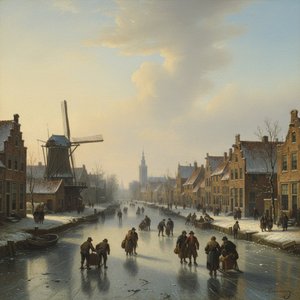
Charles Leickert: Capturing the Dutch Golden Age Light – A Comprehensive Study of Technique, Context, and Legacy
Explore the captivating winter landscapes of Charles Leickert, a master of Dutch Golden Age light & atmosphere. Discover his techniques, symbolism, and lasting legacy – a comprehensive study for art enthusiasts and collectors.
