

 Zobraziť v interiéri
 Odoslať
 Zdieľať
 Podrobnosti
 Príručka

 Stiahnuť
 Podobné položky
 RTG skúška
 Prehliadanie diapo\]
 Štatistiky
Návrh na hrobový pomník
 Akryl na plátne
- WallArt
- Neoclassical Style
 17.0 x 10.0 cm
 Yale Center for British Art
 Prečítať si viac
Giclée / Umenotlač
Giclée tlač alebo plátno múzeálnej kvality s rýchlou výrobou a rôznymi možnosťami povrchovej úpravy. ( Objednať ručne maľovanú reprodukciu Prepnúť na digitálnu verziu obrazu)




P118B €10

P118H €10

P118W €10

P438Z €10

P508JH €12

P508YH €12

P805H €10

P805Z €10

P919BZ €10

P919G €10

P919XJ €10

P959ZH €10

P968JZ €12

W106C €8

W218G €10

W218JH €8

W218Y €10

W307PJ €10

W316G €10

W316PJ €8

W316Y €10

W398PJ €8

W4111J €10

W500HY €15

W500JH €15

W692G €12

W849H €8

W940BG €15

W953PJ €8




Vyberte si z našich preddefinovaných rozmerov, ktoré zodpovedajú pôvodným pomeroḿ diela.

Zadajte šírku a výšku, ktoré potrebujete, aby sa reprodukcia hodila k vášmu rámu alebo stene. Print možno len orezávať, nikdy však nemennú veľkosť zvětšiť oproti pôvodnému obrázku, preto pri inom formáte stráca časť obrazu. Pred samotným vytlačiacím procesom vám pošleme digitálny náhľad na schválenie. Obrázok zobrazený na tejto stránke nezobrazuje reálny rez — len digitálny náhľad ukazuje presný výsledok.
Celosvetová doprava () do 2 týždňov namiesto štandardných 4 až 5 týždňov. (27 október)

Bezplatná expresná doprava po celom svete

Vysokokvalitné lnianske plátno

Úplné poistenie prepravy

Záruka vrátenia colného poplatku

Záruka presného farebného zhodnutia

100-dená politika vrátenia tovaru (iba pri vadách)

100% záruka vrátenia peňazí

Ponuka množstevnej zľavy
 Možnosť skla je dostupná len pri rozmeroch pod 110 cm

Návrh na hrobový pomník
Giclée / Umenotlač
Veľkosť reprodukcie
-


Celková cena
€ 70
Náhlavný obraz: Návrh na hrobový monument Johana Ecksteina
Johan Eckstein (1735-1818), nemecký umelec, bol výnimočná osobnost’ 18. storočia – nesmierne talentovaný šľachtic, portrétista, pastelista, miniaturista a gravírovanec. Narodil sa v Nancy, Francúzsku, do rodiny s bohatou umeleckou históriou a už od útleho veku bol obklopený láskou k umeniu. Jeho rané roky poskytli pevné základy pre jeho budúcu kariéru – ako jeho otec, tiež významný maliar, tak aj následne získal pod vedením Maurícia Quentin de La Toura, renomovaného pastelistu známého svojimi nádhernými portrétmi, hlboké porozumenie technike, najmä schopnosť uchytiť jemné detaily a subtílne vyjadrenia. Tento skorý vzdelávací základ vniesol do jeho tvorby prvky, ktoré sa stali charakteristickým znakom jeho osobitného štýlu.
Štýl a Technika: Klasicizmus s dôrazom na detail
Ecksteinova tvorba je výrazným príkladom klasicistického umeleckého smeru, ktorý bol dominantný v období Jeho Výsadnosti. Tento štýl sa vyznačuje jasnými líniami, symetriou a elegantnou jednoduchosťou – prvky, ktoré boli veľmi žiadané medzi aristokratickou spoločnosťou a podporovali ich umelecké ambície. Eckstein používal hlavne pastelové farby, ktoré umožňovali dosiahnuť vysokú úroveň detailnosti a reprodukcie svetla – čo bolo zvlášť efektívne pri zachytávaní výrazov ľudí a vytváraní atmosférických západov. Jeho práce sú často doplnené grafickou technikou gravírovania, ktorá zabezpečila široké šírenie obrazových motívov.
Historický Kontext: Francúzska kultúra obdobia Výsadnosti
Návrh na hrobový monument vznikol v období Jeho Výsadnosti – obdobia veľkých umeleckých a intelektuálnych zmien, ktoré poznamenali európsku kultúru. Tento čas bol charakterizovaný obnovou klasických ideálov krásy a rozumnej filozofie po dobu Renesansu a Baroka. Eckstein žil v tomto období a jeho tvorba odráža tieto hodnoty – najmä dôraz na poriadok, harmoniu a reprezentáciu ľudskej osobnosti.
Symbolizmus: Význam Gest
Pozrieme sa bližšie na obraz samotného muža. Jeho ruky vystiahnuté smerom hore vyjadrujú nádej, vieru a duchovnú hodnotu – základné prvky kresťanskej morálky, ktorá bola vtedy rozšírená. Pozícia tela je napriek svojmu pomerne jednoduchému vzhľadu veľmi výrazná – ukazujúca pozornosť diváka smerom k vyšším hodnotám a vyjadrujúcemu súkromný životopis človeka.
Emocionálny Dopad: Výraz Človeka
Celkový obraz vykazuje zvláštny druh pokojného sebavedomia – ktoré je výsledkom kombinácie odborných znalostí a umeleckého citu. Eckstein dokázal vytvoriť obraz, ktorý nie len zobrazuje fyzické telo človeka, ale hlavne jeho psychický stav – čoho dôkazom sú výrazné oči a vyjadrenie tváre. Tento obraz je príkladom klasického umeleckého zážitku, ktorý prináša pocit krásy a filozofickej hlbokosti.
Otázky a odpovede
Kde si môžem kúpiť digitálnu podobu diela „Návrh na hrobový pomník“ od Johann Eckstein?
Digitálnu podobu diela „Návrh na hrobový pomník“ od Johann Eckstein si môžete zakúpiť na jeho stránke Digitálna snímka: stiahnutie digitálneho obrázka vo vysokom rozlíšení.
Kto je umelcom diela „Návrh na hrobový pomník"?
Autorom diela „Návrh na hrobový pomník“ je Johann Eckstein. Prácu nájdete v katalógu pod menom Johann Eckstein.
Aký silný je kontrast v díle „Návrh na hrobový pomník“ od Johann Eckstein?
Úroveň kontrastu diela „Návrh na hrobový pomník“ od Johann Eckstein je Serene.
Biografia umelca
A Life of Artistic Versatility
Johann Eckstein stands as a remarkable testament to the boundless versatility required of a master craftsman during the late 18th century. Born in Poppenroth, Germany, he was the son of Conrad Eckstein, a skilled woodcarver and cabinet-maker, an upbringing that likely laid the foundation for his profound technical dexterity. His artistic journey was one of constant movement and adaptation, spanning the grand courts of Europe and the burgeoning landscape of America. A true polymath of the visual arts, Eckstein’s talent was not confined to a single medium; his oeuvre encompassed the delicate precision of engraving, the emotive power of portraiture, the tactile grace of pastel artistry, and the monumental presence of sculpture.
His formal training began at the Nuremberg Academy of Arts under the guidance of Preissler, providing him with the classical grounding necessary to navigate the prestigious artistic circles of his era. This education prepared him for a career that would see him move from the vibrant art scene of London to the royal splendor of Prussia, and eventually to the shores of the United States. Whether working in wax, marble, or ink, Eckstein possessed an intellectual curiosity that allowed him to master diverse techniques, making him a rare figure capable of addressing both the intimate scale of a portrait and the architectural demands of a public monument.
From European Courts to the New World
The trajectory of Eckstein’s career was marked by significant royal patronage and international transitions. During his time in London between 1758 and 1765, he established himself through notable achievements, such as working on the relief for the monument to Roger Townshend in Westminster Abbey and receiving prestigious premiums from the Society of Arts for his Portland stone reliefs. His reputation soon caught the attention of Frederick the Great, whose invitation led Eckstein to the Prussian court. As the principal sculptor at Potsdam and Sans Souci, he executed works that defined the neoclassical aesthetic of the era, later continuing his service under Frederick William.
Eckstein’s influence extended into the realm of fine porcelain and commemorative art, as seen in his modeling for the Berlin porcelain factory and his creation of death masks and wax busts. However, his life took a dramatic turn when he sought a new beginning in America. Arriving in Philadelphia by November 1793, he brought with him a wealth of European tradition, becoming a founder member of the Philadelphia Academy. Despite the challenges of settling in a new country—a struggle he lamented in his later years—he continued to exhibit works ranging from equestrian figures of George Washington to instructional texts like The American Drawing Magazine. His final chapter took him to Havana, where he passed away after a life defined by an unrelenting pursuit of artistic excellence across continents.
Technical Mastery and Artistic Legacy
The essence of Eckstein’s work lies in his ability to blend meticulous detail with profound emotional resonance. In his drawings and engravings, such as the Design for Funerary Monument, one observes a signature style characterized by restrained emotion and a somber reflection on the human condition. His use of techniques like precise hatching and cross-hatching allowed him to render textures with exceptional skill, creating a sense of gravitas that invited quiet introspection from the viewer. This technical precision was equally evident in his sculptural endeavors, where he could transition seamlessly from the delicate modeling of wax portraits to the heavy, enduring medium of marble.
Eckstein’s legacy is not merely found in individual masterpieces but in his role as a bridge between the established traditions of Europe and the developing artistic identity of America. His ability to master various disciplines—sculpture, engraving, painting, and even instructional writing—demonstrates a breadth of talent that few of his contemporaries could match. Through his work, he captured the neoclassical preoccupation with idealized form and dignified emotion, leaving behind a body of work that reflects both the Enlightenment ideals of his time and the personal resilience of a wandering master.

Johann Eckstein
1735 - 1818 , Germany
Rýchle fakty
- Artistic Movement Or Style: Neoclassical Sculpture
- Artists Who Influenced This Artist: ['Preissler']
- Full Name: Johann Eckstein
- Nationality: German
- Notable Artworks: ['Design for Funerary Monument']
- Place Of Birth: Poppenroth, Germany
- Date Of Birth: 1735
- Date Of Death: 1818
Súvisiace články

The Enduring Form: Sculpture Across History, Technique & Emotional Resonance
Explore the rich history of sculpture with OriginalUniqueArt. Discover key techniques, influential artists & investment potential for discerning collectors. Expert insights into valuing and collecting timeless masterpieces.

The Enduring Form: Exploring Themes & Techniques in Sculpture Across Historical Periods
Explore the rich history of sculpture from ancient masterpieces to contemporary innovations. Discover key techniques, influential artists & investment potential for discerning art collectors.

Top 10 Bronzových Majstrovských Diel, ktoré Zmenili Umění Navždy | OriginalUniqueArt
Objavte top 10 legendárnych bronzových majstrovských diel, ktoré zmenili umenie navždy! Rodin, Michelangelo a ďalší. Prežite príbehy slávnych sôch a nájdite inšpiráciu pre váš interiér na OriginalUniqueArt.com.

Top 10 Bronzových Sôch, ktoré Zmenili Umenie Navždy | OriginalUniqueArt
Objavte top 10 legendárnych bronzových sôch, ktoré zmenili umenie! Michelangelo, Rodin a ďalší majstri. História, techniky a nadčasová krása pre váš interiér. Reprodukcie múzejnej kvality na OriginalUniqueArt.com
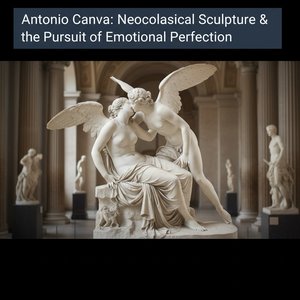
Antonio Canova: Neoclassical Sculpture & the Pursuit of Emotional Perfection
Explore the life & art of Antonio Canova, the greatest Neoclassical sculptor. Discover his masterpieces, innovative techniques, and lasting influence on fine art collecting. Expert insights for discerning investors.
