Prepnúť na tlač
 Zobraziť viac







































 V prípade umeleckých diel alebo reprodukcií, ktorých ktorákoľvek strana je väčšia ako 105 cm (cca 41 palcov), sa rám dodáva v rozloženom stave ako sada. Táto metóda zabezpečuje bezpečnú доставu a chráni pred poškodením počas prepravy.


A Catalan Visionary: The Life and Art of Joan Miró
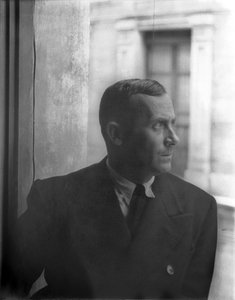
Joan Miró i Ferrà, born in Barcelona in 1893, stands as one of the most significant figures in 20th-century art. His journey was not merely a progression through styles but an exploration of inner worlds, translating dreams, memories, and Catalan identity onto canvas with a uniquely poetic visual language. From humble beginnings marked by illness and initial parental reservations about his artistic pursuits, Miró persevered, driven by an innate need to express the intangible—the emotions, sensations, and subconscious currents that lie beneath the surface of reality. His early life was steeped in the traditions of Barcelona, a city brimming with architectural marvels thanks to Antoni Gaudí, whose organic forms would subtly influence Miró’s later abstractions. The goldsmithing profession of his father instilled an appreciation for meticulous craftsmanship, while the rugged Catalan landscape became a recurring motif and source of inspiration.The Birth of Surrealism: Exploring Inner Landscapes
Miró's artistic development coincided with the burgeoning movement of Surrealism, spearheaded by André Breton and fueled by psychoanalytic theories championed by Sigmund Freud. Rejecting rational thought and embracing the irrational, Surrealists sought to liberate creativity from the constraints of logic, tapping into the realm of dreams and unconscious desires. Miró wholeheartedly embraced this ethos, distilling his personal experiences—childhood illness, familial anxieties—into fantastical imagery that defied conventional representation. He wasn’t attempting to depict what he *saw*; rather, he aimed to convey what he *felt*, channeling primal instincts and subconscious associations into vibrant compositions brimming with symbolic resonance.El Sol Rojo: Decoding the Symbolism of Light and Darkness
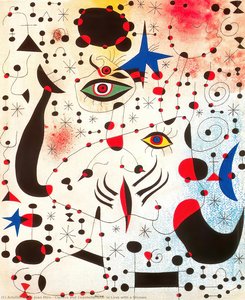
“El Sol Rojo,” or “The Red Sun,” exemplifies Miró’s distinctive style perfectly. Created in 1948, this oil on canvas painting immediately captivates with its bold palette—dominantly crimson against a serene azure sky—a deliberate juxtaposition reflecting the duality inherent in human experience. The central sun, rendered as an amorphous blob of scarlet pigment, isn't merely a celestial body; it embodies vitality, passion, and perhaps even danger. Surrounding this radiant orb are abstracted shapes – spirals, circles, and fragmented forms – reminiscent of organic matter and hinting at hidden depths. These elements intertwine with two smaller faces peering from the canvas, adding layers of complexity to the visual narrative. The inclusion of these faces speaks to Miró’s preoccupation with human psychology and his belief in the power of symbolism to communicate unspoken truths.Technique and Artistic Vision: A Dance Between Abstraction and Emotion
Miró's technique was characterized by loose brushwork—a deliberate rejection of academic precision—allowing for an expressive fluidity that mirrored the dynamism of his inner vision. He employed a layering process, applying thin washes of color over thicker impasto strokes to build up texture and create visual depth. This approach wasn’t about meticulous detail; it was about capturing the essence of feeling through evocative marks on the canvas. The artist's unwavering commitment to experimentation—incorporating collage elements and incorporating unconventional materials—further solidified his reputation as a pioneer of modern art, pushing boundaries and redefining artistic conventions.Legacy and Inspiration: An Enduring Influence
Joan Miró’s influence extends far beyond the confines of Surrealism, resonating throughout Abstract Expressionism and influencing generations of artists who followed. His unwavering belief in intuition and imagination continues to inspire creatives today, reminding us that true artistry lies not in replicating reality but in transforming it—revealing hidden dimensions of consciousness and conveying profound emotional truths. To experience the captivating beauty and symbolic richness of “El Sol Rojo” firsthand, explore high-quality reproductions at OriginalUniqueArt or visit the Fundació Joan Miró museum in Barcelona – a testament to the enduring legacy of this Catalan visionary.Otázky a odpovede
Kde sa dielo „El sol rojo“ zaradí do doterajšieho tvoru umelca Joan Miró?
V rámci tvorby umelca Joan Miró sa dielo „El sol rojo“ radí do štýlu Surrealism, pričom sprevádzajú ho témy ako inspired by van gogh & cézanne, catalan nationalism, exploring subconscious mind, iconic surrealist symbolism, mirroring artistic evolution, representing dreams and imagination, a cornerstone of miró's legacy.
Môžem si "El sol rojo" pozrieť podrobnejšie?
Stránka RTG skenovanie diela „El sol rojo“ od Joan Miró predstavuje interaktívny prehliadač, ktorý vám umožňuje prechádzať jedenástimi optickými vrstvami obrazu, vrátane pohľadu v štýle RTG snímky.
Aká je odporúčaná veľkosť a orientácia tlače pre dielo "El sol rojo"?
Veľkosť Large, orientácia Portrait: toto je odporúčaná konfigurácia tlače pre dielo „El sol rojo“ od Joan Miró.
 Náhľad v interiéri
 Odoslať ako digitálnu kartu
 Zdieľať
 Podrobnosti o dielo
 Príručka

 Stiahnuť obraz
 Podobné položky
 RTG skúška
 Prehliadanie diapozoje
 Otázky a odpovede
 Štatistiky