Náhľad
 Odoslať
 Zdieľať
 Podrobnosti o dielo

 Stiahnuť
 Podobné diela
 RTG skúška
 Prezentácia
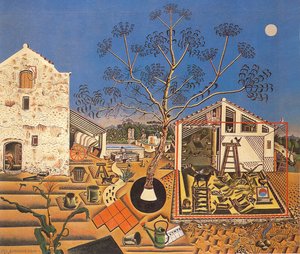
A Courtyard Scene


 Zobraziť viac
Ručne maľovaná olejová reprodukcia
Ručne maľovaný olej na plátne vo vašej zvolenej veľkosti a v ráme, vyrobený na mieru našimi umelcami. ( Prejsť na tlač Prepnúť na obrázok)




P118B $10

P118H $10

P118W $10

P438Z $10

P508JH $12

P508YH $12

P805H $10

P805Z $10

P919BZ $10

P919G $10

P919XJ $10

P959ZH $10

P968JZ $12

W106C $8

W218G $10

W218JH $8

W218Y $10

W307PJ $10

W316G $10

W316PJ $8

W316Y $10

W398PJ $8

W4111J $10

W500HY $15

W500JH $15

W692G $12

W849H $8

W940BG $15

W953PJ $8




Vyberte si z našich preddefinovaných rozmerov, ktoré zodpovedajú pôvodným pomeroḿ diela.

Môžete zadať vlastné rozmery tak, aby sa hodili do konkrétneho rámu alebo priestoru. Ak sa váš zvolený rozmer nezhoduje s pôvodnými proporciami obrazu, dielo buď orezáme, alebo ho doplníme ručne maľovanými prvkami. Pred začiatkom výroby vám zašleme digitálny náhľad na schválenie.
Upozorňujeme, že ukážka na obrazovke neodráža skutočné orezanie alebo doplnenie. Skutočnú finálnu kompozíciu zobrazuje iba digitálny náhľad.
Hoci sú k dispozícii vlastné rozmery, odporúčame vybrať rozmer z preddefinovaného zoznamu, aby sme zachovali pôvodné proporcie.
Po odoslaní objednávky vám tím OriginalUniqueArt.com pošle e-mail s pokynmi a poskytne náhľad na návrh.
Celosvetová doprava () za 3 až 4 týždne namiesto štandardných 5 týždňov. (9 august). Bez kompromisov v kvalite.

Bezplatná expresná doprava po celom svete

Prémiové lnianske plátno

Kompletné poistenie prepravy

Záruka vrátenia colného poplatku

Záruka presného farebného zhodnutia

60-dňá politika vrátenia (iba pri defektoch)

100% záruka vrátenia peňazí

Výhodná množstevná zľava
 Možnosť skla je dostupná len pri rozmeroch pod 110 cm

A Courtyard Scene
Technika reprodukcie
Veľkosť reprodukcie
-


Celková cena za vybrané možnosti
$ 300
Popis diela
Joan Miró’s “A Courtyard Scene”: A Catalan Soul Captured in Abstraction
The painting "A Courtyard Scene," attributed to Joan Miró (1893 – 1983), embodies the essence of Catalan surrealism—a visual exploration rooted in dreams and memory, filtered through a prism of organic forms and vibrant color palettes. Created during his prolific artistic output spanning decades, this piece exemplifies Miró’s distinctive approach to translating inner landscapes onto canvas, cementing his place as one of the foremost artists of the 20th century.Subject Matter and Composition
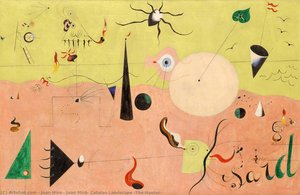
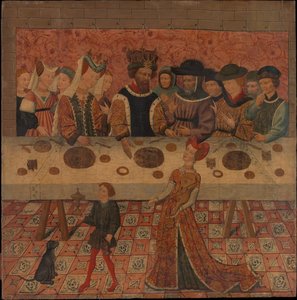
At first glance, “A Courtyard Scene” presents a deceptively simple tableau: a sunlit courtyard populated by figures—primarily humans and a dog—around a dining table laden with dishes. However, Miró eschews realistic representation, opting instead for an abstracted depiction that prioritizes emotional resonance over literal accuracy. The figures themselves are rendered as stylized shapes reminiscent of animalistic forms and human silhouettes, blending seamlessly into the surrounding environment. This deliberate blurring of boundaries reflects Miró’s fascination with the subconscious mind and his belief in art's capacity to convey feelings beyond the realm of observable reality.Style and Technique: Organic Surrealism
Miró’s style is undeniably organic surrealist—a movement he championed alongside Salvador Dalí—characterized by a rejection of rational thought and an embrace of irrational imagery drawn from dreams, mythology, and folklore. He employs a technique that combines bold brushstrokes with meticulous layering to achieve textural depth and luminosity. The color palette leans heavily toward warm hues—ochres, yellows, reds—creating an atmosphere of warmth and conviviality while simultaneously hinting at underlying tensions. Miró’s use of geometric shapes interspersed amongst organic forms contributes to the painting's visual complexity, mirroring the multifaceted nature of human experience.Historical Context: The Rise of Catalan Surrealism
“A Courtyard Scene” emerged during a period of significant artistic ferment in Catalonia—the birthplace of Miró—where surrealist ideas were gaining traction amidst broader cultural debates about identity and modernity. Influenced by Gaudí’s architectural innovations, which celebrated natural forms and organic patterns, Miró sought to capture the spirit of Catalan culture—its traditions, its landscapes, and its collective memory—through a lens of imaginative abstraction. The painting stands as testament to Miró's commitment to artistic experimentation and his unwavering belief in art's transformative power.Symbolism: Dreams, Memory, and Catalan Identity
The imagery within “A Courtyard Scene” is laden with symbolic significance. The dining table represents nourishment and social connection—fundamental aspects of Catalan life—while the figures embody human vulnerability and resilience. Recurring motifs such as animalistic forms and stylized shapes evoke primal instincts and subconscious desires, mirroring Miró’s preoccupation with exploring the depths of the human psyche. Furthermore, the courtyard itself symbolizes a space between worlds—a realm where reality merges with imagination—reflecting Miró's artistic vision as a conduit for conveying intangible emotions and ideas.Emotional Impact: Tranquility Amidst Complexity
Despite its visual complexity, “A Courtyard Scene” exudes an aura of tranquility—a paradoxical achievement given the painting’s surrealist aesthetic. The warm color palette and gentle brushstrokes create a sense of serenity, inviting contemplation and fostering empathy for the depicted figures. Ultimately, Miró's masterpiece succeeds in capturing the elusive beauty of human connection and the enduring power of memory—themes that resonate deeply with viewers seeking inspiration or contemplating the acquisition of a stunning reproduction.Biografia umelca
A Catalan Visionary: The Life and Art of Joan Miró
Joan Miró i Ferrà, born in Barcelona in 1893, stands as one of the most significant figures in 20th-century art. His journey was not merely a progression through styles but an exploration of inner worlds, translating dreams, memories, and Catalan identity onto canvas with a uniquely poetic visual language. From humble beginnings marked by illness and initial parental reservations about his artistic pursuits, Miró persevered, driven by an innate need to express the intangible—the emotions, sensations, and subconscious currents that lie beneath the surface of reality. His early life was steeped in the traditions of Barcelona, a city brimming with architectural marvels thanks to Antoni Gaudí, whose organic forms would subtly influence Miró’s later abstractions. The goldsmithing profession of his father instilled an appreciation for meticulous craftsmanship, while the rugged Catalan landscape became a recurring motif and source of inspiration throughout his career.Early Influences and the Path to Surrealism
Miró's formal artistic training began at La Llotja in Barcelona, where he honed his skills in traditional techniques. However, it was exposure to the avant-garde movements sweeping through Paris that truly ignited his creative evolution. The vibrant colors of Fauvism and the fragmented forms of Cubism resonated deeply, prompting him to move to Paris in 1920. This period proved pivotal as he encountered artists like Pablo Picasso and began experimenting with increasingly abstract compositions. Yet, Miró didn’t simply adopt these styles; he synthesized them, forging a path toward his own distinctive aesthetic. He sought to distill forms to their essence, stripping away representational details in favor of symbolic shapes and evocative colors. This exploration led him to the Surrealist group in 1924, aligning him with artists such as Max Ernst and Salvador Dalí. While embracing the Surrealist interest in the subconscious, Miró maintained a unique sensibility—his work was less about shocking imagery or Freudian symbolism than it was about creating a world of playful forms and poetic suggestion.The Language of Symbols: Key Works and Artistic Innovations
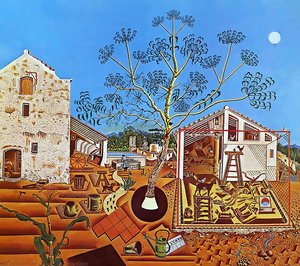
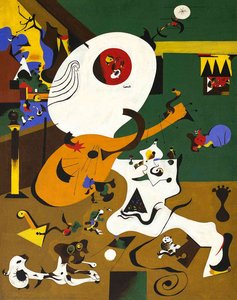
Throughout the 1920s and 30s, Miró developed his signature visual vocabulary—a universe populated by biomorphic shapes, floating forms, and vibrant colors. The Farm (1922), often considered a cornerstone of his oeuvre, exemplifies this transition. It’s not merely a depiction of rural life but an evocation of Catalan identity and a symbolic representation of the natural world. His collaborative spirit led to innovative techniques like *grattage*, pioneered with Max Ernst in 1926 for designs intended for Sergei Diaghilev's ballet, where textures were revealed by scraping paint across canvas. The Dutch Interiors (1928) series demonstrated his ability to reinterpret the Old Masters through a distinctly modern lens, transforming domestic scenes into dreamlike abstractions. Painting (1933), with its bold colors and simplified forms, encapsulates Miró’s exploration of the subconscious and his rejection of conventional artistic boundaries. Beyond painting, Miró fearlessly experimented with sculpture, ceramics, and printmaking, expanding his creative horizons and demonstrating a remarkable versatility.Legacy and Enduring Influence
Joan Miró's impact on 20th-century art is undeniable. He wasn’t simply a painter; he was a visionary who challenged the very definition of artistic expression. His work paved the way for abstract expressionism and continues to inspire artists across disciplines. He established two foundations—the Fundació Joan Miró in Barcelona (1975) and the Fundació Pilar i Joan Miró in Palma de Mallorca (1981)—ensuring that his legacy would endure, providing spaces for artistic exploration and education. Throughout his long career, he remained committed to pushing boundaries, questioning conventions, and exploring the depths of human imagination. Miró’s art is a testament to the power of abstraction, symbolism, and poetic expression—a vibrant celebration of life, dreams, and the enduring spirit of Catalan culture. His work continues to resonate with audiences worldwide, inviting us to enter a world where anything is possible and the boundaries between reality and fantasy blur into a captivating dance of color and form.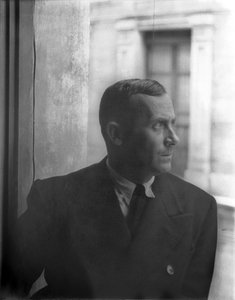
Joan Miró
1893 - 1983 , Španielsko
Základné informácie
- Artistic Movement Or Style: Surrealizmus, Abstrakčná tvorba
- Artists Who Influenced This Artist:
- Pablo Picasso
- Salvador Dalí
- Date Of Birth: 20 Apr 1893
- Date Of Death: 25 Dec 1983
- Full Name: Joan Miró i Ferrà
- Nationality: Španielsko
- Notable Artworks:
- The Farm
- Dutch Interiors
- Painting
- Place Of Birth: Barcelona, Španielsko
Súvisiace články
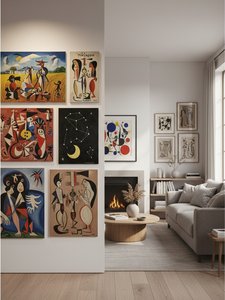
Joan Miró: Top 25 diel pre milovníkov umenia a dokonalý dizajn interiéru
Ponorte sa do sveta Joana Miróa s našou exkluzívnou kolekciou 25 ikonických diel. Objavte príbehy za abstraktnými kompozíciami, surrealistickými motívmi a katalánskou farebnosťou. Reprodukcie obrazov pre váš dokonalý interiér na OriginalUniqueArt.com.
Top 10 krajín v umení: Majstrovské diela pre váš domov | OriginalUniqueArt
Objavte top 10 krajín v umení od Van Gogha po Monet! Prežite príbehy slávnych majstrov a ich ikonických diel. Reprodukcie obrazov pre váš domov na OriginalUniqueArt.com – múzejná kvalita, inšpirácia a dekorácie.
Top 10 surrealistických majstrovských diel, ktoré definovali umelecký pohyb | OriginalUniqueArt.sk
Ponorte sa do sveta surrealizmu s top 10 majstrovskými dielami od Dalího, Magritta a Miróa. Objavte príbehy za ikonickými obrazmi, techniky a umelecké motívy. Kvalitné reprodukcie na OriginalUniqueArt.com – pre váš jedinečný interiér.

Top 10 majstrovských diel abstraktného expresionizmu pre váš domov | OriginalUniqueArt.com
Ponorte sa do sveta abstraktného expresionizmu s Pollockom, Rothkom a ďalšími majstrami. Objavte príbehy za 10 ikonických diel, techniky a farby, ktoré definovali toto revolučné umenie. Kvalitné reprodukcie na OriginalUniqueArt.com.
The Soul of Color: A Journey into the Emotional Resonance of Lyrical Abstraction
Embark on a cultural journey through Lyrical Abstraction. Explore how masters like Kandinsky used color and motion to translate emotion into visual poetry. Discover the profound beauty of abstract expressionism and learn to curate emotional resonance in your own art collection.