

 Náhľad
 Odoslať
 Zdieľať
 Podrobnosti o dielo

 Stiahnuť
 Podobné diela
 RTG skúška
 Prezentácia
The Post-Chaise
 Zobraziť viac
Ručne maľovaná olejová reprodukcia
Ručne maľovaný olej na plátne vo vašej zvolenej veľkosti a v ráme, vyrobený na mieru našimi umelcami. ( Kúpiť tlač Kúpiť obrázok)




































Vyberte si z našich preddefinovaných rozmerov, ktoré zodpovedajú pôvodným pomeroḿ diela.

Môžete zadať vlastné rozmery tak, aby sa hodili do konkrétneho rámu alebo priestoru. Ak sa váš zvolený rozmer nezhoduje s pôvodnými proporciami obrazu, dielo buď orezáme, alebo ho doplníme ručne maľovanými prvkami. Pred začiatkom výroby vám zašleme digitálny náhľad na schválenie.
Upozorňujeme, že ukážka na obrazovke neodráža skutočné orezanie alebo doplnenie. Skutočnú finálnu kompozíciu zobrazuje iba digitálny náhľad.
Hoci sú k dispozícii vlastné rozmery, odporúčame vybrať rozmer z preddefinovaného zoznamu, aby sme zachovali pôvodné proporcie.
Po odoslaní objednávky vám tím OriginalUniqueArt.com pošle e-mail s pokynmi a poskytne náhľad na návrh.
Celosvetová doprava () za 3 až 4 týždne namiesto štandardných 5 týždňov. (24 august). Bez kompromisov v kvalite.

Bezplatná expresná doprava po celom svete

Prémiové lnianske plátno

Kompletné poistenie prepravy

Záruka vrátenia colného poplatku

Záruka presného farebného zhodnutia

60-dňá politika vrátenia (iba pri defektoch)

100% záruka vrátenia peňazí

Výhodná množstevná zľava
 Možnosť skla je dostupná len pri rozmeroch pod 110 cm

The Post-Chaise
Technika reprodukcie
Veľkosť reprodukcie
-


Celková cena za vybrané možnosti
$ 300
Biografia umelca
The Versatile Vision of Jean Victor Adam
Born into the vibrant artistic pulse of Paris in 1801, Jean Victor Adam emerged as a profound chronicler of a transformative era in French history. As the son of the esteemed engraver Jean Adam, his entry into the world of fine art was less a choice and more a destiny woven from the very ink and pigment of his upbringing. His early years were defined by rigorous discipline at the prestigious École des Beaux-Arts, where between 1814 and 1818, he immersed himself in the classical traditions of the masters. Under the watchful eyes of Charles Meynier and Jean-Baptiste Regnault, Adam absorbed the foundational principles of composition and form, yet his spirit possessed a restless energy that would eventually lead him beyond the rigid confines of Neoclassicism toward a more dynamic, narrative-driven style.
Adam’s artistic evolution is a fascinating study in versatility, moving seamlessly between the grand scale of historical oil painting and the intimate, widespread reach of lithography. In his early career, he gained significant acclaim for his ability to capture the fervor of military life and historical turning points. His works were often commissioned for prestigious institutions, such as the Museum at Versailles, where he depicted monumental events like The Entry of the French into Mainz and The Battle of Montebello. These paintings were not merely records of conflict but were imbued with a sense of movement and drama that resonated with the Romantic sensibilities of his time. He possessed a rare talent for rendering the chaos of battle alongside the quiet, dignified presence of the soldier, creating a tapestry of 19th-century French identity.
A Master of Light and Line
While his historical canvases commanded the halls of museums, it was Adam’s mastery of lithography that allowed his vision to permeate the broader public consciousness. After a period of relative withdrawal from the public eye, he returned in 1846 with a renewed dedication to the lithographic medium, producing works that celebrated the beauty of the natural world and the charm of the French landscape. This phase of his career revealed a more observational, almost lyrical side of his talent. His lithographic albums, such as Views in the Environs of Paris and his detailed studies of animals for the works of Buffon, showcased an exquisite command over line and tonal gradation, proving that he could evoke profound emotion through the subtle interplay of black ink on paper.
The breadth of his subject matter remains one of his most enduring legacies. His oeuvre is characterized by a remarkable range, encompassing:
- Historical Narratives: Grand-scale depictions of military triumphs and political shifts that captured the zeitgeist of France.
- Genre Scenes: Charming and detailed observations of everyday life, from horse fairs to rural landscapes.
- Naturalistic Studies: Meticulous lithographic explorations of fauna and flora, blending scientific accuracy with artistic grace.
- Romantic Allegories: Works that tapped into the emotional depth and mythological themes prevalent in the mid-19th century.
Ultimately, Jean Victor Adam stands as a bridge between the structured academicism of the early century and the expressive freedom of the later Romantic movement. His ability to navigate the complexities of both the monumental and the minute allowed him to leave an indelible mark on French art. Whether through the sweeping brushstrokes of an oil painting or the delicate precision of a lithograph, Adam’s work continues to invite viewers into a world where history, nature, and human emotion converge in a timeless, visual symphony.
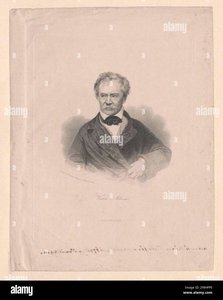
jean victor adam
1801 - 1866 , France
Základné informácie
- Artistic Movement Or Style: Symbolism
- Date Of Birth: January 28, 1801
- Date Of Death: December 30, 1866
- Full Name: Jean Victor Adam
- Nationality: French
- Notable Artworks:
- The Greasy Pole At Meudon Belle Vue
- The Whale At The Museum Of Natural History
- The Assassination of General Kleber
- Place Of Birth: Paris, France

