

 Zobraziť v interiéri
 Odoslať
 Zdieľať
 Podrobnosti
 Príručka

 Stiahnuť
 Podobné položky
 RTG skúška
 Prehliadanie diapo\]
 Štatistiky
Obnoxious Liberals
 Acrylic On Canvas
- WallArt
- Neo-Expressionist
 1982
1982 172.0 x 259.0 cm
 The Broad
 Prečítať si viac
Umelecké dielo zobrazené na tejto stránke je chránené autorským zákonom, čo znamená, že nemôžeme legálne vytvárať ani predávať jeho identickú reprodukciu. Táto ochrana je vymáhaná na základe medzinárodných dohôd, ako napríklad Bernská konvencia a národnými zákonmi, vrátane tých, ktoré sú stanovené v Autorské právo USA – Title 17. Všetky práva vyhradené.
Táto metóda plne dodržiava autorské práva, pretože nezahŕňa kopírovanie ani duplikovanie chráneného diela. Ide skôr o kreatívnu reinterpretáciu – nový obraz, ktorý je ovplybnený originálom, no nie je s ním identický.
Giclée / Umenotlač
Giclée tlač alebo plátno múzeálnej kvality s rýchlou výrobou a rôznymi možnosťami povrchovej úpravy. ( Objednať ručne maľovanú reprodukciu Prepnúť na digitálnu verziu obrazu)




P118B €10

P118H €10

P118W €10

P438Z €10

P508JH €12

P508YH €12

P805H €10

P805Z €10

P919BZ €10

P919G €10

P919XJ €10

P959ZH €10

P968JZ €12

W106C €8

W218G €10

W218JH €8

W218Y €10

W307PJ €10

W316G €10

W316PJ €8

W316Y €10

W398PJ €8

W4111J €10

W500HY €15

W500JH €15

W692G €12

W849H €8

W940BG €15

W953PJ €8




Vyberte si z našich preddefinovaných rozmerov, ktoré zodpovedajú pôvodným pomeroḿ diela.

Zadajte šírku a výšku, ktoré potrebujete, aby sa reprodukcia hodila k vášmu rámu alebo stene. Print možno len orezávať, nikdy však nemennú veľkosť zvětšiť oproti pôvodnému obrázku, preto pri inom formáte stráca časť obrazu. Pred samotným vytlačiacím procesom vám pošleme digitálny náhľad na schválenie. Obrázok zobrazený na tejto stránke nezobrazuje reálny rez — len digitálny náhľad ukazuje presný výsledok.
Celosvetová doprava () do 2 týždňov namiesto štandardných 4 až 5 týždňov. (24 október)

Bezplatná expresná doprava po celom svete

Vysokokvalitné lnianske plátno

Úplné poistenie prepravy

Záruka vrátenia colného poplatku

Záruka presného farebného zhodnutia

100-dená politika vrátenia tovaru (iba pri vadách)

100% záruka vrátenia peňazí

Ponuka množstevnej zľavy
 Možnosť skla je dostupná len pri rozmeroch pod 110 cm

Obnoxious Liberals
Giclée / Umenotlač
Veľkosť reprodukcie
-


Celková cena
€ 70
The Raw Energy of Basquiat's Vision
To stand before Jean-Michel Basquiat’s "Obnoxious Liberals" is to be enveloped in an immediate, visceral confrontation with modern cultural critique. This monumental piece, executed in 1982, does not whisper its message; it bellows it across the canvas. The work pulses with the raw, untamed energy characteristic of neo-expressionism, a style that allowed Basquiat to channel the chaotic vibrancy of urban life and intellectual ferment into something undeniably powerful. Viewing the composition—the central figure dramatically outstretched against a stark red wall, surrounded by figures adorned with chains or restrictive ties—one cannot help but feel the weight of historical commentary pressing down from the canvas itself.
Symbolism in the Urban Canvas
Basquiat’s vocabulary was always one of potent symbols drawn from street art, academic texts, and socio-political unrest. In "Obnoxious Liberals," the symbolism is dense and immediate. The vibrant red background acts less as a mere backdrop and more as an emotional field—a charged space reflecting passion, warning, or perhaps even revolutionary fervor. The figures themselves seem caught in a tableau of societal constraint; the chains suggest bondage to outdated ideologies or systemic limitations. Meanwhile, the central figure’s open posture contrasts sharply with this perceived confinement, embodying a struggle for authentic self-expression against prevailing dogma. It is a visual argument rendered in acrylic on canvas.
Technique and Materiality: A Study in Intensity
The sheer scale of this work, measuring 172 x 259 cm, contributes significantly to its overwhelming presence. Basquiat’s technique here is masterful in its apparent spontaneity. The application of acrylic paint is vigorous, layered, and immediate, giving the surface a palpable texture that invites close inspection. One can almost hear the scraping sound of the paint being applied, the urgency behind every mark. This rawness is not accidental; it is integral to the piece’s narrative power, mirroring the urgent dialogue Basquiat was having with the art world and its prevailing structures.
Echoes of a Cultural Moment
Created in 1982, "Obnoxious Liberals" captures a moment of intense cultural reckoning. The painting speaks to the anxieties and ideological battles brewing beneath the polished surface of late 20th-century society. It is an artifact steeped in the intellectual ferment of its time—a visual scream against complacency. For the collector or designer seeking art that does not merely decorate but actively participates in a conversation, this piece offers profound depth. Reproducing this work allows one to bring that same electrifying, thought-provoking dialogue into a contemporary space.
Otázky a odpovede
Kde môžem kúpiť print diela „Obnoxious Liberals“ od Jean Michel Basquiat?
„Obnoxious Liberals“ je dostupná ako umelecká tlač na bavlnenom plátne alebo archivnom plátnovom papieri. Objednávky sa podávajú na jej stránke Výškovotlač fine art v rozmeroch podľa vašej voľby.
Zobrazuje "Obnoxious Liberals" silné svetlo-tmavé kontrasty?
Úroveň kontrastu diela „Obnoxious Liberals“ od Jean Michel Basquiat je Statement.
Ako si môžem pozrieť „Obnoxious Liberals“ od Jean Michel Basquiat ako prezentáciu?
K dispozícii je diaporama: stránka Diaporama diela „Obnoxious Liberals“ od Jean Michel Basquiat.
Biografia umelca
A Brooklyn Beginning and the Rise of SAMO
Jean-Michel Basquiat erupted onto the 1980s art scene as a force of raw energy and intellectual depth, an impact that continues to resonate profoundly today. Born on December 22, 1960, in Brooklyn, New York, to a Haitian father and Puerto Rican mother, his upbringing was a vibrant tapestry woven with diverse cultures and languages—Spanish, English, and French filled his childhood home. This multilingual environment, coupled with his mother’s dedication to artistic pursuits—she enrolled him as a Junior Member of the Brooklyn Museum at age six—laid an early foundation for his creative journey. However, Basquiat's life wasn’t without hardship; a car accident at eight years old resulted in a splenectomy and a period of convalescence during which he became captivated by a copy of *Gray’s Anatomy* gifted by his mother. The book’s detailed illustrations would later profoundly influence the anatomical imagery that frequently appears in his work, becoming a haunting motif throughout his career. Before achieving recognition as a painter, Basquiat made his mark under the pseudonym SAMO, alongside friend Al Diaz. Together they covered Lower Manhattan with cryptic, poetic graffiti—epigrams challenging societal norms and questioning established power structures. These weren’t mere tags; they were thought-provoking statements that captured the spirit of the burgeoning hip-hop culture and the gritty energy of 1970s New York City. SAMO was more than just street art; it was a philosophical intervention, a visual disruption designed to provoke dialogue and challenge perceptions.
Neo-Expressionism and Artistic Innovation
By the early 1980s, Basquiat transitioned from graffiti to canvas, rapidly gaining recognition within the New York art world. His paintings weren’t easily categorized; they were a unique synthesis of influences ranging from Abstract Expressionism to tribal art, comic books, and historical painting. He became a central figure in the Neo-Expressionist movement, though he resisted easy labeling. His canvases are characterized by a frenetic energy—a chaotic layering of text, symbols, figures, and colors. Basquiat’s technique was deliberately raw and improvisational, often incorporating collage, scratching, and dripping paint. He wasn't interested in technical perfection; instead, he sought to convey emotion, ideas, and social commentary with visceral immediacy. Recurring motifs—crowns, skulls, anatomical diagrams, words crossed out or repeated—became his signature visual language. The crown, perhaps his most iconic symbol, has been interpreted as a representation of aspiration, self-mythologization, and the complexities of Black identity in America. His work frequently grappled with themes of wealth versus poverty, integration versus segregation, and the internal struggles of the individual within society. Paintings like *Piscine versus the Best Hotels (or various loin)* exemplify his ability to juxtapose seemingly disparate elements—luxury and deprivation, beauty and decay—creating a powerful commentary on social inequalities. Basquiat’s art was not merely about what he depicted but how he depicted it, creating a visual language that was both deeply personal and universally resonant.
Collaboration, Recognition, and a Tragic End
Basquiat’s ascent was meteoric. In 1982, at just twenty-one years old, he participated in Documenta in Kassel, Germany, becoming the youngest artist ever to exhibit there. The following year, he showcased his work at the Whitney Biennial, further solidifying his position within the art establishment. A pivotal moment came with his friendship and artistic collaboration with Andy Warhol. The two artists pushed each other creatively, exploring themes of consumerism, celebrity, and mass media in a series of collaborative paintings. While their partnership was complex and sometimes fraught with tension, it undoubtedly elevated both artists’ profiles. Despite achieving international acclaim and financial success, Basquiat struggled with the pressures of fame and his ongoing battle with drug addiction. His work became increasingly introspective and darker as he grappled with personal demons and societal injustices. Tragically, Jean-Michel Basquiat died on August 12, 1988, at the age of twenty-seven from a heroin overdose. His untimely death cemented his status as a tragic figure—a brilliant artist whose life was cut short by addiction and the complexities of navigating the art world.
Key Works & Themes
Here are some defining works that encapsulate Basquiat’s artistic vision:
- Untitled (Skull): A powerful representation of mortality and the African diaspora, achieving record-breaking auction prices.
- Piscine versus the Best Hotels (or various loin): Exemplifies Basquiat’s juxtaposition of wealth and poverty, showcasing his unique artistic style.
- Portrait of the Artist as a Young Derelict: A self-portrait that embodies themes of identity, alienation, and societal critique.
- Hollywood Africans: Explores African American history and culture through symbolic imagery and textual elements.
Basquiat’s art consistently addressed issues of racial inequality, the legacy of colonialism, and the complexities of Black identity. He used his platform to challenge dominant narratives and give voice to marginalized communities. His work remains profoundly relevant today, prompting viewers to confront uncomfortable truths about society and their own biases. He wasn't simply an artist; he was a cultural commentator, a poet, and a visionary who left an indelible mark on the art world and beyond.

Jean Michel Basquiat
1960 - 1988 , Spojené štáty americké
Rýchle fakty
- Artistic Movement Or Style: Neo-expresionizmus
- Artists Or Movements Influenced By This Artist:
- Modernistický umelci
- Afričania
- Artists Who Influenced This Artist:
- Abstraktná exp.
- Tribalné umenie
- Komedie
- Date Of Birth: 22. decembra 1960
- Date Of Death: 12. augusta 1988
- Full Name: Jean-Michel Basquiat
- Nationality: Americký
- Notable Artworks:
- Untitled (Skull)
- Piscine vs Hotely
- Portrét umelca ako mladého zbierača
- Place Of Birth: Brooklyn, USA
Súvisiace články
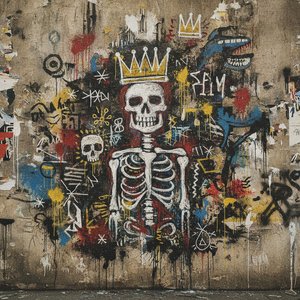
Basquiat and Raw Pop: The High-Energy Rebellion of Neo-Expressionism and the Legacy of Urban Street Art
Explore the raw energy of Jean-Michel Basquiat and the Neo-Expressionist movement. Discover how urban rebellion and SAMO© transformed 1980s New York art history through deep academic insight and visual analysis.
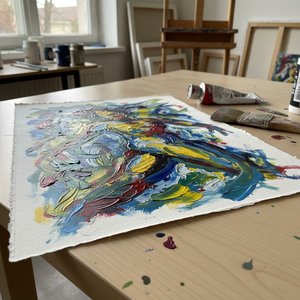
Acrylic on Paper: A Modern Canvas for Contemporary Expression
Explore the versatility of acrylic painting on paper! Discover expert techniques, artist insights & archival practices for creating stunning contemporary art. Learn more at OriginalUniqueArt.

Basquiat & Raw Pop: The High-Impact Pulse of Urban Rebellion and Neo-Expressionist Mastery
Unleash the raw energy of Basquiat & Raw Pop. Shop high-impact, hand-painted oil reproductions at OriginalUniqueArt.com. From urban rebellion to Neo-Expressionist mastery, we bring the pulse of the streets to your walls with premium, bold contemporary art. Elevate your space today.
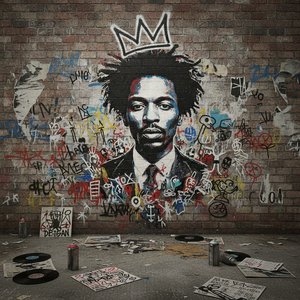
Basquiat & Raw Pop: The Unfiltered Energy of Neo-Expressionism and the Legacy of Urban Rebellion
Explore the raw energy of Jean-Michel Basquiat and Neo-Expressionism. Discover how urban rebellion redefined modern art through a lens of luxury, identity, and profound emotional intensity for the discerning collector.
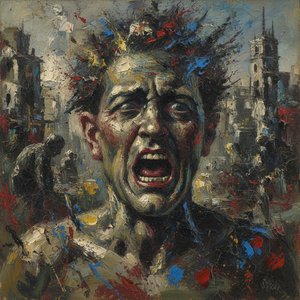
Neo-Expressionism: The Raw Power and Emotional Return of Modern Art
Explore the raw emotion and visceral power of Neo-Expressionism. From Basquiat's urban energy to the rejection of Minimalism, discover the history behind this transformative movement through our expert art guides and museum-quality reproductions.

