
 Náhľad v interiéri
 Odoslať ako digitálnu kartu
 Zdieľať
 Podrobnosti o dielo
 Príručka

 Stiahnuť obraz
 Podobné položky
 RTG skúška
 Prehliadanie diapozoje
 Q&A
Q&A Štatistiky
Man from Naples

- 244.0 x 122.0 cm


 Zobraziť viac
Umelecké dielo zobrazené na tejto stránke je chránené autorským zákonom, čo znamená, že nemôžeme legálne vytvárať ani predávať jeho identickú reprodukciu. Táto ochrana je vymáhaná na základe medzinárodných dohôd, ako napríklad Bernská konvencia a národnými zákonmi, vrátane tých, ktoré sú stanovené v Autorské právo USA – Title 17. Všetky práva vyhradené.
Táto metóda plne dodržiava autorské práva, pretože nezahŕňa kopírovanie ani duplikovanie chráneného diela. Ide skôr o kreatívnu reinterpretáciu – nový obraz, ktorý je ovplybnený originálom, no nie je s ním identický.
Giclée / Umenotlač
Giclée tlač alebo plátno múzeálnej kvality s rýchlou výrobou a rôznymi možnosťami povrchovej úpravy. ( Kúpiť ručne maľovaný obraz Prepnúť na digitálny obraz)




P118B €10

P118H €10

P118W €10

P438Z €10

P508JH €12

P508YH €12

P805H €10

P805Z €10

P919BZ €10

P919G €10

P919XJ €10

P959ZH €10

P968JZ €12

W106C €8

W218G €10

W218JH €8

W218Y €10

W307PJ €10

W316G €10

W316PJ €8

W316Y €10

W398PJ €8

W4111J €10

W500HY €15

W500JH €15

W692G €12

W849H €8

W940BG €15

W953PJ €8




Vyberte si z našich preddefinovaných rozmerov, ktoré zodpovedajú pôvodným pomeroḿ diela.

Zadajte šírku a výšku, ktoré potrebujete, aby sa reprodukcia hodila k vášmu rámu alebo stene. Print možno len orezávať, nikdy však nemennú veľkosť zvětšiť oproti pôvodnému obrázku, preto pri inom formáte stráca časť obrazu. Pred samotným vytlačiacím procesom vám pošleme digitálny náhľad na schválenie. Obrázok zobrazený na tejto stránke nezobrazuje reálny rez — len digitálny náhľad ukazuje presný výsledok.
Celosvetová doprava () do 2 týždňov namiesto štandardných 4 až 5 týždňov. (2 november)

Bezplatná expresná doprava po celom svete

Vysokokvalitné lnianske plátno

Kompletné poistenie prepravy

Záruka vrátenia colného poplatku

Záruka presného farebného zhodnutia

100-dená politika vrátenia tovaru (iba pri vadách)

100% záruka vrátenia peňazí

Zľava pri väčšom množstve
 Možnosť skla je dostupná len pri rozmeroch pod 110 cm

Man from Naples
Giclée / Umenotlač
Veľkosť reprodukcie
-


Celková cena
€ 71
A Fragmented Portrait of Naples: Jean-Michel Basquiat’s “Man from Naples” (1982)
Jean-Michel Basquiat's "Man from Naples," painted in 1982, isn’t merely a depiction of a face; it’s a visceral embodiment of the artist’s exploration of identity, power, and the complex social fabric of his time. Created during a pivotal period – immediately following his breakthrough as an artist and just before his most prolific output – this work serves as a crucial key to understanding Basquiat's evolving artistic language and his engagement with themes of race, class, and urban experience. The painting’s immediate impact is one of raw intensity; the subject’s gaze, rendered in bold, fragmented strokes of acrylic paint on wood, feels both defiant and vulnerable, immediately drawing the viewer into a silent confrontation.
The Language of Collage and Graffiti
Basquiat masterfully blends elements of collage with his signature graffiti-inspired style. The face itself is constructed from layers of acrylic paint, overlaid with fragments of newspaper clippings – snippets of text and images that hint at the subject’s background and the world he inhabits. These collaged elements aren't simply decorative; they actively contribute to the painting’s narrative, suggesting a layered history and a fragmented sense of self. The use of black brushstrokes against a muted blue backdrop creates a dramatic contrast, amplifying the intensity of the face and lending it an almost sculptural quality. The deliberate roughness of the surface – visible brushwork and uneven application – speaks to Basquiat’s rejection of traditional painting techniques and his embrace of street art aesthetics.
Naples: A City Steeped in History and Contradiction
The title, “Man from Naples,” immediately anchors the work within a specific geographical and cultural context. Naples, a city with a rich and turbulent history – a crossroads of Greek, Roman, Spanish, and Italian influences – is depicted not as a romanticized tourist destination but as a place of gritty reality, social inequality, and complex power dynamics. The painting subtly evokes the city’s layered past, its vibrant street life, and its inherent contradictions. The reference to Naples itself suggests themes of migration, displacement, and the search for identity within a larger historical narrative. It's a city that has long been associated with both beauty and hardship, and Basquiat seems to be grappling with this duality in his portrayal.
Symbolism and Emotional Resonance
Beyond its immediate visual impact, “Man from Naples” is rich in symbolic meaning. The fragmented face can be interpreted as a representation of the fractured identity of marginalized communities, struggling to navigate a world shaped by systemic inequalities. The subject’s intense gaze suggests resilience, defiance, and perhaps even a sense of vulnerability. The inclusion of newspaper clippings hints at the pervasive influence of media and information on shaping perceptions and narratives. Ultimately, the painting invites viewers to contemplate the complexities of human experience – the challenges of self-discovery, the weight of history, and the enduring search for belonging. It’s a powerful work that continues to resonate with audiences today, offering a glimpse into the mind of one of art's most compelling figures.
Size: 244 x 122 cm
Date: 1982
Artist: jean michel basquiat
Location: Guggenheim Museum Bilbao, Spain
Otázky a odpovede
Akú mieru kontrastu vykazuje „Man from Naples“ od Jean Michel Basquiat?
Úroveň kontrastu diela „Man from Naples“ od Jean Michel Basquiat je Statement.
Patrí dielo „Man from Naples“ medzi najznámejšie diela smeru Neo-Expressionism?
„Man from Naples“ je v katalógu zaznamenané ako Iconic medzi dielami zastúpenými v rámci Neo-Expressionism.
K akému umeleckému smeru patrí „Man from Naples“?
Uvedený umelecký smer spojený s dielom „Man from Naples“ od Jean Michel Basquiat je Neo-Expressionism. Táto klasifikácia umiestňuje toto dielo medzi súvisiace umelcov a umelecké diela.
Biografia umelca
A Brooklyn Beginning and the Rise of SAMO
Jean-Michel Basquiat erupted onto the 1980s art scene as a force of raw energy and intellectual depth, an impact that continues to resonate profoundly today. Born on December 22, 1960, in Brooklyn, New York, to a Haitian father and Puerto Rican mother, his upbringing was a vibrant tapestry woven with diverse cultures and languages—Spanish, English, and French filled his childhood home. This multilingual environment, coupled with his mother’s dedication to artistic pursuits—she enrolled him as a Junior Member of the Brooklyn Museum at age six—laid an early foundation for his creative journey. However, Basquiat's life wasn’t without hardship; a car accident at eight years old resulted in a splenectomy and a period of convalescence during which he became captivated by a copy of *Gray’s Anatomy* gifted by his mother. The book’s detailed illustrations would later profoundly influence the anatomical imagery that frequently appears in his work, becoming a haunting motif throughout his career. Before achieving recognition as a painter, Basquiat made his mark under the pseudonym SAMO, alongside friend Al Diaz. Together they covered Lower Manhattan with cryptic, poetic graffiti—epigrams challenging societal norms and questioning established power structures. These weren’t mere tags; they were thought-provoking statements that captured the spirit of the burgeoning hip-hop culture and the gritty energy of 1970s New York City. SAMO was more than just street art; it was a philosophical intervention, a visual disruption designed to provoke dialogue and challenge perceptions.
Neo-Expressionism and Artistic Innovation
By the early 1980s, Basquiat transitioned from graffiti to canvas, rapidly gaining recognition within the New York art world. His paintings weren’t easily categorized; they were a unique synthesis of influences ranging from Abstract Expressionism to tribal art, comic books, and historical painting. He became a central figure in the Neo-Expressionist movement, though he resisted easy labeling. His canvases are characterized by a frenetic energy—a chaotic layering of text, symbols, figures, and colors. Basquiat’s technique was deliberately raw and improvisational, often incorporating collage, scratching, and dripping paint. He wasn't interested in technical perfection; instead, he sought to convey emotion, ideas, and social commentary with visceral immediacy. Recurring motifs—crowns, skulls, anatomical diagrams, words crossed out or repeated—became his signature visual language. The crown, perhaps his most iconic symbol, has been interpreted as a representation of aspiration, self-mythologization, and the complexities of Black identity in America. His work frequently grappled with themes of wealth versus poverty, integration versus segregation, and the internal struggles of the individual within society. Paintings like *Piscine versus the Best Hotels (or various loin)* exemplify his ability to juxtapose seemingly disparate elements—luxury and deprivation, beauty and decay—creating a powerful commentary on social inequalities. Basquiat’s art was not merely about what he depicted but how he depicted it, creating a visual language that was both deeply personal and universally resonant.
Collaboration, Recognition, and a Tragic End
Basquiat’s ascent was meteoric. In 1982, at just twenty-one years old, he participated in Documenta in Kassel, Germany, becoming the youngest artist ever to exhibit there. The following year, he showcased his work at the Whitney Biennial, further solidifying his position within the art establishment. A pivotal moment came with his friendship and artistic collaboration with Andy Warhol. The two artists pushed each other creatively, exploring themes of consumerism, celebrity, and mass media in a series of collaborative paintings. While their partnership was complex and sometimes fraught with tension, it undoubtedly elevated both artists’ profiles. Despite achieving international acclaim and financial success, Basquiat struggled with the pressures of fame and his ongoing battle with drug addiction. His work became increasingly introspective and darker as he grappled with personal demons and societal injustices. Tragically, Jean-Michel Basquiat died on August 12, 1988, at the age of twenty-seven from a heroin overdose. His untimely death cemented his status as a tragic figure—a brilliant artist whose life was cut short by addiction and the complexities of navigating the art world.
Key Works & Themes
Here are some defining works that encapsulate Basquiat’s artistic vision:
- Untitled (Skull): A powerful representation of mortality and the African diaspora, achieving record-breaking auction prices.
- Piscine versus the Best Hotels (or various loin): Exemplifies Basquiat’s juxtaposition of wealth and poverty, showcasing his unique artistic style.
- Portrait of the Artist as a Young Derelict: A self-portrait that embodies themes of identity, alienation, and societal critique.
- Hollywood Africans: Explores African American history and culture through symbolic imagery and textual elements.
Basquiat’s art consistently addressed issues of racial inequality, the legacy of colonialism, and the complexities of Black identity. He used his platform to challenge dominant narratives and give voice to marginalized communities. His work remains profoundly relevant today, prompting viewers to confront uncomfortable truths about society and their own biases. He wasn't simply an artist; he was a cultural commentator, a poet, and a visionary who left an indelible mark on the art world and beyond.

Jean Michel Basquiat
1960 - 1988 , Spojené štáty americké
Základné informácie
- Artistic Movement Or Style: Neo-expresionizmus
- Artists Or Movements Influenced By This Artist:
- Modernistický umelci
- Afričania
- Artists Who Influenced This Artist:
- Abstraktná exp.
- Tribalné umenie
- Komedie
- Date Of Birth: 22. decembra 1960
- Date Of Death: 12. augusta 1988
- Full Name: Jean-Michel Basquiat
- Nationality: Americký
- Notable Artworks:
- Untitled (Skull)
- Piscine vs Hotely
- Portrét umelca ako mladého zbierača
- Place Of Birth: Brooklyn, USA
Súvisiace články

Concrete Visions: Exploring Representations of Urban Life in Modern & Contemporary Art
Explore the evolution of cityscape painting from Realism to contemporary art. Discover key artists & invest in timeless urban visions with OriginalUniqueArt's expert guidance and museum-quality reproductions.
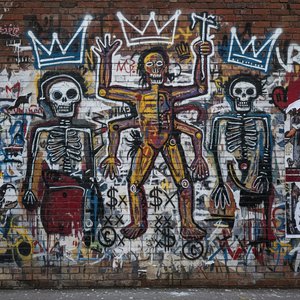
Jean-Michel Basquiat: Deconstructing Identity & Power Through Neo-Expressionist Graffiti
Explore the powerful work of Jean-Michel Basquiat & his impact on Neo-Expressionism. Discover how he deconstructed identity, challenged power structures, and left an enduring legacy in contemporary art. Expert analysis for collectors.

Basquiat & Raw Pop: The Electric Energy of Neo-Expressionism and the Legacy of Urban Rebellion
Explore the electric world of Jean-Michel Basquiat and Neo-Expressionism. Discover how raw urban energy and symbolic graffiti redefined contemporary art history through a deep, cultural lens.
Concrete Narratives: Exploring Urban Life in Modern & Contemporary Art
Explore the evolution of cityscape painting with OriginalUniqueArt. Discover key artists from Realism to contemporary movements & invest in timeless urban visions. Expert guidance, museum-quality reproductions.
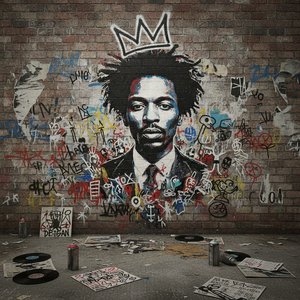
Basquiat & Raw Pop: The Unfiltered Energy of Neo-Expressionism and the Legacy of Urban Rebellion
Explore the raw energy of Jean-Michel Basquiat and Neo-Expressionism. Discover how urban rebellion redefined modern art through a lens of luxury, identity, and profound emotional intensity for the discerning collector.

