
 Náhľad v interiéri
 Odoslať ako digitálnu kartu
 Zdieľať
 Podrobnosti o dielo
 Príručka

 Stiahnuť obraz
 Podobné položky
 RTG skúška
 Prehliadanie diapozoje
 Q&A
Q&A Štatistiky
Blind-Mans Buff

- 116.0 x 91.0 cm


 Zobraziť viac
Giclée / Umenotlač
Giclée tlač alebo plátno múzeálnej kvality s rýchlou výrobou a rôznymi možnosťami povrchovej úpravy. ( Kúpiť ručne maľovaný obraz Prepnúť na digitálny obraz)




P118B €10

P118H €10

P118W €10

P438Z €10

P508JH €12

P508YH €12

P805H €10

P805Z €10

P919BZ €10

P919G €10

P919XJ €10

P959ZH €10

P968JZ €12

W106C €8

W218G €10

W218JH €8

W218Y €10

W307PJ €10

W316G €10

W316PJ €8

W316Y €10

W398PJ €8

W4111J €10

W500HY €15

W500JH €15

W692G €12

W849H €8

W940BG €15

W953PJ €8




Vyberte si z našich preddefinovaných rozmerov, ktoré zodpovedajú pôvodným pomeroḿ diela.

Zadajte šírku a výšku, ktoré potrebujete, aby sa reprodukcia hodila k vášmu rámu alebo stene. Print možno len orezávať, nikdy však nemennú veľkosť zvětšiť oproti pôvodnému obrázku, preto pri inom formáte stráca časť obrazu. Pred samotným vytlačiacím procesom vám pošleme digitálny náhľad na schválenie. Obrázok zobrazený na tejto stránke nezobrazuje reálny rez — len digitálny náhľad ukazuje presný výsledok.
Celosvetová doprava () do 2 týždňov namiesto štandardných 4 až 5 týždňov. (1 november)

Bezplatná expresná doprava po celom svete

Vysokokvalitné lnianske plátno

Kompletné poistenie prepravy

Záruka vrátenia colného poplatku

Záruka presného farebného zhodnutia

100-dená politika vrátenia tovaru (iba pri vadách)

100% záruka vrátenia peňazí

Zľava pri väčšom množstve
 Možnosť skla je dostupná len pri rozmeroch pod 110 cm

Blind-Mans Buff
Giclée / Umenotlač
Veľkosť reprodukcie
-


Celková cena
€ 71
A Dance of Delight: Exploring Jean-Honoré Fragonard’s “Blind Man’s Buff”
The painting "Blind Man's Buff," completed in 1752 by Jean-Honoré Fragonard, transcends mere depiction; it embodies the very essence of Rococo artistry – a celebration of sensual pleasure and fleeting romance. More than just a charming pastoral scene, this artwork speaks volumes about the social conventions and artistic sensibilities of eighteenth-century France, offering a captivating glimpse into the courtship rituals of its aristocratic patrons.- Subject Matter: At its core lies an intimate tableau capturing a playful moment between lovers in a sunlit garden. A woman playfully engages with her infant child while another man observes, creating a dynamic interplay of gestures and glances that underscores the central theme – the deceptive allure of appearances.
- Style & Technique: Fragonard’s signature style is characterized by its airy lightness and exquisite delicacy. Employing pastel hues—primarily pinks, greens, and yellows—he achieves a luminous effect that captures the vibrancy of springtime blossoms. The brushstrokes are loose and fluid, prioritizing expressive movement over meticulous detail, reflecting the Rococo penchant for illusionistic textures and shimmering surfaces.
Historical Context: Courtly Love and Artistic Patronage
“Blind Man’s Buff” emerged during a period defined by opulent aristocratic life and an obsession with idealized beauty. The game itself served as a metaphor for courtship, where deception and flirtation were considered acceptable strategies to win affection. Fragonard's painting directly addresses this cultural preoccupation, mirroring the tastes of Louis XV’s court who favored scenes depicting pastoral idylls brimming with romantic symbolism. Boucher’s influence is palpable in the composition’s graceful forms and harmonious color palette—a testament to the artistic standards upheld during that era.- Symbolism: The artwork is replete with symbolic gestures designed to heighten its emotional impact. The playful tickling of the woman's cheek by a straw symbolizes flirtation and distraction, while Cupid’s infant brushing her hand represents divine intervention guiding affections. Even the woman’s attire—elaborate gowns adorned with opulent bows—represents the extravagance and sophistication valued within aristocratic circles.
- Emotional Impact: Fragonard masterfully captures the ephemeral nature of youthful passion. The subtle gaze exchanged between lovers hints at unspoken desires and vulnerabilities, inviting viewers to contemplate the complexities of human relationships. Ultimately, “Blind Man’s Buff” evokes a feeling of carefree joy mingled with wistful longing—a timeless portrayal of love's captivating power.
A Reproduction Worth Admiring
A high-quality reproduction of "Blind Man’s Buff" offers an exceptional opportunity to bring this masterpiece into your home. OriginalUniqueArt.com’s meticulous printing process ensures that the painting's luminous colors and delicate brushstrokes are faithfully reproduced, allowing you to appreciate Fragonard’s artistic vision with stunning clarity. Consider framing it in a neutral tone to complement its ethereal beauty—a beautiful addition to any interior space.Otázky a odpovede
Patrí „Blind-Mans Buff“ od Jean-Honoré Fragonard do verejnej domény?
Stav autorských práv pre „Blind-Mans Buff“ od Jean-Honoré Fragonard: dielo je v stave v slobodnom prostredí – autorské práva vypršali. To určuje, či je možné voľne vytvárať reprodukcie tohto obrazu.
Aké emócie vyvoláva „Blind-Mans Buff“ od Jean-Honoré Fragonard?
Emocionálny tón zaznamenaný pre „Blind-Mans Buff“ od Jean-Honoré Fragonard je Romantic. Tento opis vystihuje pocit, ktorý toto dielo vyjadruje.
Aká veľkosť a orientácia sa odporúčajú pre tlač diela „Blind-Mans Buff“ od Jean-Honoré Fragonard?
Odporúčaná veľkosť pre tlač diela „Blind-Mans Buff“ od Jean-Honoré Fragonard je Large v orientácii Portrait.
Biografia umelca
Jean-Honoré Fragonard: A Dance of Light and Desire
Born in the heart of Provence, in Grasse – a city renowned for its exquisite perfumes – Jean-Honoré Fragonard’s life was inextricably linked to beauty and sensuality. His birth in 1732 marked the beginning of an artistic journey that would ultimately transform him into one of France's most celebrated figures of the Rococo era, a period defined by elegance, playfulness, and a subtle celebration of pleasure. From his early years amidst the fragrant fields to his eventual recognition as a master painter, Fragonard’s life was a testament to the power of observation, imagination, and an innate ability to capture the fleeting moments that define human experience.Early Influences and Artistic Training
Fragonard's artistic development began not with grand ambitions but with a quiet relocation to Paris alongside his family. It was there, under the tutelage of Jean Siméon Chardin – a master known for his profound understanding of everyday life and his ability to imbue even the simplest scenes with grace and emotion – that young Fragonard first encountered the possibilities of paint and canvas. However, it was within the atelier of François Boucher, the celebrated painter to the court of Louis XV, that his true stylistic foundations were firmly established. Boucher’s influence instilled in Fragonard a deep appreciation for graceful forms, delicate colors, and a playful spirit – qualities that would become hallmarks of his distinctive oeuvre. Winning the prestigious Prix de Rome in 1752 was a pivotal moment, granting him access to the artistic heart of Italy for several years. This period wasn’t merely an opportunity for imitation; it was a transformative immersion in classical antiquity and Renaissance art, fueling his imagination and shaping his unique vision. He studied not just the works of the masters but also the very atmosphere of Rome, absorbing its vibrancy and sensuality – elements that would later infuse his own paintings with a palpable energy.The Rococo Master: A Celebration of Pleasure and Intrigue
Upon returning to Paris, Fragonard swiftly established himself as a leading figure in the burgeoning Rococo movement. This wasn’t simply about adopting a style; it was about embodying an entire worldview – one that celebrated pleasure, intimacy, and the fleeting beauty of life. His paintings weren't intended for grand public display but rather for the private salons of aristocrats seeking works that whispered secrets and hinted at hidden desires. The Swing, perhaps his most iconic creation, perfectly encapsulates this spirit. A young woman playfully kicks off her shoe as a bishop pushes her swing, while a hidden lover gazes up from below – it’s a scene brimming with mischievous energy and veiled eroticism. The painting is not merely a depiction of a playful moment; it's an invitation to imagine the unspoken desires that lie beneath the surface of polite society. Other works like The Bolt and Love Vow continue this exploration of clandestine encounters and the delicate dance between attraction and restraint, revealing Fragonard’s masterful ability to convey emotion through subtle gestures and suggestive imagery. He understood that true beauty wasn't found in grand pronouncements but in the quiet moments of connection and desire.Beyond the Salon: Experimentation and Evolving Styles
While Fragonard achieved considerable success within the established art world, he wasn’t one to remain confined by its conventions. He experimented with different genres and techniques throughout his career, demonstrating a remarkable versatility. His early attempts at history painting, though initially praised, didn't fully satisfy him; he found greater freedom in exploring more intimate and personal subjects. A brief flirtation with Neoclassicism – evident in portraits like that of Denis Diderot – showcased his willingness to engage with contemporary artistic trends, but it was the Rococo sensibility that ultimately defined his legacy. He also excelled as a draftsman, producing countless sketches and drawings that reveal his masterful command of line and form. These weren’t merely preparatory studies; they were often works of art in their own right, capturing fleeting impressions and intimate moments with remarkable sensitivity. His red-chalk drawings, particularly those depicting young women, are filled with a delicate beauty and an almost palpable sense of longing.A Legacy Enduring Through Time
The French Revolution brought a dramatic shift in artistic tastes, and Fragonard’s lighthearted, aristocratic style fell out of favor. He retreated to his hometown of Grasse for a time, returning to Paris only after the political turmoil subsided. Though he held administrative positions at the Louvre during this period, his creative output diminished. However, his influence continued to resonate through subsequent generations of artists. His emphasis on color, light, and sensuality paved the way for Impressionism, while his playful spirit and rejection of academic constraints inspired a more liberated approach to artmaking. Today, Fragonard’s works are celebrated in museums around the world – from the Louvre in Paris to the National Gallery of Art in Washington D.C. His paintings continue to captivate audiences with their beauty, wit, and enduring appeal, reminding us of a time when life was meant to be savored, and pleasure was considered an art form itself.Notable Works & Collections
- The Swing (L'Escarpolette): Wallace Collection, London – A quintessential example of Rococo exuberance.
- The Bolt: View on OriginalUniqueArt - A captivating scene of domestic intrigue and playful tension.
- Love Vow: Discover more about Fragonard’s works on OriginalUniqueArt – A tender depiction of romantic commitment.
- Young Girl Reading: Featured in artworks databases, showcasing his mastery of portraiture and light.
- Works are also prominently displayed at the Musée du Louvre, Grasse Cathedral, The Metropolitan Museum of Art, and The Frick Collection.

Jean-Honoré Fragonard
1732 - 1806 , Francúzsko
Základné informácie
- Artistic Movement Or Style: Rokoko
- Artists Or Movements Influenced By This Artist: ['Neoklasicizmus']
- Artists Who Influenced This Artist:
- Chardin
- Boucher
- Date Of Birth: 5 apríla 1732
- Date Of Death: 22 augusta 1806
- Full Name: Jean-Honoré Fragonard
- Nationality: Francúzsky
- Notable Artworks:
- Houpací koník
- Čítajúca mladá žena
- Rinaldo
- Place Of Birth: Grasse, Francúzsko
Súvisiace články

The Subtleties of Pastel: A Comprehensive Exploration of Technique, History & Emotional Resonance
Explore the captivating world of pastel art! Discover its rich history, Impressionistic masters like Degas, emotional power & unique techniques. Find museum-quality reproductions at OriginalUniqueArt.
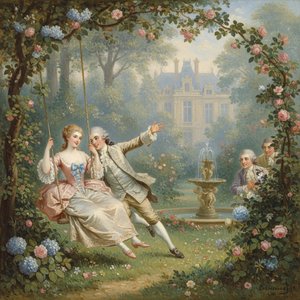
The Rococo Reverie of Fragonard: Love, Leisure & Pleasure in 18th-Century France
Explore the captivating world of Jean-Honoré Fragonard! Discover his Rococo masterpieces, intimate portraits & the allure of 18th-century French art. Learn about 'The Progress of Love' and more at OriginalUniqueArt.

The Soft Power of Pastel: A Connoisseur's Guide to History, Technique, and the Art of Texture
Explore the ethereal beauty of pastel art. From Renaissance origins to Impressionist mastery, discover the history, technique, and velvety textures that define this luminous medium in our expert guide for art connoisseurs.

The Subdued Radiance of Pastel: Exploring Nuance & Emotion in Art
Explore the nuanced world of pastel art! Discover its history, techniques & emotional power with expert insights from OriginalUniqueArt.com. Find museum-quality reproductions and learn about collecting this delicate medium.
Cultivating Paradise: A Historical & Artistic Exploration of Gardens in Painting
Explore the rich history of gardens in painting! Discover masterpieces from Renaissance to Impressionism & beyond. Learn about symbolism, artists like Monet & Klimt, and find your perfect artwork at OriginalUniqueArt.


