
 Náhľad v interiéri
 Odoslať ako digitálnu kartu
 Zdieľať
 Podrobnosti o dielo
 Príručka

 Stiahnuť obraz
 Podobné položky
 RTG skúška
 Prehliadanie diapozoje
 Otázky a odpovede
 Štatistiky
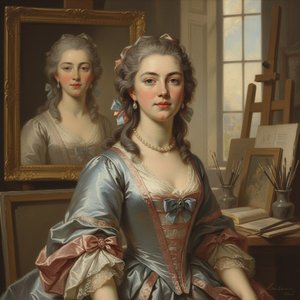
Self-Portrait

- 61.0 x 49.0 cm


 Zobraziť viac
Giclée / Umenotlač
Giclée tlač alebo plátno múzeálnej kvality s rýchlou výrobou a rôznymi možnosťami povrchovej úpravy. ( Kúpiť ručne maľovaný obraz Prepnúť na digitálny obraz)




P118B €10

P118H €10

P118W €10

P438Z €10

P508JH €12

P508YH €12

P805H €10

P805Z €10

P919BZ €10

P919G €10

P919XJ €10

P959ZH €10

P968JZ €12

W106C €8

W218G €10

W218JH €8

W218Y €10

W307PJ €10

W316G €10

W316PJ €8

W316Y €10

W398PJ €8

W4111J €10

W500HY €15

W500JH €15

W692G €12

W849H €8

W940BG €15

W953PJ €8




Vyberte si z našich preddefinovaných rozmerov, ktoré zodpovedajú pôvodným pomeroḿ diela.

Zadajte šírku a výšku, ktoré potrebujete, aby sa reprodukcia hodila k vášmu rámu alebo stene. Print možno len orezávať, nikdy však nemennú veľkosť zvětšiť oproti pôvodnému obrázku, preto pri inom formáte stráca časť obrazu. Pred samotným vytlačiacím procesom vám pošleme digitálny náhľad na schválenie. Obrázok zobrazený na tejto stránke nezobrazuje reálny rez — len digitálny náhľad ukazuje presný výsledok.
Celosvetová doprava () do 2 týždňov namiesto štandardných 4 až 5 týždňov. (16 november)

Bezplatná expresná doprava po celom svete

Vysokokvalitné lnianske plátno

Kompletné poistenie prepravy

Záruka vrátenia colného poplatku

Záruka presného farebného zhodnutia

100-dená politika vrátenia tovaru (iba pri vadách)

100% záruka vrátenia peňazí

Zľava pri väčšom množstve
 Možnosť skla je dostupná len pri rozmeroch pod 110 cm

Self-Portrait
Giclée / Umenotlač
Veľkosť reprodukcie
-


Celková cena
€ 72
Jean-Étienne Liotard’s “Self-Portrait,” A Window into Rococo Introspection
The year 1744 marks a pivotal moment in the artistic trajectory of Jean-Étienne Liotard, a Genevan painter whose oeuvre is defined by an exquisite blend of naturalism and ethereal beauty. His “Self-Portrait,” housed within the hallowed halls of the Uffizi Gallery in Florence, isn’t merely a depiction of a man; it's a carefully constructed meditation on identity, perception, and the delicate balance between the observed world and the inner self. Painted during his period in Rome, this pastel masterpiece exemplifies Liotard’s signature style – a luminous, almost dreamlike quality achieved through masterful layering and an unparalleled sensitivity to light and texture.
Liotard's technique is immediately striking. He eschews the rigid formality of traditional portraiture, opting instead for a relaxed pose and a gaze that feels both direct and contemplative. The pastel medium itself—a relatively new tool in 18th-century art—allowed Liotard to build up color with astonishing subtlety, creating an effect akin to sfumato, the hazy blurring technique perfected by Leonardo da Vinci. Notice how he employs delicate washes of pinks, blues, and greens to capture the nuances of light on his face and clothing, imbuing the portrait with a sense of atmospheric depth. The background, rendered in loose, impressionistic strokes, isn’t merely decorative; it subtly reinforces the feeling of introspection, suggesting an inner landscape mirroring the sitter's thoughts.
A Genevan Artist Embraces the Orient
Born in Geneva in 1702, Liotard’s early life was shaped by his Huguenot heritage and a rigorous artistic training under esteemed miniaturists. However, it was his sojourn to Constantinople between 1738 and 1742 that profoundly influenced his artistic vision. Immersed in the vibrant culture of the Ottoman Empire, he developed a fascination with Eastern aesthetics – particularly the use of rich colors, luxurious fabrics, and the portrayal of everyday life. This influence is subtly present in “Self-Portrait,” not through overt Orientalist tropes, but rather through the overall mood of serenity and an appreciation for tactile textures. The loose brushwork and soft color palette evoke a sense of exoticism without resorting to stereotypical imagery.
Interestingly, Liotard’s embrace of the East wasn't solely aesthetic; it was also deeply personal. He deliberately adopted Turkish dress in his portraits, a conscious decision that challenged European conventions and established him as a unique figure within the art world. This choice, documented in numerous accounts, reflected not just an artistic preference but a genuine engagement with a culture vastly different from his own. It’s a testament to Liotard's intellectual curiosity and willingness to transcend conventional boundaries.
Symbolism of Inner Reflection
Beyond its technical brilliance, “Self-Portrait” is rich in symbolic meaning. The sitter’s direct gaze invites the viewer into his world, fostering a sense of intimacy and shared contemplation. The slightly parted lips suggest a quiet amusement, while the subtle furrow of his brow hints at underlying thoughts and emotions. Some art historians have interpreted the portrait as an exploration of the concept of “inner space”—a realm where the self is revealed through careful observation and artistic representation.
The inclusion of a small, partially visible book in the foreground adds another layer of complexity. It’s a subtle nod to Liotard's own intellectual pursuits – his studies of art theory and his role as an art dealer. The book symbolizes knowledge, reflection, and the pursuit of understanding—qualities that are central to the portrait’s overall message. The soft lighting and hazy atmosphere further contribute to this sense of introspection, creating a space where the viewer is invited to contemplate not just the subject's appearance but also his inner world.
A Timeless Masterpiece for Collectors
Liotard’s “Self-Portrait” remains a captivating work of art, offering a rare glimpse into the mind and soul of a remarkable artist. Its delicate pastel technique, evocative atmosphere, and profound symbolism continue to resonate with viewers centuries after its creation. A high-quality reproduction captures much of this beauty, making it an ideal addition to any collection or interior space. The painting’s luminous quality and contemplative mood create a sense of serenity and intellectual engagement—a perfect choice for those seeking art that transcends mere decoration.
Otázky a odpovede
Akú náladu a emóciu vyjadruje „Self-Portrait“ od Jean-Étienne Liotard?
Zaznamenaná nálada diela „Self-Portrait“ od Jean-Étienne Liotard je Elegant a jeho emocionálny tón je Reflective.
Môžem si pomocou rozšírenej reality prezrieť „Self-Portrait“ od Jean-Étienne Liotard vo svojej miestnosti?
Stránka Náhľad v AR diela „Self-Portrait“ od Jean-Étienne Liotard využíva rozšírenú realitu na zobrazenie umelleckého diela vo vašom vlastnom priestore pomocou kompatibilného zariadenia.
Aká je dominantná farba diela „Self-Portrait“ od Jean-Étienne Liotard?
Najvýraznejšou farbou v diele „Self-Portrait“ je Clay (#a67555). Dominantná farba je užitočná pri prispôsobovaní umelackého diela interiéru.
Biografia umelca
Raný život, rodina a vzdelanie
Jean-Étienne Liotard sa narodil 22. decembra 1702 v Ženeve, v srdci Švajčiarska. Pochádil z rodiny francúzskych protestantov, ktorí hľadali bezpečie v Ženeve po tragických udalostiach roku 1685. Jeho príchod na svet sprevádzal dvojča, jeho brat Jean-Michel, ktorý si neskôr našiel vlastnú umeleckú cestu ako výtvarný umelec a rytinár. Toto rané prostredie, ovplyvnené migráciou jeho rodičov, mu poskytlo tichý a disciplinovaný základ pre roky intenzívneho štúdia, ktoré nasledovali.
Jeho formálne vzdelanie sa začalo v rodnej Ženeve pod prísnym dozorom profesorov Daniela Gardelleho a Petitota. Práve v týchto raných lekciách ovládol jemné a zložité techniky emailu a miniatúrnej maľby – disciplíny, ktoré si vyžadovali nesmiernu stabilitu ruky a bystré oko pre detail. Tieto formatívne roky upevnili technickú precíznosť, ktorá sa stala znakom jeho neskoršej tvorby, dávno predtým, než sa rozhodol hľadať širšie obzory za švajčiarskými hranicami.
V roku 1725 sa mladý umelec presťahoval do Paríža, aby pokračoval v svojom umeleckom vývoji. Trávil tri roky v ateliéri Jean-Baptiste Massé, čo bolo obdobie, ktoré bolo viac charakteristické skôr praktickou prácou než formálnym apprentíazom. Počas tohto času pracoval ako asistent a vytváral množstvo kópi existujúcich diel, aby si sám zabezpečil obživu. Táto praktická imersia v parížskej umeleckej scéne mu poskytla nevyhnutné prehľad o vtedajších vkusoch a trendoch, čím ho pripravila na putovanie, ktoré ho nakoniec priviedlo až k Osmanskej deťmi.
Život a pôsobenie v Konstantinopoli
Liotardov pobyt v Konstantinopoli, ktorý začal v roku 1738 a trval štyri roky, zásadne zmenil trajektóriu jeho umeleckej kariéry. Ponorený do fascinujúcej atmosféry Osmánskeho impéria si v sebe vyvolal hlbokú fascináciu východnou estetikou. Nešlo však o len povrchný záujem o to, čo bolo v tej dobe exotické; Liotard sa snažil hĺbkovo pochopiť textúry a farby kultúry, ktorá bola od jeho rodných genevských koreňov vzdialená celé stáročia. Jeho pozorovania boli nesmierne precízne, so zameraním na tichú vznešenosť domáceho života a špecifické detaily miestnych obyčajú.
Nenachal sa len pasívnym pozorovaním z okraja spoločnosti. Liotard sa plne stal súčasťou miestneho životného štýlu a v svojej každodennej existencii si občasne nosil turecké odevy. Táto jeho vernosť zvolenej obliekanej bola taká vyjadrivá, že si nakoniec získal prezývku „turecký maliar“. Integráciou do sociálnej tkane }ve mesta získal prístup k intímnym scenám, ktoré by náhodný cestovateľ pravdepodobne nikdy nevidel. Jeho pastelové štórie z tohto obdobia zachytávajú tieto domáce interiéry s pocitom autentickej prítomnosti, čím prekračujú povrchnosť, ktorou sa často vyznačovali vtedajšie orientalistické diela.
- Turkish Woman with a Tambourine (1738)
- A Turk Seated (okolo 1740)
Technika a umelecký štýl
Liotardov prístup k umeniu bol hlboko zakorenenný v prísnom záväzku k naturalizmu. Vo svojom traktáte, Traité des principes et des règles de la peinture, tvrdil, že poslaním maľby je pôsobiť ako zrkadlo prírody. Táto filozofia vodila jeho ruku či už pracoval s olejom, grafikou alebo svojím najcharakteristickejším médiom, pastelom. Snažil sa zachytiť svet s takou precíznosťou, ktorá sa vyhýbala umelosti, často nachádzanej v portrétnej maľbe jeho éry.
Jeho ovládanie pastelu mu umožnilo dosiahnuť luminovanciu, ktorú si len málo jeho súčasníkov dokázalo replikovať. Farbu na povrch len tak nevtieral; pastel na podklad silne tlačil, aby vybudoval hĺbku tónu. Táto technika si vyžadovala špecifickú prípravu materiálov. Často pracoval na vellu—teľacou, kozou alebo ovčacou kožu—ktorá bola ošetrená zmesou rybieho lepidla, vína a jemného pumexového prachu, aby vznikla potrebná textúra pre jeho vrstvenú aplikáciu farieb.
Tento technický detail sa prejavuje v jeho schopnosti vykresliť jemné textúry tecidoín a jemné odtlážky ľudskej pokožky. Jeho portréty sú známe svojou ohromujúcou detailnosťou, ktorá zachytáva špecifický charakter modela prostredníctvom delikatného ovládania svetla. Hoci mu cestovanie prinieslo exotické témy, jeho metóda zostala neochvejne zameraná na pravdivé pozorovanie jeho modelov.
Významné diela a majstrovské kusy
Rok 1744 sa ukázal ako zásadný pre jeho tvorbu, keď vznikla ikonická The Chocolate Girl a významný Self-Portrait. Tento druhý, ktorý sa dnes nachádza v galérii Galleria degli Uffizi vo Florencii, ponúka fascinujúci pohľad na jeho vlastnú identitu prostredníctvom pastelovej techniky. V tomto diele využíva materiál na budovanie farieb jemnou, vrstvenou technikou, ktorá dosahuje pocit atmosférickej hĺbky. Jeho schopnosť zachytiť nuansy svetla a textúry mu umožnila odklon od rigidnej formality, ktorou sa často vyznačovala tradičná portrétna maľba danej éry.
Jeho vzťah k intelektuálnym cirkulám Európy je zjavný v portréte Portrait of Francesco Algarotti, ktorý dokončil v roku 1745. Toto pastelové dielo zachytáva subjekt s plynulou, luministickou kvalitou a zdôrazňuje charakter filozofa prostredníctvom jemných tónových prechodov. Podobne jeho schopnosť vykresľovať mladistvé subjekty vidíme v diele Portrait of Maria Frederike van Reede-Athlone at Seven Years of Age, ktoré je uchovávané v J. Paul Getty Museum v Los Angeles. Tieto portréty demonštrujú schopnosť vyvážiť fyzicku podobu s hlbokým pocitom prítomnosti modela.
V neskorších etapách svojej kariéry sa jeho záujmy rozšírili aj na krajinárstvo jeho rodenej krajiny. V roku 1770 vytvoril View of the Mont Blanc massif from the artist's studio in Geneva, with self-portrait. Tento olej na plátne zachytáva výhľad na Švajčiarske Alpy cez veľké okno a spája vonkajšiu veľkolebosť hôr s tichým, vnútorným priestorom jeho štúdia. Dielo ostáva významným príkladom jeho schopnosti prepojiť realizmus s jemným, takmer impresionistickým prístupom k svetlu a vzdialenosti.
Neskoršie roky a smrť
Posledné desaťročie Liotardova života bolo poznačené prechodom od pozorovacej precíznosti jeho raných rokov k hlbšiemu, teoretickému venovaniu sa svojmu remeslu. V roku 1781 vydal svoj traktát, Traité des Principes et règles de la Peinture, dielo, ktoré sa snažilo kodifikovať podstatné štandardy jeho profesie. Táto publikácia odzrkadľovala celý životný proces technického skúmania, pričom sa presunula od pouhého napodobňovania formy k riešeniu fundamentálnych princípov daného média.
Aj keď sa jeho záujmy orientovali smerom k intelektuálnym základom umenia, jeho ruka zostala v ateliéri stále aktívna. Neopustil fyzický akt tvorby a v neskorších rokoch pokračoval v vytváraní záložných noriek a krajin. Tieto neskoršie diela, často zamerané na pokoj prírody alebo kompozičné usporiadanie predmetov, poskytovali stály prínos vedľa jeho známejších portrétov. Do úplného konca zostal mužom ateliéra.
Liotard sa nakoniec vrátil k svojim koreňom do Ženevy, mesta, kde sa narodil ako syn kupca Antoiny a Anne Sauvage. V tejto známej krajine zostal až do svojej smrti 12. júna 1789. Jeho odchod nastal na prahu meniacej sa éry, pričom za sebou zanechal bohatý dorast diel, ktoré premostili priepast medzi precíznou detailnosťou raného eighteenth. storočia a meniace sa umelecké vkusy neskorného osvietenstva.
Kde dnes obdiviť jeho diela
Rozptýlenosť Liotardovej tvorby po celej Európe a aj mimo nej umožňuje štúdiu jeho technickej precíznosti z rôznych perspektív. V Amsterdame si Rijksmuseum uchováva najvýznamnejšiu reprezentáciu jeho umeleckého výstupov, kde thirteen diel odzvedá jeho neskutočnú ovládanie médiom. V Londýne zase Kráľovská kolekcia uchráva desať diel, ktoré nám ponúkajú fascinujúci pohľad na portréty, ktoré kedysi kolovali medzi britskou elitou. Pre tých, ktorí hľadajú jeho intímnejšie umelecké skúmania, je tu Musée d'Art et d'Histoire v Ženeve, ktoré poh ospieva významnú kolekciu jeho pasteliek a kresieb.
Jeho prítomnosť v najväčších medzinárodných inštitúciách zostáva neochvakiteľná. J. Paul Getty Museum v Los Angeles uchráva štyri jeho diela, zatiaľ čo Galéria Uffizi vo Florencii si ponecháva jeho Autoportrét z roku 1744. Tieto dziela, roztrúsené od švajčiarskych Álp až po Stredozemné more, tvoria fyzickú mapu života zasvedeného do neustáleho pohybu medzi centrami európskej a osmanskej kultúry.
- 1744: Autoportrét - Galleria degli Uffizi, Florencia
- 1744: Čokoládová dievka - Gemäldegalerie, Drážďany
- 1754: Portrét princeja Edwarda, vojvody z Yorku a Albany - Kráľovská kolekcia, Londýn
- 1756: Portrét Marie Frederike van Reede-Athlone v siedmych rokoch - J. Paul Getty Museum, Los Angeles

Jean-Étienne Liotard
1702 - 1789 , Švajčiarsko
Základné informácie
- Artists Who Influenced This Artist:
- Daniel Gardelle
- Petitot
- Jean-Baptiste Massé
- François Lemoyne
- Date Of Birth: 1702
- Date Of Death: 1789
- Full Name: Jean-Étienne Liotard
- Nationality: Švajčiarska
- Notable Artworks:
- Dutch girl at breakfast
- La liseuse
- The chocolate girl
- La belle lyonnaise
- Maria frederike van reede-athlone at seven
- Place Of Birth: Ženeva, Švajčiarsko
Súvisiace články

The Introspective Gaze: Tracing the Evolution and Psychological Depth of the Self-Portrait
Explore the psychological evolution of self-portraiture from Dürer to modern masters. Trace the history of the human gaze with us.
Jean-Étienne Liotard: Rococo Portraiture & the Pursuit of Naturalism
Explore the exquisite Rococo portraits of Jean-Étienne Liotard, a master of pastel and enamel. Discover his innovative techniques, captivating Turkish scenes, and lasting influence on art history. Learn more at OriginalUniqueArt.

Jean-Marc Nattier: Rococo Portraiture & Aristocratic Patronage
Explore the exquisite Rococo portraits of Jean-Marc Nattier, favored by French aristocracy. Discover his artistic techniques, patronage network, and lasting legacy – a guide for discerning collectors.

Beyond Decor: How Custom Historical Portraits Redefine Modern Self-Expression
Discover how custom historical portraits transcend decor to become profound expressions of identity. Explore the artistry of bespoke oil reproductions, from Renaissance mastery to modern reimagining, and learn to transform personal legacies into museum-quality fine art masterpieces.

25 Iconic Masterpieces by Henri de Toulouse-Lautrec: Capturing the Spirit of Montmartre
Step into the vibrant nightlife of Montmartre with our curated guide to the top 25 Henri de Toulouse-Lautrec masterpieces. Explore the soul of Post-Impressionism through iconic prints and museum-quality reproductions. Discover all masterpieces on OriginalUniqueArt.com.
