
 Odoslať
 Zdieľať
 Podrobnosti
 Príručka

 Stiahnuť
 Podobné položky
 Prehliadanie diapo\]
 Štatistiky
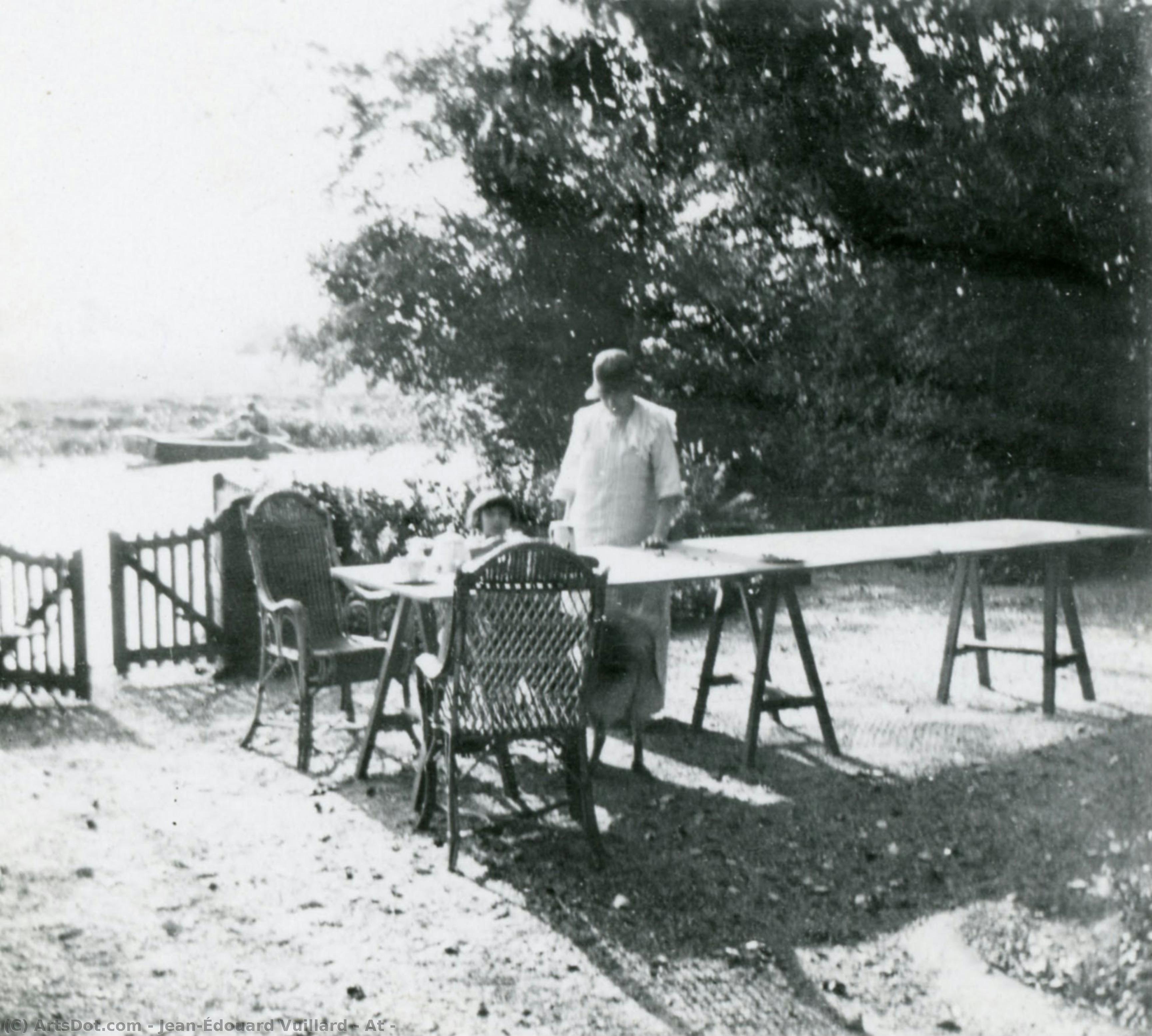
At
 Black and White Photography
- Photo
- Post-Impressionism
 1913
1913- Modern
 8.0 x 8.0 cm
 Musée des impressionnismes Giverny
 Prečítať si viac
Giclée / Umenotlač
Giclée tlač alebo plátno múzeálnej kvality s rýchlou výrobou a rôznymi možnosťami povrchovej úpravy. ( Objednať ručne maľovanú reprodukciu Prepnúť na digitálnu verziu obrazu)




































Vyberte si z našich preddefinovaných rozmerov, ktoré zodpovedajú pôvodným pomeroḿ diela.

Zadajte šírku a výšku, ktoré potrebujete, aby sa reprodukcia hodila k vášmu rámu alebo stene. Print možno len orezávať, nikdy však nemennú veľkosť zvětšiť oproti pôvodnému obrázku, preto pri inom formáte stráca časť obrazu. Pred samotným vytlačiacím procesom vám pošleme digitálny náhľad na schválenie. Obrázok zobrazený na tejto stránke nezobrazuje reálny rez — len digitálny náhľad ukazuje presný výsledok.
Celosvetová doprava () do 2 týždňov namiesto štandardných 4 až 5 týždňov. (26 október)

Bezplatná expresná doprava po celom svete

Vysokokvalitné lnianske plátno

Úplné poistenie prepravy

Záruka vrátenia colného poplatku

Záruka presného farebného zhodnutia

100-dená politika vrátenia tovaru (iba pri vadách)

100% záruka vrátenia peňazí

Ponuka množstevnej zľavy
 Možnosť skla je dostupná len pri rozmeroch pod 110 cm

At
Giclée / Umenotlač
Veľkosť reprodukcie
-


Celková cena
€ 70
A Moment Frozen in Time: The Quiet Allure of Vuillard’s “At”
In the delicate tapestry of early 20th-century art, few works capture the ephemeral essence of a passing second as poignantly as Jean Vuillard’s 1913 masterpiece, “At.” This evocative scene serves as much more than a mere depiction of an outdoor gathering; it is a profound distillation of Impressionistic ideals filtered through the intimate, decorative lens of the Nabis movement. To gaze upon this work is to step into a world where time slows down, inviting the viewer to inhabit a space of quiet contemplation and subtle emotional resonance. The composition centers around a solitary figure seated at a table beneath an overcast sky, surrounded by the silent presence of empty chairs that suggest both companionship and the lingering traces of a shared moment.
The atmosphere is one of profound serenity, established through a masterful use of landscape and setting. Lush foliage frames the scene, hinting at a lakeside or coastal retreat where the air is still and the world feels momentarily paused. This deliberate choice of environment echoes the tranquil, pastoral landscapes favored by Vuillard’s contemporaries, yet he imbues it with a unique, psychological depth. There is a sense of domesticity brought into the wild, an intimate pocket of human existence carved out from the vastness of nature, making the piece particularly captivating for those who seek art that offers a sanctuary of peace within the home.
Technique and the Language of Color
Vuillard’s technical prowess is on full display through his signature approach to form and surface. Influenced heavily by the flattened perspectives of Japanese woodblock prints, the artist eschews traditional academic realism in favor of a more modern, sensory experience. He utilizes flattened planes of color and loose, rhythmic brushstrokes to build a sense of texture and movement. While the historical photograph of this work presents a monochrome view, the original artistic vision is rooted in the Nabis' revolutionary use of color to convey feeling rather than mere fact.
The composition is a sophisticated dance of lines and shapes. Strong horizontal planes, established by the table’s surface and the distant horizon, provide a grounding stability to the piece, while vertical elements like the chairs and trees create a rhythmic structure. These geometric foundations are softened by the organic, flowing shapes of the foliage and the human figures, creating a balanced tension between order and nature. For the discerning collector or interior designer, this interplay of structure and softness makes the artwork an incredibly versatile element, capable of anchoring a room with its classical weight while adding a layer of organic grace.
Historical Significance and Emotional Resonance
Created during a period of immense artistic upheaval in Europe, “At” stands as a pivotal contribution to the development of modern art. It reflects the burgeoning interest in abstraction and the rejection of rigid representational styles that defined the early 1900s. As a prominent member of Les Nabis, Vuillard helped bridge the gap between the fleeting light of Impressionism and the structured symbolism of the coming decades. His ability to transform an ordinary, everyday moment into something deeply symbolic—where a seated man might represent focused introspection or the quietude of the soul—is what gives this work its enduring power.
For those looking to bring a piece of art history into their personal spaces, a high-quality reproduction of “At” offers more than just aesthetic beauty; it offers an emotional connection to a bygone era. The painting evokes a sense of nostalgia and a longing for the stillness that is so often lost in our modern, frenetic lives. It is a piece designed for deep looking, rewarding the viewer with new layers of meaning and texture upon every encounter, making it an exquisite choice for any curated collection or thoughtfully designed interior.
Otázky a odpovede
Aké sýte farby má dielo „At“?
Farba diela „At“ má úroveň saturácie Muted a intenzitu Monochromatic.
Ako sa vzájomne dopĺňajú farby diela „At“?
Farby diela „At“ od Jean-Édouard Vuillard vykazujú Strong Color Unity harmóniu. Harmónia popisuje vzájomný vzťah medzi farbami.
Do ktorej miestnosti sa odporúča „At“ od Jean-Édouard Vuillard?
Dla diela „At“ od Jean-Édouard Vuillard sa odporúča Living Room. Toto odporúčanie vychádza z témy, farebnej skladby a nálady daného diela.
Biografia umelca
**Život a umelecké začiatky**
Jean-Édouard Vuillard, francúzsky malár, dekoratívny umelec a maľoliebok, sa narodil 11. novembra 1868 v Cuiseaux, Francúzsko. Jeho životná práca neskôr stála za základom avantgárdového umeleckého kruhu Les Nabis, spolu s ďalšími vizionármami ako Maurice Denis a Édouard Vuillard. Tento kolektív priniesol do sveta umenia revolúciu prostredníctvom ich inovatívneho prístupu k farbe a forme. Vuillard bol známy svojím schopnosťou zachytiť jemné emócie a atmosféru, často v intímných interiérových scénoch. Les Nabis sa vyznačovali presvedčením, že umenie je syntézom symbolov a metafor, zjavujúcich sa v každodennom živote, ovplyvnený filozofiou pozitivizmu a myšlienkami augusta Comta a Hippolyte Taine.**Les Nabis a ich vplyv**
Ako významný člen Les Nabis, Vuillardho maľby spájali čisté farebné plochy, inšpirované japonskými rytinami. Jeho interiérové scény skúmali priestorovú efektivitu znížených plôch farieb, vzoru a formy. Tento prístup viedol k rozvoju kubizmu, fauvismu a abstraktnej maľby. Les Nabis, skupina mladých francúzskych umelcov aktívnych v Paríži od roku 1888 do roku 1900, zohrávala významnú úlohu pri prelome medzi impresionizmom a akademickým umením a moderným umením. Ich filozofia bola založená na pozitivistických princípoch a myšlienkach Tainea. Vuillardho prácu ovplyvnila inšpirácia japonskými rytinami, ktoré boli vtedy populárne v Európe.**Poznesšia tvorba a dedičstvo**
Po roku 1900, kedy Les Nabis zanikli, Vuillard sa vrátil k realistickejšiemu štýlu, pričom krajiny a interiéry zobrazoval s väčším detailom a živými farbami. V 20. a 30. rokoch 20. storočia maľoval portréty významných osobností francúzskej priemyselnej a umeleckej scény v ich obvyklých prostrediach. Vuillardho tvorba sa vyznačuje schopnosťou zachytiť jemné nuansy moderného života, často v kombinácii s rodinnými, priateľskými a spoločenskými postavami. Jeho diela sú známe svojou subtilnou atmosférou a zmyslom pre detail.**Kľúčové diela a výstavy**
Diely Jean-Édouarda Vuillardho možno nájsť v rôznych múzeách, vrátane Musée de la Révolution Française (Francúzsko), kde sa nachádza bohatá zbierka umeleckých diel, dokumentov a artefaktov spojených s revolučnou érou. Jeho diela, ako napríklad "La Patrie en Danger" od Guillaumea Lethièreho a "Jean de la Barre" od Jean Cloueta, zobrazujú mladého muža popraveného za bluždiaciu trestnú činnosť počas starého režimu. Poznesnejšia tvorba Vuillardha, vrátane portrétov francúzskej priemyselnej a umeleckej scény, sa nachádza v galériách po celom Francúzsku.**Záver**
Jean-Édouard Vuillard je jedným z najvýznamnejších umelcov 20. storočia. Jeho diela, charakterizované inovatívnym prístupom k farbe a forme, majú trvalý vplyv na svet umenia. Ako pionier modernizmu, jeho tvorba inšpiruje umelcov po celom svete. Pozrite sa na ďalšie diela Jean-Édouarda Vuillardha a objavte jeho fascinujúci svet na OriginalUniqueArt.com.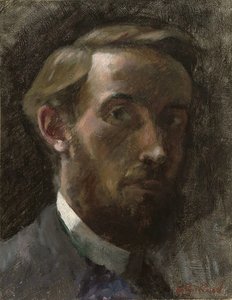
Jean-Édouard Vuillard
1868 - 1940 , Francúzsko
Rýchle fakty
- Artistic Movement Or Style: Nabis
- Artists Or Movements Influenced By This Artist:
- Cubism
- Fauvism
- Artists Who Influenced This Artist: ['Paul Gauguin']
- Date Of Birth: 11. novembra 1868
- Date Of Death: 21. júna 1940
- Full Name: Jean-Édouard Vuillard
- Nationality: Francúzsky
- Notable Artworks:
- Woman Sweeping
- Sunlit Interior
- Place Of Birth: Cuiseaux, Francúzsko
Súvisiace články

Intimate Interiors & Poetic Ambiguity: Exploring the Vision of Jean-Édouard Vuillard
Discover the captivating world of Jean-Édouard Vuillard, a key figure of the Nabis movement. Explore his intimate interiors, unique style & lasting influence on modern art. Learn more at OriginalUniqueArt.
The Interior Gaze: Exploring Representations of Domestic Space in Art History
Explore the fascinating history of domestic interiors in art! From Dutch Masters to Impressionism, discover how artists captured home life & social meaning. Expert analysis and insights at OriginalUniqueArt.

Impresionizmus: Top 10 diel, ktoré definovali revolúciu v umení | OriginalUniqueArt
Ponorte sa do sveta impresionizmu s top 10 dielami od Monet, Renoir a ďalších majstrov. Objavte príbehy, techniky a farebnú krásu tohto revolučného umenia na OriginalUniqueArt.com. Reprodukcie obrazov pre váš domov.

Intimate Interiors: Domestic Life & Artistic Representation from Renaissance to Impressionism
Explore the evolution of domestic life in Western art from the Renaissance to Impressionism. Discover symbolism, realism & artistic techniques shaping intimate interior scenes. Learn more with OriginalUniqueArt.
Jean-Georges Béraud: Capturing Parisian Life in the Belle Époque
Explore the captivating world of Jean-Georges Béraud, master painter of Belle Époque Paris. Discover his iconic scenes, artistic evolution, and social commentary. A deep dive into 19th-century French art.


