

 Zobraziť v interiéri
 Odoslať
 Zdieľať
 Podrobnosti
 Príručka

 Stiahnuť
 Podobné položky
 RTG skúška
 Prehliadanie diapo\]
 Štatistiky
Landscape
 Oil On Canvas
- WallArt
- Rococo
 Early Modern
 56.0 x 76.0 cm
 Museo del Prado
 Prečítať si viac
Giclée / Umenotlač
Giclée tlač alebo plátno múzeálnej kvality s rýchlou výrobou a rôznymi možnosťami povrchovej úpravy. ( Objednať ručne maľovanú reprodukciu Prepnúť na digitálnu verziu obrazu)




P118B €10

P118H €10

P118W €10

P438Z €10

P508JH €12

P508YH €12

P805H €10

P805Z €10

P919BZ €10

P919G €10

P919XJ €10

P959ZH €10

P968JZ €12

W106C €8

W218G €10

W218JH €8

W218Y €10

W307PJ €10

W316G €10

W316PJ €8

W316Y €10

W398PJ €8

W4111J €10

W500HY €15

W500JH €15

W692G €12

W849H €8

W940BG €15

W953PJ €8




Vyberte si z našich preddefinovaných rozmerov, ktoré zodpovedajú pôvodným pomeroḿ diela.

Zadajte šírku a výšku, ktoré potrebujete, aby sa reprodukcia hodila k vášmu rámu alebo stene. Print možno len orezávať, nikdy však nemennú veľkosť zvětšiť oproti pôvodnému obrázku, preto pri inom formáte stráca časť obrazu. Pred samotným vytlačiacím procesom vám pošleme digitálny náhľad na schválenie. Obrázok zobrazený na tejto stránke nezobrazuje reálny rez — len digitálny náhľad ukazuje presný výsledok.
Celosvetová doprava () do 2 týždňov namiesto štandardných 4 až 5 týždňov. (24 október)

Bezplatná expresná doprava po celom svete

Vysokokvalitné lnianske plátno

Úplné poistenie prepravy

Záruka vrátenia colného poplatku

Záruka presného farebného zhodnutia

100-dená politika vrátenia tovaru (iba pri vadách)

100% záruka vrátenia peňazí

Ponuka množstevnej zľavy
 Možnosť skla je dostupná len pri rozmeroch pod 110 cm

Landscape
Giclée / Umenotlač
Veľkosť reprodukcie
-


Celková cena
€ 70
A Serene Escape into the Rococo Dream
In this exquisite landscape by Jean-Baptiste Pillement, the viewer is invited to step into a world of effortless grace and pastoral tranquility. The scene unfolds as a masterclass in the Rococo aesthetic, where the boundaries between nature and artifice dissolve into a harmonious dance of light and form. At the heart of the composition, three figures rest upon rugged, textured rocks near the edge of a shimmering body of water, their presence suggesting a moment of quiet intimacy and leisurely repose. The landscape is not merely a backdrop but a living, breathing entity; fallen tree trunks and scattered branches in the foreground lend a sense of organic realism, hinting at the untamed beauty of a forest that has recently weathered a gentle storm. This delicate balance between the wildness of nature and the refined elegance of human presence creates a narrative of peace, inviting anyone who gazes upon it to pause and breathe in the stillness of an idealized era.
The technical mastery of Pillement is evident in every brushstroke, particularly in his ability to manipulate light and shadow to bestow a three-dimensional vitality upon the canvas. The middle ground is anchored by a dense, lush cluster of trees, where the artist’s skill shines through the intricate depiction of foliage catching the soft, filtered sunlight. This verdant richness provides a stunning contrast to the expansive, airy sky above, which is adorned with weightless, fluffy white clouds drifting across a brilliant blue expanse. Executed in oil on canvas, the painting possesses a luminous depth; the rich pigments and fine details allow the textures of stone, bark, and leaf to feel tactile and real.
The Artistry of Light and Atmosphere
Beyond its visual splendor, the artwork carries a profound emotional resonance. The use of light and shadow creates a three-dimensional effect, making the figures appear almost lifelike against the backdrop of nature. This interplay of color and light offers a sophisticated window into a more graceful age, where the atmosphere is one of leisurely enjoyment and natural beauty. For the discerning collector or interior designer, this piece offers a captivating way to breathe life into any room, serving as a focal point that evokes the Chinoiserie and Exotisme influences that defined the era.
The composition is thoughtfully structured to guide the eye through a journey of discovery:
- The Foreground: A textured terrain of rocks and fallen branches that grounds the viewer in a sense of organic reality.
- The Middle Ground: A lush, verdant cluster of trees that showcases Pillement's ability to capture the play of light on foliage.
- The Background: Rolling hills under an expansive, clear blue sky, providing a sense of openness and infinite freedom.
Ultimately, this landscape is more than a mere depiction of scenery; it is a poeticized vision of peace. It captures a tranquil moment where the world feels balanced, inviting the observer to lose themselves in the soft, filtered sunlight and the gentle, rhythmic beauty of the Rococo spirit.
Otázky a odpovede
O čom je dielo "Landscape"?
„Landscape“ od Jean-Baptiste Pillement zobrazuje: landscape, rococo, nature, figures, river, serene, trees.
Zobrazuje "Landscape" silné svetlo-tmavé kontrasty?
Úroveň kontrastu diela „Landscape“ od Jean-Baptiste Pillement je Statement.
Má dielo „Landscape“ náhľad v rozšírenej realite?
K dielu „Landscape“ je k dispozícii náhľad v rozšírenej realite: stránka AR náhľad pre tento kus umenia vám umožní zobraziť si ho vo vašom vlastnom priestore pomocou kompatibilného zariadenia.
Biografia umelca
Obajavené ríše Jean-Baptiste Pillement
V zlatých sutomách 18. storočia malo len málo umelcov schopnosť preziať diváka do sveta takého snovitého a exotického, akým bol svet Jean-Baptiste Pillement. Pillement, narodený v Nîmes v roku 1728, sa neobjavil len ako maliar, ale ako majster atmosféry, ktorý preplietal jemnú eleganciozn štýlu rokoka s hlbokou fascináciou vzdialeným a neznámo.
Hoci jeho rané roky zostávajú čiastočne skryté v hmle histórie, jeho vzostup vo francúzskej umeleckej hierarchii bol ničím menšom než meteoretický. Vďaka dôslednej príprave pod ctiteľným Jean-Baptiste Huet si osvojil jemné nuans vodohraď, médiá, ktoré mu umožnilo zachytiť éterické svetlo a živé pigmenty potrebné na oživnutie jeho fantastických vizí.
Pillementovo dielo slúži ako okno do pohybov Chinoiserie a Exotisme, ktoré očarovali francúzsku aristokraciu. Na rozdiel od traditionalistov jeho éry, ktorí hľadali útechu v klasických rímskych ruinách alebo smutných historických portrétoch, Pillement sa pozeral k horizontu. Jeho cesty cez Taliansko a jeho hlboká angažovanosť v perských motívoch mu umožnili vytvárať krajiny, ktoré pôsobili zároveň bujne aj nepochopiteľne iným svitom. V jeho rukách bola prírodná verdená preobrazená; vysoké palmy, hadovité rieky a nádherne piernaté vtáky sa stali protagonistami tichej, krásnej drámy. Táto ovládnutie exotiky z neho urobilo neoddeliteľnú postavu na dvoroch Ľudoví XV. a
Technika, vplyv a duch rokoka
Brillancia Pillementovej techniky spočíva v jeho schopnosti vyvážiť presnosť s jemným, éterickým žiarivým lčením. Využíval jemnú techniku sfumato – majstrovské prechádzanie tónov prostredníctvom dôsledného vrstvenia – ktorá jeho krajinám dodala takmer translucentný charakter. Tento prístup mu umožnil vyvolať atmosférickú hĺbku majstrov ako Claude Lorrain, no zároveň do týchto klasických základos}\,\v infusion unikátnej rozprávkovej energie. Jeho kompozície nikdy neboli statické; pulzovali rytmickou vitalitou, ktorú často charakterizovali:
- Zložité botanické detaily: hlboký súraz s flórou, ktorý pôsobil zároveň vedecky inšpirovaným aj mýticko pozdvihnutým.
- Chromatická živosť: použitie odvážnych, sýtych farieb na znázornenie bujnosti tropického a orientálneho prostredia.
- Dekoratívna fluidita: schopnosť premostiť medzeru medzi vysokým umením a dekoratívnym dizajnom, vďaka čomu bolo jeho dielo rovnako prirodzené na plátne ako v rámci opulentnej interiérovej fresky.
Jeho štylistická evolúcia bola hlboko formovaná objavovateľskými prísme umelcov ako Nicolas Pocock a Gaspar Pérégrine Rigaud. Absorbovaním ich prístupov k krajine a svetlu dokázal Pillement vypracovať vlastnú estetiku, ktorá pôsobila zakoreneno v európskej tradícii, no zároveň divoko dobrodružne. Jeho vplyv presiahol daleko za hranice plátna, keďže jeho návrhy prenikli samotnú štruktúru francúzskeho dekoratívneho umenia, od vzorov na tapetách až po motívy na porceláni.
Trvalé oddedičenie v dejinách umenia
Historický význam Jean-Baptiste Pillementa nemožno prehodnotiť, najmä vzhľadom na jeho úlohu pri definovaní vizuálneho jazyka luxusu neskorého 18. storočia. Jeho prestížne zakázky, najmä dychberúce murály zdobiace Château de Fontainebleau a Petit Trianon, stoja ako dôkazy jeho statusu obľjubenca francúzskeho panovníka. Tieto diela neboli len dekoráciami; boli to imerzívne prostredia, ktoré pomohla definovať estetickú identitu celej éry.
Keď sa svet umenia presúval z hravého exuberancie rokoka smerom k vytrklienutej disciplíne neoklasicizmu, Pillementovo dielo zostalo vzácnym mostom medzi týmito dvoma svetmi. Zanechal po sebe oddedičenie údivu, pripomínajúc budúcným generáciám, že umenie má jedinečnú moc prekračovať geografické hranice a prenášať ľudskú dušu do krajín nekonečnej krásy a tajomstva. Dnes je jeho meno synonymom pre vyvrátenú eleganciu, exotiku a večnú šarm francúzskeho rokoka.

Jean-Baptiste Pillement
1728 - 1808
Rýchle fakty
- Artistic Movement Or Style: Rokoko a Neoklasicizmus
- Artists Who Influenced This Artist:
- François Boucher
- Jean-Honoré Fragonard
- Date Of Birth: 1728
- Full Name: Jean-Baptiste Pillement
- Nationality: Francúzska
- Notable Artworks:
- Chinois pêchant à la ligne
- Bez názvu (AQQNCU)
- Horinatá krajina
- Place Of Birth: Nîmes, Francúzsko
Súvisiace články
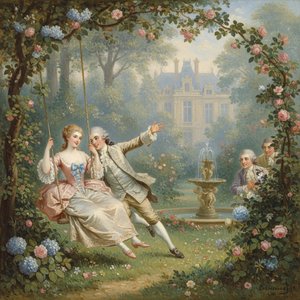
The Rococo Reverie of Fragonard: Love, Leisure & Pleasure in 18th-Century France
Explore the captivating world of Jean-Honoré Fragonard! Discover his Rococo masterpieces, intimate portraits & the allure of 18th-century French art. Learn about 'The Progress of Love' and more at OriginalUniqueArt.
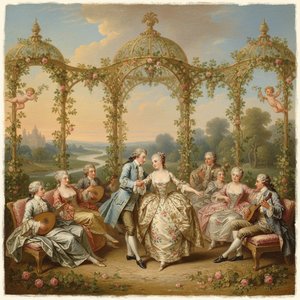
Jean-Baptiste Pater: Rococo Charm & Ephemeral Beauty of 18th-Century France
Explore the captivating world of Jean-Baptiste Pater, a master of Rococo painting. Discover his elegant *fête galante* scenes and shimmering portraits – a glimpse into 18th-century French aristocracy. Learn about his legacy & find high-quality reproductions.

The Rococo Aesthetic: Opulence, Rebellion & the Pursuit of Pleasure in 18th-Century Art
Explore the opulent world of Rococo art! Discover its origins, key artists like Watteau & Boucher, and lasting influence on design. Expert insights for collectors & enthusiasts.

Top 10 majstrovských diel rokokového umenia pre váš domov | OriginalUniqueArt.com
Ponorte sa do sveta rokokového umenia! Objavte top 10 majstrovských diel od Watteaua, Bouchera a ďalších. Luxusné reprodukcie obrazov pre váš domov na OriginalUniqueArt.com – inšpirujte sa pastelovými farbami a elegantnou výzdobou.
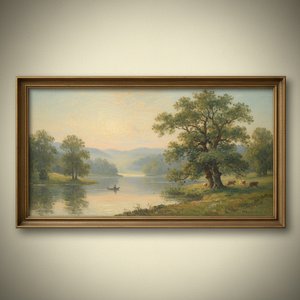
Master of Light: Exploring the Timeless Landscapes and Atmospheric Brilliance of Jean-Baptiste-Camille Corot
Discover the ethereal beauty of Jean-Baptiste-Camille Corot. Explore how this master of light bridged Neoclassicism and Impressionism through his atmospheric landscapes, capturing the timeless essence of the French countryside with unparalleled poetic brilliance.