Náhľad
 Odoslať
 Zdieľať
 Podrobnosti o dielo

 Stiahnuť
 Podobné diela
 RTG skúška
 Prezentácia
 Štatistiky
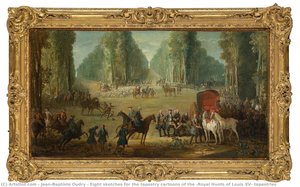
Men Attacking Wolves

 Zobraziť viac
Ručne maľovaná olejová reprodukcia
Ručne maľovaný olej na plátne vo vašej zvolenej veľkosti a v ráme, vyrobený na mieru našimi umelcami. ( Prepnúť na tlač Prepnúť na digitálny obraz)




































Vyberte si z našich preddefinovaných rozmerov, ktoré zodpovedajú pôvodným pomeroḿ diela.

Môžete zadať vlastné rozmery tak, aby sa hodili do konkrétneho rámu alebo priestoru. Ak sa váš zvolený rozmer nezhoduje s pôvodnými proporciami obrazu, dielo buď orezáme, alebo ho doplníme ručne maľovanými prvkami. Pred začiatkom výroby vám zašleme digitálny náhľad na schválenie.
Upozorňujeme, že ukážka na obrazovke neodráža skutočné orezanie alebo doplnenie. Skutočnú finálnu kompozíciu zobrazuje iba digitálny náhľad.
Hoci sú k dispozícii vlastné rozmery, odporúčame vybrať rozmer z preddefinovaného zoznamu, aby sme zachovali pôvodné proporcie.
Po odoslaní objednávky vám tím OriginalUniqueArt.com pošle e-mail s pokynmi a poskytne náhľad na návrh.
Celosvetová doprava () za 3 až 4 týždne namiesto štandardných 5 týždňov. (12 september). Bez kompromisov v kvalite.

Bezplatná expresná doprava po celom svete

Prémiové lnianske plátno

Kompletné poistenie prepravy

Záruka vrátenia colného poplatku

Záruka presného farebného zhodnutia

100-dená politika vrátenia tovaru (iba pri vadách)

100% záruka vrátenia peňazí

Výhodná množstevná zľava
 Možnosť skla je dostupná len pri rozmeroch pod 110 cm

Men Attacking Wolves
Technika reprodukcie
Veľkosť reprodukcie
-


Celková cena za vybrané možnosti
$ 325
Biografia umelca
Jean-Baptiste Oudry: Život v umení
Raný život a vzdelanie
- Narodený: 17. marca 1686, Paríž, Francúzsko.
- Oudry pochádzal z umeleckej rodiny; jeho otec, Jacques Oudry, bol maliar a obchodník s umením. Jeho matka, Nicole Papillon, bola blízko prepojená s významným rytečom Jean-Baptiste-Michelom Papillonom.
- Svoju umeleckú cestu začal v Académie de Saint-Luc, kde sa v období od roku 1707 do 1712 učil pod vedením Nicolasa de Largillièreho. Toto základné obdobie formovalo jeho rané schopnosti v oblasti portrétnej tvorby a pozorného pozorovania prírody.
- V rámci akademického prostredia sa rýchlo presadil, pričom v roku 1714 sa stal asistentom profesorom na Académie de Saint-Luc a už do roku 1717 získal titul plného profesora.
Umelecký rozvoj a štýl
- Hoci sa jeho pôvodná zameranie sústredilo na portrétnu maľbu, Oudry postupne rozširoval svoj repertár o záložné maľby, najmä venované ovociu a zvieratám, ako aj o náboženské témy.
- Oudryho nesmierna pozornosť k detailu a schopnosť zachytiť textúru srsti či charakteristické rysy zvierat sa stali neoddeliteľnými znakmi jeho tvorby.
- Prejavil majstrovstvo nielen v oblasti maľby, ale aj v dizajne, čím dokázal plynule prechádzať medzi tvorbou obrazov na plátne a návrhom pre tapisérie.
Hlavné úspechy a významné diela
- Pastoralné zábavy (Les Amusements Champêtres): Séria tapisérií navrhnutých pre Kráľovskú manufaktúru Beauvais, ktorá predstavuje idylické scény zo sirsého života a lovu.
- Ľudovít XV. loví jelenia v lese Saint-Germain (1730): Tento obraz upevnil Oudryho reputáciu ako oficiálneho maliara kráľovského lovu. Je dokonalým príkladom jeho schopnosti vykresliť veľkoleposť lovu aj krásu prírodného prostredia.
- Kráľovské lovy Ľudovíta XV. (Chasses Royales Gobelins): Sériu návrhov na tapisérie pre manufaktúru Gobelins, ktorá ešte viac upevnila jeho postavenie ako významného dizajnéra tkanín.
- Početné portréty lovenej koristi na objednávku kráľa Ľudovíta XV., ktoré demonštrujú jeho hlboké znalosti zverincovej anatomie a kompozície záložných málieb.
Vplyvy a odkaz
- Ovplyvnený: Nicolas de Largillière zohral kľúčovú úlohu v Oudryho ranom umeleckom vývoji, pričom mu poskytol základný výcvik v portrétnej technike.
- Oudryho tvorba mala hlboký vplyv na nasledujúce generácie maliarov zvierat a dizajnérov tapisérií. Jeho naturalistický štýl a precíznosť nastavili nový štandard pre znázorňovanie divokej prírody.
- Významne prisojal k rozkvetu dekoratívneho umenia francúzskeho dvora, vytvárajúc luxusné tapisérie, ktoré zdobili kráľovské rezidencie.
Historický význam
- Oudryho diela poskytujú cenný pohľad do aristokratického života 18. storočia a na dôležitú úlohu lovu ako znamenia prestíže francúzskej šľachty.
- Jeho tapisérie sú považované za majstrovské diela francúzskeho dekoratívneho umenia, ktoré svedčia o technickej zdatnosti a umeleckej kreativite danej epochy.
- Získal prestížne postavenia v Académie Royale de Peinture et de Sculpture, čo potvrdzovalo jeho uznanie ako jedného z popredných umelcov svojej doby.
- Zomrel: 30. apríla 1755, pričom za sebou nechal odkaz výn admirabilných obrazov a tapisérií, ktoré sú obdivované aj v súčasnosti.

Jean-Baptiste Oudry
1686 - 1755 , Francúzsko
Základné informácie
- Artistic Movement Or Style: Rokoko
- Artists Who Influenced This Artist: ['Nicolas de Largillière']
- Date Of Birth: 17 marca 1686
- Date Of Death: 30 apríla 1755
- Full Name: Jean-Baptiste Oudry
- Nationality: Francúzsky
- Notable Artworks:
- Les Amusements Champêtres
- Louis XV hunting a deer in the forest of Saint-Germain
- Place Of Birth: Paríž, Francúzsko
Súvisiace články
Baroque vs. Rococo: A Definitive Guide to High-Drama Shadows and Golden Elegance
Explore the dramatic evolution from Baroque's intense chiaroscuro to Rococo's golden elegance. Our expert guide decodes the shift from high-drama shadows to playful, ornate grace for art enthusiasts and collectors seeking deep historical insight.
Drama & Delight: A Journey Through the Grandeur of Baroque and Rococo Art
Embark on a cultural journey through the dramatic grandeur of Baroque and the delicate grace of Rococo art. Discover the history, techniques, and timeless beauty of these magnificent eras with our expert-led exploration of European masterpieces.

Baroque vs. Rococo: A Definitive Guide to the Drama of Grandeur and the Elegance of Grace
Explore the profound differences between Baroque drama and Rococo elegance. Our expert guide delves into art history, chiaroscuro, and the evolution of European masterpieces for collectors and enthusiasts seeking deep historical context.
From Grandeur to Grace: Exploring the Evolution of Baroque & Rococo Art
Explore the captivating evolution from Baroque's drama to Rococo's grace! Discover key artists, characteristics & lasting influence of these art movements with expert insights at OriginalUniqueArt.
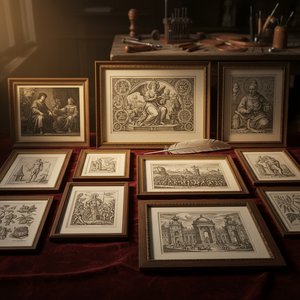
Top 10 legendárnych rytín, ktoré navždy zmenili umenie | OriginalUniqueArt.sk
Objavte top 10 legendárnych rytín od Dürera, Rembrandta a Goya! Prežite príbeh majstrov grafiky a ich nadčasových diel. Kvalitné reprodukcie obrazov pre váš interiér na OriginalUniqueArt.sk. Preskúmajte kolekciu online!