Náhľad v interiéri
 Odoslať ako digitálnu kartu
 Zdieľať
 Podrobnosti o dielo
 Príručka

 Stiahnuť obraz
 Podobné položky
 RTG skúška
 Prehliadanie diapozoje
 Otázky a odpovede
 Štatistiky
Farmhouse

- 130.0 x 212.0 cm


 Zobraziť viac
Giclée / Umenotlač
Giclée tlač alebo plátno múzeálnej kvality s rýchlou výrobou a rôznymi možnosťami povrchovej úpravy. ( Kúpiť ručne maľovaný obraz Prepnúť na digitálny obraz)




P118B €10

P118H €10

P118W €10

P438Z €10

P508JH €12

P508YH €12

P805H €10

P805Z €10

P919BZ €10

P919G €10

P919XJ €10

P959ZH €10

P968JZ €12

W106C €8

W218G €10

W218JH €8

W218Y €10

W307PJ €10

W316G €10

W316PJ €8

W316Y €10

W398PJ €8

W4111J €10

W500HY €15

W500JH €15

W692G €12

W849H €8

W940BG €15

W953PJ €8




Vyberte si z našich preddefinovaných rozmerov, ktoré zodpovedajú pôvodným pomeroḿ diela.

Zadajte šírku a výšku, ktoré potrebujete, aby sa reprodukcia hodila k vášmu rámu alebo stene. Print možno len orezávať, nikdy však nemennú veľkosť zvětšiť oproti pôvodnému obrázku, preto pri inom formáte stráca časť obrazu. Pred samotným vytlačiacím procesom vám pošleme digitálny náhľad na schválenie. Obrázok zobrazený na tejto stránke nezobrazuje reálny rez — len digitálny náhľad ukazuje presný výsledok.
Celosvetová doprava () do 2 týždňov namiesto štandardných 4 až 5 týždňov. (5 november)

Bezplatná expresná doprava po celom svete

Vysokokvalitné lnianske plátno

Kompletné poistenie prepravy

Záruka vrátenia colného poplatku

Záruka presného farebného zhodnutia

100-dená politika vrátenia tovaru (iba pri vadách)

100% záruka vrátenia peňazí

Zľava pri väčšom množstve
 Možnosť skla je dostupná len pri rozmeroch pod 110 cm

Farmhouse
Giclée / Umenotlač
Veľkosť reprodukcie
-


Celková cena
€ 72
A Pastoral Dream in Rococo Hues
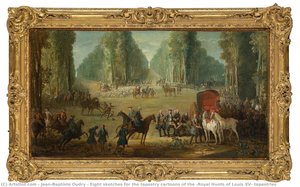
To gaze upon Jean-Baptiste Oudry's "Farmhouse" is to step directly into an idealized vision of 18th-century French rural life. This painting, executed in 1750, transcends a mere depiction of farmstead; it is a carefully orchestrated symphony of light, color, and pastoral tranquility. The Rococo style, with its inherent lightness and elegant exuberance, bathes the entire scene in a soft, almost dreamlike glow. One feels an immediate sense of calm wash over the viewer as the eye wanders from the rustic farmhouse, crowned with its thatched roof, across the fertile expanse of farmland stretching toward the horizon.
Mastery of Light and Detail
Oudry’s technical brilliance is immediately apparent in every meticulously rendered element. His handling of light is nothing short of masterful; it seems to emanate naturally from the scene itself, highlighting the textures of the wood, the softness of the sheep's wool, and the delicate folds of the clouds overhead. The composition is a study in balance, framed beautifully by lush trees that flank both sides, lending an almost theatrical depth to the foreground. Notice the scattered life—the contented cows grazing near the structure, the busy chickens pecking at the earth. These animals are not mere props; they imbue the scene with palpable vitality, suggesting the rhythm of daily existence.
Symbolism of Abundance and Harmony
Beyond its surface beauty, "Farmhouse" carries deep symbolic weight. It speaks to an era's idealized relationship with nature—a time when agricultural bounty was celebrated as a source of both sustenance and aesthetic pleasure. The combination of the thriving farmland, the sheltering farmhouse, and the gentle presence of human figures engaged in labor suggests themes of harmony, prosperity, and settled domestic bliss. Even the inclusion of farm implements hints at a life lived in respectful partnership with the land.
Bringing the Countryside Home
For the collector or designer seeking to infuse a space with timeless elegance, this piece offers unparalleled depth. The warm palette, dominated by rich earth tones punctuated by soft pastels, ensures that "Farmhouse" can anchor any room, whether it be a grand salon yearning for rustic charm or a sunlit breakfast nook desiring an air of cultivated serenity. Owning a reproduction allows one to possess not just a painting, but a tangible piece of 18th-century French artistry—a window into a bygone era of idyllic simplicity and exquisite craftsmanship.
Otázky a odpovede
Ktorý národný pôvod stojí za smerom Rococo Style diela „Farmhouse"?
Dielo „Farmhouse“ vytvoril/a Jean-Baptiste Oudry, ktorý/á sa narodil/a v krajine Francúzsko, v rámci smeru Rococo Style. Pôvod umelca spája toto dielo s movementom Rococo Style, ako ho v krajine Francúzsko praktikujú tamojší umelci.
Aké umiestnenie sa hodí k formátu diela „Farmhouse“ od Jean-Baptiste Oudry?
Vďaka svojmu tvaru Panoramic je reprodukcia diela „Farmhouse“ ideálnou voľbou do Living Room.
Ako sa vzájomne dopĺňajú farby diela „Farmhouse“?
Farby diela „Farmhouse“ od Jean-Baptiste Oudry vykazujú Balanced Harmony harmóniu. Harmónia popisuje vzájomný vzťah medzi farbami.
Biografia umelca
Jean-Baptiste Oudry: Život v umení
Raný život a vzdelanie
- Narodený: 17. marca 1686, Paríž, Francúzsko.
- Oudry pochádzal z umeleckej rodiny; jeho otec, Jacques Oudry, bol maliar a obchodník s umením. Jeho matka, Nicole Papillon, bola blízko prepojená s významným rytečom Jean-Baptiste-Michelom Papillonom.
- Svoju umeleckú cestu začal v Académie de Saint-Luc, kde sa v období od roku 1707 do 1712 učil pod vedením Nicolasa de Largillièreho. Toto základné obdobie formovalo jeho rané schopnosti v oblasti portrétnej tvorby a pozorného pozorovania prírody.
- V rámci akademického prostredia sa rýchlo presadil, pričom v roku 1714 sa stal asistentom profesorom na Académie de Saint-Luc a už do roku 1717 získal titul plného profesora.
Umelecký rozvoj a štýl
- Hoci sa jeho pôvodná zameranie sústredilo na portrétnu maľbu, Oudry postupne rozširoval svoj repertár o záložné maľby, najmä venované ovociu a zvieratám, ako aj o náboženské témy.
- Oudryho nesmierna pozornosť k detailu a schopnosť zachytiť textúru srsti či charakteristické rysy zvierat sa stali neoddeliteľnými znakmi jeho tvorby.
- Prejavil majstrovstvo nielen v oblasti maľby, ale aj v dizajne, čím dokázal plynule prechádzať medzi tvorbou obrazov na plátne a návrhom pre tapisérie.
Hlavné úspechy a významné diela
- Pastoralné zábavy (Les Amusements Champêtres): Séria tapisérií navrhnutých pre Kráľovskú manufaktúru Beauvais, ktorá predstavuje idylické scény zo sirsého života a lovu.
- Ľudovít XV. loví jelenia v lese Saint-Germain (1730): Tento obraz upevnil Oudryho reputáciu ako oficiálneho maliara kráľovského lovu. Je dokonalým príkladom jeho schopnosti vykresliť veľkoleposť lovu aj krásu prírodného prostredia.
- Kráľovské lovy Ľudovíta XV. (Chasses Royales Gobelins): Sériu návrhov na tapisérie pre manufaktúru Gobelins, ktorá ešte viac upevnila jeho postavenie ako významného dizajnéra tkanín.
- Početné portréty lovenej koristi na objednávku kráľa Ľudovíta XV., ktoré demonštrujú jeho hlboké znalosti zverincovej anatomie a kompozície záložných málieb.
Vplyvy a odkaz
- Ovplyvnený: Nicolas de Largillière zohral kľúčovú úlohu v Oudryho ranom umeleckom vývoji, pričom mu poskytol základný výcvik v portrétnej technike.
- Oudryho tvorba mala hlboký vplyv na nasledujúce generácie maliarov zvierat a dizajnérov tapisérií. Jeho naturalistický štýl a precíznosť nastavili nový štandard pre znázorňovanie divokej prírody.
- Významne prisojal k rozkvetu dekoratívneho umenia francúzskeho dvora, vytvárajúc luxusné tapisérie, ktoré zdobili kráľovské rezidencie.
Historický význam
- Oudryho diela poskytujú cenný pohľad do aristokratického života 18. storočia a na dôležitú úlohu lovu ako znamenia prestíže francúzskej šľachty.
- Jeho tapisérie sú považované za majstrovské diela francúzskeho dekoratívneho umenia, ktoré svedčia o technickej zdatnosti a umeleckej kreativite danej epochy.
- Získal prestížne postavenia v Académie Royale de Peinture et de Sculpture, čo potvrdzovalo jeho uznanie ako jedného z popredných umelcov svojej doby.
- Zomrel: 30. apríla 1755, pričom za sebou nechal odkaz výn admirabilných obrazov a tapisérií, ktoré sú obdivované aj v súčasnosti.

Jean-Baptiste Oudry
1686 - 1755 , Francúzsko
Základné informácie
- Artistic Movement Or Style: Rokoko
- Artists Who Influenced This Artist: ['Nicolas de Largillière']
- Date Of Birth: 17 marca 1686
- Date Of Death: 30 apríla 1755
- Full Name: Jean-Baptiste Oudry
- Nationality: Francúzsky
- Notable Artworks:
- Les Amusements Champêtres
- Louis XV hunting a deer in the forest of Saint-Germain
- Place Of Birth: Paríž, Francúzsko
Súvisiace články
Idyllic Visions: Exploring the Pastoral Tradition in Western Art – Themes, Techniques & Enduring Appeal
Explore the rich history of pastoral art from classical Arcadia to contemporary interpretations. Discover key artists, themes & collecting tips at OriginalUniqueArt.

Léon Augustin L'Hermitte: Capturing the Soul of French Rural Life
Discover the captivating realist paintings of Léon Augustin L'Hermitte, masterfully depicting French rural life. Explore his technique, influences & legacy – a cornerstone of 19th-century art.

Top 10 majstrovských diel rokokového umenia pre váš domov | OriginalUniqueArt.com
Ponorte sa do sveta rokokového umenia! Objavte top 10 majstrovských diel od Watteaua, Bouchera a ďalších. Luxusné reprodukcie obrazov pre váš domov na OriginalUniqueArt.com – inšpirujte sa pastelovými farbami a elegantnou výzdobou.
Animalia: Trvalá prítomnosť zvierat v umení a dizajne interiérov
Preskúmajte fascinujúci svet zvierat v umení a dizajne interiérov. Od symboliky po terapeutické účinky – objavte ich trvalý význam s .

The Rococo Aesthetic: Opulence, Rebellion & the Pursuit of Pleasure in 18th-Century Art
Explore the opulent world of Rococo art! Discover its origins, key artists like Watteau & Boucher, and lasting influence on design. Expert insights for collectors & enthusiasts.