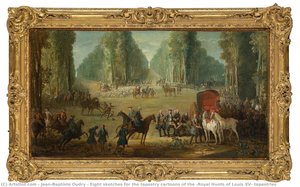
Zobraziť v interiéri
 Odoslať
 Zdieľať
 Podrobnosti
 Príručka

 Stiahnuť
 Podobné položky
 RTG skúška
 Prehliadanie diapo\]
 Štatistiky
Belphagore
 Etching
- WallArt
- Baroque
 1734
1734- Early Modern
 31.0 x 26.0 cm
 J. Paul Gettyho múzeum
 Prečítať si viac
Ručne maľovaná olejová reprodukcia
Ručne maľovaný olej na plátne vo vašej zvolenej veľkosti a v ráme, vyrobený na mieru našimi umelcami. ( Prepnúť na tlač Prepnúť na digitálnu verziu obrazu)




P118B €10

P118H €10

P118W €10

P438Z €10

P508JH €12

P508YH €12

P805H €10

P805Z €10

P919BZ €10

P919G €10

P919XJ €10

P959ZH €10

P968JZ €12

W106C €8

W218G €10

W218JH €8

W218Y €10

W307PJ €10

W316G €10

W316PJ €8

W316Y €10

W398PJ €8

W4111J €10

W500HY €15

W500JH €15

W692G €12

W849H €8

W940BG €15

W953PJ €8




Vyberte si z našich preddefinovaných rozmerov, ktoré zodpovedajú pôvodným pomeroḿ diela.

Zadajte šírku a výšku, ktoré potrebujete, aby sa dielo hodilo k vášmu rámu alebo stene. Keďže ide o ručnú maľbu, pri rozmeroch s odlišným pomerom strán môže umelec namalovať o niečo viac okolo obrázka alebo ho mierne orezatú — výber patrí vám. Pred začatím maľovania vám pošleme digitálnu ukážku na schválenie. Obrázok zobrazený na tejto stránke nenahrádza reálny výsledok — ten zobrazuje iba digitálna ukážka.
Po odoslaní objednávky vám tím OriginalUniqueArt.com pošle e-mail s pokynmi a poskytne náhľad na návrh
Celosvetová doprava () za 3 až 4 týždne namiesto štandardných 5 týždňov. (25 október). Bez kompromisov v kvalite.

Bezplatná expresná doprava po celom svete

Vysokokvalitné lnianske plátno

Úplné poistenie prepravy

Záruka vrátenia colného poplatku

Záruka presného farebného zhodnutia

100-dená politika vrátenia tovaru (iba pri vadách)

100% záruka vrátenia peňazí

Ponuka množstevnej zľavy
 Možnosť skla je dostupná len pri rozmeroch pod 110 cm

Belphagore
Spôsob reprodukcie
Veľkosť reprodukcie
-


Celková cena
€ 329
A Descent into the Baroque Shadows
In the dim, flickering light of history, Jean-Baptiste Oudry’s 1734 masterpiece, Belphagore, emerges as a hauntingly beautiful window into the theatricality of the Baroque era. This is not merely a drawing; it is a meticulously crafted tableau vivant—a living scene frozen in time—that captures the very essence of cosmic struggle. The artwork transports the viewer to a realm where classical mythology and biblical lore collide, specifically referencing the chilling tales of Belphagor, the fallen angel of Lucifer’s retinue. As one gazes upon this monochrome drama, rendered in ethereal shades of blue and grey, there is an immediate sense of being a silent witness to a ritualistic event that transcends the boundaries of the paper it inhabits.
The composition is masterfully orchestrated through a dramatic pyramidal structure, a hallmark of Baroque design that anchors the eye amidst a sea of chaos. At the heart of this infernal gathering stands a powerfully sculpted male figure, an embodiment of authority and dread, surrounded by a cohort of grotesque, muscular demons. The scene is set against a backdrop of jagged, untamed rock formations, where smoke billows upward from a central ritualistic fire. This use of chiaroscuro—the stark contrast between light and shadow—simulates a divine radiance struggling to pierce through an encroaching, demonic darkness, creating a palpable atmosphere of unease and spiritual tension.
The Precision of the Line and the Weight of Symbolism
Oudry’s technical prowess is on full display through his use of fine-line etching, a technique that allows for extraordinary precision in depicting the textures of both the monstrous and the elemental. Every sinew of the demonic figures, every plume of rising smoke, and every rugged edge of the stone landscape is delineated with meticulous care. The subtle shading provides a profound sense of depth, making the musculature appear almost tactile and the atmosphere heavy with the scent of ash and sulfur. This level of detail ensures that the artwork possesses a lifelike quality that continues to captivate collectors and art enthusiasts centuries after its creation.
Beyond its visual splendor, Belphagore is rich with symbolic resonance. The ritualistic burning depicted in the scene serves as a potent metaphor for purification and divine judgment, reflecting the deep-seated moral anxieties of the Enlightenment period. The struggle between the defiance of Lucifer and the ultimate sovereignty of God mirrors the broader human conflict between chaos and order, good and evil. For the discerning decorator or collector, this piece offers more than just aesthetic beauty; it provides a profound narrative depth that can serve as a powerful focal point in any curated space, inviting contemplation on the eternal cycles of transgression and redemption.
An Evocative Addition to the Sophisticated Interior
For interior designers and lovers of fine art, a high-quality reproduction of Belphagore offers an unparalleled opportunity to introduce drama, history, and intellectual weight into a room. The monochrome palette allows it to integrate seamlessly into various sophisticated decors, from the moody, dark aesthetics of a contemporary study to the grand, classical atmosphere of a traditional gallery wall. It is a piece that demands attention, acting as a conversation starter that bridges the gap between the 18th-century French court and the modern era.
Owning or displaying such a work is an act of embracing the sublime. The emotional impact of Oudry’s vision—the mixture of fear, awe, and fascination—creates a lingering presence that transforms a mere room into a sanctuary of culture. Whether placed in a private collection or used to anchor a large-scale design project, this reproduction of Belphagore stands as a testament to the enduring power of the Baroque spirit, offering a timeless elegance that is as intellectually stimulating as it is visually breathtaking.
Otázky a odpovede
Ako môžem objaviť diela podobné „Belphagore“ od Jean-Baptiste Oudry?
Stránka Podobné diela diela „Belphagore“ od Jean-Baptiste Oudry predstavuje súvisiace umelecké diela.
Ako si môžem pozrieť náhľad reprodukcie diela „Belphagore“ od Jean-Baptiste Oudry?
Ak si chcete pozrieť náhľad reprodukcie diela „Belphagore“ od Jean-Baptiste Oudry, otvorte stránku Náhľad daného diela.
Kde si môžem kúpiť digitálnu podobu diela „Belphagore“ od Jean-Baptiste Oudry?
Digitálnu podobu diela „Belphagore“ od Jean-Baptiste Oudry si môžete zakúpiť na jeho stránke Digitálna snímka: stiahnutie digitálneho obrázka vo vysokom rozlíšení.
Biografia umelca
Jean-Baptiste Oudry: Život v umení
Raný život a vzdelanie
- Narodený: 17. marca 1686, Paríž, Francúzsko.
- Oudry pochádzal z umeleckej rodiny; jeho otec, Jacques Oudry, bol maliar a obchodník s umením. Jeho matka, Nicole Papillon, bola blízko prepojená s významným rytečom Jean-Baptiste-Michelom Papillonom.
- Svoju umeleckú cestu začal v Académie de Saint-Luc, kde sa v období od roku 1707 do 1712 učil pod vedením Nicolasa de Largillièreho. Toto základné obdobie formovalo jeho rané schopnosti v oblasti portrétnej tvorby a pozorného pozorovania prírody.
- V rámci akademického prostredia sa rýchlo presadil, pričom v roku 1714 sa stal asistentom profesorom na Académie de Saint-Luc a už do roku 1717 získal titul plného profesora.
Umelecký rozvoj a štýl
- Hoci sa jeho pôvodná zameranie sústredilo na portrétnu maľbu, Oudry postupne rozširoval svoj repertár o záložné maľby, najmä venované ovociu a zvieratám, ako aj o náboženské témy.
- Oudryho nesmierna pozornosť k detailu a schopnosť zachytiť textúru srsti či charakteristické rysy zvierat sa stali neoddeliteľnými znakmi jeho tvorby.
- Prejavil majstrovstvo nielen v oblasti maľby, ale aj v dizajne, čím dokázal plynule prechádzať medzi tvorbou obrazov na plátne a návrhom pre tapisérie.
Hlavné úspechy a významné diela
- Pastoralné zábavy (Les Amusements Champêtres): Séria tapisérií navrhnutých pre Kráľovskú manufaktúru Beauvais, ktorá predstavuje idylické scény zo sirsého života a lovu.
- Ľudovít XV. loví jelenia v lese Saint-Germain (1730): Tento obraz upevnil Oudryho reputáciu ako oficiálneho maliara kráľovského lovu. Je dokonalým príkladom jeho schopnosti vykresliť veľkoleposť lovu aj krásu prírodného prostredia.
- Kráľovské lovy Ľudovíta XV. (Chasses Royales Gobelins): Sériu návrhov na tapisérie pre manufaktúru Gobelins, ktorá ešte viac upevnila jeho postavenie ako významného dizajnéra tkanín.
- Početné portréty lovenej koristi na objednávku kráľa Ľudovíta XV., ktoré demonštrujú jeho hlboké znalosti zverincovej anatomie a kompozície záložných málieb.
Vplyvy a odkaz
- Ovplyvnený: Nicolas de Largillière zohral kľúčovú úlohu v Oudryho ranom umeleckom vývoji, pričom mu poskytol základný výcvik v portrétnej technike.
- Oudryho tvorba mala hlboký vplyv na nasledujúce generácie maliarov zvierat a dizajnérov tapisérií. Jeho naturalistický štýl a precíznosť nastavili nový štandard pre znázorňovanie divokej prírody.
- Významne prisojal k rozkvetu dekoratívneho umenia francúzskeho dvora, vytvárajúc luxusné tapisérie, ktoré zdobili kráľovské rezidencie.
Historický význam
- Oudryho diela poskytujú cenný pohľad do aristokratického života 18. storočia a na dôležitú úlohu lovu ako znamenia prestíže francúzskej šľachty.
- Jeho tapisérie sú považované za majstrovské diela francúzskeho dekoratívneho umenia, ktoré svedčia o technickej zdatnosti a umeleckej kreativite danej epochy.
- Získal prestížne postavenia v Académie Royale de Peinture et de Sculpture, čo potvrdzovalo jeho uznanie ako jedného z popredných umelcov svojej doby.
- Zomrel: 30. apríla 1755, pričom za sebou nechal odkaz výn admirabilných obrazov a tapisérií, ktoré sú obdivované aj v súčasnosti.

Jean-Baptiste Oudry
1686 - 1755 , Francúzsko
Rýchle fakty
- Artistic Movement Or Style: Rokoko
- Artists Who Influenced This Artist: ['Nicolas de Largillière']
- Date Of Birth: 17 marca 1686
- Date Of Death: 30 apríla 1755
- Full Name: Jean-Baptiste Oudry
- Nationality: Francúzsky
- Notable Artworks:
- Les Amusements Champêtres
- Louis XV hunting a deer in the forest of Saint-Germain
- Place Of Birth: Paríž, Francúzsko
Súvisiace články

Top 10 majstrovských diel rokokového umenia pre váš domov | OriginalUniqueArt.com
Ponorte sa do sveta rokokového umenia! Objavte top 10 majstrovských diel od Watteaua, Bouchera a ďalších. Luxusné reprodukcie obrazov pre váš domov na OriginalUniqueArt.com – inšpirujte sa pastelovými farbami a elegantnou výzdobou.
Kay Rasmus Nielsen: A Golden Age Illustrator's Enchanting Legacy of Symbolism & Narrative
Explore the captivating world of Kay Rasmus Nielsen, a celebrated Golden Age illustrator renowned for his Art Nouveau fairy tale art & Disney contributions. Discover his unique style, enduring legacy, and how to collect his enchanting works.
Angelo Chiacchio: A Mid-Century American Illustration Master & the Rise of Commercial Art
Explore the captivating world of Angelo Chiacchio, a master of mid-century American illustration. Discover his evolution, signature style, and lasting impact on commercial art & design. Learn about his legacy at the Museum of American Illustration.

The Rococo Aesthetic: Opulence, Rebellion & the Pursuit of Pleasure in 18th-Century Art
Explore the opulent world of Rococo art! Discover its origins, key artists like Watteau & Boucher, and lasting influence on design. Expert insights for collectors & enthusiasts.
The Rococo Style: Aristocratic Leisure & the Pursuit of Delight in 18th-Century Art
Explore the opulent world of Rococo art! Discover Watteau, Boucher & Nattier's masterpieces. Expert insights for collectors seeking museum-quality reproductions and custom portraits at OriginalUniqueArt.