Náhľad
 Odoslať
 Zdieľať
 Podrobnosti o dielo

 Stiahnuť
 Podobné diela
 RTG skúška
 Prezentácia
 Štatistiky
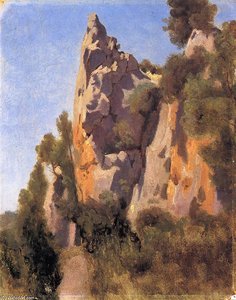
Mount Soracte


 Zobraziť viac
Giclée / Umenotlač
Giclée tlač alebo plátno múzeálnej kvality s rýchlou výrobou a flexibilnými možnosťami povrchovej úpravy. ( Kúpiť ručne maľovaný obraz Prepnúť na digitálny obraz)




P118B $10

P118H $10

P118W $10

P438Z $10

P508JH $12

P508YH $12

P805H $10

P805Z $10

P919BZ $10

P919G $10

P919XJ $10

P959ZH $10

P968JZ $12

W106C $8

W218G $10

W218JH $8

W218Y $10

W307PJ $10

W316G $10

W316PJ $8

W316Y $10

W398PJ $8

W4111J $10

W500HY $15

W500JH $15

W692G $12

W849H $8

W940BG $15

W953PJ $8




Vyberte si z našich preddefinovaných rozmerov, ktoré zodpovedajú pôvodným pomeroḿ diela.

Môžete zadať vlastné rozmery, aby sa reprodukcia prispôsobila konkrétnemu rámu alebo priestoru. Ak zvolená veľkosť nebude zodpovedať proporciám originálu, dielo buď orežeme, alebo obraz rozšírime pomocou zrkadlenia či farebného doplnenia okrajov. Pred začatím výroby vám pošleme digitálnu ukážku na schválenie.
Máte na vedomí, že náhľad na obrazovke neodzrkadľuje skutočné orezanie alebo rozšírenie. Len digitálna ukážka presne zobrazí finálnu kompozíciu.
Hoci sú k dispozícii vlastné rozmery, pre zachovanie pôvodných proporcií odporúčame vybrať si rozmer z vopred definovaného zoznamu.
Celosvetová doprava () do 2 týždňov namiesto štandardných 4/5 týždňov. (17 september)

Bezplatná expresná doprava po celom svete

Prémiové lnianske plátno

Kompletné poistenie prepravy

Záruka vrátenia colného poplatku

Záruka presného farebného zhodnutia

100-dená politika vrátenia tovaru (iba pri vadách)

100% záruka vrátenia peňazí

Výhodná množstevná zľava
 Možnosť skla je dostupná len pri rozmeroch pod 110 cm

Mount Soracte
Giclée / Umenotlač
Veľkosť reprodukcie
-


Celková cena za vybrané možnosti
$ 80
A Glimpse of Mont Soracte: Corot's Romantic Vision
Jean-Baptiste-Camille Corot’s “Mont Soracte” is more than just a landscape painting; it’s a carefully constructed meditation on light, atmosphere, and the sublime beauty of the natural world. Executed around 1827, this piece exemplifies the core tenets of Corot's Romantic style – an emphasis on feeling and subjective experience over precise representation. The scene depicts the volcanic Mont Soracte in central Italy, a landscape that profoundly influenced the artist’s vision and became a recurring subject in his oeuvre.
The Language of Light and Texture
Corot’s technique is characterized by its remarkable subtlety and restraint. He employs thin, translucent washes of oil paint – often applied with a delicate brushstroke – to build up layers of color that evoke the hazy atmosphere of the Italian countryside. Notice how he masterfully renders the play of light on the distant mountains, creating an illusion of depth and recession through carefully modulated tones. The texture is achieved not through thick impasto but through meticulous layering, suggesting the rough surfaces of rock, the soft foliage of trees, and the misty veil that hangs over the valley. The muted palette – dominated by browns, greens, grays, and subtle blues – contributes to the painting’s serene and contemplative mood.
Symbolism and the Romantic Ideal
“Mont Soracte” embodies the core tenets of the Romantic movement, which sought to transcend mere observation of nature and tap into a deeper emotional connection. The imposing presence of the mountain itself represents strength, permanence, and the power of nature – themes frequently explored by Romantic artists. The scattered figures within the landscape are not merely incidental details; they serve as a reminder of humanity’s smallness in the face of the vastness and grandeur of the natural world. Corot was deeply interested in evoking a sense of awe and wonder, inviting the viewer to contemplate their place within the universe.
A Legacy of Atmospheric Impressionism
While often categorized as Romantic, Corot’s work anticipated many of the developments that would later characterize Impressionism. His focus on capturing fleeting moments of light and atmosphere – his emphasis on subjective perception – paved the way for artists like Monet and Renoir. “Mont Soracte” stands as a testament to Corot's profound influence on the development of landscape painting, demonstrating how a masterful understanding of color, texture, and perspective can transform a simple scene into a powerful expression of emotion and artistic vision.
Biografia umelca
A Life Immersed in Light and Landscape
Jean-Baptiste-Camille Corot, a name that resonates with the tranquil beauty of 19th-century French landscape painting, was born into a comfortable Parisian bourgeois family on July 16, 1796. Though initially steered towards a commercial path, destiny – and perhaps an innate artistic sensibility – intervened. His early years were marked by an unconventional upbringing; entrusted to the care of a nurse in the countryside near L’Isle-Adam until age four, he developed a profound connection with nature that would indelibly shape his artistic vision. This initial immersion in rural tranquility stood in stark contrast to the bustling city life awaiting him, yet it laid the foundation for a lifelong pursuit of capturing the ephemeral qualities of light and atmosphere. His parents, successful milliners, provided financial stability, allowing Corot the freedom to explore his burgeoning passion for painting after an unsuccessful attempt at mercantile pursuits – a rare privilege for aspiring artists of that era. This support was crucial, enabling him to dedicate himself fully to artistic training without the immediate pressures of earning a livelihood.From Academic Foundations to Plein-Air Innovation
Corot’s formal artistic education began with studies under Achille Etna Michallon and later Jean-Victor Bertin, both esteemed landscape painters steeped in the neoclassical tradition. This grounding instilled in him a meticulous approach to composition and form, emphasizing clarity and structure. However, Corot wasn't content merely replicating established styles; he yearned for something more authentic, a way to convey not just *what* he saw, but *how* it felt to be immersed within the landscape. A pivotal moment arrived with his first journey to Italy in 1825. The Roman Campagna, bathed in golden light and steeped in history, ignited his imagination. He spent years sketching and painting en plein air – directly from nature – a practice that was still relatively uncommon at the time. This dedication to direct observation allowed him to capture the subtle nuances of light and shadow, the delicate atmospheric effects that would become hallmarks of his style. He wasn’t simply recording topographical details; he was striving to evoke a mood, a feeling of tranquility and harmony. His early Italian works demonstrate a clarity of form and bright palette influenced by classical ideals, yet already hint at the softer, more evocative approach that would define his mature style. He meticulously studied the masters, copying their work in the Roman galleries, but always filtered these lessons through his own increasingly sensitive perception of nature.A Bridge Between Traditions
Corot’s artistic development wasn't linear; it was a delicate balancing act between tradition and innovation. He exhibited regularly at the Paris Salon, initially gaining recognition for works rooted in neoclassical conventions. However, as he continued to explore plein-air painting, his style began to evolve. He moved away from highly finished, detailed compositions towards looser brushwork and a more muted palette. This shift wasn't a rejection of academic principles entirely; rather, it was an attempt to infuse them with the immediacy and emotional resonance of direct observation. He became a master of tonalism, using subtle variations in value to create depth and atmosphere. His landscapes weren’t about dramatic narratives or grand gestures; they were about quiet contemplation, the beauty of everyday scenes – a forest glade, a sun-dappled meadow, a tranquil riverbank. This approach resonated with a growing audience seeking respite from the rapid industrialization and social upheaval of 19th-century France. He skillfully blended elements of realism with an almost poetic sensibility, creating landscapes that felt both familiar and deeply personal. He wasn’t interested in grand pronouncements or political statements; his art was about finding beauty in the ordinary, elevating the commonplace to a realm of serene contemplation.Legacy and Enduring Influence
Jean-Baptiste-Camille Corot’s influence on subsequent generations of artists is immeasurable. He served as a crucial link between the neoclassical tradition and the emerging Impressionist movement. Artists like Monet, Pissarro, and Sisley deeply admired his ability to capture the fleeting effects of light and atmosphere, and they built upon his innovations in their own groundbreaking work. Corot’s emphasis on direct observation and plein-air painting paved the way for the Impressionists' radical departure from studio-based practices. However, Corot wasn’t simply a precursor to Impressionism; he was a unique and significant artist in his own right. His vast output – encompassing landscapes, portraits, and figure studies – continues to captivate audiences with its serene beauty and emotional depth. His works can be found in major museums around the world, including the Musée des Beaux-Arts in Dunkirk and the Musée Courbet in Ornans, France, as well as the National Gallery in London and the Metropolitan Museum of Art in New York. He died on February 22, 1875, leaving behind a legacy that continues to inspire artists and art lovers alike – a testament to the enduring power of light, landscape, and quiet contemplation. The Repose, Interrupted Reading, and Agostina remain iconic examples of his mastery, showcasing his ability to capture both the physical world and the inner life of his subjects with remarkable sensitivity and grace. His influence extends beyond painting; he fostered a spirit of artistic freedom and encouraged younger artists to find their own voice, solidifying his place as a pivotal figure in the history of art.
Jean-Baptiste-Camille Corot
1796 - 1875 , Francúzsko
Základné informácie
- Artistic Movement Or Style: Realizmus, Impresionizmus
- Artists Or Movements Influenced By This Artist:
- Monet
- Pissarro
- Sisley
- Artists Who Influenced This Artist:
- Michallon
- Bertin
- Date Of Birth: 16. júl 1796
- Date Of Death: 22. február 1875
- Full Name: Jean-Baptiste-Camille Corot
- Nationality: Francúzsky
- Notable Artworks:
- Le Repose
- Interrupted Reading
- Agostina
- Place Of Birth: Paríž, Francúzsko
Súvisiace články

Katsushika Hokusai: 25 Majstrovských Diel pre Krásu Vášho Domova | OriginalUniqueArt.com
Ponorte sa do sveta Katsushika Hokusaiho a objavte 25 jeho najznámejších umeleckých diel. Ukiyo-e, The Great Wave, Fujiyama – príbehy za ikonickými obrazmi. Kvalitné reprodukcie pre váš domov na OriginalUniqueArt.com.

Evocations of Place: A Historical Journey Through Landscape Art
Explore the rich history of landscape art with OriginalUniqueArt. Discover renowned artists, movements like Impressionism & Romanticism, and expert guidance for collecting timeless pieces. Find your perfect serene escape today!

John Constable: Top 25 Majstrovských Diel pre Váš Domov | OriginalUniqueArt.sk
Ponorte sa do sveta Johna Constabla s OriginalUniqueArt.sk! Objavte top 25 majstrovských diel anglického romantizmu – od ikonického Hay Wain až po krajinárske motívy Suffolku. Kvalitné reprodukcie obrazov pre váš domov. Preskúmajte celú kolekciu online!

Top 10 Majstrov Romantickej Krajinomaľby: Obrazy, ktoré zmenili svet umenia
Ponorte sa do sveta romantickej krajinomaľby! Objavte top 10 majstrovských diel od Friedricha, Turnera a ďalších. Historické obrazy prírody s nádychom emócií. Reprodukcie obrazov pre váš interiér na OriginalUniqueArt.com.

The Sublime and the Picturesque: Exploring Emotion & Nature in Romantic Landscape Painting
Explore the emotional power of Romantic landscape painting! Discover the sublime & picturesque traditions, key artists like Friedrich & Cole, and find your perfect artwork at OriginalUniqueArt.