

 Odoslať
 Zdieľať
 Podrobnosti
 Príručka

 Stiahnuť
 Podobné položky
 Prehliadanie diapo\]
 Štatistiky
Sabine Houdon


 Prečítať si viac
Giclée / Umenotlač
Giclée tlač alebo plátno múzeálnej kvality s rýchlou výrobou a rôznymi možnosťami povrchovej úpravy. ( Objednať ručne maľovanú reprodukciu Prepnúť na digitálnu verziu obrazu)




































Vyberte si z našich preddefinovaných rozmerov, ktoré zodpovedajú pôvodným pomeroḿ diela.

Zadajte šírku a výšku, ktoré potrebujete, aby sa reprodukcia hodila k vášmu rámu alebo stene. Print možno len orezávať, nikdy však nemennú veľkosť zvětšiť oproti pôvodnému obrázku, preto pri inom formáte stráca časť obrazu. Pred samotným vytlačiacím procesom vám pošleme digitálny náhľad na schválenie. Obrázok zobrazený na tejto stránke nezobrazuje reálny rez — len digitálny náhľad ukazuje presný výsledok.
Celosvetová doprava () do 2 týždňov namiesto štandardných 4 až 5 týždňov. (21 október)

Bezplatná expresná doprava po celom svete

Vysokokvalitné lnianske plátno

Úplné poistenie prepravy

Záruka vrátenia colného poplatku

Záruka presného farebného zhodnutia

100-dená politika vrátenia tovaru (iba pri vadách)

100% záruka vrátenia peňazí

Ponuka množstevnej zľavy
 Možnosť skla je dostupná len pri rozmeroch pod 110 cm

Sabine Houdon
Giclée / Umenotlač
Veľkosť reprodukcie
-


Celková cena
€ 70
Sabine Houdon: A Glimpse of Innocence in Marble
Jean-Antoine Houdonova socha Sabine Houdon, vytvorená v roku 1787, nie je len portrét mladého dievčaťa; je to zachytený okamih nevinnosti a čistoty, odraz osvieteneckej filozofie a umeleckého zmyslu, ktorý definoval jeho životnú tvorbu. Socha, prezentovaná v elegantnej, miernej farbe bielej a šedivej, vyvoláva pocit nostalgie a úcty k precízelosti, ktorá ju charakterizuje. Houdon, významný predstaviteľ francúzskeho baroka a neskôr neoklasicizmu, sa vyznačoval schopnosťou vnímať podstatu svojich subjektov – ich intelekt, charakter a vnútorný život – a premeniť ich na trvalé umelecké diela. V tomto prípade, socha Sabine, je dôkazom jeho talentu zachytiť nie len fyzické podobnosti, ale aj jemnosť a zvláštnosť dieťača.
Neoklasicistický Štýl a Technika
Socha Sabine Houdon je typickým príkladom neoklasicizmu, umeleckého prístupu, ktorý sa vracia k ideálom starovekého Grécka a Ríma. Houdon sa vyznačoval svojou dôslednosťou v zachytávaní realistických detailov a harmonického proporcií. Jeho technika spracovania marmooru je pozoruhodná – precízne vyjadrenie kontúr, jemné odtiene svetla a tieňa, a dokonalá hladkosť povrchu. Použitie marmurového materiálu, ktorý bol v 18. storočí považovaný za symbol ušľachtilosti a trvanlivosti, dodáva sošiacemu dielu vážnosť a eleganciu. Houdonovo spracovanie je charakteristické pre jeho prístup k detailom – zreteľné vyjadrenie jemných kriviek tváre dieťaťa, jej pudrových lícnych kostí a jemného strnutia vlasov, ktoré padajú na čelo. Tieto detaily nie sú len náhodné; odrážajú Houdonovu schopnosť vnímať a zachytiť najjemnejšie nuansy dieťača.
Symbolika a Emócie
Socha Sabine Houdon evokuje silné emócie – pocit nevinnosti, detskej úsmevnosti a možno aj nostalgie. Je to obraz dieťaťa v súlade s ideálmi osvietenstva, ktoré kladú dôraz na čistotu, jednoduchosť a harmóniu. Houdonova voľba zobraziť dieťa v takto elegantnej póze je pozoruhodná – odráža presvedčenie o tom, že aj v detstve existuje potenciál pre intelektuálnu hlbokú myseľ a duševnú krásu. Zaujímavé je, že Houdon sa držal pomerne neobvyklého prístupu k portrétom detí v jeho čase – väčšina umeleckých diel z tohto obdobia zobrazuje deti v jednoduchšej, menej formálnej podobe. Socha Sabine je tak unikátnym a cenným dielom, ktoré nám umožňuje spoznať jedného z najvýznamnejších francúzskych sochárov 18. storočia.
Historický Kontext a Dôležitosť
Houdonova socha Sabine Houdon bola vytvorená v období dramatických spoločenských zmien – od konca panovania kráľovskej dynastií cez francúzsku revolúciu až po vzostup Napoleona. Jeho diela, vrátane tejto portrétnej scény, odrážajú intelektuálny a umelecký záujem o návrat k klasickým ideálom a hodnotám. Socha Sabine je dôkazom Houdonovej schopnosti zachytiť ducha doby – jeho presvedčenie o tom, že umenie by malo byť nielen krásne, ale aj múdre a etické. Jeho diela boli veľmi obľúbené medzi francúzskou šľachtou a vysokým vedením, čo je dôkazom jeho umeleckej hodnoty a vplyvu na spoločnosť. Socha Sabine Houdon sa stala súčasťou zbierky kráľa Filipa VI., ktorý ju daroval ako darček pre amerického prezidenta George Washingtona, čím sa stal významným symbolom vzťahu medzi Francúzskom a USA.
Otázky a odpovede
Aký typ umeleckého diela predstavuje „Sabine Houdon“ od Jean-Antoine Houdon?
V katalógu je dielo „Sabine Houdon“ od Jean-Antoine Houdon klasifikované ako Sochárstvo. Táto kategória pomáha vyhľadávať podobné práce.
Ako sa štýl diela „Sabine Houdon“ vzťahuje k ére jeho tvorcu?
Dielo „Sabine Houdon“ patrí do smeru Neoclassical Style a jeho autor tvoril v období Raná modernosť.
Ktorý umvec a ktorý štýl stoja za dielom „Sabine Houdon“?
Za dielom „Sabine Houdon“ stoja Jean-Antoine Houdon a hnutie Neoclassical Style.
Biografia umelca
A Sculptor of the Enlightenment
Jean-Antoine Houdon, born in Versailles in 1741, stands as a pivotal figure bridging the Rococo and Neoclassical eras—a sculptor whose work embodies the intellectual fervor and evolving aesthetic sensibilities of the eighteenth century. His life unfolded amidst dramatic shifts in French society, from the waning opulence of the monarchy through the revolutionary upheaval and Napoleonic ascendance. Yet, Houdon remained remarkably consistent in his artistic vision: to capture not merely a likeness, but the very essence of his subjects—their intellect, character, and inner lives—in enduring marble and bronze. This dedication stemmed from an early aptitude for sculpture, nurtured by formal training at the Académie Royale de Peinture et de Sculpture beginning in 1752 under esteemed sculptors like René-Michel Slodtz, Jean-Baptiste Lemoyne, and Jean-Baptiste Pigalle. His subsequent enrollment at the École Royale des Élèves Protégés from 1761 to 1764 solidified his foundation, culminating in a triumphant win of the Prix de Rome competition in 1761—an award that granted him invaluable study time with classical art firsthand in Italy, an experience profoundly shaping his aesthetic sensibilities.The Art of Verisimilitude and Psychological Insight
Houdon’s sculptures are immediately recognizable for their breathtaking realism and meticulous attention to detail. He wasn't content with simply replicating physical features; he sought to penetrate the surface, revealing the personality and intellect within. This commitment to verisimilitude arose from a deep fascination with anatomy—evident in his celebrated *Muscleman Sideview* bronze sculpture—and an unwavering dedication to observation. Unlike many contemporaries who idealized their subjects, Houdon embraced imperfections, believing they contributed to a more truthful and compelling portrayal. He employed innovative techniques, including taking casts directly from life, allowing him to capture minute details with unparalleled accuracy. This approach was particularly evident in his portrait busts, which became his signature achievement. These weren’t merely static representations; they were dynamic studies of character, imbued with psychological depth and emotional resonance. Houdon's ability to convey not just *how* someone looked, but *who* they were, set him apart. He achieved this through subtle nuances in expression, posture, and the rendering of details like the eyes—often carved with a slight concavity to capture the play of light and suggest inner thought. This meticulous attention to detail extended beyond mere physical representation; it was driven by a conviction that sculpture could illuminate the soul as well as the form.Immortalizing an Era: A Pantheon of Enlightenment Figures
The breadth of Houdon’s clientele reads as a veritable who's who of the Enlightenment. He immortalized some of the most influential thinkers, writers, politicians, and leaders of his time. His terracotta portrait of Denis Diderot captures the philosopher’s intellectual intensity and unconventional spirit with remarkable sensitivity. Benjamin Franklin, portrayed during his diplomatic mission to France, appears as a man of wisdom and pragmatism, his gaze both shrewd and benevolent. Jean-Jacques Rousseau, sculpted with characteristic empathy, embodies both the passion and melancholy that defined his philosophy. Perhaps most famously, Houdon sculpted Voltaire—creating multiple versions of the celebrated writer, including a dynamic seated figure for the Comédie-Française that captures his wit and intellectual energy. He also received commissions from royalty, notably Louis XVI, and rising political figures like Napoleon Bonaparte. However, it was his sculpture of George Washington, commissioned by the Virginia General Assembly, that secured his place in American iconography. This life-size marble statue—based on meticulous measurements and a life mask taken during Washington’s presidency—became the definitive image of the nation's first president, serving as the model for countless engravings and reproductions, even appearing on U.S. postage stamps for decades. He also sculpted Thomas Jefferson, furthering cementing his legacy across the Atlantic.Influences and Artistic Development
Houdon’s artistic journey began amidst the opulent Rococo style prevalent in France during his formative years. However, he quickly absorbed the lessons of the then-flourishing Baroque—particularly the dramatic grandeur and expressive dynamism championed by Bernini—during his studies in Rome. This exposure to antiquity profoundly shaped his aesthetic sensibilities, inspiring him to embrace classical principles while simultaneously forging a distinctive artistic voice. Houdon’s meticulous anatomical studies—evident in *L'Écorché*—demonstrated his unwavering commitment to observation and scientific accuracy. He skillfully blended these influences into his sculptures, resulting in a style characterized by both naturalism and elegance. His ability to capture the human form with breathtaking realism—combined with his psychological insight—established him as one of the foremost portrait sculptors of his era.Legacy and Enduring Influence
Jean-Antoine Houdon’s impact on the world of sculpture is undeniable. He elevated portraiture to an art form capable of profound psychological insight and historical documentation. His dedication to realism, combined with his ability to capture the essence of his subjects, set a new standard for sculptural representation. Throughout his life, he received widespread recognition, being named a Chevalier de la Légion d'Honneur in 1804 and a Chevalier de l’Empire in 1809—testaments to his esteemed status within French society. His sculptures remain highly valued today, not only for their artistic merit but also for the invaluable glimpses they provide into the lives and times of the Enlightenment era. Houdon's legacy continues to inspire artists and scholars alike, ensuring that his contribution to art history will endure for centuries to come. Houdon’s work serves as a powerful reminder of the enduring power of art to capture the human spirit and preserve it for generations to come.
Jean-Antoine Houdon
1741 - 1828 , Francúzsko
Rýchle fakty
- Artistic Movement Or Style: Neoclassicizmus
- Artists Who Influenced This Artist:
- René-Michel Slodtz
- Jean-Baptiste Lemoyne
- Jean-Baptiste Pigalle
- Date Of Birth: 1741
- Full Name: Jean-Antoine Houdon
- Nationality: Francúzsky
- Notable Artworks:
- George Washington
- Voltaire
- Benjamin Franklin
- Place Of Birth: Versailles, Francúzsko
Súvisiace články

Top 10 Bronzových Sôch, ktoré Zmenili Umenie Navždy | OriginalUniqueArt
Objavte top 10 legendárnych bronzových sôch, ktoré zmenili umenie! Michelangelo, Rodin a ďalší majstri. História, techniky a nadčasová krása pre váš interiér. Reprodukcie múzejnej kvality na OriginalUniqueArt.com
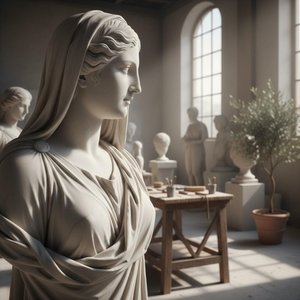
Timeless Elegance: A Complete Guide to the Sublime Beauty and Artistry of Marble Sculpture
Discover the sublime beauty of marble art through an expert exploration of Renaissance and Neoclassical masterpieces. From the delicate textures of Carpeaux to the grandeur of Sansovino, immerse yourself in a guide to timeless elegance and sculptural perfection.

The Enduring Allure of Marble in Art History: From Classical Sculpture to Modern Abstraction
Explore the captivating history of marble sculpture from ancient Greece to modern art. Discover renowned artists like Canova & Michelangelo, carving techniques, and investment insights at OriginalUniqueArt.
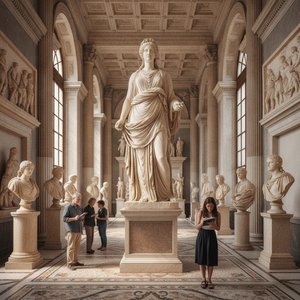
Timeless Grandeur: Exploring the Eternal Beauty and Art-Historical Legacy of Marble Sculpture
Explore the profound legacy of marble sculpture, from Classical antiquity to Neoclassical mastery. A definitive guide for elite collectors and designers seeking to integrate the luminous, eternal beauty of stone into sophisticated, high-end architectural spaces.

The Enduring Form: Exploring Themes & Techniques in Sculpture Across Historical Periods
Explore the rich history of sculpture from ancient masterpieces to contemporary innovations. Discover key techniques, influential artists & investment potential for discerning art collectors.


