
 Náhľad
 Odoslať
 Zdieľať
 Podrobnosti o dielo

 Stiahnuť
 Podobné diela
 RTG skúška
 Prezentácia
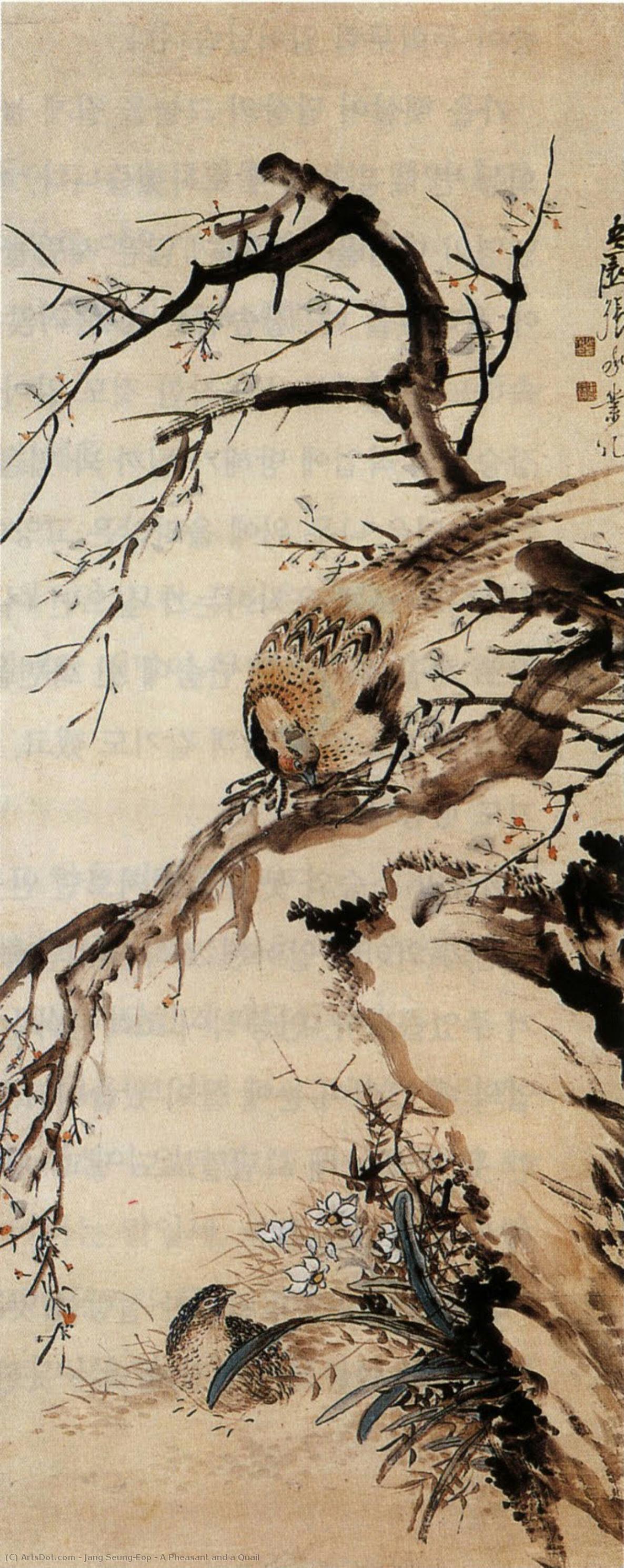
A Pheasant and a Quail
 55.0 x 135.0 cm
 Národný múzeum kórejský
 Zobraziť viac
Ručne maľovaná olejová reprodukcia
Ručne maľovaný olej na plátne vo vašej zvolenej veľkosti a v ráme, vyrobený na mieru našimi umelcami. ( Kúpiť tlač Kúpiť obrázok)




































Vyberte si z našich preddefinovaných rozmerov, ktoré zodpovedajú pôvodným pomeroḿ diela.

Môžete zadať vlastné rozmery tak, aby sa hodili do konkrétneho rámu alebo priestoru. Ak sa váš zvolený rozmer nezhoduje s pôvodnými proporciami obrazu, dielo buď orezáme, alebo ho doplníme ručne maľovanými prvkami. Pred začiatkom výroby vám zašleme digitálny náhľad na schválenie.
Upozorňujeme, že ukážka na obrazovke neodráža skutočné orezanie alebo doplnenie. Skutočnú finálnu kompozíciu zobrazuje iba digitálny náhľad.
Hoci sú k dispozícii vlastné rozmery, odporúčame vybrať rozmer z preddefinovaného zoznamu, aby sme zachovali pôvodné proporcie.
Po odoslaní objednávky vám tím OriginalUniqueArt.com pošle e-mail s pokynmi a poskytne náhľad na návrh.
Celosvetová doprava () za 3 až 4 týždne namiesto štandardných 5 týždňov. (19 august). Bez kompromisov v kvalite.

Bezplatná expresná doprava po celom svete

Prémiové lnianske plátno

Kompletné poistenie prepravy

Záruka vrátenia colného poplatku

Záruka presného farebného zhodnutia

60-dňá politika vrátenia (iba pri defektoch)

100% záruka vrátenia peňazí

Výhodná množstevná zľava
 Možnosť skla je dostupná len pri rozmeroch pod 110 cm

A Pheasant and a Quail
Technika reprodukcie
Veľkosť reprodukcie
-


Celková cena za vybrané možnosti
$ 300
Biografia umelca
The Brush of a Legend: The Life and Legacy of Jang Seung-eop
In the twilight of the Joseon Dynasty, a period of profound cultural transition in Korea, there emerged a painter whose brush possessed the rare ability to capture both the ephemeral beauty of nature and the enduring dignity of the human spirit. Jang Seung-eop, known more intimately by his art name Owon, was not merely a practitioner of traditional techniques but a transformative force in Korean art history. Born in Seoul in 1843, his life was a tapestry of brilliant artistic triumph and personal turbulence, a narrative so compelling that it was later immortalized in the cinematic masterpiece Chi-hwa-seon. Unlike many of his contemporaries who sought status through lineage, Owon’s ascent was fueled by raw, unadulterated talent, eventually earning him the rare distinction of holding an official rank within the royal court—a testament to a skill that even the highest authorities could not ignore.
The artistry of Owon was characterized by a breathtaking synthesis of realism and the classical aesthetics of the East. While he drew deep inspiration from the sophisticated traditions of Chinese and Japanese landscape painting, he remained steadfastly rooted in the Korean soul. His work avoided the encroaching Western influences of his era, choosing instead to refine the delicate balance of calligraphy and ink wash. He possessed an uncanny ability to breathe life into the inanimate; a single stroke could convey the rugged texture of ancient stone or the soft, translucent petal of a spring blossom. His compositions were masterclasses in harmony, where every element—from the sweeping curves of a mountain range to the minute details of a scholar’s study—contributed to a sense of profound equilibrium.
Mastery of Form and the Spirit of the Joseon Era
Owon’s repertoire was as diverse as the landscapes he depicted, ranging from grand, sweeping vistas to intimate, soul-stirring portraits. He was a master of genre painting, finding extraordinary beauty in the mundane rhythms of everyday life. His canvases often transported viewers to bustling marketplaces or serene, secluded gardens, capturing the vitality of the Korean people with an observant and empathetic eye. This mastery extended into his botanical and animal studies, where works such as Flowers and Animals demonstrated his ability to render organic life with both scientific precision and poetic grace. Through his use of ink and light color on paper, he achieved a luminosity that made his subjects appear to vibrate with life.
Beyond the landscapes, Owon’s portraiture remains some of the most evocative of his era. In works like Portrait of a Beauty, he moved beyond mere physical likeness to capture the internal essence and social grace of his subjects. His ability to render delicate facial features and tranquil gazes allowed him to communicate complex emotions through subtle shifts in line and shade. This period of his development saw him perfecting the art of the screen painting, such as the magnificent Still Life with Bronze Vessels and Flowering Plants, where he utilized the expansive format to create intricate, multi-layered narratives of elegance and abundance.
A Lasting Impression on Korean Artistry
The historical significance of Jang Seung-eop cannot be overstated. As one of the "Three Wons" of late Joseon painting, he served as a bridge between the rigid traditions of the past and a more expressive, realistic approach to subject matter. His legacy is not found merely in the museums that house his delicate scrolls, but in the very foundation of modern Korean aesthetic identity. He proved that tradition could be revitalized through observation and emotion without losing its cultural essence. Today, as we look upon his works, we see more than just ink on paper; we see the heartbeat of a bygone era, preserved through the masterful hand of an artist who saw the divine in the details of the world around him.

jang seung-eop
1843 - 1897 , South Korea
Základné informácie
- Artistic Movement Or Style: Realism; Harmony; Chinese & Japanese art influence
- Artists Or Movements Influenced By This Artist: ['Genre paintings']
- Artists Who Influenced This Artist: ['Kim Hong-do']
- Date Of Birth: Seoul, South Korea (1843)
- Date Of Death: 1897
- Full Name: Jang Seung-eop
- Nationality: Korean
- Notable Artworks:
- Portrait of a Beauty
- Still life with bronze vessels and flowering plants
- Place Of Birth: Seoul

