 Náhľad v interiéri
 Odoslať ako digitálnu kartu
 Zdieľať
 Podrobnosti o dielo
 Príručka

 Stiahnuť obraz
 Podobné položky
 RTG skúška
 Prehliadanie diapozoje
 Otázky a odpovede
 Štatistiky
God the Father

- 212.0 x 83.0 cm


 Zobraziť viac
Giclée / Umenotlač
Giclée tlač alebo plátno múzeálnej kvality s rýchlou výrobou a rôznymi možnosťami povrchovej úpravy. ( Kúpiť ručne maľovaný obraz Prepnúť na digitálny obraz)




P118B €10

P118H €10

P118W €10

P438Z €10

P508JH €12

P508YH €12

P805H €10

P805Z €10

P919BZ €10

P919G €10

P919XJ €10

P959ZH €10

P968JZ €12

W106C €8

W218G €10

W218JH €8

W218Y €10

W307PJ €10

W316G €10

W316PJ €8

W316Y €10

W398PJ €8

W4111J €10

W500HY €15

W500JH €15

W692G €12

W849H €8

W940BG €15

W953PJ €8




Vyberte si z našich preddefinovaných rozmerov, ktoré zodpovedajú pôvodným pomeroḿ diela.

Zadajte šírku a výšku, ktoré potrebujete, aby sa reprodukcia hodila k vášmu rámu alebo stene. Print možno len orezávať, nikdy však nemennú veľkosť zvětšiť oproti pôvodnému obrázku, preto pri inom formáte stráca časť obrazu. Pred samotným vytlačiacím procesom vám pošleme digitálny náhľad na schválenie. Obrázok zobrazený na tejto stránke nezobrazuje reálny rez — len digitálny náhľad ukazuje presný výsledok.
Celosvetová doprava () do 2 týždňov namiesto štandardných 4 až 5 týždňov. (6 november)

Bezplatná expresná doprava po celom svete

Vysokokvalitné lnianske plátno

Kompletné poistenie prepravy

Záruka vrátenia colného poplatku

Záruka presného farebného zhodnutia

100-dená politika vrátenia tovaru (iba pri vadách)

100% záruka vrátenia peňazí

Zľava pri väčšom množstve
 Možnosť skla je dostupná len pri rozmeroch pod 110 cm

God the Father
Giclée / Umenotlač
Veľkosť reprodukcie
-


Celková cena
€ 72
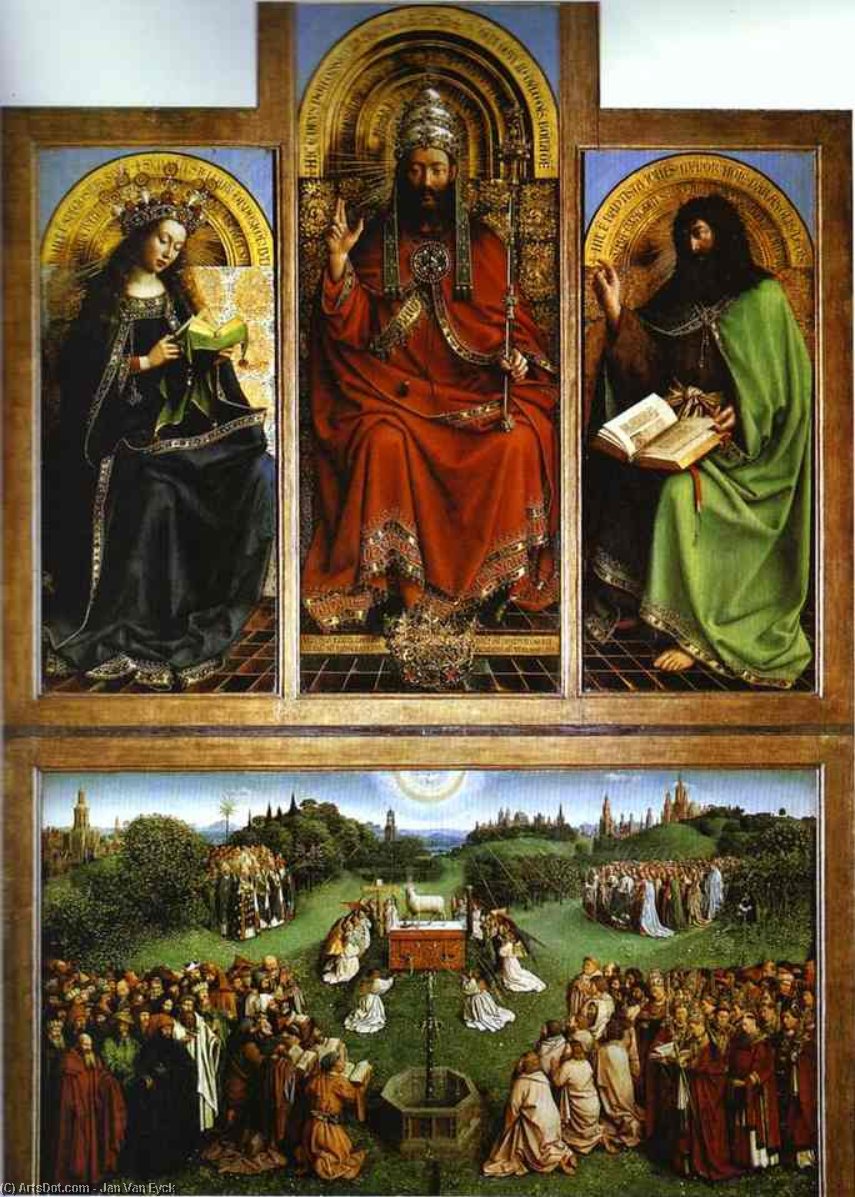
God the Father: A Testament to Renaissance Faith
Jan van Eyck’s “God the Father,” completed in 1432, stands as an unparalleled achievement of Early Netherlandish painting and embodies the spiritual fervor that characterized the burgeoning Northern Renaissance. More than just a depiction of religious iconography, this monumental panel—measuring 212 x 83 cm—represents a pivotal moment in artistic history, marking the decisive adoption of oil paint on wood and establishing Van Eyck as a pioneer whose influence reverberates through subsequent generations of artists. Its location within St Bavo’s Cathedral in Ghent serves as a constant reminder of its enduring significance within Flemish religious culture.Composition and Symbolism: The Trinity Embodied
The painting's composition is deliberately structured to convey profound theological concepts. At its core lies a triad—three figures representing Jesus Christ seated upon thrones, each holding a book—a visual representation of the Holy Trinity. This deliberate arrangement transcends mere artistic convention; it speaks directly to Christian doctrine, emphasizing God’s unity and divine majesty. The central figure is crowned with laurel wreaths, symbolizing his regal authority as King of Heaven, while the flanking figures lack crowns, signifying their roles as the Son and Holy Spirit—figures subordinate yet equally vital in God's plan. Surrounding these central saints are attendants – kneeling figures expressing reverence – further reinforcing the solemn atmosphere and inviting contemplation. An angel positioned prominently on the upper right corner adds to the celestial grandeur of the scene, anchoring it within a realm beyond earthly comprehension.Technique: The Revolutionary Brilliance of Oil Paint
What distinguishes “God the Father” from its contemporaries is undeniably Van Eyck’s masterful manipulation of oil paint—a technique that had begun to gain traction in Northern Europe but was still considered experimental at the time. Unlike tempera, which relies on pigment bound with egg yolk and dries quickly, oil paint allows for gradual layering and blending, resulting in astonishing luminosity and depth. This meticulous attention to detail is evident throughout the painting: observe the subtle gradations of color, capturing the textures of drapery and skin with breathtaking accuracy. The artist’s painstaking rendering of light and shadow creates a palpable sense of realism—a characteristic hallmark of Early Netherlandish art that distinguishes it from the more stylized approaches favored in Italy during the Renaissance.Historical Context: Shaping the Northern Renaissance Aesthetic
“God the Father” emerged against the backdrop of a transformative period for European culture – the Early Netherlandish Art Movement. This movement, fueled by humanist ideals and driven by independent artistic exploration, diverged significantly from the dominant Italian Renaissance style. Artists like Van Eyck prioritized meticulous observation and realistic representation, rejecting idealized forms in favor of capturing the nuances of human anatomy and naturalistic landscapes. The painting’s influence extended far beyond Ghent; it served as a model for subsequent artists across Europe, establishing a distinctive visual language that would define the Northern Renaissance aesthetic for decades to come.Emotional Impact: Reverence and Spiritual Reflection
Ultimately, “God the Father” transcends mere artistic skill; it communicates profound spiritual emotion. The painting’s serene stillness invites viewers into a meditative state—a space for contemplation on faith, humility, and divine grace. Its luminous colors and intricate detail evoke a sense of wonder and reverence, transporting the observer to a realm of celestial beauty. As a testament to Van Eyck's genius and the enduring power of religious art, “God the Father” continues to inspire awe and admiration centuries after its creation—a timeless masterpiece that embodies the very essence of Renaissance spirituality.Otázky a odpovede
Akú mieru kontrastu vykazuje „God the Father“ od Jan van Eyck?
Úroveň kontrastu diela „God the Father“ od Jan van Eyck je Statement.
Je „God the Father“ od Jan van Eyck svetlé alebo tmavé dielo?
Vnímaná jasnosť diela „God the Father“ od Jan van Eyck je shadow. Je možné ju prispôsobiť osvetleniu určeného priestoru.
Aké sýte farby má dielo „God the Father“?
„God the Father“ od Jan van Eyck je zachytený s nasytením Balanced Soft a intenzitou Balanced.
Biografia umelca
Život v svetle: Svet Jana van Eycka
Jan van Eyck, meno neoddeliteľne spojené so zrodom raného holandského maliarstva a revolučným využitím olejomaľby, zostáva záhadnou postavou napriek svojmu obrovskému dopadu na dejiny umenia. Narodil sa okolo roku 1390 v Maastrichte, v dnešnom Holandsku, pochádzal z umeleckej rodiny – jeho starší brat Hubert sa tiež venoval maliarskeho remeslu, hoci detaily o jeho tvorbe zostávajú nejasné. Hoci presné biografické údaje sú vzácne, najmä pokiaľ ide o jeho formujúce roky, je jasné, že Jan mal vrodený talent a rýchlo vystúpil do popredia umeleckých kruhov svojej doby. Už v roku 1422 založil dielňu v Haagu, zamestnával pomocníkov a prijímal zakázky, ktoré signalizovali jeho majstrovstvo remesla. Tento skorý úspech nespočíval len v umeleckých zručnostiach; van Eyck bol inteligentný a dôveryhodný muž, vlastnosti, ktoré ho čoskoro pritiahli do služieb mocných patrónov.Slúžba Burgundsku: Diplomacia a umelecký rozkvet
Kľúčový moment v kariére van Eycka nastal jeho menovaním na burgundský dvor, najprv pod Jánom III. Pitiless a neskôr Filipom Dobrým. Toto nebolo len patronátne usporiadanie; van Eyck bol poverený diplomatickými misiami, čo dokazovalo dôveru vojvodu v jeho diskrétnosť a inteligenciu. Tieto cesty po Európe – vrátane ciest do Portugalska a Španielska – ho vystavili rôznym kultúram a umeleckým vplyvom, ktoré jemne formovali jeho vyvíjajúci sa štýl. Dvor poskytol nielen finančnú istotu, ale aj prístup k zdrojom, ktoré umožnili van Eyckovi realizovať ambicióznejšie projekty, posúvajúc hranice umeleckého dosahu. Nebol len maliar *pre* burgundskú elitu; stal sa neoddeliteľnou súčasťou ich sveta, odrážajúc a zvyšujúc ich prestíž prostredníctvom svojho umenia. Táto jedinečná pozícia mu poskytla úroveň umeleckej slobody, ktorá bola zriedkavá pre maliarov tej doby, čo umožnilo experimentovanie a inovácie, ktoré navždy zmenili chod maľby.Alchýmia oleja: Revolúcia v technike
Hoci van Eyck nevynikol olejomaľbu – jej použitie predchádza jeho práci – nepochybne je jej majstrom zdokonaľovateľom. Pred jeho inováciami bola tempera dominantným médiom, ktoré ponúkalo obmedzené možnosti miešania a relatívne matný povrch. Van Eyck odomkol plný potenciál olejomaľby pomocou starostlivého nanášania priehľadných glazúr, dosahujúc bezprecedentnú úroveň detailov, luminiscencie a realizmu. Táto technika umožnila jemné prechody tónov, bohatšie farby a vytváranie textúr, ktoré napodobňovali skutočný život. Účinok bol transformačný; povrchy sa zdali žiariť zvnútra, látky mali hmatateľnú kvalitu a portréty zachytili nielen podobnosť, ale aj psychologickú hĺbku. Jeho majstrovstvo nebolo len technické – bol to alchemický proces, ktorý premieňal pigmenty na niečo pripomínajúce živú realitu. Táto inovácia nezostala bez povšimnutia; stala sa základom pre generácie nasledujúcich maliarov a zásadne zmenila krajinu západného umenia.Majstrovské diela a trvalé dedičstvo
Umelecký odkaz van Eycka je upevnený relatívne malým, ale hlboko vplyvným súborom diel. Gentský oltár (1432), monumentálny polyptychon, stojí ako jeho najambicióznejší projekt – komplexná tapiséria náboženskej symboliky a technickej brilantnosti. Rovnako známy je aj portrét *Giovanna Arnolfiniho a jeho manželky* (1434), priekopnícke dielo v portrétoch oslavované pre svoj realizmus, zložité detaily a záhadnú symboliku. Medzi ďalšie pozoruhodné práce patrí Dresdenský triptych, ktorý demonštruje jeho schopnosť zobrazovať náboženské scény s pozoruhodnou jasnosťou, a výrazný *Muž v modrom turbáne*, dôkaz jeho schopnosti zachytiť individuálny charakter. Tieto obrazy nie sú len vizuálne reprezentácie; sú to okná do iného sveta – sveta meticulózne vykresleného s takmer obsesívnou pozornosťou k detailom. Vplyv van Eycka presahuje tieto ikonické diela, formuje vývoj raného holandského maliarstva a inšpiruje nespočetných umelcov po stáročia. Zomrel v Bruggách v roku 1441 a zanechal odkaz, ktorý rezonuje dodnes a pripomína nám silu umenia osvetľovať ľudskú skúsenosť.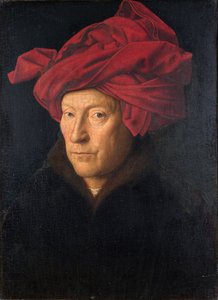
Jan van Eyck
1390 - 1441 , Holandsko
Základné informácie
- Artistic Movement Or Style: Rané nizozemské maliarstvo
- Artists Or Movements Influenced By This Artist: ['Rané nizozemské maliarstvo']
- Date Of Birth: cca 1390
- Date Of Death: 1441
- Full Name: Jan van Eyck
- Nationality: Flámsky
- Notable Artworks (List Of Titles):
- Gentský oltár
- Arnolfiniho portrét
- Dresdenské triptychy
- Place Of Birth (City And Country): Maastricht, Nizozemsko
Súvisiace články

Top 10 majstrov raného nizozemského maliarstva: Diela, ktoré zmenili dejiny umenia | OriginalUniqueArt
Objavte 10 majstrov raného nizozemského maliarstva – Jan van Eyck, Rogier van der Weyden a ďalší. Prežite príbehy ikonických diel renesancie a inšpirujte sa pre váš interiér s kvalitnými reprodukciami na OriginalUniqueArt.com.
Top 10 majstrov ranej holandskej renesancie: Obrazy, ktoré zmenili umenie | OriginalUniqueArt
Objavte 10 ikonických majstrov raného holandskej renesancie – Jan van Eyck, Rogier van der Weyden a ďalší. Prežite príbehy umenia, techniky a symbolizmu. Reprodukcie obrazov pre váš interiér na OriginalUniqueArt.com.

Hugo van der Goes: Devotion, Innovation & the Psychological Depth of Early Netherlandish Painting
Explore the revolutionary art of Hugo van der Goes – a master of Early Netherlandish painting renowned for his dramatic realism, psychological depth & profound influence on Renaissance artists. Discover his iconic works and lasting legacy.

Illuminating Realism: A Comprehensive Exploration of the Early Netherlandish Renaissance Movement
Explore the captivating world of Early Netherlandish painting! Discover Jan van Eyck & other Flemish masters, their revolutionary techniques, hidden symbolism, and lasting legacy. A comprehensive guide for art enthusiasts.

Jan van Eyck: Innovation, Symbolism & the Dawn of Early Netherlandish Painting
Explore the revolutionary art of Jan van Eyck! Discover his groundbreaking oil painting techniques, hidden symbolism, and lasting impact on the Early Netherlandish Renaissance. A deep dive for art enthusiasts.


