
 Náhľad
 Odoslať
 Zdieľať
 Podrobnosti o dielo

 Stiahnuť
 Podobné diela
 RTG skúška
 Prezentácia
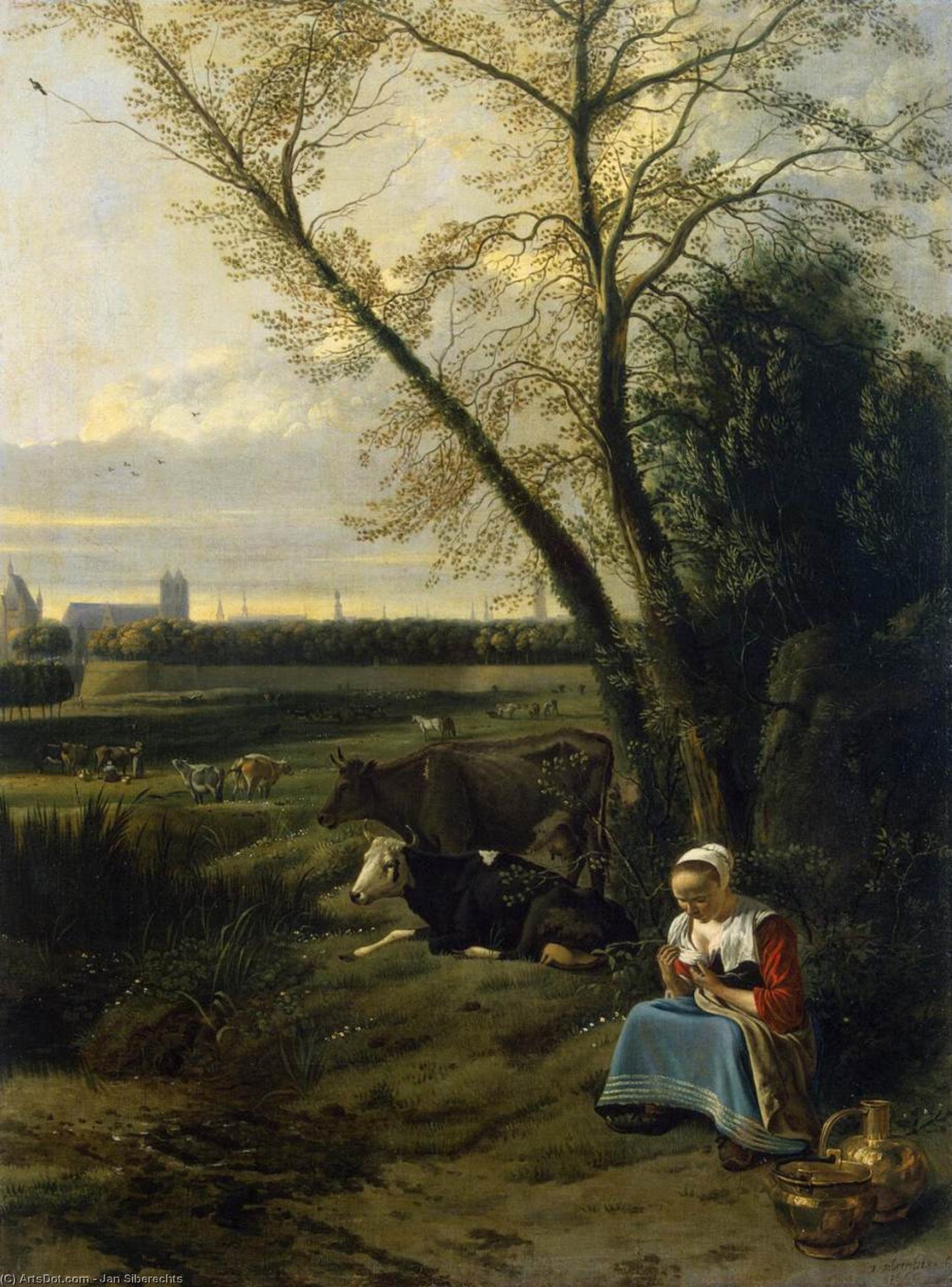
Shepherdess
 Oil On Canvas
- WallArt
- Baroque Landscape
 1660
1660 104.0 x 78.0 cm
 Ermitáž
 Zobraziť viac
Ručne maľovaná olejová reprodukcia
Ručne maľovaný olej na plátne vo vašej zvolenej veľkosti a v ráme, vyrobený na mieru našimi umelcami. ( Kúpiť tlač Kúpiť obrázok)




P118B $10

P118H $10

P118W $10

P438Z $10

P508JH $12

P508YH $12

P805H $10

P805Z $10

P919BZ $10

P919G $10

P919XJ $10

P959ZH $10

P968JZ $12

W106C $8

W218G $10

W218JH $8

W218Y $10

W307PJ $10

W316G $10

W316PJ $8

W316Y $10

W398PJ $8

W4111J $10

W500HY $15

W500JH $15

W692G $12

W849H $8

W940BG $15

W953PJ $8




Vyberte si z našich preddefinovaných rozmerov, ktoré zodpovedajú pôvodným pomeroḿ diela.

Môžete zadať vlastné rozmery tak, aby sa hodili do konkrétneho rámu alebo priestoru. Ak sa váš zvolený rozmer nezhoduje s pôvodnými proporciami obrazu, dielo buď orezáme, alebo ho doplníme ručne maľovanými prvkami. Pred začiatkom výroby vám zašleme digitálny náhľad na schválenie.
Upozorňujeme, že ukážka na obrazovke neodráža skutočné orezanie alebo doplnenie. Skutočnú finálnu kompozíciu zobrazuje iba digitálny náhľad.
Hoci sú k dispozícii vlastné rozmery, odporúčame vybrať rozmer z preddefinovaného zoznamu, aby sme zachovali pôvodné proporcie.
Po odoslaní objednávky vám tím OriginalUniqueArt.com pošle e-mail s pokynmi a poskytne náhľad na návrh.
Celosvetová doprava () za 3 až 4 týždne namiesto štandardných 5 týždňov. (14 august). Bez kompromisov v kvalite.

Bezplatná expresná doprava po celom svete

Prémiové lnianske plátno

Kompletné poistenie prepravy

Záruka vrátenia colného poplatku

Záruka presného farebného zhodnutia

60-dňá politika vrátenia (iba pri defektoch)

100% záruka vrátenia peňazí

Výhodná množstevná zľava
 Možnosť skla je dostupná len pri rozmeroch pod 110 cm

Shepherdess
Technika reprodukcie
Veľkosť reprodukcie
-


Celková cena za vybrané možnosti
$ 300
Popis diela
A Pastoral Vision: Jan Siberechts’ “Shepherdess”
Jan Siberechts' "Shepherdess," painted around 1660, isn’t merely a depiction of rural life; it’s a carefully constructed tableau brimming with quiet dignity and an almost palpable sense of serenity. This oil on canvas, currently residing in the Hermitage Museum in St. Petersburg, Russia, offers a glimpse into a world where humanity exists in harmonious balance with nature – a rare and profoundly affecting vision for its time. The painting immediately draws the eye to the central figure, a young shepherdess seated beneath a gnarled, skeletal tree, her posture relaxed yet imbued with an understated grace. She’s not actively engaged in labor; instead, she seems lost in contemplation, holding a small bird – a symbol of innocence and connection to the natural world – gently in her hands.
Siberechts, a Flemish artist working during a period of transition between the Dutch Golden Age and the rise of English landscape painting, skillfully blends influences. His early works, like this one, reveal a clear debt to the Dutch Italianates—artists who had embraced the idealized landscapes of Italy—noting their emphasis on golden light and tranquil scenes. However, Siberechts quickly developed his own distinct style, characterized by meticulous detail and an almost photographic realism, particularly evident in the rendering of textures – from the rough bark of the tree to the soft fur of the cow grazing nearby.
The Language of Light and Color
The painting’s power lies not just in its subject matter but also in Siberechts' masterful use of light and color. The palette is dominated by earthy tones—ochres, browns, and greens—creating a sense of groundedness and connection to the land. Yet, these muted hues are punctuated by vibrant accents – the red bodice of the shepherdess, the blue of her skirt, and the yellow of the bird – which draw the eye and inject a subtle energy into the scene. The light filtering through the branches of the tree casts dappled shadows across the landscape, adding depth and dimension to the composition.
Notably, Siberechts employed a technique known as *chiaroscuro*, skillfully contrasting areas of light and shadow to create a dramatic effect. This is particularly evident in the way he illuminates the shepherdess’s face, highlighting her features and drawing attention to her serene expression. The use of atmospheric perspective—where distant objects appear paler and less distinct—further enhances the sense of depth and space.
Symbolism and Context
Beyond its aesthetic beauty, “Shepherdess” is rich in symbolic meaning. The shepherdess herself represents innocence, purity, and a connection to the natural world – values highly prized during the 17th century. The bird she holds symbolizes hope, freedom, and the fleeting nature of life. The presence of the cow reinforces this pastoral theme, evoking images of abundance and fertility. Considering Siberechts’ later work in England, it's fascinating to note how he retained these core Flemish elements while adapting his style to suit a new audience.
Painted during a period of significant social and political upheaval in Europe, “Shepherdess” offers a respite from the turmoil of the time. It’s a reminder of a simpler way of life—a world where humans lived in harmony with nature and found contentment in the rhythms of rural existence. The painting's enduring appeal lies in its ability to transport us to this idyllic realm, inviting us to pause and reflect on our own relationship with the natural world.
A Legacy of Landscape Painting
Jan Siberechts’ “Shepherdess” holds a significant place in art history as one of the earliest examples of English landscape painting. His meticulous attention to detail, his masterful use of light and color, and his ability to capture the essence of rural life paved the way for future generations of British artists. His work influenced figures like William-Adolphe Bouguereau, whose own depictions of shepherdesses—such as “The Little Shepherdess”—demonstrate a clear debt to Siberechts’ pioneering vision.
Today, "Shepherdess" continues to captivate viewers with its timeless beauty and profound emotional resonance. It stands as a testament to the enduring power of art to transport us to other worlds and remind us of the values that matter most—peace, harmony, and connection to nature.
Biografia umelca
A Flemish Vision in England: The Life and Art of Jan Siberechts
Jan Siberechts, born in Antwerp in 1627, occupies a fascinating position in the history of European art—a bridge between the vibrant traditions of Flemish painting and the burgeoning landscape tradition of England. His story is one of artistic development, fortunate patronage, and ultimately, pioneering influence. The son of a sculptor also named Jan Siberechts, he received his initial training within the family workshop, absorbing the skills and aesthetic sensibilities that would form the foundation of his career. By 1648, he had achieved master status in the prestigious Guild of Saint Luke in Antwerp, signaling his recognition as a skilled craftsman. While concrete evidence remains elusive, art historians speculate about a possible sojourn to Italy during the late 1640s or early 1650s. Though unconfirmed, this potential exposure to Italianate landscape painting—with its emphasis on classical compositions and atmospheric perspective—undoubtedly left an imprint on his evolving style, visible in the early works that showcase a delicate balance between Flemish realism and Italianate ideals. His marriage to Maria-Anna Croes in 1652 marked a period of stability as he honed his craft, initially drawing inspiration from Dutch masters like Nicolaes Berchem and Karel Dujardin, whose pastoral scenes and nuanced light effects resonated with his artistic inclinations.Early Training and Flemish Roots
Siberechts’ formative years were steeped in the traditions of Antwerp’s artistic milieu. His father’s sculptural practice instilled within him a profound understanding of form and materiality—qualities that would permeate his own paintings. The Guild of Saint Luke provided him with invaluable access to technical knowledge and established standards of excellence, shaping his artistic approach from its inception. Although biographical details remain sparse, scholarly research suggests he may have traveled briefly to Italy during this period, absorbing the stylistic innovations championed by artists like Pietro Testa and Giovanni Battista Gaulli—influences that subtly informed his early canvases. These influences are particularly evident in works such as “The Ford” and “PAYSAGE AVEC FIGURES,” where Siberechts skillfully blends Flemish realism with elements of Italianate landscape painting, demonstrating a remarkable sensitivity to atmospheric perspective and compositional balance.Dutch Influences and Pastoral Visions
Prior to his engagement with English landscapes, Siberechts’ artistic trajectory was significantly shaped by the Dutch masters—particularly Nicolaes Berchem and Karel Dujardin. These painters cultivated a distinctive genre of pastoral scenes characterized by idealized depictions of rural life, luminous color palettes, and meticulous attention to detail. Siberechts absorbed these techniques and aesthetic sensibilities, incorporating them into his own compositions with considerable success. His paintings frequently portray women engaged in domestic tasks—weaving, spinning flax, tending livestock—creating images that celebrate the rhythms of rural existence while simultaneously conveying a sense of serenity and beauty. The subtle interplay of light and shadow—a hallmark of Berchem’s style—is skillfully replicated in Siberechts’ canvases, enhancing their visual impact and contributing to their emotional resonance.The English Patronage and Landscape Innovation
A pivotal moment arrived in 1660 when Siberechts began to forge his own distinctive artistic voice, focusing increasingly on the landscapes of Flanders and establishing himself as a leading exponent of this genre. However, it was his encounter with George Villiers, the Second Duke of Buckingham—during a visit to Antwerp—that propelled him into a new realm of artistic endeavor. Recognizing Siberechts’ exceptional talent, Buckingham invited him to decorate Cliveden House—a commission that would solidify his reputation as a landscape innovator and transform his career path. This undertaking demanded considerable ambition and technical prowess, resulting in monumental canvases that captured the grandeur of the estate and its surrounding countryside with breathtaking accuracy. Siberechts' meticulous observation of nature—combined with his masterful manipulation of color and light—established him as a pioneer of the English country house portrait.Legacy and Enduring Influence
Siberechts’ contribution to art history transcends mere stylistic imitation; he fundamentally reshaped perceptions of landscape painting in England. His canvases, notably “Belsize Estate,” exemplify his ability to convey not only topographical information but also an evocative sense of place—a feat achieved through innovative compositional techniques and atmospheric effects. Approximately one hundred works attributed to Siberechts have survived, offering invaluable insight into his artistic evolution and demonstrating the breadth of his stylistic range. He mentored Peter Tillemans and Hendrik Frans de Cort, passing on his knowledge and fostering a new generation of Flemish landscape painters. Jan Siberechts’ legacy endures as a testament to the transformative power of artistic vision—a vision that continues to inspire admiration and scholarly study centuries after its inception. His paintings are more than just landscapes; they are windows into a bygone era, offering a glimpse into the lives and aspirations of those who inhabited them.
Jan Sibecktes
1627 - 1703 , Belgícko
Základné informácie
- Artistic Movement Or Style: Barok
- Artists Or Movements Influenced By This Artist:
- Peter Tillemans
- British landscape
- Artists Who Influenced This Artist:
- Nicolaes Berchem
- Karel Dujardin
- Date Of Birth: 1627
- Date Of Death: 1703
- Full Name: Jan Siberechts
- Nationality: Flemish
- Notable Artworks:
- Ford
- PAYSAGE AVEC FIGURES
- Belsize Estate
- Place Of Birth: Antwerp, Belgium
Súvisiace články

John Constable: Top 25 Majstrovských Diel pre Váš Domov | OriginalUniqueArt.sk
Ponorte sa do sveta Johna Constabla s OriginalUniqueArt.sk! Objavte top 25 majstrovských diel anglického romantizmu – od ikonického Hay Wain až po krajinárske motívy Suffolku. Kvalitné reprodukcie obrazov pre váš domov. Preskúmajte celú kolekciu online!
Jan Brueghel the Elder: A Master of Flemish Landscape & Allegory – Exploring Innovation & Influence
Explore the captivating world of Jan Brueghel the Elder, a Flemish Baroque master renowned for his stunning landscapes & allegorical paintings. Discover his collaborations with Rubens and lasting artistic legacy.
Top 10 krajín v umení: Majstrovské diela pre váš domov | OriginalUniqueArt
Objavte top 10 krajín v umení od Van Gogha po Monet! Prežite príbehy slávnych majstrov a ich ikonických diel. Reprodukcie obrazov pre váš domov na OriginalUniqueArt.com – múzejná kvalita, inšpirácia a dekorácie.

Cultivating Visions: A Historical Journey Through Rural Landscapes in Art
Explore the rich history of rural landscape painting with OriginalUniqueArt. Discover Impressionist masterpieces, key artists & movements. Find your perfect serene artwork and bring nature's beauty home.

Top 10 Majstrov Romantickej Krajinomaľby: Obrazy, ktoré zmenili svet umenia
Ponorte sa do sveta romantickej krajinomaľby! Objavte top 10 majstrovských diel od Friedricha, Turnera a ďalších. Historické obrazy prírody s nádychom emócií. Reprodukcie obrazov pre váš interiér na OriginalUniqueArt.com.

