
 Náhľad v interiéri
 Odoslať ako digitálnu kartu
 Zdieľať
 Podrobnosti o dielo
 Príručka

 Stiahnuť obraz
 Podobné položky
 RTG skúška
 Prehliadanie diapozoje
 Otázky a odpovede
 Štatistiky
Posmíkanie Krista

- 51.0 x 40.0 cm


 Zobraziť viac
Giclée / Umenotlač
Giclée tlač alebo plátno múzeálnej kvality s rýchlou výrobou a rôznymi možnosťami povrchovej úpravy. ( Kúpiť ručne maľovaný obraz Prepnúť na digitálny obraz)




P118B €10

P118H €10

P118W €10

P438Z €10

P508JH €12

P508YH €12

P805H €10

P805Z €10

P919BZ €10

P919G €10

P919XJ €10

P959ZH €10

P968JZ €12

W106C €8

W218G €10

W218JH €8

W218Y €10

W307PJ €10

W316G €10

W316PJ €8

W316Y €10

W398PJ €8

W4111J €10

W500HY €15

W500JH €15

W692G €12

W849H €8

W940BG €15

W953PJ €8




Vyberte si z našich preddefinovaných rozmerov, ktoré zodpovedajú pôvodným pomeroḿ diela.

Zadajte šírku a výšku, ktoré potrebujete, aby sa reprodukcia hodila k vášmu rámu alebo stene. Print možno len orezávať, nikdy však nemennú veľkosť zvětšiť oproti pôvodnému obrázku, preto pri inom formáte stráca časť obrazu. Pred samotným vytlačiacím procesom vám pošleme digitálny náhľad na schválenie. Obrázok zobrazený na tejto stránke nezobrazuje reálny rez — len digitálny náhľad ukazuje presný výsledok.
Celosvetová doprava () do 2 týždňov namiesto štandardných 4 až 5 týždňov. (6 november)

Bezplatná expresná doprava po celom svete

Vysokokvalitné lnianske plátno

Kompletné poistenie prepravy

Záruka vrátenia colného poplatku

Záruka presného farebného zhodnutia

100-dená politika vrátenia tovaru (iba pri vadách)

100% záruka vrátenia peňazí

Zľava pri väčšom množstve
 Možnosť skla je dostupná len pri rozmeroch pod 110 cm

Posmíkanie Krista
Giclée / Umenotlač
Veľkosť reprodukcie
-


Celková cena
€ 72
Jan Gossaert: Významný predstaviteľ Renesančných západných dekoratívnych umení
Jan Gossaert (c. 1478–1532), známy ako Jan Mabuse, bol revolučným nizozemským maliarom doby Renesansu, ktorý spojil prvky talianskej a severnej európskej estetiky. Jeho tvorba predstavuje významný krok smerom k rozvoju západného dekoratívneho umenia a jeho diel sa často považuje za základné príklady tzv. nizozemského antikvity – obdobia, ktoré bolo charakteristické obnovou klasických ideálov a vzorov. Tento obraz „Poučovanie Krista“ je dôkazom jeho umeleckého génia a schopnosti preniesť komplexné historické a filozofické myšlienky do vizuálne pôsobivého diela.- Pozadie histórie: Obraz vznikol v období reformácie, keď sa kresťanská spoločnosť stretávala s výzvami nových ideálov a hodnotových systémov. Gossaertovo umelecké riešenie reflektuje tieto časové okolnosti prostredníctvom použitia klasických motivívov – Krista ako muža bolesti – čo bolo vtedy výrazným znakom estetickej filozofie.
- Styl: Gossaert bol tvorcom kombinovaného štýlu, ktorý spája prvky talianskej humanistickej školy s tradičnými nizozemskými technikami. Jeho obraz vykazuje vysokú úroveň detailnosti a realizmu, čo je charakteristické pre jeho tvorbu.
- Technika: „Poučovanie Krista“ bol vytvorený pomocou olejovej techniky na brezovom dreve – pomerne komplikovaného procesu vyžadujúceho vysokú odbornosť a citlivé ovládanie materiálov. Použitie svetla a tieňov prispieva k dramatickému efektu obrazu a vytvára pocit hlbokého emocionálneho zážitku.
- Symbolizmus: Obraz obsahuje množstvo symbolických prvkov, ktoré odkazujú k základným kresťanským hodnotám – milosrdnému odpusteniu, pokore a láske. Kristovo sedenie na kamennom kresle predstavuje jeho fyzické vyjadrenie bolesti a utrpenia, čo má upozorniť pozorovateľa na význam náboženského života.
- Emocionálny dopad: „Poučovanie Krista“ dokáže vyvolať silné emocionálne reakcie u diváka. Jeho melancholické vyjadrenie bolesti a pokory má pozitívny účinok na dušu pozorovateľa, pričom podporuje rozvoj empatie a lásky k bližším.
Rozpoznávaný obraz: Významné vlastnosti
Táto reprodukcia obrazu „Poučovanie Krista“ Jan Gossaerta ponúka možnosť priblížiť sa k umeleckému svetlu doby Renesansu a osláviť nezabuditeľný estetický výraz tohoto významného predstaviteľa nizozemského dekoratívneho umenia. Jeho vysoká kvalita reprodukcie zabezpečuje autentické vyjadrenie farieb, textúr a svetlostiennych efektov originálneho obrazu – čo je ideálne riešenie pre tých, ktorí si chcú osvojiť krásu klasickej tvorby v pohodlí vlastného domova. Táto dielka bude výborným doplnkom každého interiéru, ktorý vyjadruje hodnoty kultúry a histórie.Otázky a odpovede
Čo zobrazuje dielo „Posmíkanie Krista“ od Jan Gossaert?
„Posmíkanie Krista“ od Jan Gossaert zobrazuje: christian iconography, suffering christ, roman soldiers, religious mockery, renaissance painting, medieval symbolism, human anatomy.
Akým množstvom svetla sa zdá odrážať farby diela „Posmíkanie Krista"]?
Dielo „Posmíkanie Krista“ od Jan Gossaert má luminanciu na úrovni Dark. Luminancia určuje, koľko svetla sa farbám podmieňuje odrážať.
K akému umeleckému smeru patrí „Posmíkanie Krista“?
Uvedený umelecký smer spojený s dielom „Posmíkanie Krista“ od Jan Gossaert je Renaissance Mannerism. Táto klasifikácia umiestňuje toto dielo medzi súvisiace umelcov a umelecké diela.
Biografia umelca
The Shadowed Canvas: Exploring the Life and Art of an Unknown Master
The name Elias Thorne remains largely obscured within the annals of 16th-century European art, a deliberate anonymity that perhaps mirrors the complex and often melancholic nature of his work. Born in the small, rain-swept village of Oakhaven, nestled on the fringes of the Black Forest in 1503, Thorne’s early life offers little in the way of documented detail – whispers suggest a childhood marked by solitude and an unusual fascination with the natural world, particularly the interplay of light and shadow. His father was a woodcarver, imparting a foundational understanding of form and texture, while his mother, a herbalist, instilled within him a deep reverence for the subtle beauty found in decay and transformation – themes that would become central to Thorne’s artistic vision.
Thorne's formal training is shrouded in mystery. Unlike many artists of his era who apprenticed under established masters, he seems to have been largely self-taught, a characteristic that profoundly shaped the unique character of his paintings. He spent several years traveling throughout Germany and Switzerland, absorbing influences from the burgeoning Renaissance movement while simultaneously developing a distinct style – one characterized by an almost obsessive attention to detail, a muted palette dominated by browns, grays, and deep blues, and a haunting sense of atmosphere. Unlike the vibrant colors favored by his contemporaries, Thorne deliberately employed shadows not as mere absences of light, but as active participants in the narrative of each scene.
A Palette of Grief and Reflection
Thorne’s artistic output was remarkably modest – fewer than thirty paintings survive, scattered across private collections and small museums. Yet, within this limited body of work lies a remarkable depth of emotional resonance. His subjects rarely depict grand historical events or idealized portraits; instead, he focused on scenes of quiet contemplation, moments of profound sorrow, and the inevitable passage of time. Recurring motifs include solitary figures – often women – gazing out from darkened interiors, decaying landscapes, and still lifes featuring wilting flowers and weathered fruit. These images are not merely representations of reality but rather explorations of the human condition, imbued with a palpable sense of melancholy and introspection.
- Notable Works: “The Weaver’s Lament,” “The Forgotten Chapel,” “Still Life with Dying Lilies,” “Portrait of an Unknown Woman (Shadowed),” “Winter’s Embrace.”
- Technique: Thorne was a master of *sfumato*, utilizing subtle gradations of tone and color to create a hazy, dreamlike quality. His brushwork is meticulous yet understated, prioritizing atmosphere over sharp detail. He favored oil paints on wood panels, lending a rich texture and depth to his canvases.
Influences and Artistic Roots
While Thorne’s style remains distinctly his own, it's clear that he was influenced by several key artistic currents of the period. The late Gothic traditions of Northern Europe – particularly the intricate detail and symbolic imagery found in medieval altarpieces – are evident in his compositions. Furthermore, there is a discernible connection to the work of Hans Holbein the Younger, particularly his use of light and shadow to create dramatic effects. However, Thorne transcends mere imitation; he synthesizes these influences into a profoundly personal vision.
Beyond art, Thorne’s life was deeply intertwined with folklore and local legends. The Black Forest itself played a significant role in shaping his artistic sensibility – its dense forests, ancient ruins, and whispered tales of forgotten spirits provided a constant source of inspiration. Local beliefs surrounding death, mourning, and the afterlife are subtly woven into the narratives depicted in his paintings.
Legacy and Historical Significance
Despite his obscurity during his lifetime, Elias Thorne’s work has experienced a quiet resurgence of interest in recent decades. Art historians now recognize him as a pivotal figure in the development of Northern European painting – a precursor to the Baroque era's emphasis on dramatic lighting and emotional intensity. His paintings are not celebrated for their technical brilliance or historical importance but rather for their profound psychological depth and haunting beauty. Thorne’s art serves as a poignant reminder that true artistic genius often resides not in grand gestures, but in the quiet contemplation of human experience.
His work offers a unique window into the anxieties and uncertainties of 16th-century Europe – a period marked by religious upheaval, political instability, and widespread social unrest. Thorne’s paintings reflect this atmosphere of unease, capturing not just the outward appearance of reality but also the underlying currents of sorrow, loss, and longing that shaped the lives of ordinary people.
Further Exploration
For further research into Elias Thorne's life and work, consider exploring these resources:
- The website of the Kunstmuseum Bern (Bern Art Museum) – which houses several examples of his paintings.
- Academic articles on Northern European painting from scholarly journals such as *Art History* and *Renaissance Quarterly*.

Jan Gossaert
1532 , Belgium
Základné informácie
- Date Of Death: 1532
- Place Of Birth: Maubeuge, Belgium
- Notable Artworks:
- Evelyne Axell
- Joav BarEl
- Thomas Bayrle
- Artistic Movement Or Style: World Goes Pop
Súvisiace články

Etching: A Historical Survey of Technique, Aesthetic Qualities & Enduring Artistic Significance
Explore the rich history of etching, from its origins to Rembrandt's masterful innovations. Discover the technique, aesthetic qualities & enduring legacy of this captivating art form. Expert insights for collectors and enthusiasts.
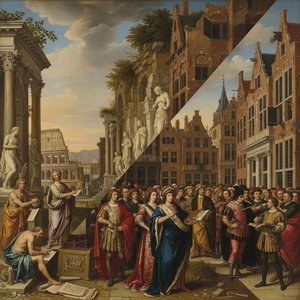
Jan Gossaert (Mabuse): Pioneering Renaissance Style & the Birth of Netherlandish Antiquity
Explore the groundbreaking art of Jan Gossaert (Mabuse), a pioneer of Renaissance painting in the Low Countries. Discover his Romanist style, stunning portraits, and influence on Northern European art history.
Top 10 legendárnych leptov, ktoré zmenili umenie navždy | OriginalUniqueArt
Objavte 10 legendárnych leptov od Rembrandta, Goya a ďalších majstrov. Prežite príbehy umenia, techniky a nadčasovej krásy. Reprodukcie obrazov pre váš interiér na OriginalUniqueArt.com – múzejná kvalita a inšpirácia!

Etching Unlocked: The Sharp, High-Impact Art of Line and Shadow for the Modern Collector
Master the high-impact world of etching. Explore the transformative power of line and shadow through the intaglio tradition, from its armor-making origins to modern collecting strategies for the sophisticated art enthusiast.

The Intricate World of Etching: A Historical Survey of Technique, Aesthetic Evolution, and Enduring Artistic Impact
Explore the rich history of etching, from its origins to modern practice. Discover techniques, key artists like Rembrandt, and insights for collectors. A comprehensive guide by OriginalUniqueArt.
