

 Náhľad
 Odoslať
 Zdieľať
 Podrobnosti o dielo

 Stiahnuť
 Podobné diela
 RTG skúška
 Prezentácia
The Young Keeper
 1874
1874 85.0 x 63.0 cm
 Zobraziť viac
Giclée / Umenotlač
Giclée tlač alebo plátno múzeálnej kvality s rýchlou výrobou a flexibilnými možnosťami povrchovej úpravy. ( Kúpiť ručne maľovaný obraz Kúpiť obrázok)




































Vyberte si z našich preddefinovaných rozmerov, ktoré zodpovedajú pôvodným pomeroḿ diela.

Môžete zadať vlastné rozmery, aby sa reprodukcia prispôsobila konkrétnemu rámu alebo priestoru. Ak zvolená veľkosť nebude zodpovedať proporciám originálu, dielo buď orežeme, alebo obraz rozšírime pomocou zrkadlenia či farebného doplnenia okrajov. Pred začatím výroby vám pošleme digitálnu ukážku na schválenie.
Máte na vedomí, že náhľad na obrazovke neodzrkadľuje skutočné orezanie alebo rozšírenie. Len digitálna ukážka presne zobrazí finálnu kompozíciu.
Hoci sú k dispozícii vlastné rozmery, pre zachovanie pôvodných proporcií odporúčame vybrať si rozmer z vopred definovaného zoznamu.
Celosvetová doprava () do 2 týždňov namiesto štandardných 4/5 týždňov. (25 august)

Bezplatná expresná doprava po celom svete

Prémiové lnianske plátno

Kompletné poistenie prepravy

Záruka vrátenia colného poplatku

Záruka presného farebného zhodnutia

60-dňá politika vrátenia (iba pri defektoch)

100% záruka vrátenia peňazí

Výhodná množstevná zľava
 Možnosť skla je dostupná len pri rozmeroch pod 110 cm

The Young Keeper
Giclée / Umenotlač
Veľkosť reprodukcie
-


Celková cena za vybrané možnosti
$ 80
Biografia umelca
James Hardy II (1832–1889): A Pioneer of Victorian Hunting Painting
James Hardy II, born in Cranleigh, Surrey, England, in 1877, emerged as a singular figure within the British art landscape—specifically recognized for his masterful depictions of hunting scenes and rural life during the Victorian era. Raised in a family deeply rooted in mathematics and education, Hardy’s formative years instilled an unwavering fascination with numbers and intellectual exploration, shaping him into the artist he would become. His early aptitude for mathematical reasoning was evident from childhood, where he engaged in spirited debates about philosophical concepts—most notably Santa Claus—demonstrating a characteristic blend of curiosity and independent thought. Hardy's artistic journey began at Winchester College, followed by studies at Trinity College Cambridge, where he honed his skills under the guidance of influential mathematicians like Robert Alfred Herman and Augustus Love. It was Love’s recommendation to delve into Camille Jordan’s Cours d’analyse that proved pivotal, introducing Hardy to a more rigorous mathematical tradition originating in continental Europe—a foundation that would profoundly impact his artistic sensibilities. He joined the Cambridge Apostles, an elite intellectual society, fostering connections with fellow thinkers who shared his passion for knowledge and debate. This association instilled within him a belief in holistic education, advocating for reforms at Cambridge University that prioritized broader intellectual development alongside traditional academic pursuits. A transformative encounter occurred when Hardy invited Srinivasa Ramanujan, a brilliant Indian mathematician he had barely known, to Cambridge. Recognizing Ramanujan’s extraordinary talent—a skill far surpassing conventional understanding—Hardy established a lifelong collaboration that cemented his legacy as a champion of unconventional brilliance. Their correspondence revealed Hardy's profound admiration for Ramanujan, describing him as “the one romantic incident in my life,” highlighting the significance of this relationship within Hardy’s personal narrative. This partnership spurred Hardy to explore new mathematical concepts and methodologies, enriching both his artistic vision and his intellectual understanding. Hardy’s artistic style evolved throughout his career, reflecting influences from both British and continental traditions. He achieved considerable acclaim for his meticulous ship portraits—capturing the grandeur and precision of maritime engineering—and chronicles of the America's Cup races—works that vividly conveyed the excitement and competitive spirit of Victorian sailing expeditions. His paintings are characterized by a distinctive blend of realism and expressive brushwork, conveying not only accurate depictions of landscapes and animals but also capturing the emotional essence of the subjects portrayed. He skillfully utilized color palettes to evoke mood and atmosphere, mirroring the subtle nuances of light and shadow found in his chosen subjects. His final years were spent at Oxford University, where he held the Savilian Chair of Geometry and served as Fellow of New College. Hardy’s legacy continues to inspire mathematicians and artists alike, securing his place as one of Britain's most distinguished figures in both disciplines—a testament to his unwavering dedication to intellectual pursuits and artistic excellence. He passed away peacefully in 1947, leaving behind a profound impact on the history of art and mathematics. Hardy’s contribution to mathematics extended beyond his collaboration with Ramanujan; he championed the abolition of the Tripos system at Cambridge, advocating for a more holistic approach to academic education—a stance that underscored his commitment to intellectual progress.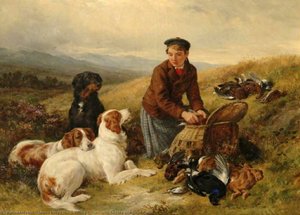
James Hardy Ii
Anglicko
Základné informácie
- Artistic Movement Or Style: Matematická analýza
- Artists Or Movements Influenced By This Artist: ['Ramanujan']
- Artists Who Influenced This Artist: ['Robert Alfred Herman']
- Date Of Birth: 7 februára 1877
- Full Name: Godfrey Harold Hardy
- Nationality: Anglický
- Notable Artworks: ['Cours d’analyse']
- Place Of Birth: Cranleigh, Surrey, England

