Náhľad v interiéri
 Odoslať ako digitálnu kartu
 Zdieľať
 Podrobnosti o dielo
 Príručka

 Stiahnuť obraz
 Podobné položky
 RTG skúška
 Prehliadanie diapozoje
 Q&A
Q&A Štatistiky
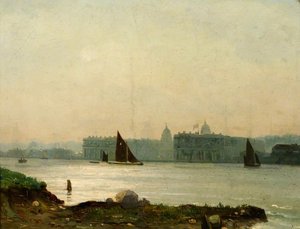
Mlýn poblíž Tinternu


 Zobraziť viac
Giclée / Umenotlač
Giclée tlač alebo plátno múzeálnej kvality s rýchlou výrobou a rôznymi možnosťami povrchovej úpravy. ( Kúpiť ručne maľovaný obraz Prepnúť na digitálny obraz)




P118B €10

P118H €10

P118W €10

P438Z €10

P508JH €12

P508YH €12

P805H €10

P805Z €10

P919BZ €10

P919G €10

P919XJ €10

P959ZH €10

P968JZ €12

W106C €8

W218G €10

W218JH €8

W218Y €10

W307PJ €10

W316G €10

W316PJ €8

W316Y €10

W398PJ €8

W4111J €10

W500HY €15

W500JH €15

W692G €12

W849H €8

W940BG €15

W953PJ €8




Vyberte si z našich preddefinovaných rozmerov, ktoré zodpovedajú pôvodným pomeroḿ diela.

Zadajte šírku a výšku, ktoré potrebujete, aby sa reprodukcia hodila k vášmu rámu alebo stene. Print možno len orezávať, nikdy však nemennú veľkosť zvětšiť oproti pôvodnému obrázku, preto pri inom formáte stráca časť obrazu. Pred samotným vytlačiacím procesom vám pošleme digitálny náhľad na schválenie. Obrázok zobrazený na tejto stránke nezobrazuje reálny rez — len digitálny náhľad ukazuje presný výsledok.
Celosvetová doprava () do 2 týždňov namiesto štandardných 4 až 5 týždňov. (31 október)

Bezplatná expresná doprava po celom svete

Vysokokvalitné lnianske plátno

Kompletné poistenie prepravy

Záruka vrátenia colného poplatku

Záruka presného farebného zhodnutia

100-dená politika vrátenia tovaru (iba pri vadách)

100% záruka vrátenia peňazí

Zľava pri väčšom množstve
 Možnosť skla je dostupná len pri rozmeroch pod 110 cm

Mlýn poblíž Tinternu
Giclée / Umenotlač
Veľkosť reprodukcie
-


Celková cena
€ 71
James Francis Danbyho obraz „Mlýn poblíž Tinternu“ – Výrazný záblesk romantické estetiky
James Francis Danby (1793–1861), írský romantický malíř, představuje fascinující osobnost v historii evropského umění. Jeho dílo „Mlýn poblíž Tinternu“, vytvořené mezi lety 1824 a 1826, není jen krásná krajina; je to komplexní vyjádření estetických hodnot romantické doby a filozofie života. Tento obraz získal významnou pozici v kolektivním uměleckém dědictví díky své velikosti, dramatickým efektům počasí a především emocionálnímu působení. Danbyho cesta k umění začala v Wexfordu, kde vyrůstal ve velmi komplikovaných podmínkách – smrt jeho otce roku 1807 vyústila v přesun rodiny do Dublinu. Jeho vzdělání získal na Royal Dublin Society's schools pod vedením Jamese Arthura O’Connora a Georgieho Petrieho, což mu poskytlo nejen odborné znalosti, ale také základní lásku k krajině jako prostředku vyjádření hlubokých emocí – hodnotu, která byla charakteristická rozvíjející se romantické estetice. Tento vzdělávací základ měl zásadní vliv na jeho pozdější tvorbu a umožnil mu vytvořit díla, která jsou nejen technicky dokonalá, ale také plná osobního projevu. Obraz „Mlýn poblíž Tinternu“ je impozantním příkladem romantické krajinky. Danby využívá bohaté barvy a dynamické kreslení k zachycení atmosféry oblasti Tintern Abbey v Worcestershire – místa známého svou krásou a inspirativní silou již od středověku. Pozorovatele zaujme široký záběr obrazu, který zobrazuje mlýn stojící u řeky Tintern, doplněný zelenými plochami vegetace a několika postavami lidí. Tento detailní popis prostředí není jen estetickým zážitkem; slouží k vytvoření komplexního obrazu života v romantické době. Technika Danbyho byla inovativní pro svou dobu. Používá olejovou techniku s důrazem na použití tzv. „sfumato“ – postupného přechodu mezi barvami, který vytváří efekt rozmazání hranic a dodává obrazu vzdušnost a dramatickou intenzitu. Tento přístup byl inspirován především díly J.M.W. Turnera a dalších romantických mistrů, kteří hledali nové způsoby vyjádření emocí prostřednictvím krajiny. Výsledkem jsou obrazy, které působí živě a autenticky – jakožto svědectví o době svého vzniku. „Mlýn poblíž Tinternu“ není jen krásná dekorace; je to obraz, který vypráví příběh. Jeho symbolika odkazuje k ideám romantické filozofie – k oslavě přírody jako místa úzkého spojení člověka s Bohem a k hledání krásy a harmonie v jednoduchých věcech života. Tento obraz inspiruje diváky k zamyšlení nad otázkami existence a hodnotou estetického zážitku. Reprodukce tohoto díla může být ideální dekorací pro prostor, který vyžaduje klidnou atmosféru a estetickou hodnotu – připomínající nám krásu přírody a sílu umění.- Ideální pro interiér: Pokoj nebo veranda
- Styl: Romantická krajina
- Technika: Olej na plátně
Otázky a odpovede
Aká je popularita diela „Mlýn poblíž Tinternu“ v rámci smeru Romantic Landscape Painting?
„Mlýn poblíž Tinternu“ od James Francis Danby je klasifikovaný ako Uznávaní a patrí do smeru Romantic Landscape Painting.
Je možné reprodukovat dielo „Mlýn poblíž Tinternu“ od James Francis Danby z hľadiska autorského práva?
Originál diela „Mlýn poblíž Tinternu“ sa nachádza v múzeu Bristol Museum And Art Gallery a toto dielo je v slobodnom prostredí – autorské práva vypršali.
Z akých krajín pochádzajú návštevníci diela „Mlýn poblíž Tinternu“ od James Francis Danby?
Pre dielo „Mlýn poblíž Tinternu“ je k dispozícii stránka Štatistiky. Zobrazuje mesačnú návštevnosť tohto diela a ďalších prác daného umelca s rozdelením podľa krajín a jazykov.
Biografia umelca
A Romantic Visionary: The Life and Art of James Francis Danby
Born in County Wexford, Ireland, in 1793, James Francis Danby emerged as a significant figure within the British Romantic movement, crafting landscapes imbued with dramatic intensity and emotional resonance. His canvases, often vast in scale and steeped in atmospheric effects, stand alongside those of contemporaries like John Martin and J.M.W. Turner, yet possess a unique character rooted in his Irish origins and artistic journey. Danby’s early life was marked by upheaval; the death of his father in 1807 forced a relocation to Dublin, where he began formal art training at the Royal Dublin Society's schools under James Arthur O’Connor and alongside George Petrie. This foundational period instilled in him not only technical skills but also an appreciation for landscape as a vehicle for expressing profound feeling—a hallmark of the burgeoning Romantic sensibility. A pivotal moment arrived in 1813 when Danby, accompanied by O’Connor and Petrie, ventured to London seeking artistic opportunities. Initial struggles led them to Bristol, where Danby discovered success selling watercolor drawings, an experience that proved crucial in shaping his developing style.The Flourishing of the Bristol School
Bristol became a fertile ground for Danby’s artistic growth, as he quickly rose to prominence within the informal collective known as the Bristol School. Initially centered around Edward Bird, this group fostered an environment of shared sketching excursions and mutual influence. Danby soon succeeded Bird as its leading figure, inheriting a naturalistic approach characterized by fresh colors and meticulous observation. Works like “Boys Sailing a Little Boat” (circa 1821) exemplify this early style, showcasing his ability to capture the subtle nuances of light and atmosphere. The Bristol School’s members were known for their dedication to plein air painting, meticulously documenting the local landscape with an emphasis on capturing the effects of weather and time of day. Danby's work during this period often featured scenes of rural life, dramatic skies, and evocative lighting—elements that would later become hallmarks of his mature style. However, Danby’s ambition extended beyond mere representation; encouraged by figures such as Edward Villiers Rippingille, Francis Gold, and notably George Cumberland—a friend of William Blake—he began to explore more imaginative and poetic subjects. Cumberland's influence was particularly significant, suggesting themes for paintings and potentially introducing Danby to the visionary power of Blake’s art. This exposure ignited a shift towards grander, more emotionally charged compositions that would define his mature style. The Bristol School provided not just technical guidance but also a vital network of support and encouragement as Danby began to forge his own distinct artistic path.Dramatic Visions and Critical Acclaim
Danby’s breakthrough arrived with “The Upas Tree of Java” (1820), a painting that garnered immediate recognition and secured his election as an Associate Member of the Royal Academy. This work, depicting a poisonous tree from Indonesian folklore, showcased his mastery of dramatic composition and atmospheric effects—qualities that resonated deeply with the Byronic taste prevalent in the 1820s. The painting’s dark palette, unsettling subject matter, and sense of impending doom immediately captivated audiences and critics alike. He continued to produce ambitious canvases such as “Disappointed Love” (1821), demonstrating his characteristic poetical approach to landscape, potentially influenced by the writings of Samuel Taylor Coleridge. "An Enchanted Island" (1825) proved particularly influential, inspiring other Bristol School artists and earning praise from Letitia Elizabeth Landon in her celebrated collection, “The Troubadour.” His ambition reached new heights with “Opening of the Sixth Seal” (1828), a monumental work that showcased his continued mastery of dramatic composition. These works established Danby as a leading exponent of Romantic landscape painting, renowned for his ability to evoke powerful emotions and transport viewers to realms of imagination and awe. His style is characterized by vast illusionist canvases depicting grand, gloomy, and fantastic subjects – themes that resonated with the Byronic taste of the 1820s.Later Years and Enduring Legacy
Following a period spent on the shores of Lake Geneva in Switzerland and a brief sojourn in Paris, Danby returned to England in 1840, revitalizing his reputation with “The Deluge” – a monumental work that showcased his continued mastery of dramatic composition. While some later paintings, such as "The Woodnymph's Hymn to the Rising Sun" (1845), displayed a calmer aesthetic, he ultimately returned to his earlier, more theatrical mode with pieces like “The Shipwreck” (1859). Throughout his career, Danby grappled with financial difficulties and critical fluctuations, yet he remained committed to his artistic vision. He continued exhibiting regularly, showcasing both new works and revisiting themes from his earlier successes. James Francis Danby died in 1861, leaving behind a body of work that continues to captivate audiences today. His legacy rests on his significant contribution to British Romantic art. Along with John Martin and J.M.W. Turner, he is celebrated for his imaginative landscapes and ability to evoke powerful emotions through his paintings, solidifying his place as a visionary artist of the 19th century.Key Characteristics of Danby’s Art
- Dramatic Landscapes: Vast, sweeping vistas often featuring turbulent skies and seas.
- Emotional Intensity: Paintings imbued with a sense of awe, mystery, and emotional depth.
- Romantic Themes: Exploration of themes such as the sublime, the power of nature, and human vulnerability.
- Illusionistic Technique: Masterful use of light, shadow, and perspective to create a sense of realism and grandeur.
- Narrative Elements: Many works incorporate narrative elements drawn from mythology, literature, or biblical stories.

James Francis Danby
1793 - 1861 , Irónsko
Základné informácie
- Artistic Movement Or Style: Romantizmus
- Artists Or Movements Influenced By This Artist: ['Bristol School']
- Artists Who Influenced This Artist:
- John Martin
- William Blake
- Date Of Birth: 1793
- Date Of Death: 1861
- Full Name: James Francis Danby
- Nationality: Írsky
- Notable Artworks:
- Upas Tree
- Disappointed Love
- Opening Sixth Seal
- Place Of Birth: Wexford, Írsko
Súvisiace články

Sir Alfred James Munnings: Top 25 Majstrovských Diel pre Kolekcionárov a Milovníkov Umenia
Objavte top 25 majstrovských diel Alfreda Jamesa Munninga – britského impresionistu oslávujúceho kone a krajinu. Historické maľby, portréty koní a vojnové scény v múzejnej kvalite. Nájdite perfektnú dekoráciu interiéru na OriginalUniqueArt.com

James Abbott McNeill Whistler: Top 25 diel pre milovníkov umenia a luxusného interiéru
Ponorte sa do sveta Jamesa Abbotta McNeilla Whistlera! Objavte 25 ikonických diel amerického impresionistu – portréty, Nocturnes a farebné harmónie. Kúpiť reprodukcie obrazov pre luxusný interiér na OriginalUniqueArt.com.

Dovozná DPH a clo na umenie, krajina za krajinou (2026)
Navigujte s odbornou presnosťou v zložitom kontexte dovoznej DPH a colného mita na umenie v roku 2026. Naša aktualizovaná príručka poskytuje rozbor podľa jednotlivých krajín, pokrývajucí nedávne zmeny sadzieb v EÚ, rozhodnutia o amerických tarifoch a daňové oslobodenia, aby ste zabezpečili, že vaše zásielky umeleckých diel zostanú v súlade s predpismi a nákladovo efektívne.

Kľud prírody: Krajiny, ktoré inšpirujú pokoj a harmóniu
Objavte liečivú silu prírody a krásu krajinomaľby. Ponúkame odborný pohľad na umenie, inšpiráciu pre duševnú rovnováhu a tipy na miesta plné pokoja.

Váš pop-artový print platí vyššie dane ako obraz: Importné clo a DPH pri umení, krajina po krajine (2026)
Prestaňte preplacať za dovoz umenia. Naša odborná príručka na rok 2026 podrobne vysvetľuje kľúčové rozdiely medzi colným mýtom a DPH pri maľbách oproti grafikám. Zistite, prečo môže váš pop-artový print vyvolať vyššie dane než ručne maľované plátno, a naučte sa s istotou zvládať globálne poštovné poplatky.