Prepnúť na tlač
 Zobraziť viac







































 V prípade umeleckých diel alebo reprodukcií, ktorých ktorákoľvek strana je väčšia ako 105 cm (cca 41 palcov), sa rám dodáva v rozloženom stave ako sada. Táto metóda zabezpečuje bezpečnú доставu a chráni pred poškodením počas prepravy.


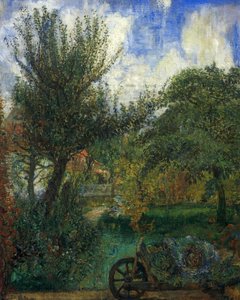
A Portrait of Isolation Amidst Spectacle: Examining James Ensor’s “1933 Ensor dans son atelier ou Ensor a l' harmonium”
James Ensor, a Belgian painter and printmaker born in Ostend in 1860, stands as an enigmatic figure within the annals of modern art. His oeuvre defies easy categorization, oscillating between expressionism’s visceral anxieties and surrealism’s dreamlike distortions—a stylistic duality that cemented his place as one of the most influential artists of his time. “1933 Ensor dans son atelier ou Ensor a l' harmonium,” painted in 1933, offers a profound glimpse into this artist’s psyche and artistic vision, presenting a scene both familiar and unsettling.- Subject Matter: The canvas depicts James Ensor seated at an organ within his studio, surrounded by a curious audience observing his performance. This seemingly mundane tableau belies a deeper exploration of human interaction and the anxieties inherent in public display.
- Style & Technique: Ensor’s masterful technique blends elements of expressionism and surrealism. Thick impasto strokes dominate the composition, conveying a palpable sense of physicality and emotional intensity—a characteristic hallmark of his artistic style. The artist employs bold color palettes, favoring muted hues punctuated by jarring accents that heighten the dramatic effect.
Historical Context: Expressionist Roots and Artistic Rebellion
Ensor’s work emerged during a period of significant artistic upheaval—the early 20th century witnessed the rise of expressionism, spearheaded by artists like Edvard Munch and Ernst Ludwig Kirchner. Rejecting academic conventions, Ensor sought to capture subjective experience rather than objective reality, mirroring the broader intellectual currents of his era. His fascination with masks and grotesque imagery reflected a preoccupation with psychological complexities and anxieties about societal norms—themes that resonated powerfully with audiences grappling with the uncertainties of wartime Europe.
Symbolism & Emotional Resonance
Beyond its formal elements, “1933 Ensor dans son atelier ou Ensor a l' harmonium” is laden with symbolic significance. The organ itself represents authority and tradition, juxtaposed against the faces of the audience—each gaze scrutinizing Ensor’s performance. This visual tension underscores the artist’s struggle to assert individuality amidst societal pressures. Furthermore, Ensor’s deliberate use of unsettling imagery – distorted perspectives and grotesque figures – invites contemplation on themes of isolation, fear, and the darker recesses of human consciousness.
A Legacy Enduring Inspiration
James Ensor's influence extends far beyond his own lifetime. Artists who followed embraced similar stylistic approaches, exploring psychological landscapes and confronting uncomfortable truths about the human condition. “1933 Ensor dans son atelier ou Ensor a l' harmonium” serves as a testament to Ensor’s enduring legacy—a captivating artwork that continues to inspire artists and collectors alike. To experience this masterpiece in exquisite detail, explore OriginalUniqueArt.com for high-quality reproductions crafted with meticulous care.
Otázky a odpovede
Sú farby diela „1933 Ensor dans son atelier ou Ensor a l' harmonium“ od James Ensor sýte alebo tlmené?
„1933 Ensor dans son atelier ou Ensor a l' harmonium“ od James Ensor je zachytené s Clear Color Presence saturáciou.
Aká podkladová farba prechádza dielom „1933 Ensor dans son atelier ou Ensor a l' harmonium“ od James Ensor?
Dominantným odtieňom diela „1933 Ensor dans son atelier ou Ensor a l' harmonium“ od James Ensor je Ochre to Sepia. Tento odtieň predstavuje základný tón palety.
Na čo sa odporúča reprodukcia diela „1933 Ensor dans son atelier ou Ensor a l' harmonium“ od James Ensor?
Reprodukcia diela „1933 Ensor dans son atelier ou Ensor a l' harmonium“ od James Ensor je vhodná pre Accent. Toto odporúčanie vychádza z témy, nálady a farebnej skladby tohto diela.




 Náhľad v interiéri
 Odoslať ako digitálnu kartu
 Zdieľať
 Podrobnosti o dielo
 Príručka

 Stiahnuť obraz
 Podobné položky
 RTG skúška
 Prehliadanie diapozoje
 Q&A
Q&A Štatistiky