
 Náhľad v interiéri
 Odoslať ako digitálnu kartu
 Zdieľať
 Podrobnosti o dielo
 Príručka

 Stiahnuť obraz
 Podobné položky
 RTG skúška
 Prehliadanie diapozoje
 Otázky a odpovede
 Štatistiky
Comité Américain pour les Régions Dévastées de la France


 Zobraziť viac
Giclée / Umenotlač
Giclée tlač alebo plátno múzeálnej kvality s rýchlou výrobou a rôznymi možnosťami povrchovej úpravy. ( Kúpiť ručne maľovaný obraz Prepnúť na digitálny obraz)




P118B €10

P118H €10

P118W €10

P438Z €10

P508JH €12

P508YH €12

P805H €10

P805Z €10

P919BZ €10

P919G €10

P919XJ €10

P959ZH €10

P968JZ €12

W106C €8

W218G €10

W218JH €8

W218Y €10

W307PJ €10

W316G €10

W316PJ €8

W316Y €10

W398PJ €8

W4111J €10

W500HY €15

W500JH €15

W692G €12

W849H €8

W940BG €15

W953PJ €8




Vyberte si z našich preddefinovaných rozmerov, ktoré zodpovedajú pôvodným pomeroḿ diela.

Zadajte šírku a výšku, ktoré potrebujete, aby sa reprodukcia hodila k vášmu rámu alebo stene. Print možno len orezávať, nikdy však nemennú veľkosť zvětšiť oproti pôvodnému obrázku, preto pri inom formáte stráca časť obrazu. Pred samotným vytlačiacím procesom vám pošleme digitálny náhľad na schválenie. Obrázok zobrazený na tejto stránke nezobrazuje reálny rez — len digitálny náhľad ukazuje presný výsledok.
Celosvetová doprava () do 2 týždňov namiesto štandardných 4 až 5 týždňov. (6 november)

Bezplatná expresná doprava po celom svete

Vysokokvalitné lnianske plátno

Kompletné poistenie prepravy

Záruka vrátenia colného poplatku

Záruka presného farebného zhodnutia

100-dená politika vrátenia tovaru (iba pri vadách)

100% záruka vrátenia peňazí

Zľava pri väčšom množstve
 Možnosť skla je dostupná len pri rozmeroch pod 110 cm

Comité Américain pour les Régions Dévastées de la France
Giclée / Umenotlač
Veľkosť reprodukcie
-


Celková cena
€ 72
A Testament to Resilience: The Committee Américain pour les Régions Dévastées de la France
James Earle Fraser’s “Comité Américain pour les Régions Dévastées de la France” is more than a bronze medallion; it's a poignant artifact of a specific historical moment and a testament to the enduring spirit of human compassion. Created in 1919, amidst the immediate aftermath of World War I, this striking piece captures a pivotal chapter in transatlantic relations – the American response to the devastation inflicted upon France by years of brutal conflict. The medallion’s central figure, a stylized bird poised with outstretched wings, immediately evokes the imagery of a phoenix rising from the ashes, symbolizing rebirth and hope amidst profound loss. This isn't merely a depiction of a bird; Fraser masterfully imbues it with an air of dignified strength, suggesting resilience and the promise of recovery.
The intricate embossed details—the carefully rendered feathers, the subtle curve of the beak, the powerful stance—speak volumes about Fraser’s technical skill. The bronze itself, chosen for its durability and ability to capture fine detail, lends a weighty gravitas to the image. Beyond the purely aesthetic qualities, the medallion's design is deeply symbolic. The bird, often associated with divinity and renewal, represents the American commitment to aiding France in rebuilding its shattered nation. Surrounding the central figure are lines of French text – “COMITE AMERICAIN POUR LES REGIONS DEVASTEE DE LA FRANCE” – a clear declaration of purpose and affiliation, grounding the artwork within its specific historical context. The inclusion of the date "1919" serves as a vital marker, anchoring the piece to this crucial period of reconstruction and international aid.
The Legacy of Fraser: A Sculptor Shaped by the American West
James Earle Fraser’s artistic journey is inextricably linked to the spirit of the American West. Born in Winona, Minnesota, in 1876, his childhood was profoundly shaped by his family's connection to the frontier – his father an engineer involved in the westward expansion and his mother tracing her lineage back to the Pilgrims. This unique heritage instilled within him a deep appreciation for both the rugged beauty of the American landscape and the complex history of its people. Fraser’s early exposure to Native American culture, fostered through friendships with local children, profoundly influenced his artistic vision, informing his later works with a nuanced understanding of indigenous traditions.
Fraser's apprenticeship under Augustus Saint-Gaudens proved formative, solidifying his commitment to realism and shaping his distinctive style. However, it was Fraser’s own experiences – particularly his involvement in the American Committee for Devastated France – that truly cemented his place as a significant artist of the 20th century. This commission wasn't simply about creating a commemorative medal; it demanded an understanding of human suffering and a commitment to humanitarian action. His ability to translate these complex emotions into a single, powerful image is a testament to his artistic talent and his empathy for others.
A Window into Post-War France: The Committee's Mission
The “Comité Américain pour les Régions Dévastées de la France” itself represents a remarkable chapter in transatlantic history. Established in 1919, the committee was formed by Anne Morgan and her friend Anne Murray Dike to provide aid and support to the French regions ravaged by World War I. The devastation was immense – entire towns were reduced to rubble, infrastructure lay in ruins, and countless lives had been lost. The American Committee’s efforts focused on providing essential supplies, rebuilding homes, and offering psychological support to the displaced population.
Fraser's medallion serves as a visual representation of this vital mission. It’s not just a symbol of American generosity; it’s a reminder of the immense challenges faced by France in its recovery process. The choice of a bird, a universal emblem of hope and renewal, underscores the committee’s belief that even from the depths of despair, a brighter future could be built. The medallion's creation coincided with a period of intense international cooperation as nations sought to rebuild Europe after the horrors of war – a testament to the enduring power of human connection and shared responsibility.
Collecting a Piece of History: Reproductions & Beyond
Today, reproductions of “Comité Américain pour les Régions Dévastées de la France” offer art enthusiasts and collectors a tangible link to this significant historical moment. OriginalUniqueArt.com provides high-quality reproductions that faithfully capture the intricate details and powerful symbolism of Fraser’s original work. Whether displayed in a private collection or incorporated into an interior design scheme, this medallion serves as a poignant reminder of resilience, compassion, and the enduring spirit of international cooperation. Its historical significance, combined with Fraser's masterful artistry, makes it a truly exceptional piece for any discerning collector.
Otázky a odpovede
Aká podkladová farba prechádza dielom „Comité Américain pour les Régions Dévastées de la France“ od James Earle Fraser?
Celé dielo „Comité Américain pour les Régions Dévastées de la France“ od James Earle Fraser prechádza Golden Yellow Range odtieňom.
Sú farby diela „Comité Américain pour les Régions Dévastées de la France“ od James Earle Fraser sýte alebo tlmené?
„Comité Américain pour les Régions Dévastées de la France“ od James Earle Fraser je zachytené s Balanced Soft saturáciou.
Koľko rokov mal/a James Earle Fraser, keď vytvoril/a „Comité Américain pour les Régions Dévastées de la France“ v roku 1919?
James Earle Fraser mal/a 43 rokov, keď v roku 1919 vytvoril/a dielo „Comité Américain pour les Régions Dévastées de la France“. Vek bol vypočítaný na základe roku narodenia umelca, 1876.
Biografia umelca
Život Vytvaraný Z Amerického Západu
James Earle Fraser, narodený v Winone v Minnesote v roku 1876, bol umelec, ktorého život a dielo sa neoddeliteľne prepojili s duchom amerického západu. Jeho príbeh nie je len o umeleckom talente, ale aj o rozprávaní spletenom z niťou hraničiarstva, rodinnej dedičnosti a hlbokej úcty k kultúre domorodých Američanov. Fraserov otec, Thomas Alexander Fraser, ktorý bol želeničný inžinier, zohral dojemnú úlohu pri odobratí pozostatkov po Bitke pri Little Bighorn – udalosti, ktorá dlho prekážala v predstavivosti mladého Jamesa. Toto skoré vystavenie realite západnej expanzie, spojené s matkiným pôvodom, ktorý sa siaha až k Plymouth Pilgrimom, mu vložilo do duše komplexné pochopenie vyvíjajúcej sa identity Ameriky. Presťahovanie rodiny do Mitchel v Južnej Dakote, keď mal Fraser len štyri roky, túto súvislosť spevnilo; vyrastal ponorený v hraničiarskom živote, vytváral priateľstvá s domorodými deťmi a učil sa ich spôsobom života – skúsenosti, ktoré by hlboko formovali jeho umeleckú víziu. Už ako dieťa sa prejavil vrodený talent – začal so sochárskymi figúrkami z vápencových platní nájdených neďaleko svojho domova, čím predznamenal monumentálne diela, ktoré by neskôr definovali jeho kariéru.Od Paríža k Saint-Gaudensovi: Formovanie Umeleckej Identity
Fraserova formálna umelecká cesta začala v Art Institute of Chicago v roku 1890, ale jeho následné štúdie v Paríži – na prestížnej École des Beaux Arts a Académie Julian – skutočne zdokonalili jeho zručnosti. Bolo to počas tejto doby, keď absorboval vplyvy impresionistického hnutia, učiac sa zachytiť pomíjajúce momenty a jemné nuansy svetla a tieňa. Avšak možno najvýznamnejším zvratom bol jeho mentoring pod vedením Augusta Saint-Gaudensa, dominantnej postavy americkej sochy. Slúženie ako Saint-Gaudensov asistent sa ukázalo ako neoceniteľné, poskytlo Fraserovi nielen technickú expertízu, ale aj pochopenie monumentálneho dizajnu a sily symbolického vyjadrenia. Toto učení vložilo do neho oddanosť realizmu spojenú so zmyslom pre formu, ktorý sa stal charakteristickým znakom jeho štýlu. Vráti sa do Ameriky obohatený európskym vzdelaním, no hlboko odhodlaný zobrazovať jedinečné americké témy – najmä tie zakorenené v histórii a krajine západu. Fraser začal tiež vyučovať na Art Students League v New Yorku už v roku 1906, kde sa neskôr stal riaditeľom, štedro zdieľajúc svoje poznatky a vášeň pre sochu novou generáciou umelcov. Jeho spoločenský duch sa rozsiahol aj do jeho osobného života; manželstvo s ďalšou sochárkou Laurou Gardin Fraser viedlo k niekoľkým spoločnými projektom, vrátane polovičky dolára Oregon Trail Memorial.Ikonické Formy: ‘End of the Trail’ a Dolár s Búvalom
Umelecká dedičnosť Jamesa Earla Frasera je zakotvená v dvoch obzvlášť ikonických dielach: *End of the Trail* a dolári s bujvolom. *End of the Trail*, pôvodne koncipovaná v roku 1894, ale získala význam pri Panama-Pacific International Exposition v San Franciscu v roku 1915, zostáva hlboko dojímavým zobrazením unaveného domorodého Američana na koni – silným symbolom poklesu ich kultúry a spôsobu života. Emocionálna váha sochy nespočíva len v jej predmete, ale aj vo Fraserovom majstrovskom vykreslení vyčerpania a rezignácie. Je to dojemný komentár k dôsledkom západnej expanzie a premiestneniu domorodých národov. Zároveň jeho dizajn pre dolár s bujvolom (oficiálne známy ako Indian Head nickel), predstavený v roku 1913, spevnil svoje miesto v americkej populárnej kultúre. Vyznačuje sa stolidným portrétom domorodého Američana a majestátnym americkým bujvolom a je oceňovaný pre svoju umeleckú hodnotu a zostáva jednou z najobľúbenejších a najznámejších mincí v histórii USA. Dolár s bujvolom nebol len menou; bol to maliarske dielo, ktoré zachytilo podstatu amerického západu pre milióny ľudí.Trvalá Významnosť: Hlas Amerického Západu
Fraserova dedičnosť presahuje jeho jednotlivé umelecké diela. Zachytil ducha – triumfálnu aj tragickú – amerického západu, ponúkol odtieňové zobrazenie jeho histórie a ľudí. Jeho práca slúžila ako protiklad romantizovaným zobrazovaniam hraničiarstva, uznávajúc zložitosti a dôsledky západnej expanzie. Dolár s bujvolom zostáva oslavovaným príkladom umeleckého dosiahnutia v dizajne mincí, ovplyvňujúc následné numismatické práce a demonštrujúc silu umenia formovať národnú identitu. Fraserove sochy naďalej inšpirujú umelcov a historikov dnes a slúžia ako mocná pripomienka americkej minulosti a jej prebiehajúcej kultúrnej dialóg. Počas svojej kariéry získal množstvo ocenení, vrátane Saltusovej medaily od American Numismatic Society a zlatého medaila od National Institute of Arts and Letters, čím si upevnil svoje postavenie medzi najdôležitejšími sochármi svojej generácie. Jeho práca je neoddeliteľnou súčasťou mnohých ikonických štruktúr vo Washingtone D.C., čím sa zabezpečí, že jeho umelecká vize bude naďalej rezonovať pre budúce generácie. Bol to sochár, ktorý nevytváral len umenie; tvaroval trvalú spomienku na dobu.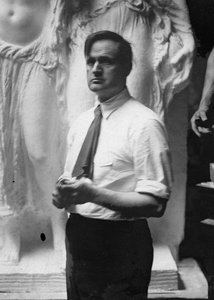
James Earle Fraser
1876 - 1953 , Spojené štáty americké
Základné informácie
- Artistic Movement Or Style: Realistický, Impresionistický
- Artists Or Movements Influenced By This Artist: ['Numismatické umenie']
- Artists Who Influenced This Artist: ['Augustus Saint-Gaudens']
- Date Of Birth: 4. november 1876
- Date Of Death: 1953
- Full Name: James Earle Fraser
- Nationality: Americký
- Notable Artworks:
- End of the Trail
- Buffalo Nickel
- For Humanity Obverse
- Place Of Birth: Winona, USA
Súvisiace články

James Otto Lewis: Navigating American Modernism Through Regional Identity & Stylistic Innovation
Explore the captivating portraits of James Otto Lewis, a pivotal figure bridging 19th-century realism & American Modernism. Discover his groundbreaking work documenting Native American culture and regional identity.

Grant Wood & American Regionalism: Identity, Myth & the Rural Landscape
Explore the world of Grant Wood & American Regionalism with OriginalUniqueArt. Discover the symbolism behind 'American Gothic', recurring themes, and the movement's lasting impact on art history. High-quality reproductions available.

James Abbott McNeill Whistler: Top 25 diel pre milovníkov umenia a luxusného interiéru
Ponorte sa do sveta Jamesa Abbotta McNeilla Whistlera! Objavte 25 ikonických diel amerického impresionistu – portréty, Nocturnes a farebné harmónie. Kúpiť reprodukcie obrazov pre luxusný interiér na OriginalUniqueArt.com.

James Bard: Navigating Light & Landscape in American Impressionism
Explore the captivating world of James Bard (1815-1897), a meticulous chronicler of 19th-century American maritime life. Discover his detailed steamboat paintings and lasting legacy within the American Impressionism movement.

Sir Alfred James Munnings: Top 25 Majstrovských Diel pre Kolekcionárov a Milovníkov Umenia
Objavte top 25 majstrovských diel Alfreda Jamesa Munninga – britského impresionistu oslávujúceho kone a krajinu. Historické maľby, portréty koní a vojnové scény v múzejnej kvalite. Nájdite perfektnú dekoráciu interiéru na OriginalUniqueArt.com