Náhľad v interiéri
 Odoslať ako digitálnu kartu
 Zdieľať
 Podrobnosti o dielo
 Príručka

 Stiahnuť obraz
 Podobné položky
 RTG skúška
 Prehliadanie diapozoje
 Q&A
Q&A Štatistiky
Self-portrait


 Zobraziť viac
Giclée / Umenotlač
Giclée tlač alebo plátno múzeálnej kvality s rýchlou výrobou a rôznymi možnosťami povrchovej úpravy. ( Kúpiť ručne maľovaný obraz Prepnúť na digitálny obraz)




P118B €10

P118H €10

P118W €10

P438Z €10

P508JH €12

P508YH €12

P805H €10

P805Z €10

P919BZ €10

P919G €10

P919XJ €10

P959ZH €10

P968JZ €12

W106C €8

W218G €10

W218JH €8

W218Y €10

W307PJ €10

W316G €10

W316PJ €8

W316Y €10

W398PJ €8

W4111J €10

W500HY €15

W500JH €15

W692G €12

W849H €8

W940BG €15

W953PJ €8




Vyberte si z našich preddefinovaných rozmerov, ktoré zodpovedajú pôvodným pomeroḿ diela.

Zadajte šírku a výšku, ktoré potrebujete, aby sa reprodukcia hodila k vášmu rámu alebo stene. Print možno len orezávať, nikdy však nemennú veľkosť zvětšiť oproti pôvodnému obrázku, preto pri inom formáte stráca časť obrazu. Pred samotným vytlačiacím procesom vám pošleme digitálny náhľad na schválenie. Obrázok zobrazený na tejto stránke nezobrazuje reálny rez — len digitálny náhľad ukazuje presný výsledok.
Celosvetová doprava () do 2 týždňov namiesto štandardných 4 až 5 týždňov. (31 október)

Bezplatná expresná doprava po celom svete

Vysokokvalitné lnianske plátno

Kompletné poistenie prepravy

Záruka vrátenia colného poplatku

Záruka presného farebného zhodnutia

100-dená politika vrátenia tovaru (iba pri vadách)

100% záruka vrátenia peňazí

Zľava pri väčšom množstve
 Možnosť skla je dostupná len pri rozmeroch pod 110 cm

Self-portrait
Giclée / Umenotlač
Veľkosť reprodukcie
-


Celková cena
€ 71
A Study in Shadow and Silence: Whistler’s Self-Portrait of 1858
James Abbott McNeill Whistler's "Self-portrait," etched in 1858, isn’t merely a likeness; it’s a carefully constructed meditation on perception, light, and the very nature of artistic expression. This deceptively simple image, rendered in stark black and white, immediately draws the viewer into a world of quiet contemplation – a world that reflects Whistler's burgeoning aesthetic philosophy. The portrait depicts a man with short hair, gazing downward, his features etched with a subtle melancholy. A neatly trimmed mustache adds to an air of restrained formality, while the tie suggests a connection to the social conventions of the time, yet he subtly resists their full embrace.
- The Etching Technique: Whistler was a pioneer in etching, meticulously controlling every line and tonal value. The delicate lines of this portrait demonstrate his mastery of the medium, creating an astonishingly detailed surface despite its monochrome palette. Notice how he uses hatching – closely spaced parallel lines – to build up areas of shadow, suggesting depth and volume with remarkable subtlety.
- Compositional Restraint: The subject occupies a significant portion of the frame, anchoring the image while allowing ample negative space around him. This deliberate emptiness invites the viewer to focus entirely on the figure itself, fostering a sense of intimacy and solitude.
Echoes of Aestheticism
Whistler’s “Self-portrait” is deeply rooted in the aesthetic movement that was gaining momentum throughout Europe during this period. Rejecting the prevailing Victorian emphasis on moralistic narratives and historical subject matter, aesthetes like Whistler sought to elevate art to its purest form – an end in itself. They believed that art should be judged solely on its beauty and sensory impact, divorced from didactic or narrative content. This portrait embodies that philosophy perfectly; it’s not a story being told, but rather an experience of visual contemplation.
The year 1858 was pivotal for Whistler. He was beginning to establish his artistic identity, experimenting with tonal values and exploring the interplay between light and shadow – techniques he would later refine into his signature “Nocturnes.” This self-portrait can be seen as a preliminary study for these future works, a focused investigation of how color (represented here through value) could evoke mood and atmosphere.
Symbolism in Subtlety
While the portrait avoids overt symbolism, there are subtle clues that enrich its meaning. The downward gaze suggests introspection, perhaps even a degree of sadness or weariness. It’s not a triumphant or assertive pose; rather, it conveys a sense of quiet observation and self-awareness. The tie, while present, isn't overly emphasized – it hints at societal expectations without demanding adherence to them. Whistler was deliberately blurring the lines between art and life, suggesting that beauty could be found in the everyday, even in the act of simply looking.
Furthermore, consider the stark contrast between light and shadow. Whistler masterfully uses chiaroscuro – the dramatic interplay of light and dark – to sculpt the man’s face and create a sense of three-dimensionality. This technique not only enhances the visual impact but also contributes to the overall mood of quiet contemplation.
A Timeless Reflection
Whistler's "Self-portrait" of 1858 remains a powerfully evocative work, offering a glimpse into the mind of an artist grappling with his own identity and artistic vision. It’s a testament to Whistler’s innovative approach to etching and his commitment to aesthetic principles. A reproduction of this piece offers more than just a visual representation; it provides a window into a pivotal moment in art history – a moment when the pursuit of beauty was championed above all else. Its quiet intensity continues to resonate with viewers today, inviting us to pause, reflect, and appreciate the subtle power of a carefully crafted image.
Otázky a odpovede
Sú farby v díle „Self-portrait“ od James Abbott McNeill Whistler sýte alebo tlmené?
„Self-portrait“ od James Abbott McNeill Whistler je zachytené s Muted saturáciou.
Pod akými ďalšími menami je známy/á James Abbott McNeill Whistler?
James Abbott McNeill Whistler je známy aj pod menom J. Abbott McNeill Whistler, Whistler.
Kde je dnes vystavené dielo „Self-portrait“ od James Abbott McNeill Whistler?
Originál diela „Self-portrait“ od James Abbott McNeill Whistler sa nachádza v múzeu The Smithsonian’s National Museum of Asian Art, Washington, D.C., Spojené štáty americké. Reprodukcia vám umožňuje toto dielo vystaviť priamo vo vašom domove.
Biografia umelca
A Life Shaped by Aestheticism: The World of James Abbott McNeill Whistler
James Abbott McNeill Whistler, narodený v Lowelle v Massachusetts v roku 1834, bol umelec, ktorý neustále stápol proti konvenciám – majster “umelosti pre umelosť samotnú” počas éry, ktorá sa usilovala o morálne rozprávky. Jeho rané roky, poznačené častými presťahovaniami vďaka jeho otcovi ako inžinérovi železničných ciest, v ňom zasiali pocit prispôsobivosti a vystavení rôznym prostrediam. Krátka, nespokojná skúška na Westpointe, nasledovaná prácou pre americkú pobrežnú a geodetickú službu – hoci oddialila, nezničila jeho burzajúci záujem o umenie. Tieto formujúce roky boli charakterizované vrodeným talentom v kreslení a odhodlaním usilovať sa o kariéru umelca, čo ho nakoniec doviedlo cez Atlantik a do srdca európskeho avantgárdu. Semene Whistlerovej umeleckej rebélie boli zasiate na ranom mieste, kŕmilé duchom, ktorý odolával konformite a prijímal estetickú skúmanie predovšetkým.Parisian Beginnings and the Cultivation of Style
Kľúčový okamih v Whistlerovej umeleckej ceste nastal s jeho presťahovaním do Paríža v roku 1855. Tu, pod vedením Sébastiana Bouré, zdokonalil svoje zručnosti v oleji, aquarele a gravírovaniach, absorboval vplyvy francúzskeho realizmu a Barbizonských maľiarov. Whistler však rýchlo prešiel za hranice jednoduchého napodobňovania, vyvinul si osobitý štýl charakterizovaný tónovými harmóniami a atmosférickymi efektmi. Nebol zaujatý replikovaním reality; skôr hľadal jej *essenciu*, jej plytúchu náladu a jemné nuansy. Tento obdobie značilo kľúčový posun od reprezentácie presnosti k skúmaniu čistého estetického tvaru. Jeho skoré diela už naznačovali jemnú rovnováhu medzi pozorovaním a abstrakciou, ktorá by definovala jeho zrelý štýl. Whistler začal v Paríži formulovať svoju vieru, že umenie by malo byť hodnotené len na základe svojich estetických kvalít, bez morálnych alebo sociálnych rozprávok – filozofiu, ktorá sa stala základom jeho umeleckej praxe a definujúcim znakom Estetického hnutia.Nocturnes, Portraits and the Pursuit of Harmony
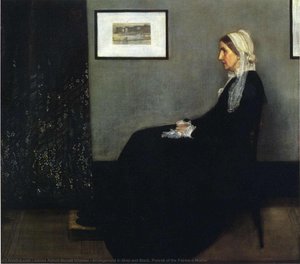
Whistlerova umelecká videnie sa zhmotnila v niekoľkých kľúčových témach a štýlových rozhodnutiach. Prosperoval za koncept “umelosti pre umelosť samotnú”, odmietol rozprávky ladené morálnymi alebo sociálnymi komentármi. Jeho diela sa stala cvičením na zachytávanie jemných nuancií svetla, farieb a atmosféry – úsilie, ktoré viedlo k jeho ikonickým *Nocturnám*. Tieto atmosférické maľby západov slnka, často zobrazujúce Temzu rieku v noci, neboli určené ako doslovné reprezentácie, ale skôr evokujúcimi dojmom, štúdiami tónovej harmonie a nálady. Používal obmedzené palety a jemnú techniku štetca, čím vytváral pocit éterickej krásy a pokojného zamyslenia. Portréty tiež zohrávali stredovú pozíciu v jeho praxi, hoci k nim pristupoval s jedinečným citom. Whistler nebol zaujatý zachytávaním dokonalých podobností; skôr sa sústavil na kompozičné usporiadky a tónové vzťahy, považujúc svojich modelov za estetické prvky v starostlivo vytvorenom rámci. Diela ako *Arrangement in Grey and Black No. 1* – známejšie ako *Whistler’s Mother* – dokonale demonštrujú tento prístup, transformujúce rodinný portrét na ikonický obraz viktoriánskej matky prostredníctvom svojho mistrovského použitia tvaru a tónu.Controversy, Influence and Lasting Legacy
Whistlerova kariéra nebola bez kontroverzie. Infámnosť sporu s kritikom Johnom Ruskinom v roku 1878, vyvolaná maľbou *Nocturne in Black and Gold – The Falling Rocket*, sa stala milníkovým okamihom v dejinách umenia. Whistler úspešne obhájil svoju umeleckú autonómiu, argumentujúc, že jeho diela neboli určené na doslovné reprezentácie, ale na estetické usporiadky farieb a tvarov. Tento spor zvýšil jeho profil a vyvolal dôležité debaty o povzbudení umenia a umeleckej slobody. Okrem tejto právnej bitky Whistlerov vplyv prešiel ďaleko a široko. Bol hlboko inšpirovaný japonskými rytinami (ukiyo-e), ktoré ovplyvnili jeho kompozičné princípy a dôraz na dekoratívne vzory, ako aj tónové mistrovstvo španielskeho maľára Velázqueza. Jeho propagácia “umelosti pre umelosť samotnú” hlboko ovplyvnila Estetické hnutie v Anglicku a Amerike, čím pripravil cestu k modernizmu a zmenšil konvencie umeleckého účelu. Zanechal nezmaznateľný odkaz americkému umeniu, inšpirujúc ďalšie generácie umelcov, aby prijali formalistické prístupy a skúmali expresívny potenciál farieb a kompozície.- Významné diela: *The Forge* (1861), *Portrait of Charles Lang Freer* (1873), *Brown and Gold: The Gold Girl—Connie Gilchrist* (1876-77), *Arrangement in Grey and Black No. 1 (Whistler’s Mother)* (1871), *Nocturne in Black and Gold – The Falling Rocket* (1875).
- Vplyvy: Japonské rytiny, Velázquez.

James Abbott McNeill Whistler
1834 - 1903 , Spojené štáty americké
Základné informácie
- Artistic Movement Or Style: Tonalizmus, Estetický pohyb
- Artists Or Movements Influenced By This Artist:
- Estetický pohyb
- Modernizmus
- Artists Who Influenced This Artist:
- Velázquez
- Japonské tisky
- Date Of Birth: 14. júl 1834
- Date Of Death: 1903
- Full Name: James Abbott McNeill Whistler
- Nationality: Amerikanec
- Notable Artworks:
- Matka
- Nocturne
- Forge
- Place Of Birth: Lowell, USA
Súvisiace články
Top 10 legendárnych leptov, ktoré zmenili umenie navždy | OriginalUniqueArt
Objavte 10 legendárnych leptov od Rembrandta, Goya a ďalších majstrov. Prežite príbehy umenia, techniky a nadčasovej krásy. Reprodukcie obrazov pre váš interiér na OriginalUniqueArt.com – múzejná kvalita a inšpirácia!

Top 10 slávnych obrazov s dominantnou čiernou farbou | OriginalUniqueArt.sk
Objavte top 10 slávnych obrazov s dominantnou čiernou farbou od Rembrandta, Goya a ďalších majstrov. Prežite príbehy umenia, techniky a nadčasovej krásy. Reprodukcie obrazov pre váš interiér na OriginalUniqueArt.sk – múzejná kvalita!

James Abbott McNeill Whistler: Top 25 diel pre milovníkov umenia a luxusného interiéru
Ponorte sa do sveta Jamesa Abbotta McNeilla Whistlera! Objavte 25 ikonických diel amerického impresionistu – portréty, Nocturnes a farebné harmónie. Kúpiť reprodukcie obrazov pre luxusný interiér na OriginalUniqueArt.com.

Etching: A Historical Survey of Technique, Aesthetic Qualities & Enduring Artistic Significance
Explore the rich history of etching, from its origins to Rembrandt's masterful innovations. Discover the technique, aesthetic qualities & enduring legacy of this captivating art form. Expert insights for collectors and enthusiasts.

The Intricate World of Etching: A Historical Survey of Technique, Aesthetic Evolution, and Enduring Artistic Impact
Explore the rich history of etching, from its origins to modern practice. Discover techniques, key artists like Rembrandt, and insights for collectors. A comprehensive guide by OriginalUniqueArt.