Prepnúť na tlač
 Zobraziť viac







































 V prípade umeleckých diel alebo reprodukcií, ktorých ktorákoľvek strana je väčšia ako 105 cm (cca 41 palcov), sa rám dodáva v rozloženom stave ako sada. Táto metóda zabezpečuje bezpečnú доставu a chráni pred poškodením počas prepravy.


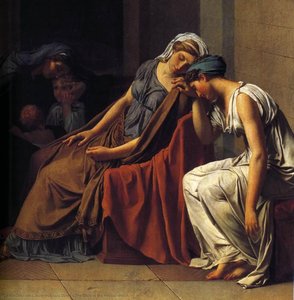
Leonidas at Thermopylae: A Testament to Courage and Neoclassical Idealism
Jacques-Louis David’s “Leonidas at Thermopylae” stands as an enduring emblem of Spartan valor and the philosophical bedrock of the French Revolution. Completed in 1814, this monumental oil painting – measuring a commanding 395 x 531 cm – resides within the hallowed halls of the Musée du Louvre, Paris, cementing its place amongst the most celebrated artworks of the era. More than just a depiction of battle, it’s an embodiment of Neoclassical principles striving for moral grandeur and intellectual clarity.Historical Context: The Stand at Thermopylae
The Battle of Thermopylae in 480 BC represents one of antiquity's most poignant narratives of defiance against overwhelming odds. A minuscule Spartan garrison, led by King Leonidas I, bravely confronted the colossal Persian army under Xerxes I at a narrow pass overlooking the Aegean Sea. Despite facing insurmountable numerical superiority, the Spartans fought with unwavering determination and discipline—a testament to their societal ethos centered on honor and duty—inspiring awe and admiration throughout Greece. This historical drama served as a powerful catalyst for artistic contemplation during David’s time, mirroring the revolutionary fervor sweeping across France.David's Neoclassical Vision: Composition and Technique
Jacques-Louis David masterfully executed his vision of Thermopylae in accordance with the tenets of Neoclassicism. Rejecting the ornate excesses of Rococo art, David opted for a rigorously structured composition—a hallmark of the movement—emphasizing symmetry and geometric precision. The artist skillfully employed chiaroscuro – dramatic contrasts between light and shadow – to heighten the emotional intensity of the scene and imbue it with palpable realism. Thick brushstrokes convey texture and dynamism, capturing the physicality of combat while simultaneously conveying a profound sense of solemnity. Color palettes are restrained, favoring earthy tones that underscore the seriousness of the subject matter.Symbolism: Courage Amidst Adversity
“Leonidas at Thermopylae” transcends mere historical representation; it operates on symbolic levels. Leonidas himself—a figure of unwavering resolve—becomes a symbol of heroic resistance against tyranny and oppression. His posture exudes confidence and leadership, mirroring the aspirations for republican virtue championed by revolutionaries. The depiction of Spartan warriors embodies the virtues of courage, discipline, and selflessness – ideals that resonated deeply with David’s contemporaries and continue to inspire viewers today. Furthermore, the mountainous landscape serves as a backdrop symbolizing resilience and fortitude—a visual metaphor for enduring hardship in pursuit of noble goals.Emotional Impact: A Legacy of Inspiration
David's masterpiece evokes profound contemplation regarding sacrifice and honor. The painting compels us to confront questions about moral courage and the importance of upholding values amidst societal pressures. Its dramatic portrayal of heroism continues to captivate audiences, reminding us that even in the face of insurmountable challenges, unwavering conviction can inspire greatness. “Leonidas at Thermopylae” remains a timeless reminder of the enduring power of art to communicate profound human truths—a legacy that secures its place as an icon of Neoclassical idealism and a beacon of courage for generations to come.Otázky a odpovede
Ako spája „Leonidas v Termopyláchach“ od Jacques-Louis David smer Neoclassical Style s domovinou umelca?
Dielo v štýle Neoclassical Style s názvom „Leonidas v Termopyláchach“ vytvoril umelec, ktorý sa narodil v krajine Francúzsko.
Aké sú reálne rozmery diela „Leonidas v Termopyláchach“ od Jacques-Louis David?
Originálne dielo „Leonidas v Termopyláchach“ od Jacques-Louis David má rozmery 395 x 531 cm.
O aký druh diela ide pri „Leonidas v Termopyláchach"?
V katalógu je dielo „Leonidas v Termopyláchach“ od Jacques-Louis David klasifikované ako WallArt. Táto kategória pomáha vyhľadávať podobné práce.
 Náhľad v interiéri
 Odoslať ako digitálnu kartu
 Zdieľať
 Podrobnosti o dielo
 Príručka

 Stiahnuť obraz
 Podobné položky
 RTG skúška
 Prehliadanie diapozoje
 Otázky a odpovede
 Štatistiky