

 Zobraziť v interiéri
 Odoslať
 Zdieľať
 Podrobnosti
 Príručka

 Stiahnuť
 Podobné položky
 RTG skúška
 Prehliadanie diapo\]
 Štatistiky
The Last Evening
 Oil On Canvas
- WallArt
- Belle Époque Realism
 1873
1873- 19th Century
 72.0 x 103.0 cm
 Guildhall Art Gallery - Londínsky rímsky amfiteátr
 Prečítať si viac
Giclée / Umenotlač
Giclée tlač alebo plátno múzeálnej kvality s rýchlou výrobou a rôznymi možnosťami povrchovej úpravy. ( Objednať ručne maľovanú reprodukciu Prepnúť na digitálnu verziu obrazu)




P118B €10

P118H €10

P118W €10

P438Z €10

P508JH €12

P508YH €12

P805H €10

P805Z €10

P919BZ €10

P919G €10

P919XJ €10

P959ZH €10

P968JZ €12

W106C €8

W218G €10

W218JH €8

W218Y €10

W307PJ €10

W316G €10

W316PJ €8

W316Y €10

W398PJ €8

W4111J €10

W500HY €15

W500JH €15

W692G €12

W849H €8

W940BG €15

W953PJ €8




Vyberte si z našich preddefinovaných rozmerov, ktoré zodpovedajú pôvodným pomeroḿ diela.

Zadajte šírku a výšku, ktoré potrebujete, aby sa reprodukcia hodila k vášmu rámu alebo stene. Print možno len orezávať, nikdy však nemennú veľkosť zvětšiť oproti pôvodnému obrázku, preto pri inom formáte stráca časť obrazu. Pred samotným vytlačiacím procesom vám pošleme digitálny náhľad na schválenie. Obrázok zobrazený na tejto stránke nezobrazuje reálny rez — len digitálny náhľad ukazuje presný výsledok.
Celosvetová doprava () do 2 týždňov namiesto štandardných 4 až 5 týždňov. (26 október)

Bezplatná expresná doprava po celom svete

Vysokokvalitné lnianske plátno

Úplné poistenie prepravy

Záruka vrátenia colného poplatku

Záruka presného farebného zhodnutia

100-dená politika vrátenia tovaru (iba pri vadách)

100% záruka vrátenia peňazí

Ponuka množstevnej zľavy
 Možnosť skla je dostupná len pri rozmeroch pod 110 cm

The Last Evening
Giclée / Umenotlač
Veľkosť reprodukcie
-


Celková cena
€ 70
A Twilight Encounter on the High Seas
In the soft, amber glow of a fading day, Jacques Joseph Tissot’s 1873 masterpiece, “The Last Evening,” invites us to step aboard a vessel suspended between the elegance of the Belle Époque and the quiet melancholy of an approaching night. This exquisite oil on canvas is far more than a mere maritime scene; it is a meticulously choreographed tableau of Victorian social grace. As the sun dips below the horizon, Tissot captures a group of well-dressed individuals gathered upon a yacht, their figures bathed in a warm, atmospheric light that seems to vibrate with the stillness of the moment. The composition draws the eye through a delicate dance of gazes and postures, where the rustle of embroidered gowns and the quiet presence of leather-bound books suggest a world of refined intellect and leisurely sophistication.
The painting serves as a profound window into the soul of the late nineteenth century, a period defined by both opulent splendor and an underlying preoccupation with the fleeting nature of time. While the setting is one of luxury, there is a palpable sense of intimacy and perhaps even a touch of memento mori—a gentle reminder of mortality that often haunted the Victorian psyche. The way the figures are clustered together, some lost in thought and others engaged in quiet companionship, evokes a feeling of shared solitude. For the discerning collector or interior designer, this piece offers an unparalleled emotional depth, providing a focal point that is simultaneously commanding in its detail and soothing in its nostalgic warmth.
Mastery of Light and Japonisme Influence
Technically, “The Last Evening” stands as a testament to Tissot’s extraordinary ability to blend the precision of academic realism with the burgeoning sensibilities of Impressionism. His brushwork, though controlled and precise when rendering the intricate textures of silk and lace, possesses a luminous quality that captures the shimmering reflections on the water and the hazy atmosphere of twilight. One cannot overlook the subtle yet striking influence of Japonisme—the era's fascination with Japanese aesthetics—which manifests in Tissot’s sophisticated use of asymmetrical balance and his nuanced, muted color palette. By eschewing garish contrasts in favor of harmonious browns, deep blues, and soft golds, he creates a sense of atmospheric luminescence that feels remarkably modern.
This mastery of light does more than just illuminate the scene; it sculpts the very mood of the artwork. The interplay of shadow and glow lends a three-dimensional weight to the figures, making them feel as though they might step off the canvas and into the room. For those seeking to adorn a space with art that breathes life into an interior, Tissot’s technique offers a perfect balance of classical structure and ethereal beauty. The painting does not merely sit upon a wall; it transforms the surrounding environment, casting a spell of historical grandeur and quiet contemplation over any room it inhabits.
A Timeless Legacy for the Modern Collector
To possess a reproduction of “The Last Evening” is to hold a fragment of history. Tissot’s ability to capture the nuances of fashion, social hierarchy, and human emotion ensures that this work remains eternally relevant. Whether it is the way a woman tilts her head in quiet reflection or the meticulous rendering of the yacht's fine furnishings, every detail serves to transport the viewer to an era of unparalleled elegance. It is a piece that speaks to the connoisseur who appreciates the intersection of narrative storytelling and technical brilliance.
For interior designers crafting sophisticated, curated spaces, this artwork provides a foundational element of class and character. It pairs exquisitely with period-appropriate decor or serves as a stunning, soulful contrast to contemporary minimalist settings. As an investment in beauty, Tissot’s work continues to inspire awe, offering a timeless escape into a world where every evening holds the promise of quiet splendor and every shadow tells a story of elegance lost to time.
Otázky a odpovede
Akým spôsobom sa farby diela „The Last Evening“ od Jacques Joseph Tissot spájajú s jeho emóciou?
„The Last Evening“ od Jacques Joseph Tissot spája paletu v odtieňoch Earthy s Romantic tónom.
O čom je dielo "The Last Evening" a akú atmosféru vyžaruje?
„The Last Evening“ od Jacques Joseph Tissot spája victorian fashion, maritime painting, genre scene, parisian society, religious imagery, japanese influence, evening rituals s Elegant atmosférou.
Akú farebnú paletu využíva dielo "The Last Evening"?
„The Last Evening“ od Jacques Joseph Tissot využíva Earthy farebnú paletu. Táto paleta vystihuje celkový farebný charakter diela.
Biografia umelca
Early Life and Artistic Beginnings
Jacques Joseph Tissot, narodil sa 15. októbra 1836 v Nante – živnom meste Francúzsku, a od útleho veku bol určený na život hlboko zakorenený v umelckom zanietení. Jeho otec, obchodník s obväzmi, mu vniesol váženie pre remeselné zručnosti a detail – vlastnosti, ktoré hlboko ovplyvnili jeho umelecké videnie. Rovnako tak jeho matka, špecialistka na čítanie módnych trendov, mu poskytla citlivosť k kráse a móde, vystavujúc ho živému svetu Parížanskej spoločnosti. Napriek rodinným povinnostiam Tissot neúmilne usilovne prenasledoval svoje umelcké ambície, kde sa po prvýkrát zapsal na École des Beaux-Arts v Paríži, kde si zdokonalil svoje schopnosti pod vedením luminantných učiteľov ako Ingres, Flandrin a Lamothe. Táto formujúca obdoba zabezpečila jeho záväzok k maľbe ako povolaniu a pevne ho zakorenila do vplyvného parížskeho umeleckého prostredia. Jeho rané roky boli plné skúseností s rôznymi štýlmi, od impresionizmu až po akademické techniky, čo formovalo jeho jedinečný umelecký jazyk.The Salon Years and Recognition
Tissotov debut na Parížskom salónu v roku 1861 predstavil dramatickú scénu “Zápletka medzi Fausta a Margarétou”, ktorá zaujala publikum a získala si značnú obdivujúcu kritiku. Táto ambiciózna diela, kúpana štátom na umiestnenie do Luxemburskej galérie, signalizovala Tissotov rastúci prestíž ako maľára schopného zachytiť komplexné príbehy a vyjadriť hlboké emócie. Nasledujúce výstavy salónu posilnili jeho postavenie v umeleckej spoločnosti, prezentovali sa jeho rozvíjajúce sa štýly a získavali si povely od významných patrónov. Jeho skoré úspechy podnietili sebadôveru a pohli ho k skúmaniu nových tém a techník – trajektória, ktorá nakoniec definovala jeho slávny životopis. Tissot bol známy svojím talentom pre detailné maľovanie, často zachytával drobné detaily a textúry s nevídanou presnosťou. Jeho prácu si cenili kritici za schopnosť vyjadriť emócie prostredníctvom farieb a kompozície.Genre Painting and Parisian Society
Tissotov umelecký rozruch sa dočkal série “La Femme à Paris”, precízne pozorovaná reprezentácia demi-mondaine sveta v neskorom viktoriánskom Londýne. Tieto maľby, charakterizované ich luminóznymi farebnými paletami a mistrným spracovaním textúr – najmä látok – sa stali synonymom zachytávania očarujúceho a dynamického sveta Parížanskej spoločnosti. Tissotov precíznym zrakom sa neobmedzoval len na vizuálnu reprezentáciu; hľadal, aby vyjadroval nielen vzhľad, ale aj psychologické nuansy, odrážal obavy a túžby svojich subjektov. Jeho diela sú dôkazom vplyvu impresionizmu spojeného s realizmom, ponúkajúc neprekonaný pohľad do sociálnych zvykov a umeleckých vkúsok Belle Époque. Tissot bol známy pre svoju schopnosť zachytiť atmosféru a nálady svojich scien, často s dôrazom na drobné detaily a jemné farby. Jeho prácu si cenili najmä za jej živú reprezentáciu života v Paríži.Biblical Themes and Japonisme
Celkovo sa Tissot venoval rôznorodým umeleckým inšpiráciám – od stredovekých príbehov až po biblické motívy – demonštrujúc pozoruhodnú všestrannosť. Jeho reprezentácie náboženských tém, nabité duchovnou hĺbkou a emocionálnou rezonanciou, ukázali jeho schopnosť vylepšiť vizuálne rozprávanie do hlbokého zamyšlenia. Zároveň bol fascinovaný Japonizmom – vážením japonského umenia a estetiky, ktoré sa šírilo po Európe počas viktoriánskej éry – evidentným v kompozíciách naplnených asymetrickými usporiadaním a jemnými farebnými harmóniami pripomínajúcimi japonské maľby. Tento stylistický preplet ukázal Tissotov intelektuálnu zvídavosť a jeho ochotu experimentovať s inovatívnymi umeleckými prístupmi. Jeho diela často obsahujú prvky japonského umenia, ako sú asymetrické kompozície a jemné farby, čo odráža jeho vášeň pre tento unikátny štýl.Later Years and Legacy
Tissotov život sa dramaticky zmenil, keď sa zapojil do Franco-Pruskej vojny, kde bojoval na francúzskej strane – skúsenosť, ktorá si určite ovplyvnila jeho videnie sveta. Po skončení vojny sa presťahol do Londýna, kde pokračoval vo budovaní svojej povesti ako popredného spoločenského portrétistu. Od roku 1876 žil s rozvedenou Kathleen Newtonovou, často ju portrétoval a bol pravdepodobne otcom jej syna Cecila Georgea Newtona. Po jej smrti v roku 1882 sa vrátil do Francúzska. Roku 1885 prežil náboženský obrat, stal sa zboristou a po zvyšok života spracovával biblické a náboženské témy. Jeho diela sú dôkazom jeho hlbokej viery a vášeň pre náboženstvo. Jacques Joseph Tissot zostáva významnou figúrou v histórii umenia, jeho prácou sa stalo inšpiráciou pre generácie umelcov.
Jacques Joseph Tissot
1836 - 1902 , Francúzsko
Rýchle fakty
- Artistic Movement Or Style: Žánrová maľba
- Artists Or Movements Influenced By This Artist: ['Impressionizmus']
- Artists Who Influenced This Artist:
- Ingres
- Flandrin
- Date Of Birth: 15. októbra 1836
- Date Of Death: 8. augusta 1902
- Full Name: Jacques Joseph Tissot
- Nationality: Francúzsky
- Notable Artworks:
- Zútulnenie Faust a Markéty
- La Femme à Paris
- Place Of Birth: Nantes, Francúzsko
Súvisiace články

Timeless Elegance: 10 Iconic Artworks That Capture the Victorian Era
Step into the grandeur of the 19th century. Explore 10 iconic Victorian era masterpieces, from Pre-Raphaelite beauty to romantic oil paintings. Find inspiration for your decor with museum-quality art reproductions. Discover all masterpieces on OriginalUniqueArt.com.
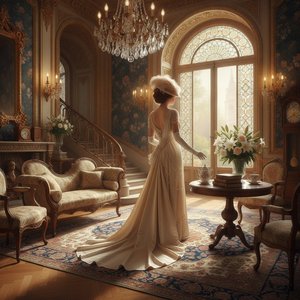
Step into Elegance: Discover the Timeless Beauty and Opulence of Belle Époque Art
Immerse yourself in the splendor of Belle Époque art. From Art Nouveau to Impressionism, OriginalUniqueArt.com provides exquisite, hand-painted oil reproductions and custom portraits. Discover timeless elegance and expert artistry to elevate your home decor with confidence.

Timeless Elegance: 10 Iconic Artworks That Capture the Victorian Era
Step into the grandeur of the 19th century. Explore 10 iconic Victorian era masterpieces, from Pre-Raphaelite brilliance to romantic oil paintings. Find inspiration for your decor with museum-quality art reproductions. Discover all masterpieces on OriginalUniqueArt.com.

Timeless Elegance: 10 Iconic Artworks That Capture the Victorian Era
Step into the grandeur of the 19th century. Explore 10 iconic Victorian era artworks, from Pre-Raphaelite masterpieces to romantic oil portraits. Find inspiration for your decor with museum-quality art reproductions. Discover all masterpieces on OriginalUniqueArt.com.

Timeless Elegance: 10 Iconic Artworks That Define the Victorian Era
Step into the grandeur of the 19th century. Explore 10 iconic Victorian era artworks, from Pre-Raphaelite masterpieces to romantic oil paintings. Find inspiration for your decor with museum-quality reproductions. Discover all masterpieces on OriginalUniqueArt.com.