

 Zobraziť v interiéri
 Odoslať
 Zdieľať
 Podrobnosti
 Príručka

 Stiahnuť
 Podobné položky
 RTG skúška
 Prehliadanie diapo\]
 Štatistiky
Wegener's theory
 Acrylic On Canvas
- WallArt
- Surrealism
 2001
2001- Modern
 54.0 x 61.0 cm
 Prečítať si viac
Giclée / Umenotlač
Giclée tlač alebo plátno múzeálnej kvality s rýchlou výrobou a rôznymi možnosťami povrchovej úpravy. ( Objednať ručne maľovanú reprodukciu Prepnúť na digitálnu verziu obrazu)




P118B $10

P118H $10

P118W $10

P438Z $10

P508JH $12

P508YH $12

P805H $10

P805Z $10

P919BZ $10

P919G $10

P919XJ $10

P959ZH $10

P968JZ $12

W106C $8

W218G $10

W218JH $8

W218Y $10

W307PJ $10

W316G $10

W316PJ $8

W316Y $10

W398PJ $8

W4111J $10

W500HY $15

W500JH $15

W692G $12

W849H $8

W940BG $15

W953PJ $8




Vyberte si z našich preddefinovaných rozmerov, ktoré zodpovedajú pôvodným pomeroḿ diela.

Môžete zadať vlastné rozmery, aby sa reprodukcia prispôsobila konkrétnemu rámu alebo priestoru. Ak zvolená veľkosť nebude zodpovedať proporciám originálu, dielo buď orežeme, alebo obraz rozšírime pomocou zrkadlenia či farebného doplnenia okrajov. Pred začatím výroby vám pošleme digitálnu ukážku na schválenie.
Máte na vedomí, že náhľad na obrazovke neodzrkadľuje skutočné orezanie alebo rozšírenie. Len digitálna ukážka presne zobrazí finálnu kompozíciu.
Hoci sú k dispozícii vlastné rozmery, pre zachovanie pôvodných proporcií odporúčame vybrať si rozmer z vopred definovaného zoznamu.
Celosvetová doprava () do 2 týždňov namiesto štandardných 4 až 5 týždňov. (26 september)

Bezplatná expresná doprava po celom svete

Vysokokvalitné lnianske plátno

Úplné poistenie prepravy

Záruka vrátenia colného poplatku

Záruka presného farebného zhodnutia

100-dená politika vrátenia tovaru (iba pri vadách)

100% záruka vrátenia peňazí

Ponuka množstevnej zľavy
 Možnosť skla je dostupná len pri rozmeroch pod 110 cm

Wegener's theory
Giclée / Umenotlač
Veľkosť reprodukcie
-


Celková cena
$ 80
Jacek Yerka's 'Wegener’s Theory': A Surreal Dive into Geological Imagination
- Subject Matter: Jacek Yerka’s ‘Wegener’s Theory’, painted in 2001, presents a strikingly surreal depiction of the ocean floor. It’s not merely an underwater scene; it's a meticulously constructed dreamscape populated with floating islands, diverse marine life, and enigmatic structures – a visual exploration of the controversial continental drift theory proposed by Alfred Wegener.
- Style & Technique: The painting exemplifies Yerka’s signature surrealist style, characterized by meticulous detail and a blending of realistic observation with fantastical elements. Employing a layered technique reminiscent of Flemish masters, Yerka builds up textures and forms through multiple glazes of ink and pigment, creating a rich, almost tactile surface. This painstaking approach lends the artwork an incredible depth and luminosity, drawing the viewer into its intricate world.
A Reflection on Scientific Theory and the Subconscious Mind
- Historical Context: ‘Wegener’s Theory’ is deeply rooted in the early 20th-century scientific debate surrounding continental drift. Alfred Wegener's hypothesis, initially met with skepticism, proposed that continents were once joined together and had gradually drifted apart over millions of years. Yerka’s artwork can be interpreted as a visual representation of this challenging idea – a world where geological processes manifest in an imaginative, dreamlike realm. The painting also subtly references the Lettrism Art Movement, which sought to apply theoretical concepts to artistic expression, mirroring Wegener's own approach to scientific inquiry.
- Symbolic Elements: The central floating island, housing a building, immediately disrupts our expectations of reality, inviting contemplation about the nature of knowledge and perception. The diverse marine life – from colossal fish to octopuses and squid – symbolizes the vastness and mystery of the ocean depths, while the scattered islands represent fragmented pieces of evidence in Wegener’s theory.
Yerka's Surrealist Vision: A Dialogue with Masters
- Artistic Influences: Yerka’s work shares affinities with other surrealist artists like Joan Miró and Michael So, particularly in its exploration of dreamlike scenarios and abstract forms. However, unlike some purely fantastical works, ‘Wegener’s Theory’ grounds itself in a specific scientific concept, elevating the surreal to a level of intellectual engagement.
- Emotional Impact: The painting evokes a sense of wonder, mystery, and perhaps even unease. Its intricate details and unsettling juxtaposition of elements invite viewers to question their assumptions about reality and consider the profound implications of scientific discovery.
Dimensions & Details
- Size: 54 x 61 cm
- Date: 2001
- Artist: Jacek Yerka
- Birth Year: 1952
- Medium: Ink and Pigment on Canvas
Biografia umelca
Jacek Yerka: A Surrealist Visionary
Born in 1952 in Toruń, Poland, Jacek Yerka emerged from a deeply artistic family. Both his parents were graduates of the local Fine Art Academy, immersing him in a world of paints, inks, and brushes from an early age. This formative environment profoundly shaped his future career path. As a child, Yerka preferred solitary creative pursuits – drawing and sculpting – over outdoor play, leading to social challenges during primary school which he described as a “grey, sometimes horrifying reality.” However, his talent for sketching earned him respect in high school.Artistic Journey and Development
Initially considering careers in astronomy or medicine, Yerka ultimately chose to pursue fine art and graphic design. During his studies at Nicolaus Copernicus University in Toruń, he resisted pressure to adopt contemporary styles, steadfastly adhering to the classic Flemish technique that defines his work. This dedication to meticulous detail and traditional methods became a hallmark of his artistic identity. He was particularly drawn to artists like Paul Cézanne and Paul Klee during his university years – figures who championed a distinctive approach to painting.Influences and Inspirations
Yerka’s artistic vision is deeply rooted in the works of masters past. He cites Hieronymus Bosch, Pieter Bruegel, Cagliostro, Jan van Eyck, and Hugo van der Goes as key influences. These artists instilled in him a fascination with intricate detail, symbolic imagery, and fantastical narratives. Beyond art history, Yerka draws inspiration from scientific concepts – notably Wegener’s theory of continental drift – and his own childhood memories. He described his formative years as marked by a “grey, sometimes horrifying reality,” highlighting the importance of solitude and creative expression in shaping his worldview.Key Characteristics of His Work
Yerka’s paintings are firmly rooted in the surrealist tradition, blending reality with dreamlike imagery. He employs a meticulous and detailed painting style reminiscent of the Flemish masters, prioritizing technical perfection and capturing subtle nuances within each composition. His works often depict fantastical landscapes populated with bizarre creatures and extraordinary architecture—a stylistic choice that reflects his fascination with both scientific exploration and imaginative storytelling. Yerka’s art distinguishes itself through its multi-layered narratives and unconventional solutions, inviting viewers to delve into hidden meanings and contemplate profound themes.Notable Works and Achievements
Yerka’s portfolio includes numerous acclaimed works, such as “The Angels' Kitchen” and “Wegener's Theory.” His art has been exhibited internationally in Poland, Germany, Monaco, France, and the United States. He also collaborated with Hollywood producer Renee Daalder on designs for the science fiction film “Strawberry Fields,” furthering his artistic reputation and expanding his reach beyond the realm of fine art. Jacek Yerka continues to inspire artists and captivate audiences worldwide with his meticulously crafted and imaginative paintings—a testament to his enduring legacy as a visionary surrealist painter.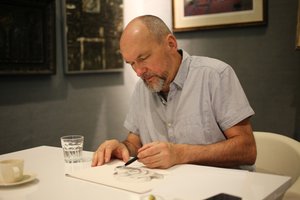
Jacek Yerka
1952 - , Poľsko
Rýchle fakty
- Artistic Movement Or Style: Surrealizmus
- Artists Or Movements Influenced By This Artist: ['Fantastický realizmus']
- Artists Who Influenced This Artist:
- Hieronymus Bosch
- Pieter Bruegel
- Jan van Eyck
- Hugo van der Goes
- Date Of Birth: 1952
- Full Name: Jacek Yerka
- Nationality: Poľský
- Notable Artworks:
- Angelská kuchyňa
- Teória Wegenera
- Place Of Birth: Toruń, Poland
Súvisiace články
Dreamscapes & Disrupted Realities: Exploring Surrealism's Enduring Influence
Explore the fascinating world of Surrealism! Discover its origins, key artists like Dalí & Magritte, and enduring influence on art & culture. Expert insights & high-quality reproductions at OriginalUniqueArt.
Top 10 surrealistických majstrovských diel, ktoré definovali umelecký pohyb | OriginalUniqueArt.sk
Ponorte sa do sveta surrealizmu s top 10 majstrovskými dielami od Dalího, Magritta a Miróa. Objavte príbehy za ikonickými obrazmi, techniky a umelecké motívy. Kvalitné reprodukcie na OriginalUniqueArt.com – pre váš jedinečný interiér.

Katsushika Hokusai: 25 Majstrovských Diel pre Krásu Vášho Domova | OriginalUniqueArt.com
Ponorte sa do sveta Katsushika Hokusaiho a objavte 25 jeho najznámejších umeleckých diel. Ukiyo-e, The Great Wave, Fujiyama – príbehy za ikonickými obrazmi. Kvalitné reprodukcie pre váš domov na OriginalUniqueArt.com.

Jacek Yerka: Surreal Visions & Nostalgia in Contemporary Polish Painting
Explore the captivating surreal worlds of Jacek Yerka, a leading Polish painter renowned for his meticulous Flemish technique & dreamlike landscapes. Discover his unique style and learn about collecting this exceptional artist's work.
Salvador Dalí: Top 25 diel majstra surrealizmu pre váš domov | OriginalUniqueArt.sk
Ponorte sa do sveta Salvadora Dalího s OriginalUniqueArt.sk! Objavte top 25 diel majstra surrealizmu, ich príbehy a techniky. Reprodukcie obrazov pre váš domov – luxusné dekorácie a umelecká inšpirácia online. Preskúmajte celú kolekciu na OriginalUniqueArt.com