

 Zobraziť v interiéri
 Odoslať
 Zdieľať
 Podrobnosti
 Príručka

 Stiahnuť
 Podobné položky
 RTG skúška
 Prehliadanie diapo\]
 Štatistiky
Two Cranes
 Ink
Ink- WallArt
 1795
1795- Early Modern
 108.0 x 39.0 cm
 Prečítať si viac
Giclée / Umenotlač
Giclée tlač alebo plátno múzeálnej kvality s rýchlou výrobou a rôznymi možnosťami povrchovej úpravy. ( Objednať ručne maľovanú reprodukciu Prepnúť na digitálnu verziu obrazu)




P118B €10

P118H €10

P118W €10

P438Z €10

P508JH €12

P508YH €12

P805H €10

P805Z €10

P919BZ €10

P919G €10

P919XJ €10

P959ZH €10

P968JZ €12

W106C €8

W218G €10

W218JH €8

W218Y €10

W307PJ €10

W316G €10

W316PJ €8

W316Y €10

W398PJ €8

W4111J €10

W500HY €15

W500JH €15

W692G €12

W849H €8

W940BG €15

W953PJ €8




Vyberte si z našich preddefinovaných rozmerov, ktoré zodpovedajú pôvodným pomeroḿ diela.

Zadajte šírku a výšku, ktoré potrebujete, aby sa reprodukcia hodila k vášmu rámu alebo stene. Print možno len orezávať, nikdy však nemennú veľkosť zvětšiť oproti pôvodnému obrázku, preto pri inom formáte stráca časť obrazu. Pred samotným vytlačiacím procesom vám pošleme digitálny náhľad na schválenie. Obrázok zobrazený na tejto stránke nezobrazuje reálny rez — len digitálny náhľad ukazuje presný výsledok.
Celosvetová doprava () do 2 týždňov namiesto štandardných 4 až 5 týždňov. (25 október)

Bezplatná expresná doprava po celom svete

Vysokokvalitné lnianske plátno

Úplné poistenie prepravy

Záruka vrátenia colného poplatku

Záruka presného farebného zhodnutia

100-dená politika vrátenia tovaru (iba pri vadách)

100% záruka vrátenia peňazí

Ponuka množstevnej zľavy
 Možnosť skla je dostupná len pri rozmeroch pod 110 cm

Two Cranes
Giclée / Umenotlač
Veľkosť reprodukcie
-


Celková cena
€ 70
A Serene Encounter in the Snow
In the quietude of a winter landscape, two cranes stand as silent sentinels amidst a soft, dusting of snow. This exquisite work by the Edo-period master Itō Jakuchū captures a moment of profound stillness, inviting the viewer into a world where nature and spirit converge. The composition is elegantly elongated, drawing the eye upward along the slender, graceful necks of the birds, which seem to reach toward an unseen horizon. There is a rhythmic simplicity to the scene; the heavy, textured snowdrift at the base provides a grounded, earthy foundation that contrasts beautifully with the ethereal, almost weightless quality of the cranes' presence. It is a painting that does not merely depict a scene but evokes an atmosphere of deep, meditative peace.
The artistry of Jakuchū is revealed through his masterful command of the sumi-e tradition, blended with a unique, individualistic flair that set him apart from his contemporaries. Using ink and pigment on what was likely silk or fine paper, the artist employs a delicate range of tonal variations to breathe life into the subjects. The brushwork is both fluid and intentional; subtle, sweeping strokes define the contours of the birds' plumage, while more diffused, watery applications of ink create the soft, powdery texture of the snow. This technique allows for a sense of organic movement within a static moment, as if a light breeze might stir the feathers or disturb the frozen landscape at any second.
Symbolism and the Spirit of Japan
Beyond its visual elegance, this artwork is steeped in the rich symbolic language of Japanese culture. The crane, a central figure in East Asian iconography, is far more than a mere biological subject; it is a potent symbol of longevity, fidelity, and good fortune. By placing these two birds together within a desolate yet beautiful landscape, Jakuchū evokes themes of harmony and enduring companionship. The muted, earthy palette—dominated by shades of beige, grey, and soft brown—complements this spiritual depth, avoiding the distraction of vibrant color to focus instead on the essential essence of the subjects. A singular touch of red from the artist’s seal serves as a poignant reminder of the human hand behind the divine natural observation.
For the discerning collector or interior designer, this piece offers a timeless sophistication that transcends eras. Its understated elegance makes it an ideal centerpiece for spaces designed for contemplation, such as a library, a minimalist study, or a serene wellness retreat. The artwork’s ability to command attention through subtlety rather than spectacle ensures it remains a focal point of quiet strength. Whether viewed as a historical masterpiece of the Kyoto school or as a contemporary element of Zen-inspired decor, Two Cranes continues to resonate with anyone who finds beauty in the delicate balance between the ephemeral and the eternal.
Otázky a odpovede
Akú saturáciu a intenzitu predstavuje „Two Cranes“ od Ito Jakuchu?
Farby diela „Two Cranes“ od Ito Jakuchu vykazujú Subtle Color saturáciu s intenzitou Balanced.
Aká intenzívna je farebnosť diela „Two Cranes“ od Ito Jakuchu?
Intenzita farieb diela „Two Cranes“ je Balanced. Intenzita popisuje, ako silné pôsobia farby.
Akou technikou bolo vytvorené dielo „Two Cranes“ a aké je jeho veľkosť?
„Two Cranes“ bola vytvorená v technike Ink a vo svojej pôvodnej podobe má rozmery 108 x 39 cm.
Biografia umelca
Ito Jakuchu: A Kyoto Eccentric Shaping Japanese Art History
Ito Jakuchu (1716 – 1800) stands as a singular figure in Edo period art, an artist whose unconventional approach and profound connection to Zen Buddhism irrevocably altered the trajectory of Japanese painting. Unlike many of his contemporaries who adhered rigidly to established artistic lineages—primarily those associated with the Kano school—Jakuchu forged his own path, prioritizing direct observation of nature and rejecting traditional conventions that prioritized idealized representations over truthful depictions. His legacy continues to inspire artists today, cementing his place as one of Japan’s most influential masters.- Early Life and Family Background
- The Kano School Influence and Initial Artistic Training
- Breaking Tradition: Style and Subject Matter – Birds, Flowers, and Zen Philosophy
- Notable Works and Recognition During His Lifetime
- Rediscovery in the 20th Century and Lasting Impact on Art History
Early Life and Family Background
Ito Jakuchu was born in Kyoto’s Nishiki market district, a vibrant hub of commerce and culture—a location that would profoundly shape his worldview. His father, Ito Genzaemon, operated Masuya, a sizable wholesaler specializing in vegetables, providing young Jakuchu with a comfortable upbringing rooted in the practical realities of Edo society. This familial environment instilled in him an awareness of societal shifts and the growing influence of Kyoto’s merchant class—a perspective that subtly permeated his artistic vision. While expected to eventually inherit the family business, Jakuchu harbored a deep passion for painting from childhood, demonstrating exceptional talent early on.The Kano School Influence and Initial Artistic Training
Jakuchu initially studied under Ōoka Shunboku, a prominent Kano school artist known for his masterful depictions of birds and flowers—a stylistic choice that reflects the prevailing artistic sensibilities of the time. However, recognizing the limitations of formal training, Jakuchu swiftly transcended conventional expectations, prioritizing independent exploration and developing an idiosyncratic style characterized by bold experimentation with perspective and color. This divergence from established norms aligned him with a burgeoning movement championed by Nobuo Tsuji—the “Lineage of Eccentrics”—which celebrated artists who challenged artistic conventions.Breaking Tradition: Style and Subject Matter – Birds, Flowers, and Zen Philosophy
Jakuchu’s artistic style distinguishes itself through its unwavering commitment to capturing the essence of nature with unparalleled accuracy—a hallmark of Zen Buddhist philosophy. Rejecting idealized representations favored by many Kano school artists, he focused on meticulous observation, meticulously rendering details that conveyed a sense of immediacy and vitality. His fascination with birds—particularly chickens—became a recurring motif in his oeuvre, elevating them from humble farm animals to subjects worthy of profound artistic contemplation. Beyond mere imitation of nature, Jakuchu sought to embody Zen principles—a contemplative stillness, an appreciation for impermanence, and reverence for the natural world—as evidenced by masterpieces like “Bean Vine,” which transcends visual representation to express a deeper spiritual truth.Notable Works and Recognition During His Lifetime
Despite his artistic brilliance, Jakuchu remained largely unrecognized during his lifetime—a poignant irony considering his enduring influence on subsequent generations of artists. However, Tsuji’s groundbreaking scholarship in 1970 revolutionized perceptions of Edo period painting, elevating Jakuchu's status as a pivotal figure and sparking renewed interest in his work. His paintings, particularly “Five Hundred Arhats” and “Hanshan and Shide,” are celebrated for their monumental scale and breathtaking artistry—testaments to Jakuchu’s extraordinary skill and dedication.Rediscovery in the 20th Century and Lasting Impact on Art History
The rediscovery of Ito Jakuchu's art in the 20th century marked a watershed moment in Japanese art history—a testament to the enduring power of an artist who dared to defy convention and capture the spirit of his time with unparalleled originality. His influence can be seen in the development of Ukiyo-e, the popular genre of woodblock prints, demonstrating a broader impact on Japanese artistic culture. Today, Ito Jakuchu is revered not only for his technical prowess but also for his visionary aesthetic—a beacon of innovation and contemplation that continues to inspire artists worldwide.
Ito Jakuchu
1716 - 1800 , Japonsko
Rýchle fakty
- Artistic Movement Or Style: Lineage of Eccentrics
- Artists Or Movements Influenced By This Artist: ['Maruyama Ōkyo']
- Artists Who Influenced This Artist: ['Ōoka Shunboku']
- Date Of Birth: March 2, 1716
- Date Of Death: October 27, 1800
- Full Name: Ito Jakuchū
- Nationality: Japanese
- Notable Artworks:
- Five Hundred Arhats
- Hanshan and Shide
- Crabs and Peonies
- Place Of Birth: Kyoto, Japan
Súvisiace články

Katsushika Hokusai: 25 Majstrovských Diel pre Krásu Vášho Domova | OriginalUniqueArt.com
Ponorte sa do sveta Katsushika Hokusaiho a objavte 25 jeho najznámejších umeleckých diel. Ukiyo-e, The Great Wave, Fujiyama – príbehy za ikonickými obrazmi. Kvalitné reprodukcie pre váš domov na OriginalUniqueArt.com.

Top 10 Majstrov Romantickej Krajinomaľby: Obrazy, ktoré zmenili svet umenia
Ponorte sa do sveta romantickej krajinomaľby! Objavte top 10 majstrovských diel od Friedricha, Turnera a ďalších. Historické obrazy prírody s nádychom emócií. Reprodukcie obrazov pre váš interiér na OriginalUniqueArt.com.

Evocations of Place: A Historical Journey Through Landscape Art
Explore the rich history of landscape art with OriginalUniqueArt. Discover renowned artists, movements like Impressionism & Romanticism, and expert guidance for collecting timeless pieces. Find your perfect serene escape today!
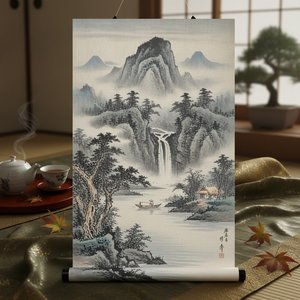
Serenity on Canvas: A Guide to the Timeless Beauty of Japanese Landscape Painting
Discover the serene beauty of Japanese landscape painting. From Hokusai's iconic woodblock prints to meditative sumi-e ink washes, explore a visual journey through the 'floating world' and learn how to bring this timeless Zen aesthetic into your modern home decor.
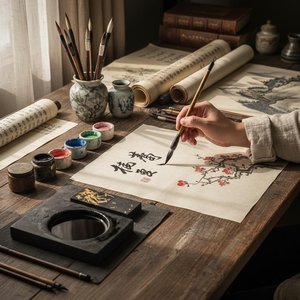
The Alchemy of Ink: Mastering the Timeless Beauty and Art History of Paper and Brush
Embark on a sophisticated exploration of ink wash painting and Sumi-e. Uncover the profound historical lineages, Zen philosophies, and technical mastery behind this timeless medium in our authoritative guide for fine art enthusiasts.
