

 Náhľad
 Odoslať
 Zdieľať
 Podrobnosti o dielo

 Stiahnuť
 Podobné diela
 RTG skúška
 Prezentácia
 Štatistiky
Banana Leaves
 Ink On Paper
- Edo period
 1790
1790- Early Modern
 111.0 x 43.0 cm
 Zobraziť viac
Ručne maľovaná olejová reprodukcia
Ručne maľovaný olej na plátne vo vašej zvolenej veľkosti a v ráme, vyrobený na mieru našimi umelcami. ( Prepnúť na tlač Prepnúť na digitálny obraz)




P118B $10

P118H $10

P118W $10

P438Z $10

P508JH $12

P508YH $12

P805H $10

P805Z $10

P919BZ $10

P919G $10

P919XJ $10

P959ZH $10

P968JZ $12

W106C $8

W218G $10

W218JH $8

W218Y $10

W307PJ $10

W316G $10

W316PJ $8

W316Y $10

W398PJ $8

W4111J $10

W500HY $15

W500JH $15

W692G $12

W849H $8

W940BG $15

W953PJ $8




Vyberte si z našich preddefinovaných rozmerov, ktoré zodpovedajú pôvodným pomeroḿ diela.

Môžete zadať vlastné rozmery tak, aby sa hodili do konkrétneho rámu alebo priestoru. Ak sa váš zvolený rozmer nezhoduje s pôvodnými proporciami obrazu, dielo buď orezáme, alebo ho doplníme ručne maľovanými prvkami. Pred začiatkom výroby vám zašleme digitálny náhľad na schválenie.
Upozorňujeme, že ukážka na obrazovke neodráža skutočné orezanie alebo doplnenie. Skutočnú finálnu kompozíciu zobrazuje iba digitálny náhľad.
Hoci sú k dispozícii vlastné rozmery, odporúčame vybrať rozmer z preddefinovaného zoznamu, aby sme zachovali pôvodné proporcie.
Po odoslaní objednávky vám tím OriginalUniqueArt.com pošle e-mail s pokynmi a poskytne náhľad na návrh.
Celosvetová doprava () za 3 až 4 týždne namiesto štandardných 5 týždňov. (17 september). Bez kompromisov v kvalite.

Bezplatná expresná doprava po celom svete

Prémiové lnianske plátno

Kompletné poistenie prepravy

Záruka vrátenia colného poplatku

Záruka presného farebného zhodnutia

100-dená politika vrátenia tovaru (iba pri vadách)

100% záruka vrátenia peňazí

Výhodná množstevná zľava
 Možnosť skla je dostupná len pri rozmeroch pod 110 cm

Banana Leaves
Technika reprodukcie
Veľkosť reprodukcie
-


Celková cena za vybrané možnosti
$ 300
The Ethereal Dance of Ink and Light
In the quiet mastery of Itō Jakuchū, the boundaries between the natural world and the spiritual realm dissolve into a breathtaking display of botanical precision. His work, Banana Leaves, serves as a profound testament to the artist's ability to transform simple organic forms into a complex, rhythmic composition. The painting captures the lush, overlapping silhouettes of banana leaves with a graphic boldness that feels remarkably modern, yet it is deeply rooted in the traditions of the Edo period. As the eye wanders across the pale gray ink and the delicate interplay of light, one is struck by a sense of serene movement, as if a gentle Kyoto breeze has just swept through the foliage, momentarily freezing a moment of botanical grace.
The technical brilliance of this piece lies in the sujime-gaki technique, or "white-line drawing," a method that requires extraordinary discipline and foresight. To achieve such an effect, Jakuchū applied moist brushstrokes to the absorbent gasenshi paper with surgical precision, leaving narrow, unpainted gaps between the ink washes. These microscopic slivers of untouched paper create the illusion of luminous white veins and edges, giving the leaves a structural vitality that seems to glow from within. This meticulous approach allows the artist to render the heavy, succulent texture of the leaves while maintaining an airy, weightless quality that prevents the composition from feeling dense or stagnant.
A Legacy of Eccentricity and Devotion
To understand the soul of this artwork, one must look toward the life of the man behind the brush. Itō Jakuchū was celebrated as one of the Three Eccentrics of the Edo period, a title that reflects his departure from the rigid, academic styles of his era in favor of a more visceral, imaginative realism. Born into a prosperous merchant family in Kyoto, Jakuch_hū’s perspective was uniquely shaped by the vibrant commercial energy of the Nishiki market and his deep-seated Zen Buddhist convictions. This duality—the observant eye of a man familiar with the tangible world and the contemplative spirit of a devotee—is what gives Banana Leaves its profound emotional resonance.
The presence of Jakuchū’s personal seals on the work offers a glimpse into his spiritual identity. The round seal, reading “Lay Buddhist devotee Jakuchū,” serves as a humble reminder of the artist's devotion, suggesting that every stroke was an act of mindfulness. Furthermore, the poignant inscription Senga zeppitsu—meaning “a thousand paintings, each one [created as if it were] my last one”—imbues the work with a sense of urgent beauty. For the collector or interior designer, this piece is more than a mere botanical study; it is an invitation to contemplate the fleeting nature of life and the enduring power of focused intention.
An Inspiration for the Modern Interior
For those seeking to curate a space of sophistication and tranquility, Banana Leaves offers unparalleled versatility. The muted palette of grays and soft whites allows it to integrate seamlessly into contemporary minimalist settings, while its bold, graphic structure provides a striking focal point in more traditional or maximalist environments. The artwork possesses a rare ability to command attention through subtlety rather than noise, making it an ideal choice for high-end residential galleries, serene study areas, or luxury hospitality design.
Owning a high-quality reproduction of this masterpiece allows the timeless elegance of Jakuchū’s vision to inhabit your personal space. It brings with it the historical weight of 18th-century Japan and the quiet, rhythmic energy of the natural world. Whether placed in a sunlit lounge or a contemplative corner, the painting acts as a window into a lost era of artistic experimentation, offering a continuous source of inspiration and a profound sense of peace to all who behold it.
Biografia umelca
Ito Jakuchu: A Kyoto Eccentric Shaping Japanese Art History
Ito Jakuchu (1716 – 1800) stands as a singular figure in Edo period art, an artist whose unconventional approach and profound connection to Zen Buddhism irrevocably altered the trajectory of Japanese painting. Unlike many of his contemporaries who adhered rigidly to established artistic lineages—primarily those associated with the Kano school—Jakuchu forged his own path, prioritizing direct observation of nature and rejecting traditional conventions that prioritized idealized representations over truthful depictions. His legacy continues to inspire artists today, cementing his place as one of Japan’s most influential masters.- Early Life and Family Background
- The Kano School Influence and Initial Artistic Training
- Breaking Tradition: Style and Subject Matter – Birds, Flowers, and Zen Philosophy
- Notable Works and Recognition During His Lifetime
- Rediscovery in the 20th Century and Lasting Impact on Art History
Early Life and Family Background
Ito Jakuchu was born in Kyoto’s Nishiki market district, a vibrant hub of commerce and culture—a location that would profoundly shape his worldview. His father, Ito Genzaemon, operated Masuya, a sizable wholesaler specializing in vegetables, providing young Jakuchu with a comfortable upbringing rooted in the practical realities of Edo society. This familial environment instilled in him an awareness of societal shifts and the growing influence of Kyoto’s merchant class—a perspective that subtly permeated his artistic vision. While expected to eventually inherit the family business, Jakuchu harbored a deep passion for painting from childhood, demonstrating exceptional talent early on.The Kano School Influence and Initial Artistic Training
Jakuchu initially studied under Ōoka Shunboku, a prominent Kano school artist known for his masterful depictions of birds and flowers—a stylistic choice that reflects the prevailing artistic sensibilities of the time. However, recognizing the limitations of formal training, Jakuchu swiftly transcended conventional expectations, prioritizing independent exploration and developing an idiosyncratic style characterized by bold experimentation with perspective and color. This divergence from established norms aligned him with a burgeoning movement championed by Nobuo Tsuji—the “Lineage of Eccentrics”—which celebrated artists who challenged artistic conventions.Breaking Tradition: Style and Subject Matter – Birds, Flowers, and Zen Philosophy
Jakuchu’s artistic style distinguishes itself through its unwavering commitment to capturing the essence of nature with unparalleled accuracy—a hallmark of Zen Buddhist philosophy. Rejecting idealized representations favored by many Kano school artists, he focused on meticulous observation, meticulously rendering details that conveyed a sense of immediacy and vitality. His fascination with birds—particularly chickens—became a recurring motif in his oeuvre, elevating them from humble farm animals to subjects worthy of profound artistic contemplation. Beyond mere imitation of nature, Jakuchu sought to embody Zen principles—a contemplative stillness, an appreciation for impermanence, and reverence for the natural world—as evidenced by masterpieces like “Bean Vine,” which transcends visual representation to express a deeper spiritual truth.Notable Works and Recognition During His Lifetime
Despite his artistic brilliance, Jakuchu remained largely unrecognized during his lifetime—a poignant irony considering his enduring influence on subsequent generations of artists. However, Tsuji’s groundbreaking scholarship in 1970 revolutionized perceptions of Edo period painting, elevating Jakuchu's status as a pivotal figure and sparking renewed interest in his work. His paintings, particularly “Five Hundred Arhats” and “Hanshan and Shide,” are celebrated for their monumental scale and breathtaking artistry—testaments to Jakuchu’s extraordinary skill and dedication.Rediscovery in the 20th Century and Lasting Impact on Art History
The rediscovery of Ito Jakuchu's art in the 20th century marked a watershed moment in Japanese art history—a testament to the enduring power of an artist who dared to defy convention and capture the spirit of his time with unparalleled originality. His influence can be seen in the development of Ukiyo-e, the popular genre of woodblock prints, demonstrating a broader impact on Japanese artistic culture. Today, Ito Jakuchu is revered not only for his technical prowess but also for his visionary aesthetic—a beacon of innovation and contemplation that continues to inspire artists worldwide.
Ito Jakuchu
1716 - 1800 , Japonsko
Základné informácie
- Artistic Movement Or Style: Lineage of Eccentrics
- Artists Or Movements Influenced By This Artist: ['Maruyama Ōkyo']
- Artists Who Influenced This Artist: ['Ōoka Shunboku']
- Date Of Birth: March 2, 1716
- Date Of Death: October 27, 1800
- Full Name: Ito Jakuchū
- Nationality: Japanese
- Notable Artworks:
- Five Hundred Arhats
- Hanshan and Shide
- Crabs and Peonies
- Place Of Birth: Kyoto, Japan
Súvisiace články
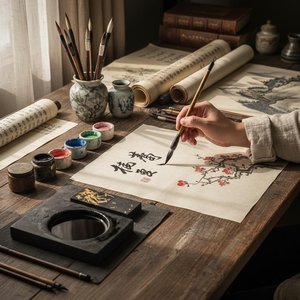
The Alchemy of Ink: Mastering the Timeless Beauty and Art History of Paper and Brush
Embark on a sophisticated exploration of ink wash painting and Sumi-e. Uncover the profound historical lineages, Zen philosophies, and technical mastery behind this timeless medium in our authoritative guide for fine art enthusiasts.

Mastering Ink on Paper: The Timeless Art of Precision, Flow, and Calligraphic Heritage
Explore the profound mastery of ink on paper. From Japanese haiku traditions to Ming Dynasty calligraphy, discover the delicate balance of precision and flow that defines this timeless art form through an expert historical lens.

Ephemeral Expressions: Exploring the Nuances of Ink on Paper Through History & Contemporary Art
Explore the captivating world of ink wash painting – from its ancient origins to contemporary masters. Discover techniques, symbolism & conservation insights with OriginalUniqueArt.com.
Top 10 slávnych obrazov v odtieňoch sivej: Majstri svetla a tieňa | OriginalUniqueArt.sk
Objavte top 10 slávnych obrazov v odtieňoch sivej – Monet, Renoir a ďalší majstri. Ponorte sa do sveta impresionizmu, tlmených farieb a tichej krásy. Reprodukcie obrazov pre váš interiér na OriginalUniqueArt.sk! Preskúmajte celú kolekciu online.
Top 10 slávnych obrazov vládnutých sivou farbou: Umění pre váš domov s OriginalUniqueArt
Objavte top 10 slávnych obrazov vládnutých sivou farbou – od Van Gogha po Rembrandta. Umenie, história a inšpirácia pre váš interiér s OriginalUniqueArt.com. Reprodukcie múzejnej kvality online.
