

 Zobraziť v interiéri
 Odoslať
 Zdieľať
 Podrobnosti
 Príručka

 Stiahnuť
 Podobné položky
 RTG skúška
 Prehliadanie diapo\]
 Štatistiky
Ruin Capriccio
 Acrylic On Canvas
- WallArt
- Romanticism
 1786
1786- 19th Century
 41.0 x 31.0 cm
 Academy of Fine Arts Vienna
 Prečítať si viac
Ručne maľovaná olejová reprodukcia
Ručne maľovaný olej na plátne vo vašej zvolenej veľkosti a v ráme, vyrobený na mieru našimi umelcami. ( Prepnúť na tlač Prepnúť na digitálnu verziu obrazu)




P118B €10

P118H €10

P118W €10

P438Z €10

P508JH €12

P508YH €12

P805H €10

P805Z €10

P919BZ €10

P919G €10

P919XJ €10

P959ZH €10

P968JZ €12

W106C €8

W218G €10

W218JH €8

W218Y €10

W307PJ €10

W316G €10

W316PJ €8

W316Y €10

W398PJ €8

W4111J €10

W500HY €15

W500JH €15

W692G €12

W849H €8

W940BG €15

W953PJ €8




Vyberte si z našich preddefinovaných rozmerov, ktoré zodpovedajú pôvodným pomeroḿ diela.

Type the width and the height you need, to fit your frame or your wall. This is hand-painted, so for a size with a different shape the artist can paint a bit more around the picture, or cut a bit — you choose. We send you a digital mockup to approve before the painting starts. The picture shown on this page does not show the real result — only the mockup does.
Po odoslaní objednávky vám tím OriginalUniqueArt.com pošle e-mail s pokynmi a poskytne náhľad na návrh
Celosvetová doprava () za 3 až 4 týždne namiesto štandardných 5 týždňov. (15 október). Bez kompromisov v kvalite.

Bezplatná expresná doprava po celom svete

Vysokokvalitné lnianske plátno

Úplné poistenie prepravy

Záruka vrátenia colného poplatku

Záruka presného farebného zhodnutia

100-dená politika vrátenia tovaru (iba pri vadách)

100% záruka vrátenia peňazí

Ponuka množstevnej zľavy
 Možnosť skla je dostupná len pri rozmeroch pod 110 cm

Ruin Capriccio
Spôsob reprodukcie
Veľkosť reprodukcie
-


Celková cena
€ 260
Hubert Robert: The Poet of Ruins
Hubert Robert (1733-1808) stands as an emblem of the Romantic spirit—a painter who transcended mere documentation, transforming observation into visionary imagination to conjure scenes imbued with both nostalgic longing and anticipatory wonder. Born in Paris amidst a period of dramatic artistic upheaval—from the opulent Rococo’s playful frivolity to the burgeoning Neoclassicism—Robert navigated these stylistic currents, ultimately establishing himself as a pivotal figure in shaping the aesthetic landscape of his era. He wasn't merely depicting decay; he was crafting narratives of time and memory, elevating ruins into symbols of grandeur lost and beauty enduring.- Early Life & Artistic Training: Robert’s formative years were marked by exposure to influential artistic mentors like Michel-Ange Slodtz, who recognized his innate talent but skillfully steered him toward painting—a decision that proved decisive in unlocking Robert's true creative potential. This guidance instilled a foundational understanding of perspective and composition, skills he would hone throughout his prolific career.
- Roman Reveries: Robert’s journey to Rome in 1754 represented more than just a geographical relocation; it signified an immersion into the intellectual fervor of the Enlightenment and a profound fascination with the vestiges of antiquity. His time amongst fellow artists, notably Giovanni Paolo Panini and Giovanni Battista Piranesi—whose techniques he meticulously studied—fueled his artistic vision and cemented his reputation as a master of architectural capricci.
- The Capriccio Genre: Robert’s signature style resided in the genre of capriccio—a technique that deliberately juxtaposed disparate elements—ancient ruins, fantastical landscapes, and idealized figures—to evoke an atmosphere of sublime beauty and melancholy contemplation. This approach distinguished him from his contemporaries who favored more restrained representations of nature, prioritizing emotional resonance over literal accuracy.
- A Painter of Emotion: Robert’s paintings are characterized by a masterful manipulation of light and color, capturing fleeting moments of atmospheric drama with breathtaking sensitivity. He sought to convey not just what he saw but how he felt—a profound awareness of the passage of time and the inevitability of decay—themes that resonated deeply with the Romantic sensibility.
- Legacy & Influence: Robert’s enduring legacy extends beyond his individual artworks; he profoundly impacted subsequent generations of painters, inspiring them to embrace imaginative storytelling and to explore the expressive power of landscape painting. His influence can be discerned in the works of Eugène Delacroix and Caspar David Friedrich—artists who similarly championed the Romantic ideal of sublime beauty and emotional intensity.
Ruin Capriccio: A Study in Light and Memory
“Ruin Capriccio,” executed circa 1786, exemplifies Robert’s artistic philosophy with remarkable clarity. The painting depicts a monumental stone building—likely inspired by the grandeur of Roman ruins—dominated by towering columns and arches bathed in ethereal light. This dramatic illumination serves not merely to illuminate the architectural structure but also to imbue it with an aura of timelessness and melancholy beauty. Scattered throughout the scene are figures—primarily human forms—who appear dwarfed by the scale of the ruin, emphasizing the insignificance of human existence against the backdrop of geological time.Robert’s meticulous attention to detail—evident in the rendering of textures, drapery folds, and atmospheric haze—underscores his commitment to capturing not just visual appearances but also emotional impressions. The artist skillfully employs chiaroscuro—the interplay between light and shadow—to heighten dramatic tension and to create a sense of depth that draws the viewer into the scene’s contemplative mood.
Symbolism & Context: Echoes of Antiquity and Romantic Idealism
The choice of ruins as subject matter was deliberate, reflecting Robert's fascination with the vestiges of classical civilization—a preoccupation that mirrored the broader intellectual currents of the Enlightenment. Ruins served as potent symbols of grandeur lost, reminding viewers of the impermanence of earthly achievements and prompting reflection on mortality. Simultaneously, Robert’s depiction aligns perfectly with the tenets of Romantic idealism—a movement characterized by an emphasis on emotion, imagination, and the sublime—values that championed the beauty of untamed nature and the contemplation of profound spiritual truths.Technical Mastery & Artistic Innovation
Robert's technique was distinguished by its virtuosity—particularly his command of perspective and atmospheric effects. He achieved remarkable realism through painstaking observation, meticulously recreating textures and colors with unparalleled accuracy. Yet, he never sacrificed artistic expression for mere imitation; rather, he skillfully manipulated visual elements to convey emotional resonance and to evoke a sense of wonder. His innovative approach to landscape painting solidified Robert’s position as one of the foremost artists of his time—a testament to his unwavering dedication to pushing the boundaries of artistic convention.Otázky a odpovede
Aká je odporúčaná veľkosť tlače pre „Ruin Capriccio“ od Hubert Robert?
Pre dielo „Ruin Capriccio“ od Hubert Robert sa odporúča reprodukcia vo veľkom formáte Large. Veľkosť je možné upraviť pri zachovaní pomerov.
Možno sa legálne reprodukovať dielo „Ruin Capriccio“ od Hubert Robert, ktoré sa nachádza v múzeu Academy of Fine Arts Vienna?
Dielo „Ruin Capriccio“ od Hubert Robert, ktoré sa nachádza v múzeu Academy of Fine Arts Vienna, je v v verejnom vlastníctve – autorské práva vypršali. Tento stav určuje, či je možné vytvárať reprodukcie tohto obrazu.
Kedy bolo vytvorené dielo „Ruin Capriccio“ od Hubert Robert?
Vznik diela „Ruin Capriccio“ od Hubert Robert sa datuje do roku 1786.
Biografia umelca
Hubert Robert (1733–1808): Francúzsky maliar ruín a vizek
Hubert Robert, meno spájajúce sa s evokujúcimi krajinami a romantickou čarovnosťou ruin, zaujíma v 18. storočí francúzskej umenia unikátnu pozíciu. Narodil sa v Paríži v roku 1733 a jeho život prebiehal v kontexte posuvných umeleckých štýlov a monumentálnych historických premenu – od ľahkosti rokoká až po nástup neoklasicismu, a nakoniec aj prostredníctvom turbulentných rokov francúzskej revolúcie. Nebol len dokumentátorom rozkladu; vytváral vize, spájajúc pozorovanie s fantáziou, aby vytvoril scény, ktoré rezonovali s nostalgickou túžbou po minulosti a predzvestím budúcnosti. Jeho cesta začala v usporiadanom svete umeleckého vzdelávania, najprv pod sochára Michela-Ange Slodtza, ktorý si všimol Robertovu talent, ale múdro ho nasmeroval k maľbe, čítajúc jeho pravú výzvu – zachytiť svetlo, atmosféru a jemnú poezziu tvaru.
Rímske reverencie: Formovanie umeleckej identity
Kľúčový moment v Robertovej umeleckej rozvoji nastal s jeho rozšíreným pobytom v Ríme v roku 1754. Spolu s Étienne-François de Choiseulom sa ponoril do sveta, ktorý bol zasadený do histórie a architektonickej grandeur. Po jedenásť rokov sa staroveké mesto stalo jeho vonkajším štúdiom, jeho zrúhavé chrámy, majestátne oblúky a zaplnené záhrady pohánkali jeho predstavivosti. Nebolo to len o replikovaní toho, čo videl; išlo o interpretáciu, preformulovanie a vloženie doňho pocitu melancholickej krásy. Pracoval po boku Giovanniho Paola Paniniho, čímž sa ukázalo, že Robertov vplyv je viditeľný v jeho skorých *capriccio* kompozíciách – týchto fantázijných výhľadov, ktoré spájali klasické ruiny s súčasným životom. No Robert rýchlo prešiel ďalej od napodobňovania, vyvinul vlastný jedinečný štýl charakterizovaný precíznym detailom, atmosférickou perspektívou a hlbokou citlivosťou na svetlo a tieň. Nebol len maľoval ruiny; mal malovať čas samotný, zachytávať pohnutú krásu dočasnosti a trvalú silu pamäte. Jeho zápisníky z tejto doby sú neoceniteľné záznamy o jeho pozorovaniach, plné detailných štúdií rímskych pamiatok, ako je Villa d’Este a Caprarola, demonštrujúc taký talent pre architektonickú nuanciu a krajinársku kompozíciu.
Parížsky uznanie a kráľovské sponzorstvo
Robertov návrat do Paríža v roku 1765 znamenal posun v jeho kariére. Rýchlo získal uznanie v umeleckej spoločnosti, pričom saho prijal do Académie Royale de Peinture et de Sculpture s dielom “Port of Rome, Decorated with Various Monuments of Architecture, Ancient and Modern.” Jeho nasledujúce výstavy v Salóne zarobili si široké uznanie, očarili publikum svojimi evokujúcimi reprezentáciami ruin a malebných krajín. Denis Diderot, vedúci predstaviteľ osvietenstva, známy kritik, svedčil o grandeur evokovanej Robertovými maľbami, rozpoznávajúc jeho schopnosť prenášať divákov do inej doby a miesta. Tento úspech viedol k kráľovskému sponzorstvu, s povelmi na dekoratívne projekty a menami na pozície “Návrhára kráľovských záhrad” a neskôr, “Strážcu kráľovských obrazov.” Stal sa požiadaným umelcom, nie len pre svoje plátno, ale aj pre svojím inovatívnym dizajnom záhrad a palácových interiérov. Jeho dielo rezonovalo s vládnym vkusem *capriccio* maľby – žánru, ktorý oslovoval kolektívov fascinovaných históriou, archeológiou a malebnosťou – ale Robert doňho vložil jedinečnú citlivosť, zvýšil ho nad rámec dekoratívneho umenia.
Revolúcia, odolnosť a trvalá dedičnosť
Francúzska revolúcia priniesla nezvyčajný výzor Robertovi. Zatiaľ čo mnohí umelci bojovali s prechodom turbulentného politického prostredia, on našiel seba v prúdovom zmene. Dokonca bol väznený počas obdobia teroru, hrôzostrašujúcej skúsenosti, ktorá napriek tomu inšpirovala sériu kresieb dokumentujúcich jeho čas v väzení. Výnimočne, pokračoval v maľbe produktívne počas tejto doby, demonštrujúc neochotu vzdávať sa svojej umenia. Po revolúcii bol Robert menovaný kurátorom novej vytvorenej Central Art Museum – budúceho Musée du Louvre, čo bolo dôkazom jeho odbornosti a oddanosti zachovávaniu kultúrneho dedičstva pre budúcie generácie. Hrával kľúčovú úlohu v organizácii a katalogizácii múzejnej zbierky, zabezpečujúc tak, aby francúzske umelecké poklady boli chránené pre budúce generácie.
Kľúčové vplyvy: Giovanni Paolo Panini, Piranesi, Rímsky architektonický krajina
- Kľúčové vplyvy: Giovanni Paolo Panini, Piranesi, rímska architektúrna krajina
- Hlavné témy: Ruiny, krajiny, *capriccio* maľby, historická pamäť, priebeh času
- Umelecký štýl: Precízny detail, atmosféricka perspektíva, evokujúce osvetlenie, spájanie pozorovania s fantáziou
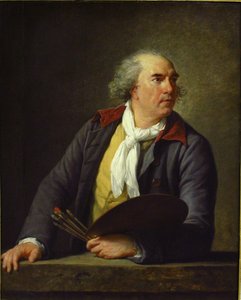
Hubert Robert
1733 - 1808 , Francúzsko
Rýchle fakty
- Artistic Movement Or Style: Romantizmus, Neoklasicizmus
- Artists Or Movements Influenced By This Artist: ['Romantizmus']
- Artists Who Influenced This Artist:
- Giovanni Panini
- Piranesi
- Date Of Birth: 22. máj 1733
- Date Of Death: 15. apríl 1808
- Full Name: Hubert Robert
- Nationality: Francúzsky
- Notable Artworks:
- Port Ríma
- Let Galatey
- Galéria Louvre
- Place Of Birth: Paríž, Francúzsko
Súvisiace články

Top 10 Majstrov Romantickej Krajinomaľby: Obrazy, ktoré zmenili svet umenia
Ponorte sa do sveta romantickej krajinomaľby! Objavte top 10 majstrovských diel od Friedricha, Turnera a ďalších. Historické obrazy prírody s nádychom emócií. Reprodukcie obrazov pre váš interiér na OriginalUniqueArt.com.

Hubert Robert: Picturing Ruins, Preserving Memory – A Study of Romantic Antiquarianism & Artistic Innovation
Explore the captivating world of Hubert Robert, master of Romantic landscape painting & 'capriccio' ruins. Discover his historical context, artistic innovations, and collecting insights with OriginalUniqueArt.

Evocations of Place: A Historical Journey Through Landscape Art
Explore the rich history of landscape art with OriginalUniqueArt. Discover renowned artists, movements like Impressionism & Romanticism, and expert guidance for collecting timeless pieces. Find your perfect serene escape today!

The Sublime and the Picturesque: Exploring Emotion & Nature in Romantic Landscape Painting
Explore the emotional power of Romantic landscape painting! Discover the sublime & picturesque traditions, key artists like Friedrich & Cole, and find your perfect artwork at OriginalUniqueArt.
The Sublime and the Picturesque: Exploring Emotion & Nature in Romantic Landscape Painting
Explore the emotional power of Romantic landscape painting! Discover the sublime & picturesque aesthetics, key artists like Friedrich & Cole, and lasting influence on art history. Find your perfect piece at OriginalUniqueArt.


