

 Zobraziť v interiéri
 Odoslať
 Zdieľať
 Podrobnosti
 Príručka

 Stiahnuť
 Podobné položky
 RTG skúška
 Prehliadanie diapo\]
 Štatistiky
Architectural Landscape with a Canal
 Oil On Canvas
- WallArt
- Baroque Landscape Painting
 1783
1783 129.0 x 183.0 cm
 Ermitáž
 Prečítať si viac
Giclée / Umenotlač
Giclée tlač alebo plátno múzeálnej kvality s rýchlou výrobou a rôznymi možnosťami povrchovej úpravy. ( Objednať ručne maľovanú reprodukciu Prepnúť na digitálnu verziu obrazu)




P118B €10

P118H €10

P118W €10

P438Z €10

P508JH €12

P508YH €12

P805H €10

P805Z €10

P919BZ €10

P919G €10

P919XJ €10

P959ZH €10

P968JZ €12

W106C €8

W218G €10

W218JH €8

W218Y €10

W307PJ €10

W316G €10

W316PJ €8

W316Y €10

W398PJ €8

W4111J €10

W500HY €15

W500JH €15

W692G €12

W849H €8

W940BG €15

W953PJ €8




Vyberte si z našich preddefinovaných rozmerov, ktoré zodpovedajú pôvodným pomeroḿ diela.

Zadajte šírku a výšku, ktoré potrebujete, aby sa reprodukcia hodila k vášmu rámu alebo stene. Print možno len orezávať, nikdy však nemennú veľkosť zvětšiť oproti pôvodnému obrázku, preto pri inom formáte stráca časť obrazu. Pred samotným vytlačiacím procesom vám pošleme digitálny náhľad na schválenie. Obrázok zobrazený na tejto stránke nezobrazuje reálny rez — len digitálny náhľad ukazuje presný výsledok.
Celosvetová doprava () do 2 týždňov namiesto štandardných 4 až 5 týždňov. (24 október)

Bezplatná expresná doprava po celom svete

Vysokokvalitné lnianske plátno

Úplné poistenie prepravy

Záruka vrátenia colného poplatku

Záruka presného farebného zhodnutia

100-dená politika vrátenia tovaru (iba pri vadách)

100% záruka vrátenia peňazí

Ponuka množstevnej zľavy
 Možnosť skla je dostupná len pri rozmeroch pod 110 cm

Architectural Landscape with a Canal
Giclée / Umenotlač
Veľkosť reprodukcie
-


Celková cena
€ 70
Architectural Landscape with a Canal by Hubert Robert: A Symphony of Light and Ruin
Hubert Robert’s “Architectural Landscape with a Canal,” painted in 1783, is more than just a picturesque scene; it's an immersive experience. This oil on canvas masterpiece transports the viewer to a world where classical grandeur meets tranquil reflection, a realm meticulously crafted by Robert’s keen eye and masterful understanding of light and composition. Housed originally within The Hermitage Museum in St. Petersburg, Russia, this work exemplifies Robert’s signature style – a romantic exploration of ruins and the evocative power of landscape, capturing a fleeting moment of beauty amidst decay.
The painting depicts an idyllic canal scene dominated by the remnants of Roman-inspired architecture. Massive arches and columns, rendered in varying states of disrepair, command the foreground, hinting at centuries of history and the inexorable passage of time. A graceful bridge, adorned with classical detailing and flanking statues, spans the canal, drawing the eye into the heart of the composition. Scattered throughout this architectural dreamscape are figures – a small group enjoying the view, perhaps a gondola-like vessel navigating the water – adding a touch of human life to the scene and further enhancing the sense of tranquility.
The Language of Light: Technique and Atmosphere
Robert’s genius lies in his manipulation of light. As with many paintings of this era, light isn't merely a representation of illumination; it’s an active participant in the artwork’s narrative. The overcast sky casts a soft, diffused glow, creating long shadows that accentuate the textures of the stone and water, adding depth and volume to the scene. This careful use of chiaroscuro – the dramatic contrast between light and dark – is characteristic of Robert's style and contributes significantly to the painting's emotional impact. The reflections shimmering on the canal’s surface amplify this effect, creating a sense of movement and vitality.
His technique demonstrates a deep understanding of landscape painting principles, drawing inspiration from the broader tradition of capturing light and shadow to evoke emotion. The meticulous rendering of architectural details combined with the atmospheric perspective creates a remarkably realistic yet dreamlike quality, inviting the viewer to step into this imagined world.
Historical Context and Symbolic Resonance
"Architectural Landscape with a Canal" was created during a period of significant artistic and social change in France. The Rococo style, known for its ornate decoration and playful themes, was giving way to Neoclassicism’s emphasis on order, reason, and classical antiquity. Robert's work reflects this shift, while simultaneously embracing the romantic sensibility that valued emotion and imagination. The ruins themselves carry symbolic weight – they represent both the glories of the past and the inevitability of decay, prompting contemplation about mortality and the transient nature of human achievement.
The inclusion of figures engaged in leisure activities—observing the view, perhaps boating—adds another layer to the painting’s meaning. It suggests a harmonious relationship between humanity and nature, a theme frequently explored by artists during this period. The scene evokes a sense of serenity and escape, inviting the viewer to share in the beauty of the moment.
A Timeless Masterpiece: Reproduction Possibilities
Measuring 129 x 183 cm, this artwork is a testament to Robert’s skill and vision. OriginalUniqueArt offers meticulously crafted hand-painted reproductions that faithfully capture the essence of this iconic painting. Each reproduction utilizes archival quality materials and traditional artistic techniques, ensuring lasting beauty and authenticity. Whether adorning a grand salon or adding a touch of timeless elegance to a smaller space, a “Architectural Landscape with a Canal” reproduction is an investment in art history and a source of enduring inspiration.
Otázky a odpovede
Kde sa nachádza „Architectural Landscape with a Canal“ v rámci opakujúcich sa tém umelca Hubert Robert?
„Architectural Landscape with a Canal“ zobrazuje architectural ruins, canal landscape, light & shadow, hubert robert, french painting, classical scene, water reflection, zatiaľ čo zaznamenané témy umelca Hubert Robert zahŕňajú rococo, neoclassical influence, roman ruins, leisure, light, atmosphere, vision, landscapes. Porovnanie týchto dvoch aspektov ukazuje, ako sa toto dielo viaže na bežné témy tohto umelca.
Aká je vnímaná svetlostnosť diela „Architectural Landscape with a Canal“ od Hubert Robert?
Celkovo je dielo „Architectural Landscape with a Canal“ zaznamenané ako shadow. Vnímaná jasnosť popisuje, aký svetlý alebo tmavý sa tento kus zdá byť.
Kde sa dielo „Architectural Landscape with a Canal“ zaradí do doterajšieho tvoru umelca Hubert Robert?
V rámci tvorby umelca Hubert Robert sa dielo „Architectural Landscape with a Canal“ radí do štýlu Baroque Landscape Painting, pričom sprevádzajú ho témy ako rococo, neoclassical influence, roman ruins, leisure, light, atmosphere, vision, landscapes.
Biografia umelca
Hubert Robert (1733–1808): Francúzsky maliar ruín a vizek
Hubert Robert, meno spájajúce sa s evokujúcimi krajinami a romantickou čarovnosťou ruin, zaujíma v 18. storočí francúzskej umenia unikátnu pozíciu. Narodil sa v Paríži v roku 1733 a jeho život prebiehal v kontexte posuvných umeleckých štýlov a monumentálnych historických premenu – od ľahkosti rokoká až po nástup neoklasicismu, a nakoniec aj prostredníctvom turbulentných rokov francúzskej revolúcie. Nebol len dokumentátorom rozkladu; vytváral vize, spájajúc pozorovanie s fantáziou, aby vytvoril scény, ktoré rezonovali s nostalgickou túžbou po minulosti a predzvestím budúcnosti. Jeho cesta začala v usporiadanom svete umeleckého vzdelávania, najprv pod sochára Michela-Ange Slodtza, ktorý si všimol Robertovu talent, ale múdro ho nasmeroval k maľbe, čítajúc jeho pravú výzvu – zachytiť svetlo, atmosféru a jemnú poezziu tvaru.
Rímske reverencie: Formovanie umeleckej identity
Kľúčový moment v Robertovej umeleckej rozvoji nastal s jeho rozšíreným pobytom v Ríme v roku 1754. Spolu s Étienne-François de Choiseulom sa ponoril do sveta, ktorý bol zasadený do histórie a architektonickej grandeur. Po jedenásť rokov sa staroveké mesto stalo jeho vonkajším štúdiom, jeho zrúhavé chrámy, majestátne oblúky a zaplnené záhrady pohánkali jeho predstavivosti. Nebolo to len o replikovaní toho, čo videl; išlo o interpretáciu, preformulovanie a vloženie doňho pocitu melancholickej krásy. Pracoval po boku Giovanniho Paola Paniniho, čímž sa ukázalo, že Robertov vplyv je viditeľný v jeho skorých *capriccio* kompozíciách – týchto fantázijných výhľadov, ktoré spájali klasické ruiny s súčasným životom. No Robert rýchlo prešiel ďalej od napodobňovania, vyvinul vlastný jedinečný štýl charakterizovaný precíznym detailom, atmosférickou perspektívou a hlbokou citlivosťou na svetlo a tieň. Nebol len maľoval ruiny; mal malovať čas samotný, zachytávať pohnutú krásu dočasnosti a trvalú silu pamäte. Jeho zápisníky z tejto doby sú neoceniteľné záznamy o jeho pozorovaniach, plné detailných štúdií rímskych pamiatok, ako je Villa d’Este a Caprarola, demonštrujúc taký talent pre architektonickú nuanciu a krajinársku kompozíciu.
Parížsky uznanie a kráľovské sponzorstvo
Robertov návrat do Paríža v roku 1765 znamenal posun v jeho kariére. Rýchlo získal uznanie v umeleckej spoločnosti, pričom saho prijal do Académie Royale de Peinture et de Sculpture s dielom “Port of Rome, Decorated with Various Monuments of Architecture, Ancient and Modern.” Jeho nasledujúce výstavy v Salóne zarobili si široké uznanie, očarili publikum svojimi evokujúcimi reprezentáciami ruin a malebných krajín. Denis Diderot, vedúci predstaviteľ osvietenstva, známy kritik, svedčil o grandeur evokovanej Robertovými maľbami, rozpoznávajúc jeho schopnosť prenášať divákov do inej doby a miesta. Tento úspech viedol k kráľovskému sponzorstvu, s povelmi na dekoratívne projekty a menami na pozície “Návrhára kráľovských záhrad” a neskôr, “Strážcu kráľovských obrazov.” Stal sa požiadaným umelcom, nie len pre svoje plátno, ale aj pre svojím inovatívnym dizajnom záhrad a palácových interiérov. Jeho dielo rezonovalo s vládnym vkusem *capriccio* maľby – žánru, ktorý oslovoval kolektívov fascinovaných históriou, archeológiou a malebnosťou – ale Robert doňho vložil jedinečnú citlivosť, zvýšil ho nad rámec dekoratívneho umenia.
Revolúcia, odolnosť a trvalá dedičnosť
Francúzska revolúcia priniesla nezvyčajný výzor Robertovi. Zatiaľ čo mnohí umelci bojovali s prechodom turbulentného politického prostredia, on našiel seba v prúdovom zmene. Dokonca bol väznený počas obdobia teroru, hrôzostrašujúcej skúsenosti, ktorá napriek tomu inšpirovala sériu kresieb dokumentujúcich jeho čas v väzení. Výnimočne, pokračoval v maľbe produktívne počas tejto doby, demonštrujúc neochotu vzdávať sa svojej umenia. Po revolúcii bol Robert menovaný kurátorom novej vytvorenej Central Art Museum – budúceho Musée du Louvre, čo bolo dôkazom jeho odbornosti a oddanosti zachovávaniu kultúrneho dedičstva pre budúcie generácie. Hrával kľúčovú úlohu v organizácii a katalogizácii múzejnej zbierky, zabezpečujúc tak, aby francúzske umelecké poklady boli chránené pre budúce generácie.
Kľúčové vplyvy: Giovanni Paolo Panini, Piranesi, Rímsky architektonický krajina
- Kľúčové vplyvy: Giovanni Paolo Panini, Piranesi, rímska architektúrna krajina
- Hlavné témy: Ruiny, krajiny, *capriccio* maľby, historická pamäť, priebeh času
- Umelecký štýl: Precízny detail, atmosféricka perspektíva, evokujúce osvetlenie, spájanie pozorovania s fantáziou
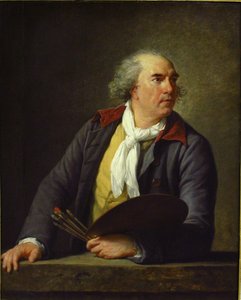
Hubert Robert
1733 - 1808 , Francúzsko
Rýchle fakty
- Artistic Movement Or Style: Romantizmus, Neoklasicizmus
- Artists Or Movements Influenced By This Artist: ['Romantizmus']
- Artists Who Influenced This Artist:
- Giovanni Panini
- Piranesi
- Date Of Birth: 22. máj 1733
- Date Of Death: 15. apríl 1808
- Full Name: Hubert Robert
- Nationality: Francúzsky
- Notable Artworks:
- Port Ríma
- Let Galatey
- Galéria Louvre
- Place Of Birth: Paríž, Francúzsko
Súvisiace články

The Allure of Elegance in Art: A Historical & Aesthetic Exploration of Refinement & Grace
Explore the exquisite world of Rococo art! Discover its history, masters (Watteau, Boucher & more), and defining elegance. Expert insights for collectors seeking museum-quality reproductions & custom portraits.

Hubert Robert: Picturing Ruins, Preserving Memory – A Study of Romantic Antiquarianism & Artistic Innovation
Explore the captivating world of Hubert Robert, master of Romantic landscape painting & 'capriccio' ruins. Discover his historical context, artistic innovations, and collecting insights with OriginalUniqueArt.

The Rococo Aesthetic: Opulence, Rebellion & the Pursuit of Pleasure in 18th-Century Art
Explore the opulent world of Rococo art! Discover its origins, key artists like Watteau & Boucher, and lasting influence on design. Expert insights for collectors & enthusiasts.

Top 10 majstrovských diel rokokového umenia pre váš domov | OriginalUniqueArt.com
Ponorte sa do sveta rokokového umenia! Objavte top 10 majstrovských diel od Watteaua, Bouchera a ďalších. Luxusné reprodukcie obrazov pre váš domov na OriginalUniqueArt.com – inšpirujte sa pastelovými farbami a elegantnou výzdobou.

Illuminating the Enlightenment: Artistic Expression in 18th-Century Europe
Explore the artistic brilliance of the Enlightenment era! Discover Rococo's elegance & Neoclassicism’s virtue with expert insights into 18th-century masterpieces. Learn about David, Kauffmann & more.


