

 Náhľad
 Odoslať
 Zdieľať
 Podrobnosti o dielo

 Stiahnuť
 Podobné diela
 RTG skúška
 Prezentácia
 Štatistiky
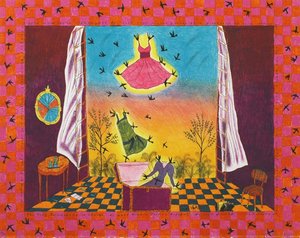
There Is a Doubt, She Could Be Right
 1982
1982 66.0 x 76.0 cm
 Zobraziť viac
Ručne maľovaná olejová reprodukcia
Ručne maľovaný olej na plátne vo vašej zvolenej veľkosti a v ráme, vyrobený na mieru našimi umelcami. ( Prepnúť na tlač Prepnúť na digitálny obraz)




































Vyberte si z našich preddefinovaných rozmerov, ktoré zodpovedajú pôvodným pomeroḿ diela.

Môžete zadať vlastné rozmery tak, aby sa hodili do konkrétneho rámu alebo priestoru. Ak sa váš zvolený rozmer nezhoduje s pôvodnými proporciami obrazu, dielo buď orezáme, alebo ho doplníme ručne maľovanými prvkami. Pred začiatkom výroby vám zašleme digitálny náhľad na schválenie.
Upozorňujeme, že ukážka na obrazovke neodráža skutočné orezanie alebo doplnenie. Skutočnú finálnu kompozíciu zobrazuje iba digitálny náhľad.
Hoci sú k dispozícii vlastné rozmery, odporúčame vybrať rozmer z preddefinovaného zoznamu, aby sme zachovali pôvodné proporcie.
Po odoslaní objednávky vám tím OriginalUniqueArt.com pošle e-mail s pokynmi a poskytne náhľad na návrh.
Celosvetová doprava () za 3 až 4 týždne namiesto štandardných 5 týždňov. (17 september). Bez kompromisov v kvalite.

Bezplatná expresná doprava po celom svete

Prémiové lnianske plátno

Kompletné poistenie prepravy

Záruka vrátenia colného poplatku

Záruka presného farebného zhodnutia

100-dená politika vrátenia tovaru (iba pri vadách)

100% záruka vrátenia peňazí

Výhodná množstevná zľava
 Možnosť skla je dostupná len pri rozmeroch pod 110 cm

There Is a Doubt, She Could Be Right
Technika reprodukcie
Veľkosť reprodukcie
-


Celková cena za vybrané možnosti
$ 300
Biografia umelca
A Visionary of the Interior: The Life and Legacy of Hollis Sigler
In the vibrant, often turbulent landscape of late twentieth-century American art, few voices resonated with as much intimate intensity as Hollis Sigler. Born Suzanne Hollis Sigler in 1948 in Gary, Indiana, her journey was one of profound transformation—not only of the self but of the very medium through which she communicated. Moving to Cranbury, New Jersey, during her childhood, she developed an early sensitivity to the domestic sphere, a theme that would later become the stage for her most poignant explorations of femininity and mortality. After honing her craft at the Moore College of Art in Philadelphia and earning her MFA from the prestigious School of the Art Institute of Chicago in 1973, Sigler emerged as a formidable presence in the Chicago art scene, ready to challenge the established hierarchies of the art world.
Sigler’s artistic evolution was marked by a deliberate and radical departure from the prevailing norms of her era. In the mid-1970s, she made the courageous decision to abandon the rigorous demands of photorealism, a style often associated with the patriarchal traditions of art education. Instead, she embraced a faux naïve aesthetic—a deceptively simple, almost childlike manner of painting that utilized whimsical imagery and skewed, theatrical perspectives. This stylistic choice was far from accidental; it was a feminist manifesto. By adopting an "unschooled" look, Sigler sought to reclaim the narrative of women’s experiences, rejecting the "machismo" of technical perfection in favor of a style that could more authentically convey complex emotional truths. Her works often featured meticulously crafted dollhouse interiors and suburban landscapes, where the absence of human figures was compensated for by traces of life: an open dresser, scattered clothing, or the lingering shadow of an event, all serving to generate a palpable sense of visual tension and psychological depth.
The Intersection of Personal Struggle and Universal Truth
The trajectory of Sigler’s work underwent its most profound shift in 1985, following her diagnosis with breast cancer. This personal crisis did not silence her voice but rather amplified its emotional resonance. The domestic spaces that once served as stages for exploring gender roles became arenas for confronting the fragility of life and the inevently encroaching presence of death. Her paintings from the 1990s onward grew increasingly charged, characterized by more frenetic brushstrokes and agitated, vibrant colors. Through her art, Sigler transformed her private battle into a broader meditation on the human condition, connecting her personal fears of impermanence with larger ecological and societal anxieties.
Her ability to weave together the deeply personal with the universally symbolic earned her widespread acclaim and significant historical importance. The following elements defined the essence of her mature period:
- The Faux Naïf Technique: A rejection of realism used to bypass traditional masculine aesthetics and engage directly with the viewer's empathy.
- Symbolic Domesticity: Utilizing dollhouse-like settings to explore themes of confinement, sanctuary, and the female experience.
- Narrative Text: The integration of titles and written words within her compositions to provide layers of meaning and guide the emotional journey.
- The Presence of Absence: Using traces of activity and shadows to suggest the profound impact of illness and loss on the individual and the family unit.
A Lasting Impression on the Feminist Canon
Hollis Sigler’s contributions to art extend far beyond the canvas. As a dedicated educator, she played a vital role in shaping the perspectives of subsequent generations of artists, instilling in them the importance of authenticity and social engagement. Her accolades, including the Distinguished Artist Award for Lifetime Achievement from the College Art Association in 2001, stand as a testament to her impact on both the academic and professional art communities. Even as she faced the physical decline brought on by her illness, her commitment to her feminist ideals remained unshakable.
Today, Sigler’s work is preserved in esteemed institutions such as the Smithsonian American Art Museum and the National Museum of Women in the Arts, ensuring that her "feminist vision" continues to provoke thought and inspire emotion. She remains a pivotal figure in the history of Chicago art, remembered not just for her unique aesthetic, but for her courage in turning the most intimate struggles of life into a powerful, enduring language of hope and resilience.
Hollis Sigler
1948 - 2001 , United States of America
Základné informácie
- Artistic Movement Or Style: Faux naïve painting
- Artists Or Movements Influenced By This Artist: ['Surrealism']
- Artists Who Influenced This Artist:
- Florine Stettheimer
- The Hairy Who
- Date Of Birth: March 2, 1948
- Date Of Death: March 29, 2001
- Full Name: Suzanne Hollis Sigler
- Nationality: American
- Notable Artworks:
- I Ride High with My Heart
- Haunted by the Ghosts of Our Own Making
- Place Of Birth: Gary, United States