Náhľad
 Odoslať
 Zdieľať
 Podrobnosti o dielo

 Stiahnuť
 Podobné diela
 RTG skúška
 Prezentácia
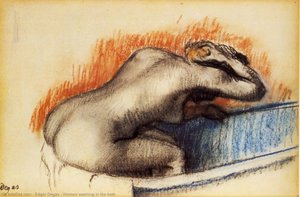
The Bath
 Pastel
- Impressionism
 1883
1883- 19th Century
 50.0 x 33.0 cm
 Zobraziť viac
Ručne maľovaná olejová reprodukcia
Ručne maľovaný olej na plátne vo vašej zvolenej veľkosti a v ráme, vyrobený na mieru našimi umelcami. ( Kúpiť tlač Kúpiť obrázok)




P118B $10

P118H $10

P118W $10

P438Z $10

P508JH $12

P508YH $12

P805H $10

P805Z $10

P919BZ $10

P919G $10

P919XJ $10

P959ZH $10

P968JZ $12

W106C $8

W218G $10

W218JH $8

W218Y $10

W307PJ $10

W316G $10

W316PJ $8

W316Y $10

W398PJ $8

W4111J $10

W500HY $15

W500JH $15

W692G $12

W849H $8

W940BG $15

W953PJ $8




Vyberte si z našich preddefinovaných rozmerov, ktoré zodpovedajú pôvodným pomeroḿ diela.

Môžete zadať vlastné rozmery tak, aby sa hodili do konkrétneho rámu alebo priestoru. Ak sa váš zvolený rozmer nezhoduje s pôvodnými proporciami obrazu, dielo buď orezáme, alebo ho doplníme ručne maľovanými prvkami. Pred začiatkom výroby vám zašleme digitálny náhľad na schválenie.
Upozorňujeme, že ukážka na obrazovke neodráža skutočné orezanie alebo doplnenie. Skutočnú finálnu kompozíciu zobrazuje iba digitálny náhľad.
Hoci sú k dispozícii vlastné rozmery, odporúčame vybrať rozmer z preddefinovaného zoznamu, aby sme zachovali pôvodné proporcie.
Po odoslaní objednávky vám tím OriginalUniqueArt.com pošle e-mail s pokynmi a poskytne náhľad na návrh.
Celosvetová doprava () za 3 až 4 týždne namiesto štandardných 5 týždňov. (29 august). Bez kompromisov v kvalite.

Bezplatná expresná doprava po celom svete

Prémiové lnianske plátno

Kompletné poistenie prepravy

Záruka vrátenia colného poplatku

Záruka presného farebného zhodnutia

60-dňá politika vrátenia (iba pri defektoch)

100% záruka vrátenia peňazí

Výhodná množstevná zľava
 Možnosť skla je dostupná len pri rozmeroch pod 110 cm

The Bath
Technika reprodukcie
Veľkosť reprodukcie
-


Celková cena za vybrané možnosti
$ 300
A Moment Frozen in Pastel: Edgar Degas’ “The Bath”
Edgar Degas’ “The Bath,” painted around 1883, isn't merely a depiction of a woman preparing for her toilette; it’s a carefully constructed tableau brimming with quiet observation and an intimate understanding of the human experience. This pastel masterpiece, housed in private collections but frequently studied through reproductions, offers a rare glimpse into Degas’ evolving artistic vision – a shift away from the grand narratives of history painting towards a more personal and psychologically nuanced approach to everyday life. The work immediately draws the viewer in with its soft, diffused light and the delicate application of pastel crayons, creating an atmosphere of serene intimacy that belies the subtle complexities beneath the surface.
Degas’s choice of medium – pastel – is crucial to understanding the painting's impact. Unlike oil paints, pastels offer a remarkable immediacy and spontaneity. The artist directly applies pigment to the paper, allowing for rapid changes in tone and texture. This technique lends itself perfectly to capturing fleeting moments and subtle nuances of light and shadow, mirroring Degas’ fascination with movement and his desire to represent subjects as they truly exist – not idealized or romanticized. The loose, almost sketch-like quality of the pastel strokes contributes to a sense of immediacy, inviting us into this private moment as if we are witnesses to an intimate scene.
Intimism and the Domestic Interior
“The Bath” is firmly rooted in the burgeoning art movement known as Intimism. Emerging in the late 19th century, Intimism sought to depict scenes of domestic life – particularly those within private interiors – with a focus on emotional resonance and psychological depth. Unlike earlier academic approaches that prioritized grand historical narratives or idealized beauty, Intimist artists aimed to capture the quiet dramas and subtle emotions experienced by ordinary people in their everyday surroundings. Degas’s work exemplifies this shift, moving away from public spectacle towards the intimate sphere of domesticity.
The painting's composition reinforces this focus on the private. The woman, partially obscured by a flowing towel, is presented as an enigmatic figure, her face turned slightly away from the viewer. This deliberate ambiguity invites speculation and encourages us to project our own interpretations onto her – is she lost in thought? Is she anticipating something? Or simply enjoying a moment of quiet solitude? The surrounding details—the partially visible bed, the basin with its sponge, the perfume bottles—add layers of context without explicitly defining the woman’s identity or circumstances. This deliberate restraint allows the viewer to engage actively with the painting and construct their own narrative.
A Study in Light, Shadow, and Gesture
Degas' masterful use of light and shadow is central to the painting’s evocative power. The soft, diffused light suggests a late afternoon or early evening, casting gentle shadows across the bed linens and creating a sense of warmth and intimacy. Notice how he uses highlights to draw attention to the woman’s body – particularly her leg draped over the edge of the bed – while simultaneously obscuring other details with subtle shading. This careful manipulation of light not only creates visual interest but also contributes to the painting's overall mood of quiet contemplation.
Furthermore, Degas captures a sense of movement through his use of gestural brushstrokes. The flowing towel, the slightly tilted head, and the relaxed posture all convey a feeling of effortless grace and naturalness. These subtle gestures suggest that this is not a posed or staged scene but rather a candid moment captured in time. The painting feels alive with an unspoken energy, hinting at the private rituals and quiet dramas that unfold within the domestic sphere.
Symbolism and the Modern Woman
Beyond its technical brilliance, “The Bath” is rich in symbolic meaning. The woman’s partially unclothed state speaks to themes of vulnerability, intimacy, and the changing role of women in late 19th-century society. While Degas was known for his depictions of dancers and public life, this painting represents a shift towards exploring more personal and introspective subjects. The inclusion of details like the perfume bottles and the basin suggests a focus on self-care and the rituals associated with female identity – reflecting the growing emphasis on domesticity and feminine sensibilities during this period.
The open doorway in the background hints at the possibility of an unseen observer, adding a layer of mystery to the scene. It also subtly references the voyeuristic gaze—a common theme in Degas’s work—and invites us to consider the dynamics of privacy and observation within the domestic setting. “The Bath” is not simply a portrait of a woman preparing for her toilette; it's a complex and layered meditation on identity, intimacy, and the quiet dramas of everyday life – a testament to Degas’s remarkable ability to capture the essence of human experience with subtle grace and profound insight.
Biografia umelca
A Life Immersed in Movement
Edgar Degas, vlastným menom Hilaire Germain De Gas, sa narodil v Paríži v roku 1834 a zomrel v roku 1917. Jeho život bol fascinujúci kontrast – často spájaný s impresionistami, hoci aktívne tento štítok odmietal, preferoval označenie ako realist. Tento záväzok vychádzal z jeho precízneho pozorovania sveta okolo seba a oddanosti zobrazovaniu ho s neoblomnou upřímností. Jeho rané roky boli pohodlné v buržoázskom prostredí; otec bol bankár, matka pochádzala z kreolskej rodiny v New Orleans. Tento pozadie mu poskytlo prístup k vzdelávaniu a umeleckému školeniu, hoci často sa sťažoval na akademické obmedzenia. Počiatok jeho vzdelávania začal, keď začal skopírovať diela v Louvri, kde si osvojil zručnosti a rozpalil vášeň pre klasickú umenie. Avšak Degas cesta nebola striktne založená na tradícii; bola to obmôrdzaná cesta s neustálym spochybňovaním a preskúmaním umeleckých noriem. Vlastnil nezávislý duch, ktorý definoval celý jeho životný cyklus.Beyond Impressionism: A Unique Artistic Vision
Zatiaľ čo súperi ako Monet hľadali mihotavé účinky svetla vonku, Degas väčšinou pracoval v priestoroch svojho štúdia, precízne budoval scény z pozorovaní a spomienok. Jeho témy boli jednoznačne moderné – odstupujúce od historických alebo mytologických motívov, ktoré uprednostňovali akademickí maliari. Hľadal inšpiráciu v dennodennom živote Parížanov: práve tieto ženy sa stali jeho najznámejším témou - švätky, speváčky kabaretu, obláčikárky a samozrejme, tanečníčky. Je táto fascinácia baletom, ktorá definuje veľkú časť jeho diela. Degas však nebol len umelec zobrazujúci krásnych tanečníkov; zachytával krutú realitu ich povolania – nekonečné skúšky, fyzické úsilie, krátke momenty grácie v svete tvrdého práce. Jeho kompozície sú často nezvyčajné, figúrky zobrazované nečakaným spôsobom a využívanie asymetrických usporiadkov, ktoré vytvárajú pocit dynamiky a okamžitosti. Bol majstrom v zachytávaní pohybu, nie cez rozmazané čiary alebo mlhavé efekty, ale pomocou presného pozorovania a starostlivého znázornenia tvaru. *Dancer, A Group of Dancers* a *Women Combing Their Hair* sú príkladmi jeho oddanosti zobrazovaniu ľudského tela v pohybe a odhaľovaní komplexnosti modernej spoločnosti. Nebol spokojný s povrchovou krása; hľadal pravdu pod povrchom.Influencie a umelecký rozvoj
Degas’s umelcký život bol ovplyvnený rôznymi vplyvom. Jeho rané vzdelanie kladlo dôraz na klasické princípy, najmä diela Jean-Auguste-Dominique Ingresa, ktorý zdôrazňoval zručnosť a presné znázornenie. Avšak Degas tiež obdivoval realistov, ako Gustave Courbet, ktorí vyzvali akademické konvencie a prosili o zobrazovanie súčasného života. Kľúčový moment v jeho rozvoji nastal prostredníctvom spriatelia Camille Pissarroa, vedúceho impresionistu, ktorý mu predstavil iných umelcov a povzbudil ho k experimentovaniu s novými technikami. Bol očarený japonskými rytinami – Ukiyo-e – ktoré ovplyvnili jeho použitie asymetrických kompozícií, ploché perspektívy a výrazné vzory. Experimentoval aj s fotografiou, uznával jej potenciál na štúdium pohybu a zachytávanie úsekov v čase. Táto ochota prijímať rôzne vplyvy do svojho diela je to, čo ho odlišuje a prispieva k jedinečnému charakteru jeho umenia. Nebol strachom z inšpirácie z rôznych zdrojov, spájajúc ich do niečoho úplne nového.Hlavné prínosy a historický význam
Edgar Degas zomrel v Paríži v roku 1917, nechávajúc za sebou dielo, ktoré dodnes fascinuje a inšpiruje publikum. Jeho inovatívny prístup k kompozícii, jeho mistrovská zručnosť a neoblomné zobrazovanie modernej spoločnosti mali hlboký dopad na chod umeleckej histórie. Otváril cestu budúcim generáciám umelcov, ktorí hľadali spôsob, ako sa oslobodiť od tradičných konvencií a skúmať nové spôsoby reprezentácie sveta okolo seba. Jeho vplyv je viditeľný v dielaach Pabla Picassa a Henriho Matissa medzi inými. Miestnosti múzea – vrátane Musée d’Orsay a Musée de l’Orangerie v Paríži – uchovávajú významné zbierky jeho maľieb, pastelí, sochy a rytiniek, čím zabezpečujú, že jeho dedičstvo bude trvať ďalšie generácie. Degas nebol len umelec zobrazujúci tanečníkov alebo jazdcov; bol pozorným pozorovateľom ľudskej povahy, majstrom tvaru a pohybu a skutočným inovatérom, ktorý predefinoval možnosti umenia.- Majster línie: Degas’s výnimočná zručnosť v kreslení ho odlišovala.
- Moderný život ako téma: Zamerával sa na súčasný parížsky život a odchýlil sa od tradície.
- Vplyv na budúcich umelcov: Jeho dielo hlboko ovplyvnilo Picassa a Matissa.
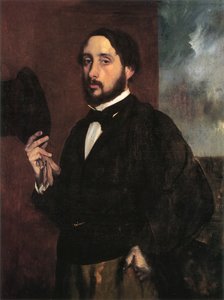
hilaire-germain-edgar degas
1834 - 1917 , Francúzsko
Základné informácie
- Artistic Movement Or Style: Impressionizmus, Realizmus
- Artists Or Movements Influenced By This Artist:
- Picasso
- Matisse
- Artists Who Influenced This Artist:
- Ingres
- Courbet
- Pissarro
- Date Of Birth: 1834
- Date Of Death: 1917
- Full Name: Hilaire-Germain Edgar De Gas
- Nationality: Francúzsky
- Notable Artworks:
- Dancer and Tambourine
- The Ballet Class
- Degas in a Green Jacket
- The Collector
- Women Combing Their Hair
- Place Of Birth: Paríž, Francúzsko
Súvisiace články
The Subtleties of Pastel: A Comprehensive Exploration of Technique, History & Emotional Resonance
Explore the captivating world of pastel art! Discover its rich history, Impressionistic masters like Degas, emotional power & unique techniques. Find museum-quality reproductions at OriginalUniqueArt.

Edgar Degas: Capturing Modern Life – A Study of Movement, Observation, and the Parisian Belle Époque
Explore the captivating world of Edgar Degas! Discover his innovative techniques, iconic ballet paintings, and unique portrayal of Parisian life in this insightful art history study.
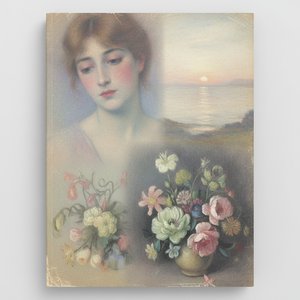
The Subdued Radiance of Pastel Palettes: Exploring Emotional Resonance in Art History
Explore the emotional power of pastel palettes in art history! Discover Impressionism, Post-Impressionism & color psychology insights. Find museum-quality reproductions at OriginalUniqueArt.
The Soft Power of Pastel: A Connoisseur's Guide to History, Technique, and the Art of Texture
Explore the ethereal beauty of pastel art. From Renaissance origins to Impressionist mastery, discover the history, technique, and velvety textures that define this luminous medium in our expert guide for art connoisseurs.

Soft Light & Velvet Touch: The Ethereal Magic of Pastel Artistry in Impressionist Masterpieces
Discover the ethereal beauty of pastel art through an Impressionist lens. Explore how masters like Monet and Renoir captured light and velvet textures, and learn to curate a collection of luminous, museum-quality masterpieces for your home.