
 Náhľad
 Odoslať
 Zdieľať
 Podrobnosti o dielo

 Stiahnuť
 Podobné diela
 RTG skúška
 Prezentácia
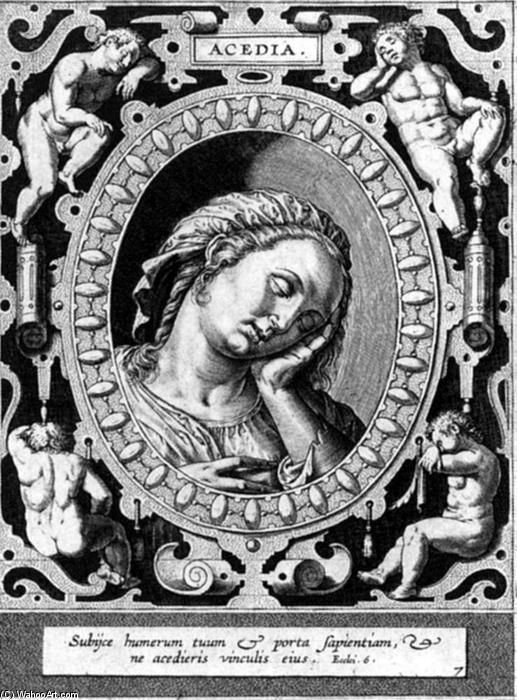
Acedia


 Zobraziť viac
Ručne maľovaná olejová reprodukcia
Ručne maľovaný olej na plátne vo vašej zvolenej veľkosti a v ráme, vyrobený na mieru našimi umelcami. ( Prejsť na tlač Prepnúť na obrázok)




































Vyberte si z našich preddefinovaných rozmerov, ktoré zodpovedajú pôvodným pomeroḿ diela.

Môžete zadať vlastné rozmery tak, aby sa hodili do konkrétneho rámu alebo priestoru. Ak sa váš zvolený rozmer nezhoduje s pôvodnými proporciami obrazu, dielo buď orezáme, alebo ho doplníme ručne maľovanými prvkami. Pred začiatkom výroby vám zašleme digitálny náhľad na schválenie.
Upozorňujeme, že ukážka na obrazovke neodráža skutočné orezanie alebo doplnenie. Skutočnú finálnu kompozíciu zobrazuje iba digitálny náhľad.
Hoci sú k dispozícii vlastné rozmery, odporúčame vybrať rozmer z preddefinovaného zoznamu, aby sme zachovali pôvodné proporcie.
Po odoslaní objednávky vám tím OriginalUniqueArt.com pošle e-mail s pokynmi a poskytne náhľad na návrh.
Celosvetová doprava () za 3 až 4 týždne namiesto štandardných 5 týždňov. (10 august). Bez kompromisov v kvalite.

Bezplatná expresná doprava po celom svete

Prémiové lnianske plátno

Kompletné poistenie prepravy

Záruka vrátenia colného poplatku

Záruka presného farebného zhodnutia

60-dňá politika vrátenia (iba pri defektoch)

100% záruka vrátenia peňazí

Výhodná množstevná zľava
 Možnosť skla je dostupná len pri rozmeroch pod 110 cm

Acedia
Technika reprodukcie
Veľkosť reprodukcie
-


Celková cena za vybrané možnosti
$ 300
Popis diela
A Study in Slumber: Hieronymus Wierix’s “Acedia”
Hieronymus Wierix's "Acedia," a meticulously rendered engraving from around 1600, isn’t merely a depiction of a sin; it’s a profound meditation on the human condition – a hauntingly beautiful exploration of apathy and the seductive allure of inaction. Created during a period of intense religious upheaval in the Netherlands, this work speaks to the anxieties and moral complexities of its time, offering a timeless reflection on the struggle between spiritual aspiration and worldly comfort.
The image centers upon a female figure, embodying Acedia itself, her posture radiating an almost unbearable languor. She rests her head upon her hand, a gesture simultaneously vulnerable and defiant. Around her swirl symbolic elements designed to amplify the sin’s insidious nature. To her right, a young man gazes into a mirror, lost in self-admiration – a potent representation of vanity, a distraction from the true path. Across from him, a figure pours water upon a stone, an act of futile cleansing, suggesting a desperate but ultimately ineffective attempt to wash away the consequences of idleness. The background is filled with intricate patterns and small putti-like figures, adding layers of complexity and hinting at the spiritual battles waged within the human soul.
The Master’s Technique: Engraving as Revelation
Wierix was a master of the engraving technique, renowned for his ability to achieve astonishing detail and tonal variation through careful manipulation of line. This particular print is a prime example; the image is constructed from thousands of precisely incised lines, creating a surface that appears both smooth and textured simultaneously. The artist’s use of hatching and cross-hatching – layering parallel lines to build up shadow – is particularly noteworthy, lending depth and volume to the figures and background elements. The monochrome palette—a carefully orchestrated range of grays from near black to pale white—heightens the sense of melancholy and emphasizes the stark contrast between light and darkness, mirroring the internal struggle depicted within the scene.
The process itself was demanding, requiring immense patience and skill. The artist would first create a copper plate, meticulously drawing the design with a needle or stylus. Then, using acid, he would incise the lines into the metal surface. Finally, the plate was inked and pressed onto paper, transferring the image in reverse. This painstaking method is evident in every delicate line and subtle shading, underscoring Wierix’s dedication to his craft.
Symbolism and Spiritual Weight
Beyond its immediate visual impact, “Acedia” is rich with symbolic meaning. The central figure represents not just laziness but a deeper spiritual malaise – a detachment from God and a failure to embrace virtue. The mirror symbolizes vanity, a trap that draws the viewer away from introspection and genuine connection. The pouring water signifies an attempt at purification, yet it’s ultimately ineffective against the root cause of the sin: a lack of will. The putti figures, often associated with angels or divine messengers, could represent the constant temptation to stray from the righteous path.
Wierix was deeply influenced by the religious art of the Renaissance and early Baroque periods, particularly the works of Albrecht Dürer, whose meticulous detail and symbolic imagery he greatly admired. This print reflects a similar commitment to conveying moral lessons through carefully constructed visual narratives – a testament to the enduring power of art as a vehicle for spiritual instruction.
A Timeless Reflection: Reproduction and Inspiration
Reproductions of “Acedia” offer a remarkable opportunity to experience the artistry and emotional depth of this iconic engraving. Whether displayed in a private collection or incorporated into an interior design scheme, this image evokes a sense of quiet contemplation and invites viewers to consider their own relationship with virtue, temptation, and the pursuit of meaning. Wierix’s masterful rendering of human emotion and his profound understanding of symbolism continue to resonate today, making “Acedia” a timeless masterpiece that transcends its historical context.
Súvisiace články
Dramatický rozmach baroka: História, charakteristika a trvácny vplyv umeleckého slohu
Objavte dramatický rozmach baroka! Prehľadný článok o histórii, charakteristike a trvácnom vplyve tohto fascinujúceho umeleckého obdobia. Ponúkame odborný pohľad na architektúru, maliarstvo a sochárstvo.

Echoes of Isolation: Solitude in Western Art from Renaissance to Modernism
Explore the profound representation of solitude in Western art from the Renaissance to Modernism. Discover iconic paintings & artists like Goya, Friedrich, and Rossetti. Handmade oil reproductions available at OriginalUniqueArt.
Top 10 legendárnych rytín, ktoré navždy zmenili umenie | OriginalUniqueArt.sk
Objavte top 10 legendárnych rytín od Dürera, Rembrandta a Goya! Prežite príbeh majstrov grafiky a ich nadčasových diel. Kvalitné reprodukcie obrazov pre váš interiér na OriginalUniqueArt.sk. Preskúmajte kolekciu online!

Mannerism: Bridging Renaissance Harmony & Baroque Drama – A Study of Style & Affectation
Explore the fascinating world of Mannerism! Discover its key characteristics, pioneering artists like Pontormo & Bronzino, and its pivotal role in bridging Renaissance harmony to Baroque drama. A comprehensive guide for art enthusiasts.
Raphaelove majstrovské diela: Top 25 obrazov pre váš domov | OriginalUniqueArt.sk
Objavte top 25 majstrovských diel Raffaela Sanzia! Pútavé príbehy, renesančné umenie a techniky slávnych obrazov. Reprodukcie pre luxusný interiér na OriginalUniqueArt.sk. Preskúmajte kolekciu online!

