

 Zobraziť v interiéri
 Odoslať
 Zdieľať
 Podrobnosti
 Príručka

 Stiahnuť
 Podobné položky
 RTG skúška
 Prehliadanie diapo\]
 Štatistiky
Martin Van Buren
 Oil On Canvas
- WallArt
- 19th-century Portraiture
 1837
1837 78.0 x 65.0 cm
 Metropolitné múzeum umenia
 Prečítať si viac
Giclée / Umenotlač
Giclée tlač alebo plátno múzeálnej kvality s rýchlou výrobou a rôznymi možnosťami povrchovej úpravy. ( Objednať ručne maľovanú reprodukciu Prepnúť na digitálnu verziu obrazu)




P118B €10

P118H €10

P118W €10

P438Z €10

P508JH €12

P508YH €12

P805H €10

P805Z €10

P919BZ €10

P919G €10

P919XJ €10

P959ZH €10

P968JZ €12

W106C €8

W218G €10

W218JH €8

W218Y €10

W307PJ €10

W316G €10

W316PJ €8

W316Y €10

W398PJ €8

W4111J €10

W500HY €15

W500JH €15

W692G €12

W849H €8

W940BG €15

W953PJ €8




Vyberte si z našich preddefinovaných rozmerov, ktoré zodpovedajú pôvodným pomeroḿ diela.

Zadajte šírku a výšku, ktoré potrebujete, aby sa reprodukcia hodila k vášmu rámu alebo stene. Print možno len orezávať, nikdy však nemennú veľkosť zvětšiť oproti pôvodnému obrázku, preto pri inom formáte stráca časť obrazu. Pred samotným vytlačiacím procesom vám pošleme digitálny náhľad na schválenie. Obrázok zobrazený na tejto stránke nezobrazuje reálny rez — len digitálny náhľad ukazuje presný výsledok.
Celosvetová doprava () do 2 týždňov namiesto štandardných 4 až 5 týždňov. (23 október)

Bezplatná expresná doprava po celom svete

Vysokokvalitné lnianske plátno

Úplné poistenie prepravy

Záruka vrátenia colného poplatku

Záruka presného farebného zhodnutia

100-dená politika vrátenia tovaru (iba pri vadách)

100% záruka vrátenia peňazí

Ponuka množstevnej zľavy
 Možnosť skla je dostupná len pri rozmeroch pod 110 cm

Martin Van Buren
Giclée / Umenotlač
Veľkosť reprodukcie
-


Celková cena
€ 70
The Weight of Authority: Henry Inman’s 1837 Portrait of Martin Van Buren
Henry Inman's portrait of Martin Van Buren, painted in 1837, is more than a simple likeness; it’s a carefully constructed representation of power, experience, and the weighty responsibilities of leadership. Executed in oil on canvas with remarkable precision, the painting captures the former Vice President and eighth President of the United States at a pivotal moment in his career – a time marked by both triumph and profound challenge. The image speaks volumes about the era’s aesthetic sensibilities, reflecting the formal restraint and dignified seriousness characteristic of 19th-century portraiture while simultaneously hinting at the man beneath the carefully cultivated public persona.

A Study in Formal Restraint: Composition and Technique
The composition immediately draws the viewer’s eye to Van Buren's face, centrally positioned within a dark, almost velvety background. This strategic placement emphasizes his presence and conveys an air of solemnity. Inman masterfully employs chiaroscuro – the dramatic contrast between light and shadow – to sculpt Van Buren’s features, highlighting the lines etched by time and experience. The subtle gradations of gray create a sense of depth and texture, lending a remarkable realism to the portrait. Notice how the artist uses delicate brushstrokes to capture the nuances of his expression: a hint of seriousness mingled with an underlying intelligence. The relatively flat perspective, typical of the period, serves to focus attention entirely on the subject, reinforcing the formality of the piece.
- Line and Shape: The strong lines defining Van Buren’s face – his nose, mouth, and eyes – are balanced by the softer curves of his hair and features.
- Texture: The smooth application of paint creates a tactile quality, suggesting the richness of the fabric of his suit and the texture of his skin.
- Color Palette: The predominantly grayscale palette contributes to the portrait’s somber mood and emphasizes the subject's importance.
Symbolism and Context: A Man of His Time
Painted during Van Buren’s presidency, a period defined by economic hardship and political turmoil (the Panic of 1837), the portrait reflects both his role as a leader navigating challenging circumstances and the prevailing anxieties of the era. The dark background symbolizes the weighty responsibilities he carried, while his formal attire – a dark suit with a crisp white shirt and tie – speaks to his position of authority. The image is deeply rooted in the political landscape of 1837, a time when the Democratic Party was consolidating its power and grappling with issues of economic reform and westward expansion. Van Buren’s stance against slavery, though carefully managed for political expediency, is subtly present in his demeanor – a quiet dignity that suggests a man aware of the complexities of the nation's divisions.
A Legacy of Statesmanship: Henry Inman and American Portraiture
Henry Inman (1801-1846) stands as a pivotal figure in 19th-century American art, renowned for his portraits of prominent figures alongside significant contributions to landscape painting. His work exemplifies the realism and attention to detail that characterized the era’s artistic standards. Born in Utica, New York, Inman's early training under John Wesley Jarvis instilled in him a deep understanding of portraiture techniques. The Van Buren portrait is a testament to his skill and ability to capture not just physical likeness but also the essence of his subject – a man who embodied both the gravitas of leadership and the complexities of American history. The painting’s enduring appeal lies in its ability to transport us back to a pivotal moment in time, offering a glimpse into the life and character of one of America's most intriguing presidents.
Otázky a odpovede
O čom je dielo "Martin Van Buren" a akú atmosféru vyžaruje?
„Martin Van Buren“ od Henry Inman spája martin van buren, president, 1837, portrait, politics, american history, formal, dignified s Calm atmosférou.
Kedy bolo vytvorené dielo „Martin Van Buren“ a k ktorému smeru patrí?
Dielo „Martin Van Buren“ vzniklo v roku 1837 v rámci smeru 19th-century Portraiture.
Kde si môžem kúpiť digitálnu podobu diela „Martin Van Buren“ od Henry Inman?
Digitálnu podobu diela „Martin Van Buren“ od Henry Inman si môžete zakúpiť na jeho stránke Digitálna snímka: stiahnutie digitálneho obrázka vo vysokom rozlíšení.
Biografia umelca
Odkaz charakteru a dedičstva: Život Henryho Inmana
V rozkvitajúcej krajine amerického umenia devätnásteho storočia zachytilo len málo postáv meniaci sa identitu mladého národa tak intimne ako Henry Inman. Narodený v roku 1801 v meste Utica v štáte New York, v rodine anglických immigrantov, bol Inman produktom tradície starého sveta aj ambicióznosti nového sveta. Jeho rané roky v osade Utica mu poskytli základy pracovitosti, no práve presun do pulzujúcej, rastúcej metropolie New York v roku 1812 skutočne rozhoreli jeho umelecký osud. Pod vedením uznávaných majstrov, akými boli John Wesley Jarvis a John Quidor, Inman si vypracoval technickú precíznosť, ktorá sa stala jeho znameníom, pričom sa naučil zvládať jemnú rovnováhu medzi realistickou predstavovateľnosťou a duševnou expresivitou potrebnou pre portrétnu tvorbu vysokých spoločenských kruhov.
Inmanova umelecká cesta nikdy nebola obmedzená len na jeden žáner; bola to skôr mnohostranná explorácia americkej skúsenosti. Hoci disponoval výnimočným talentom zachytávať tiché, každodenné okamihy života prostredníctvom svojich žánrových scén – najmä v jeho evokatívnych zobrazeniach diel „Rip Van Winkle“ a „The News Boy“ – jeho srdce patrilo štúdiu ľudského charakteru. Jeho portréty boli viac než len prosté podobizny; boli to psychologické štúdie, ktoré sa snažili odhaliť vnútornú dôstojnosť a intelekt svojich subjektov. Prostredníctvom dôsledného využitia svetla a tieňa vdechl život tváram najvplyvnejších postáv danej éry a vytvoril vizuálnu stopu vodcovstva a intelektu, ktorá zostáva kľúčová pre naše porozumenie americkej histórie.
Dokumentácia zanikajúceho sveta
Možno najhlbšou kapitolou Inmanovej kariéry je jeho monumentálny príspevok k zachovaniu dedičstva domorodých obyvateľov Ameriky. V spolupráci s významným litografom Thomasom L. McKenney sa Inman chopil Herculejskej úlohy vytvoriť dielo „The History of the Indian Tribes of North America“. Tento podnik vyžadoval od neho dôsledné prepisovanie a kopírovanie viac ako stu olejoma vytvorených obrazov, ktoré pôvodne nakreslil Charles Bird King. Nešlo len o technické cvičenie v reprodukcii; bol to akt historického uchovávania pamäť. Vďaka svojej pilnej práci Inman pomohol zabezpečiť, aby podobnosť a kultúrna dôstojnosť lídrov domorodých národov zostali vyrytí v trvalých kronikách americkej umeleckej histórie.
Toto obdobie jeho života demonštrovalo hlbokú empatiu a zhodu s intelektuálnymi prúdmi jeho doby, ktoré sa snažili dokumentovať zložitosti meniacého sa kontinentu. Jeho schopnosť preložiť veľkoleposť týchto pôvodných diel do formátu prístupného širšiemu publiku upevnila jeho reputáciu umelca so značnou spoločenskou a historickou zodpovednosťou. Týmto prepojil vysoké umenie s etnografickým záznamom, čím sa stal kľúčovou postavou raného amerického hnutia smerujúceho k kultúrnej dokumentácii.
Umelecká majsterstvo a historický význam
Šírka Inmanovej portrétnej tvorby slúži ako Who's Who devätnásteo Century americkej významnosti. Jeho plátna predstavovali extraordinary výber významných postáv, medzi ktoré patrili:
- Politickí titani: Ako napríklad Martin Van Buren, William H. Seward a DeWitt Clinton.
- Právni lekári: Vrátane hlavných sudcov Marshalla a Nelsona.
- Intelektuáli a objavitelia: Najmä prírodovedec John James Audubon a spisovateľ Fitz-Greene Halleck.
Okrem jeho jednotlivých pláten sa Inmanov vplyv rozšíril až k samotným inštitúciám, ktoré formovali americké umenie. Jeho úloha pri založení National Academy of Design podčiarkuje jeho záväzok k vytvoreniu formálnej štruktúry pre umeleckú vynikavosť v Spojených štátoch. Hoci bol jeho život tragicky krátky a skončil v roku 1846, dopad jeho práce zostáva nezmazateľný. Zanechal po sebe odkaz definovaný vzácnou kombináciou technickej virtuozity a hlbokého rešpektu k predmetom, ktoré portrétoval, čím zabezpečil, že tváre minulosti budú aj naďalej oslovovať generácie prítomnosti.

Henry Inman
1801 - 1846 , Spojené štáty americké
Rýchle fakty
- Artistic Movement Or Style: Hudson River School
- Artists Or Movements Influenced By This Artist: ['Jacob Hart Lazarus']
- Artists Who Influenced This Artist: ['John Wesley Jarvis']
- Date Of Birth: 1801
- Date Of Death: 1846
- Full Name: Henry Inman
- Nationality: Američan
- Notable Artworks:
- Rydal Falls
- Rip van Winkle
- Boyhood of Washington
- Place Of Birth: Utica, Spojené štáty americké
Súvisiace články

Rembrandt van Rijn: Top 25 Majstrovských Diel pre Váš Domov | OriginalUniqueArt
Ponorte sa do sveta Rembrandta van Rijna s OriginalUniqueArt.com! Objavte 25 majstrovských diel holandského baroka, portrétov a ikonických obrazov plných svetla a tieňa. Kúpiť kvalitné reprodukcie pre váš interiér. Preskúmajte celú kolekciu online!

Top 10 diel 19. storočia: Majstri a príbehy v umení pre váš domov
Ponorte sa do sveta 19. storočia s top 10 dielami impresionizmu, realizmu a romantizmu! Objavte príbehy Courbeta, Moneta a Van Gogha. Reprodukcie obrazov pre luxusný interiér na OriginalUniqueArt.com – umenie online.

Top 10 majstrovských diel amerického realizmu: Obrazy, ktoré zmenili umenie a dekoráciu
Ponorte sa do sveta amerického realizmu s 10 ikonickými obrazmi od Andrew Wyetha, Edwarda Hoppera a ďalších. Objavte príbehy umelcov, techniky a nadčasovú krásu realistickej maľby. Kvalitné reprodukcie pre váš interiér na OriginalUniqueArt.com.
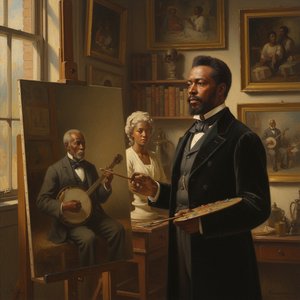
Henry Ossawa Tanner: Pioneering African American Representation in 19th-Century Art
Explore the life and groundbreaking work of Henry Ossawa Tanner, a pioneering African American artist who achieved international acclaim with his deeply spiritual and realistic paintings. Discover his legacy at OriginalUniqueArt.
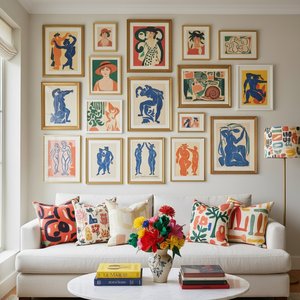
Henri Matisse: Top 25 diel pre milovníkov umenia a luxusného interiéru
Ponorte sa do sveta Henriho Matissea s našou exkluzívnou kolekciou 25 ikonických diel. Objavte príbehy za fauvizmom, farebnými kompozíciami a moderným umením. Reprodukcie obrazov pre luxusný interiér na OriginalUniqueArt.com – preskúmajte celý katalóg online!