
 Náhľad v interiéri
 Odoslať ako digitálnu kartu
 Zdieľať
 Podrobnosti o dielo
 Príručka

 Stiahnuť obraz
 Podobné položky
 RTG skúška
 Prehliadanie diapozoje
 Otázky a odpovede
 Štatistiky
Charles Monro
 Zobraziť viac
Giclée / Umenotlač
Giclée tlač alebo plátno múzeálnej kvality s rýchlou výrobou a rôznymi možnosťami povrchovej úpravy. ( Kúpiť ručne maľovaný obraz Prepnúť na digitálny obraz)




































Vyberte si z našich preddefinovaných rozmerov, ktoré zodpovedajú pôvodným pomeroḿ diela.

Zadajte šírku a výšku, ktoré potrebujete, aby sa reprodukcia hodila k vášmu rámu alebo stene. Print možno len orezávať, nikdy však nemennú veľkosť zvětšiť oproti pôvodnému obrázku, preto pri inom formáte stráca časť obrazu. Pred samotným vytlačiacím procesom vám pošleme digitálny náhľad na schválenie. Obrázok zobrazený na tejto stránke nezobrazuje reálny rez — len digitálny náhľad ukazuje presný výsledok.
Celosvetová doprava () do 2 týždňov namiesto štandardných 4 až 5 týždňov. (8 november)

Bezplatná expresná doprava po celom svete

Vysokokvalitné lnianske plátno

Kompletné poistenie prepravy

Záruka vrátenia colného poplatku

Záruka presného farebného zhodnutia

100-dená politika vrátenia tovaru (iba pri vadách)

100% záruka vrátenia peňazí

Zľava pri väčšom množstve
 Možnosť skla je dostupná len pri rozmeroch pod 110 cm

Charles Monro
Giclée / Umenotlač
Veľkosť reprodukcie
-


Celková cena
€ 72
Biografia umelca
Intímny odkaz Henryho Edridgea
V grandióznej tapisérii britskej umeleckej histórie niektoré mená žiaria oslepujúcou jasnosťou, zatiaľ čo інші existujú v jemnom, krehkom svetle dobre zachránených miniatúr. Henry Edridge (1768–1821) patrí do tejto druhej, intímnejšej kategórie – je to majster, ktorého dielo nevyžaduje priestor prostredníctvom samotného rozmeru, ale skôr si vynucuje pozornosť nezrovnateľnou schopnosťou zachytiť ľudskú dušu v malom rámci. Narodený v rušnej londýnskej štvrti Paddington, Edridgeova cesta bola cestou hlbokej technickej evolúcie, pohybujúcou sa od disciplinovaného sveta gravírovania až po éterické sféry akvarelu a portrétnej tvorby na slonovine.
Jeho rané roky definovalo prísne učňovstvo, obdobie, ktoré v ňom zakorenilo základnú majsterstvo línie a tieňa. Hoci historické záznamy naznačujú, že svoju prípravu začal pod vplyvom majstrov ako William Pether, práve jeho prechod z ťažkého, textúrovaného sveta mezzotintu k jemnému povrchu slonoviny by nakoniene definoval jeho odkaz. Tento posun bol preslávne katalizovaný stretnutím s legendárnym Sir Joshua Reynolds, ktorý bol jednou z Edridgeových miniatúr tak očarovaný, že ju za veľmi dobrú cenu zakúpil. Takéto uznanie od titana britského portrétneho malbasťstva slúžilo ako transformatívny signál, ktorý pohnal Edridgea k odklonu od mechanickej presnosti gravírovania smerom k expresívnej slobode maľby.
Majsterstvo médií a emócií
Edridgeov technický repertoár bol mimoriadne rozmanitý, čo odrážalo nepokojného umeleckého ducha, ktorý sa odmietal nechať obmedziť jednou metódou. Jeho rané portréty na slonovine sú oslavované pre svoju luminóznu kvalitu, kde priehľadnosť média umožnila živú vitalitu tónov pleti. Ako jeho kariéra postupovala, experimentoval s čiernym olovom a indickou inkoustom na papieri, pričom svojim subjektom často vytváral ornate, precízne detailné pozadia, ktoré dodávali pocit teátreho veľkolepsem aj tie najmenšie kompozície. Nakoniec dosiahol sublimátnu syntézu vo svojich neskorších akvareloch, kde skombinoval hlbokú hĺbku a bohatosť, zvyčajne vyhradenú pre olejomaľby, s vzdušnou, ľahkou gráciou vodných pigmentov.
Táto evolúcia mu umožnila zachytiť široké spektrum ľudskej skúsenosti. Jeho témy neboli len tváre, ale príbehy zastavené v čase. Prostredníctvom jeho štetca môžeme stretnúť:
- Aristokraciu a politickú elitu: zachytávajúcu dôstojnú prítomnosť postáv ako Lord Nelson a premiér William Pitt mladší.
- Inteligentnú a duchovnú vrstvu: vykresľujúcu učenskú autoritu akademikov a duchovnú vážnosť misionárov, ako bol Thomas Coke.
- Intímne a každodenné momenty: nachádzajúce hlbokú krásu v jemných rysoch mladých žien alebo v kontemplatívnom pohľade vojenských dôstojníkov.
Uznanie a historická rezonancia
Vrchol Edridgeovho profesionálneho uznania nastal v roku 1803, keď bol zvolený za člena asociácie Kráľovskej akadémie. Toto prestížne prijatie upevnilo jeho postavenie v londýnskom umeleckom prostredí a otvorilo mu dvere do sofistikovaného kruhu patronov, ktorí hľadali jeho schopnosť vyjadriť charakter a psychologickú hĺbku. Jeho ateliér, ktorý sa presúval cez módne ulice Golden Square a Cavendish Square, sa stal centrom pre tých, ktorí túžili po portrétoch, ktoré slúžili zároveň ako osobné pamiatky aj ako hlboké psychologické štúdie.
Hoci zomrel v roku 1821 a zanechal po sebe umelecké dielo, ktoré zostáva svedectvom o fascinácii tej doby intimitou a detailom, Edridgeova významnosť pretrváva. Bol umencom, ktorý pochopil, že veľkosť sa nemeria šírkou plátna, ale hĺbkou pohľadu zachváteného na ňom. V ére grandióznych naratívov ovládol Henry Edridge umenie šepotu a zabezpečil, aby tie najtichšie výrazy rezonovali aj cez stáročia.

Henry Edridge
1768 - 1821 , Spojené kráľovstvo
Základné informácie
- Artistic Movement Or Style: Miniatúrna maľba
- Date Of Birth: 1768 Paddington, UK
- Date Of Death: 1821 Londýn
- Full Name: Henry Edridge
- Nationality: Britský
- Notable Artworks: ['Portrét akademika']
- Place Of Birth: Paddington, Spojené kráľovstvo
Súvisiace články

25 Masterpieces by William H. Johnson: The Soul of the Harlem Renaissance
Immerse yourself in the vibrant soul of the Harlem Renaissance. Explore 25 iconic masterpieces by William H. Johnson, from bold expressionism to soulful folk art. Find inspiration for museum-quality decor and fine art reproductions. Discover all masterpieces on OriginalUniqueArt.com.
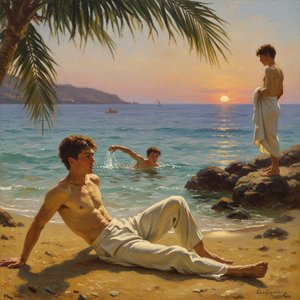
Henry Scott Tuke: Sunlit Masculinity & the Pastoral Ideal in Victorian Painting
Explore the captivating world of Henry Scott Tuke's paintings – a master of British Impressionism renowned for his intimate depictions of youth and sunlit maritime scenes. Discover his legacy & aesthetic influence.
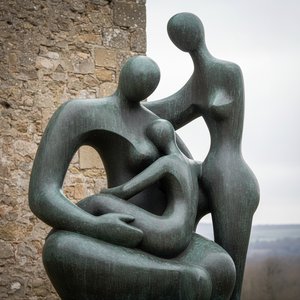
Henry Moore: Sculpting Modernity – Form, Emotion & the Human Condition
Explore the revolutionary sculptures of Henry Moore – abstract forms, reclining figures & powerful expressions of the human condition. Discover his legacy & artistic process with OriginalUniqueArt.

William Hogarth: Satire, Social Commentary & the Birth of Modern British Art
Explore the satirical world of William Hogarth, pioneering British painter & engraver. Discover his iconic works like *A Rake's Progress* and insightful social commentary on 18th-century London life.