
 Zobraziť v interiéri
 Odoslať
 Zdieľať
 Podrobnosti
 Príručka

 Stiahnuť
 Podobné položky
 RTG skúška
 Prehliadanie diapo\]
 Štatistiky
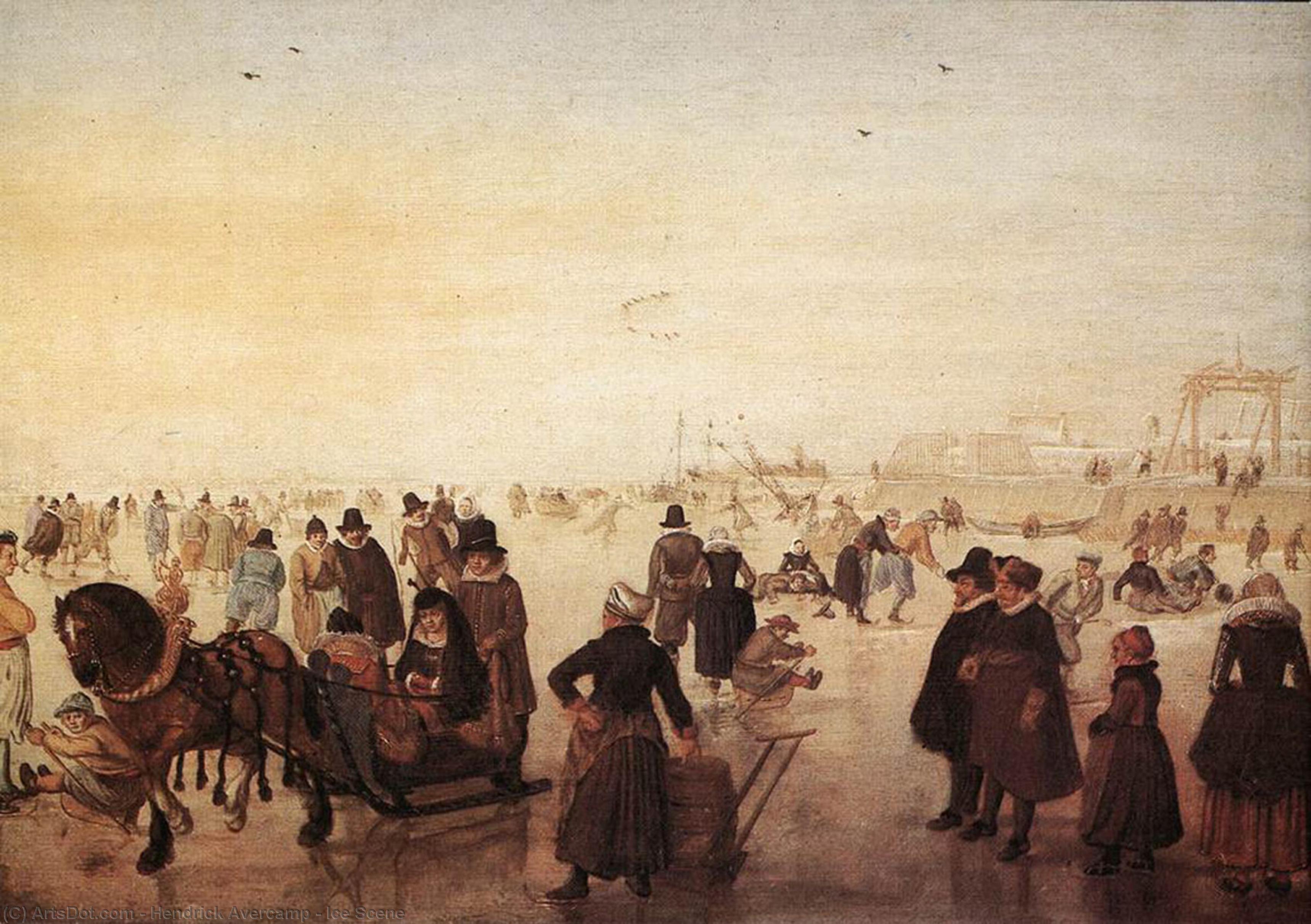
Ice Scene


 Prečítať si viac
Giclée / Umenotlač
Giclée tlač alebo plátno múzeálnej kvality s rýchlou výrobou a rôznymi možnosťami povrchovej úpravy. ( Objednať ručne maľovanú reprodukciu Prepnúť na digitálnu verziu obrazu)




P118B €10

P118H €10

P118W €10

P438Z €10

P508JH €12

P508YH €12

P805H €10

P805Z €10

P919BZ €10

P919G €10

P919XJ €10

P959ZH €10

P968JZ €12

W106C €8

W218G €10

W218JH €8

W218Y €10

W307PJ €10

W316G €10

W316PJ €8

W316Y €10

W398PJ €8

W4111J €10

W500HY €15

W500JH €15

W692G €12

W849H €8

W940BG €15

W953PJ €8




Vyberte si z našich preddefinovaných rozmerov, ktoré zodpovedajú pôvodným pomeroḿ diela.

Zadajte šírku a výšku, ktoré potrebujete, aby sa reprodukcia hodila k vášmu rámu alebo stene. Print možno len orezávať, nikdy však nemennú veľkosť zvětšiť oproti pôvodnému obrázku, preto pri inom formáte stráca časť obrazu. Pred samotným vytlačiacím procesom vám pošleme digitálny náhľad na schválenie. Obrázok zobrazený na tejto stránke nezobrazuje reálny rez — len digitálny náhľad ukazuje presný výsledok.
Celosvetová doprava () do 2 týždňov namiesto štandardných 4 až 5 týždňov. (22 október)

Bezplatná expresná doprava po celom svete

Vysokokvalitné lnianske plátno

Úplné poistenie prepravy

Záruka vrátenia colného poplatku

Záruka presného farebného zhodnutia

100-dená politika vrátenia tovaru (iba pri vadách)

100% záruka vrátenia peňazí

Ponuka množstevnej zľavy
 Možnosť skla je dostupná len pri rozmeroch pod 110 cm

Ice Scene
Giclée / Umenotlač
Veľkosť reprodukcie
-


Celková cena
€ 70
A Glimpse into Dutch Winter Life – The Story of “Ice Scene”
Hendrick Avercamp’s “Ice Scene,” a captivating painting likely created around 1608-9, isn't merely a depiction of a winter landscape; it’s a vibrant snapshot of 17th-century Dutch society immersed in the joys and necessities of a frozen world. Born in Amsterdam during a period of intense cold – the Little Ice Age – Avercamp possessed an extraordinary ability to translate this harsh environment into a scene brimming with life, color, and surprisingly intimate detail. The painting transports us to a bustling riverbank, where figures engaged in various activities—skating, ice fishing, transporting goods, and simply enjoying the spectacle of winter—create a dynamic tableau that speaks volumes about daily existence during that era.
Avercamp’s genius lies not just in his technical skill but also in his masterful use of perspective and light. The composition draws the eye into the scene, guiding it from the foreground figures – a man seated on a sled pulled by a horse, a group of skaters, and a couple engaged in a private moment – to the distant buildings that suggest a thriving town beyond the frozen river. The artist employs aerial perspective, subtly lightening the colors and reducing detail in the background to create an illusion of depth, reinforcing the sense of vastness and distance. The muted palette of browns, blues, and greys is punctuated by vibrant reds and yellows, adding warmth and visual interest to the otherwise stark winter landscape.
The Painter’s Technique: A Blend of Observation and Artistic License
Avercamp was a unique figure in the Dutch Golden Age. Unlike many portraitists of his time, he rarely worked directly from life, preferring instead to create his scenes based on meticulous sketches made during winter excursions. These sketches served as the foundation for his paintings, allowing him to capture the nuances of light, shadow, and human interaction with remarkable accuracy. His technique is characterized by a loose, expressive brushstroke that contributes to the painting’s lively atmosphere. Avercamp was also known for tinting his drawings with watercolor, effectively creating finished paintings directly from his sketches – a process that allowed him to maintain the spontaneity and immediacy of his observations.
The use of oil paint further enhanced the richness and luminosity of the colors. Avercamp skillfully blended pigments to achieve subtle gradations of tone and texture, capturing the glistening surface of the ice and the rough wool of the clothing worn by the figures. He paid particular attention to detail, rendering each individual with a sense of personality and character. The painting is not simply a representation of a winter scene; it’s an intimate portrait of a community united in their shared experience of this challenging yet beautiful season.
Symbolism and Social Commentary
“Ice Scene” offers more than just a visual record of 17th-century Dutch life. It also provides insights into the social and economic conditions of the time. The presence of both wealthy merchants transporting goods on sleds and ordinary villagers engaged in leisure activities highlights the complex social hierarchy of the Netherlands. The scene’s depiction of ice fishing suggests the importance of this activity as a means of sustenance during the winter months, while the skaters represent a popular form of recreation. Even the seemingly mundane details – the horse pulling the sled, the children playing on the ice – contribute to a broader narrative about human resilience and adaptability in the face of adversity.
Furthermore, Avercamp’s choice of subject matter—a winter scene teeming with activity—can be interpreted as a celebration of Dutch ingenuity and resourcefulness. The ability to thrive in such harsh conditions was a source of national pride, and Avercamp’s painting serves as a testament to this spirit. The inclusion of the distant castle, rendered in a warm, inviting light, symbolizes hope and prosperity amidst the cold and darkness of winter.
A Timeless Masterpiece: Reproductions and Beyond
Hendrick Avercamp's “Ice Scene” remains one of the most iconic works of the Dutch Golden Age. Its captivating composition, vibrant colors, and insightful portrayal of human life continue to resonate with viewers today. High-quality reproductions capture the essence of this remarkable painting, offering a window into a bygone era. Whether adorning a grand salon or a cozy study, “Ice Scene” adds a touch of historical charm and artistic sophistication to any space. Consider commissioning a hand-painted reproduction – a truly unique piece that honors the legacy of this extraordinary artist.
Otázky a odpovede
O čom je dielo "Ice Scene" a akú atmosféru vyžaruje?
„Ice Scene“ od Hendrik Avercamp spája winter landscape, ice skating, dutch golden age, festive scene, communal activity, frozen river, avercamp s Calm atmosférou.
K ktorému umelcovi sa pripisuje dielo "Ice Scene"?
Dielo „Ice Scene“ vytvoril/a Hendrik Avercamp. Informácie na tejto stránke opisujú originálne dielo umelca/ky Hendrik Avercamp.
Ako sa téma diela „Ice Scene“ vzťahuje k bežným témam umelca Hendrik Avercamp?
Medzi zaznamenané témy umelca Hendrik Avercamp – flemish landscape traditions, dutch winter life scenes, social, communal gatherings, religious symbolism present, avercamp’s signature style – prináša dielo „Ice Scene“ vlastný dôraz na winter landscape, ice skating, dutch golden age, festive scene, communal activity, frozen river, avercamp.
Biografia umelca
Hendrick Avercamp (1585 - 1634) – Pionier van het Nederlandse winterlandschap
Hendrik Avercamp, geboren in Amsterdam op 27 januari 1585, staat bekend als een van de eerste Nederlandse kunstenaars die zich volledig deden wijden aan het schilderen van winterlandschappen tijdens de Gouden Eeuw van de Nederlandse kunst. Zijn leven is een verhaal vol zowel artistieke innovatie als persoonlijke omstandigheden – een geschiedenis gekenmerkt door zowel een prachtige creatieve ontwikkeling als een levenslange strijd tegen fysieke beperkingen. Hij werd geboren in een huis naast de Nieuwe Kerk en werd gedoopt op dezelfde locatie, wat een belangrijke rol speelde bij zijn identiteit en wereldbeeld. Een bijzondere gebeurtenis die Avercamp’s leven zou definiëren was zijn gebrek aan spraak en mogelijk ook gehoor – hij werd “de Stomme van Kampen” genoemd, een bijna legendarische titel die hem onderscheidt van vele andere kunstenaars van zijn tijd. Ondanks deze beperking wist Avercamp zijn artistieke stem te vinden en gebruikte hij zijn observaties om de nuances van het Nederlandse winterseizoen op doeken weer te geven met ongeëvenaarde helderheid en charme.Artistieke opleiding en vroegste werken
Avercamp begon zijn kunstopleiding in Amsterdam onder leiding van Pieter Isaacsz, een bekende portrettenschilder die hem ook kennis meebracht van de stijl van David Vinckboons, een andere belangrijke kunstenaar uit dezelfde periode en een voorloper van het Nederlandse landschap. Vinckboons’ invloed kan teruggevonden worden in Avercamp’s eerste werken, waar hij zich richtte op het weergeven van beweging en dynamiek binnen een winterlandschap. Zijn stijl werd sterk beïnvloed door de Vlaamse meesters zoals Pieter Bruegel de Oudere, wiens werk hij nauwlettend bestudeerde en waarvan hij elementen wist terug te laten komen in zijn eigen kunstpraktijk. Een bijzonder belangrijk voorbeeld hiervan is *Winter Landschap met Skaters*, een schilderij dat Avercamp rond 1608 voltooid heeft en dat symbool staat voor het Nederlandse winterleven aan het begin van de 17e eeuw. Het beeld bevat een prachtige combinatie van beweging en kleur, waardoor het een unieke kijk op het seizoen biedt. Een belangrijk onderdeel van zijn stijl was het gebruik van luchtperspectief – een techniek waarbij kleuren en vormen subtiel worden aangepast om een gevoel van diepte te creëren en de aandacht van de kijker naar binnen te leiden.Het Winterlandschap als Genre
Avercamp onderscheidt zich als één van de eerste kunstenaars die het winterlandschap actief ontwikkelde als een zelfstandige kunstvorm – een ontwikkeling die voor zijn tijd bijzonder innovatief was gezien de dominante stijl van het Nederlandse kunstenaarschap, waar portretten en historische schilderijen nog steeds belangrijk waren. Hij verkende nieuwe mogelijkheden om het seizoen weer te geven, waarbij hij zich concentreerde op het vastleggen van het dagelijks leven onder invloed van de koude wintermaanden. Een bijzonder kenmerkend aspect van Avercamp’s werk is zijn aandacht voor detail – hij gebruikte zorgvuldig gekleurde penseelstreken om een gevoel van realisme te creëren en prachtige kleurencombinaties te gebruiken die het seizoen tot leven brengen. Zijn werken bieden een unieke kijk op de Nederlandse samenleving tijdens de Gouden Eeuw, waarbij hij zich richtte op zowel beweging als stilstand – een combinatie die hem onderscheidt van vele andere kunstenaars uit dezelfde periode. Een belangrijk voorbeeld hiervan is *Straat in Delfi*, een schilderij dat Avercamp rond 1625 heeft voltooid en dat een prachtige scène weergeeft van het leven in een stad tijdens de winter. De kunstenaar gebruikte een combinatie van verschillende technieken om een gevoel van beweging en dynamiek te creëren, terwijl hij ook aandacht besteedde aan het weergeven van verschillende sociale klassen en activiteiten.De Laatste Werken en Erfgoed
Avercamp bleef actief tot zijn dood in Kampen op 15 mei 1634, waar hij werd begraven in de Sint Nicolaaskerk. Zijn kunstpraktijk werd gekenmerkt door een constante zoektocht naar nieuwe vormen van expressie en een voortdurende aandacht voor het weergeven van het seizoen met een hoge mate van precisie en stijlvolle eenvoud. Hij verkreeg internationale erkenning voor zijn prachtige winterlandschappen, die een belangrijke inspiratiebron vormden voor latere generaties kunstenaars en blijven fascineren tot op de dag van vandaag. Zijn werk wordt nu tentoongesteld in musea over de hele wereld, waaronder het Rijksmuseum in Amsterdam en het Mauritshuis in Den Haag, waar bezoekers zijn prachtige schilderijen kunnen bewonderen en kennis maken met zijn stijl en kunstpraktijk. Avercamp’s nalatenschap is enorm – hij wordt beschouwd als een pionier van het Nederlandse landschapsschilderen en een belangrijke vertegenwoordiger van de Gouden Eeuw van de Nederlandse kunstgeschiedenis. Zijn werk blijft een prachtige illustratie van een tijd waarin kunstenaars zich richtten op het weergeven van zowel natuurlijke schoonheid als menselijke ervaringen, waardoor hij een unieke plaats inneemt in de kunstgeschiedenis.
Hendrik Avercamp
1585 - 1634 , Nemecko
Rýchle fakty
- Artistic Movement Or Style: Holandský zlatý vek
- Artists Who Influenced This Artist:
- Pieter Isaacsz
- David Vinckboons
- Date Of Birth: január 27, 1585
- Date Of Death: máj 15, 1634
- Full Name: Hendrick Avercamp
- Nationality: Nizozemský
- Notable Artworks:
- Zimný krajina s korčuliarmi
- Ulice Delfí
- Place Of Birth: Amsterdam, Nizozemsko
Súvisiace články

Top 10 majstrovských diel holandskej Zlatej éry: Umění pre váš domov s OriginalUniqueArt.com
Ponorte sa do sveta holandskej Zlatej éry s OriginalUniqueArt.com! Objavte príbehy Rembrandta, Vermeera a ďalších majstrov baroka. Reprodukcie obrazov pre váš domov – inšpirujte sa nadčasnými dielami. Preskúmajte kolekciu online!

Golden Light & Dutch Skies: Bringing the Magic of Dutch Golden Age Landscapes into Your Home
Transform your home with the breathtaking light of Dutch Golden Age landscapes. Discover how hand-painted oil reproductions of masterworks like Ruisdael and Vermeer bring timeless elegance, atmosphere, and soulful texture to modern interiors. Elevate your space with museum-quality art.
Charles Leickert: Capturing the Dutch Golden Age Light – A Comprehensive Study of Technique, Context, and Legacy
Explore the captivating winter landscapes of Charles Leickert, a master of Dutch Golden Age light & atmosphere. Discover his techniques, symbolism, and lasting legacy – a comprehensive study for art enthusiasts and collectors.

Golden Light & Dutch Skies: The Timeless Magic of Dutch Golden Age Landscapes
Discover the breathtaking beauty of Dutch Golden Age landscapes. Explore the mastery of light, chiaroscuro, and 17th-century realism through an expert art history lens, celebrating the enduring legacy of the Dutch Masters for discerning collectors and art lovers.
Nicolaes Berchem: Dutch Golden Age Pastoralism & the Evolution of Landscape Painting
Explore the captivating world of Nicolaes Berchem, a leading Dutch Golden Age painter. Discover his idyllic landscapes, masterful technique & lasting influence on art history. Learn more at OriginalUniqueArt.

