
 Náhľad v interiéri
 Odoslať ako digitálnu kartu
 Zdieľať
 Podrobnosti o dielo
 Príručka

 Stiahnuť obraz
 Podobné položky
 RTG skúška
 Prehliadanie diapozoje
 Otázky a odpovede
 Štatistiky
Monkeys

- 139.0 x 158.0 cm

 Zobraziť viac
Giclée / Umenotlač
Giclée tlač alebo plátno múzeálnej kvality s rýchlou výrobou a rôznymi možnosťami povrchovej úpravy. ( Kúpiť ručne maľovaný obraz Prepnúť na digitálny obraz)




































Vyberte si z našich preddefinovaných rozmerov, ktoré zodpovedajú pôvodným pomeroḿ diela.

Zadajte šírku a výšku, ktoré potrebujete, aby sa reprodukcia hodila k vášmu rámu alebo stene. Print možno len orezávať, nikdy však nemennú veľkosť zvětšiť oproti pôvodnému obrázku, preto pri inom formáte stráca časť obrazu. Pred samotným vytlačiacím procesom vám pošleme digitálny náhľad na schválenie. Obrázok zobrazený na tejto stránke nezobrazuje reálny rez — len digitálny náhľad ukazuje presný výsledok.
Celosvetová doprava () do 2 týždňov namiesto štandardných 4 až 5 týždňov. (15 november)

Bezplatná expresná doprava po celom svete

Vysokokvalitné lnianske plátno

Kompletné poistenie prepravy

Záruka vrátenia colného poplatku

Záruka presného farebného zhodnutia

100-dená politika vrátenia tovaru (iba pri vadách)

100% záruka vrátenia peňazí

Zľava pri väčšom množstve
 Možnosť skla je dostupná len pri rozmeroch pod 110 cm

Monkeys
Giclée / Umenotlač
Veľkosť reprodukcie
-


Celková cena
€ 72
Otázky a odpovede
V ktorom roku bolo vytvorené dielo „Monkeys“?
Dielo „Monkeys“ pochádza z roku 1933, čo umožňuje zaradiť ho do tvorby umelca Hashimoto Kansetsu aj do jeho éry.
Akú mieru kontrastu vykazuje „Monkeys“ od Hashimoto Kansetsu?
Úroveň kontrastu diela „Monkeys“ od Hashimoto Kansetsu je Serene.
Kto je umelcom diela „Monkeys"?
Autorom diela „Monkeys“ je Hashimoto Kansetsu. Prácu nájdete v katalógu pod menom Hashimoto Kansetsu.
Biografia umelca
Hashimoto Kansetsu: A Life Dedicated to Nihonga
- Born: November 10, 1883, Kobe, Japan
- Died: February 26, 1945
- Nationality: Japanese
- Artistic Movement: Nihonga
Early Life and Training
- Hashimoto Kansetsu was born into a family of artists; his father, Hashimoto Kaikan, was also a painter. This upbringing instilled in him a deep appreciation for art and Chinese culture.
- He initially studied at Chikujokai, a private school founded by the renowned nihonga painter Takeuchi Seihō. However, he left due to differing artistic viewpoints.
- His early training focused on mastering traditional Japanese painting techniques and absorbing influences from both Japanese and Chinese art traditions.
Artistic Style and Influences
- Nihonga Specialization: Kansetsu dedicated his career to Nihonga, a style of Japanese painting that emerged during the Meiji period, emphasizing traditional Japanese aesthetics and techniques while incorporating elements of Western art.
- Chinese Inspiration: A significant influence on Kansetsu's work was Chinese scenery and classical literature. He frequently visited China, drawing inspiration from its landscapes and literary heritage.
- Themes & Subjects: His paintings often depicted scenes inspired by Chinese poetry and historical narratives, showcasing his erudition and artistic skill. Common subjects included figures, animals (particularly monkeys and dogs), and landscapes imbued with a sense of tranquility and elegance.
- Style Characteristics: Kansetsu's style is characterized by meticulous detail, refined brushwork, and a harmonious use of color. He skillfully blended traditional Japanese techniques with subtle Western influences, creating a unique and recognizable aesthetic.
Major Works and Recognition
- Notable Paintings: Some of his most celebrated works include "Tang Dogs" (唐犬), depictions of monkeys, and paintings inspired by historical figures like Emperor Godaigo.
- Museum Collections: His artworks are featured in prominent museums such as the Osaka City Museum of Fine Arts and the Honolulu Museum of Art.
- Awards & Honors: Kansetsu received numerous awards throughout his career, including first prize at the Bunten exhibitions in 1916 and 1917. He was also appointed an Imperial Household Artist, a prestigious honor recognizing his contributions to Japanese art.
Legacy and Historical Significance
- Contribution to Nihonga: Hashimoto Kansetsu played a crucial role in the development and popularization of Nihonga painting. His work helped define the style's aesthetic principles and established him as one of its leading figures.
- Hakusasonso Museum: His former residence, now known as the Hakusasonso (Hashimoto Kansetsu Memorial House), serves as a museum showcasing his extensive body of work and preserving his artistic legacy.
- Influence on Subsequent Artists: Kansetsu's influence can be seen in the works of later Japanese artists who continued to explore the possibilities of Nihonga, solidifying his place as an important figure in modern Japanese art history.
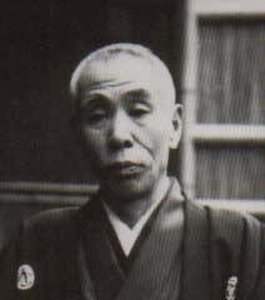
Hashimoto Kansetsu
1883 - 1945 , Japan
Základné informácie
- Full Name: Hashimoto Kansetsu
- Nationality: Japanese
- Date Of Birth: 1883
- Date Of Death: 1945
- Place Of Birth: Kobe, Japan
- Notable Artworks:
- 唐犬
- Monkeys
- Emperor Godaigo
- Artistic Movement Or Style: Nihonga painting
- Artists Who Influenced This Artist:
- Takeuchi Seihō
- Hashimoto Kaikan
- Artists Or Movements Influenced By This Artist:
- Uemura Shōen
- Kazuo Shiraga
Súvisiace články

Unveiling the Raw Emotion: The Top 25 Masterpieces by Francis Bacon
Immerse yourself in the visceral world of Francis Bacon. Explore 25 iconic masterpieces, from distorted figures to haunting portraits. Discover the stories behind these expressionist legends and find museum-quality art reproductions for your collection at OriginalUniqueArt.com.

Unveiling the Raw Emotion: The Top 25 Masterpieces by Francis Bacon
Journey through the raw emotion of Francis Bacon's most iconic works. From distorted figures to visceral portraits, explore 25 masterpieces that defined post-war art. Find museum-quality reproductions and curated decor inspiration. Discover all masterpieces on OriginalUniqueArt.com.

Mastering the Void: The Technical Depth and Historical Resonance of Ink Wash Painting
Explore the technical mastery of ink wash painting and Zen aesthetics. Discover the profound depth of Sumi-e tradition now.

The Essence of Shanshui: Tradition and Technique in Chinese Landscape Painting
Master the history of Song Dynasty Shanshui painting and ink wash techniques. Explore the legacy of Chinese landscape masters now.
The Breath of Mountains: Understanding the Philosophical Depth of Chinese Shanshui Painting
Explore the profound philosophy and brush techniques of Chinese Shanshui painting. Discover the essence of the Song Dynasty masters now.