

 Náhľad
 Odoslať
 Zdieľať
 Podrobnosti o dielo

 Stiahnuť
 Podobné diela
 RTG skúška
 Prezentácia
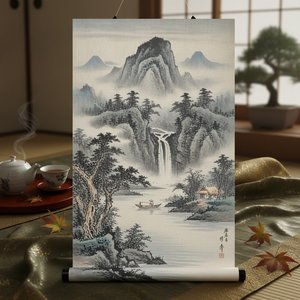
Landscape
 Shui-mo (Japanese Landscape)
 601
601 32.0cm x 50.0cm
 Zobraziť viac
Ručne maľovaná olejová reprodukcia
Ručne maľovaný olej na plátne vo vašej zvolenej veľkosti a v ráme, vyrobený na mieru našimi umelcami. ( Kúpiť tlač Kúpiť obrázok)




































Vyberte si z našich preddefinovaných rozmerov, ktoré zodpovedajú pôvodným pomeroḿ diela.

Môžete zadať vlastné rozmery tak, aby sa hodili do konkrétneho rámu alebo priestoru. Ak sa váš zvolený rozmer nezhoduje s pôvodnými proporciami obrazu, dielo buď orezáme, alebo ho doplníme ručne maľovanými prvkami. Pred začiatkom výroby vám zašleme digitálny náhľad na schválenie.
Upozorňujeme, že ukážka na obrazovke neodráža skutočné orezanie alebo doplnenie. Skutočnú finálnu kompozíciu zobrazuje iba digitálny náhľad.
Hoci sú k dispozícii vlastné rozmery, odporúčame vybrať rozmer z preddefinovaného zoznamu, aby sme zachovali pôvodné proporcie.
Po odoslaní objednávky vám tím OriginalUniqueArt.com pošle e-mail s pokynmi a poskytne náhľad na návrh.
Celosvetová doprava () za 3 až 4 týždne namiesto štandardných 5 týždňov. (25 august). Bez kompromisov v kvalite.

Bezplatná expresná doprava po celom svete

Prémiové lnianske plátno

Kompletné poistenie prepravy

Záruka vrátenia colného poplatku

Záruka presného farebného zhodnutia

60-dňá politika vrátenia (iba pri defektoch)

100% záruka vrátenia peňazí

Výhodná množstevná zľava
 Možnosť skla je dostupná len pri rozmeroch pod 110 cm

Landscape
Technika reprodukcie
Veľkosť reprodukcie
-


Celková cena za vybrané možnosti
$ 300
Biografia umelca
The Ink-Stained Legacy of Hara Naoharu
In the twilight of the Sengoku period and the dawn of the Momoyama era, a profound stillness emerged from the brushstrokes of Hara Naoharu. Born in 1547 in Saga, Japan, Naoharu was not merely a painter but a pioneer who redefined the boundaries of monochrome landscape painting. As the second son of Hara Naoe, the lord of Nogomi Castle, his upbringing was steeped in the refined atmosphere of nobility and the patronage of high culture. This prestigious lineage provided him with more than just social standing; it offered an intimate connection to the artistic currents that would eventually flow through his own legendary hand, shaping the very foundation of the Unkuta School.
The trajectory of Naoharu’s genius was irrevocably altered by his encounter with the teachings of Sesshu Sesshū, the titan of Japanese ink wash painting. Under Sesshu’s tutelage, Naoharu moved beyond mere imitation to grasp the spiritual essence of suiboku-ga. He learned that the true power of ink lies not in the density of the pigment, but in the subtle gradations of tone and the strategic use of empty space. This mastery of tonal variation allowed him to capture the ephemeral qualities of nature—the way mist clings to a mountain peak or how light dissolves into the shadows of a forest—creating works that felt less like static images and more like breathing, living landscapes.
The Essence of the Unkoku School
While his contemporaries in the Kanō school often sought grandeur through elaborate ornamentation and vibrant colors, Naoharu championed a different path: one of restraint, simplicity, and profound spiritual depth. Through the establishment of the Unkoku School, he introduced a stylistic philosophy that resonated with the Zen Buddhist sensibilities of the era. His approach favored the evocative over the explicit, inviting the viewer to participate in a meditative journey through his landscapes.
The technical brilliance of Naoharu’s work is most evident in his treatment of atmosphere and light. His paintings often feature:
- Mountainous Vistas: Majestic peaks that appear to emerge from a sea of clouds, rendered with precise yet fluid ink strokes.
- Seasonal Transitions: The delicate depiction of autumn foliage or the stark, quiet beauty of winter snowscapes, achieved through masterful control of water and ink.
- Atmospheric Depth: A sense of infinite distance created by layering light washes of grey, guiding the eye through layers of mist and shadow.
Historical Significance and Enduring Influence
The historical importance of Hara Naoharu extends far beyond his individual technical achievements. He acted as a bridge between the classical traditions of the Muromachi period and the evolving aesthetic demands of the Momoyama era. By prioritizing monochrome landscapes that emphasized spiritual contemplation, he provided a visual language for a society seeking stability and introspection amidst political transformation. His ability to utilize the medium of screens to present expansive, immersive worlds demonstrated a versatility that would inspire generations of Japanese painters.
Today, Naoharu is remembered as a master of suiboku-ga whose work remains a testament to the beauty of the understated. His legacy lives on in every brushstroke that seeks to capture the soul of the natural world through the humble medium of ink. Through his eyes, we continue to witness the serene majesty of the Japanese landscape, frozen in time yet eternally moving within the delicate dance of black and white.

hara naoharu
1547 - 1618 , Japan
Základné informácie
- Artistic Movement Or Style: Suiboku-ga (Water-Ink Painting)
- Artists Or Movements Influenced By This Artist: kanō school
- Artists Who Influenced This Artist: sesshū
- Date Of Birth: 1547
- Full Name: Hara Naoharu
- Nationality: Japanese
- Notable Artworks: ['Landscape']
- Place Of Birth: Saga, Japan
Súvisiace články

Katsushika Hokusai: 25 Majstrovských Diel pre Krásu Vášho Domova | OriginalUniqueArt.com
Ponorte sa do sveta Katsushika Hokusaiho a objavte 25 jeho najznámejších umeleckých diel. Ukiyo-e, The Great Wave, Fujiyama – príbehy za ikonickými obrazmi. Kvalitné reprodukcie pre váš domov na OriginalUniqueArt.com.
Serenity on Canvas: A Guide to the Timeless Beauty of Japanese Landscape Painting
Discover the serene beauty of Japanese landscape painting. From Hokusai's iconic woodblock prints to meditative sumi-e ink washes, explore a visual journey through the 'floating world' and learn how to bring this timeless Zen aesthetic into your modern home decor.

Top 10 Majstrov Romantickej Krajinomaľby: Obrazy, ktoré zmenili svet umenia
Ponorte sa do sveta romantickej krajinomaľby! Objavte top 10 majstrovských diel od Friedricha, Turnera a ďalších. Historické obrazy prírody s nádychom emócií. Reprodukcie obrazov pre váš interiér na OriginalUniqueArt.com.

Zen on Canvas: The Timeless Beauty and Spiritual Depth of Japanese Landscape Painting
Explore the profound serenity of Japanese landscape painting. From Hokusai's waves to Zen-inspired ink washes, discover the history, technique, and spiritual depth of Ukiyo-e masters in this expert art historical guide for collectors and enthusiasts.

Evocations of Place: A Historical Journey Through Landscape Art
Explore the rich history of landscape art with OriginalUniqueArt. Discover renowned artists, movements like Impressionism & Romanticism, and expert guidance for collecting timeless pieces. Find your perfect serene escape today!

