Zobraziť v interiéri
 Odoslať
 Zdieľať
 Podrobnosti
 Príručka

 Stiahnuť
 Podobné položky
 RTG skúška
 Prehliadanie diapo\]
 Štatistiky
la mere gregoire


 Prečítať si viac
Giclée / Umenotlač
Giclée tlač alebo plátno múzeálnej kvality s rýchlou výrobou a rôznymi možnosťami povrchovej úpravy. ( Objednať ručne maľovanú reprodukciu Prepnúť na digitálnu verziu obrazu)




P118B €10

P118H €10

P118W €10

P438Z €10

P508JH €12

P508YH €12

P805H €10

P805Z €10

P919BZ €10

P919G €10

P919XJ €10

P959ZH €10

P968JZ €12

W106C €8

W218G €10

W218JH €8

W218Y €10

W307PJ €10

W316G €10

W316PJ €8

W316Y €10

W398PJ €8

W4111J €10

W500HY €15

W500JH €15

W692G €12

W849H €8

W940BG €15

W953PJ €8




Vyberte si z našich preddefinovaných rozmerov, ktoré zodpovedajú pôvodným pomeroḿ diela.

Zadajte šírku a výšku, ktoré potrebujete, aby sa reprodukcia hodila k vášmu rámu alebo stene. Print možno len orezávať, nikdy však nemennú veľkosť zvětšiť oproti pôvodnému obrázku, preto pri inom formáte stráca časť obrazu. Pred samotným vytlačiacím procesom vám pošleme digitálny náhľad na schválenie. Obrázok zobrazený na tejto stránke nezobrazuje reálny rez — len digitálny náhľad ukazuje presný výsledok.
Celosvetová doprava () do 2 týždňov namiesto štandardných 4 až 5 týždňov. (23 október)

Bezplatná expresná doprava po celom svete

Vysokokvalitné lnianske plátno

Úplné poistenie prepravy

Záruka vrátenia colného poplatku

Záruka presného farebného zhodnutia

100-dená politika vrátenia tovaru (iba pri vadách)

100% záruka vrátenia peňazí

Ponuka množstevnej zľavy
 Možnosť skla je dostupná len pri rozmeroch pod 110 cm

la mere gregoire
Giclée / Umenotlač
Veľkosť reprodukcie
-


Celková cena
€ 70
A Portrait of Quiet Dignity: Exploring Gustave Courbet’s *La Mère Grégoire*
Gustave Courbet's *La Mère Grégoire*, painted in 1859, is a deeply affecting portrait that exemplifies the artist’s commitment to Realism and his revolutionary approach to depicting everyday life. This isn’t a glamorous depiction of aristocracy; instead, Courbet presents us with an honest and dignified portrayal of an elderly woman, radiating a quiet strength born from years lived.Subject & Composition: A Moment Frozen in Time
The painting centers on *La Mère Grégoire* herself – a woman seated at a simple wooden table. Her hands are gently open in her lap, suggesting both vulnerability and acceptance. The composition is deliberately straightforward; she dominates the frame, drawing our immediate attention to her face and expression. A still life arrangement—a vase of flowers and a small book—sits beside her, hinting at domesticity and perhaps intellectual pursuits. This isn’t merely a likeness; it's an intimate glimpse into a private moment.Style & Technique: The Brushstrokes of Realism
Courbet masterfully employs the techniques of academic realism but infuses them with his own distinctive style. Visible brushstrokes create texture and depth, while a muted color palette—predominantly browns, greys, reds, and whites—contributes to the painting’s somber yet warm atmosphere. The application of paint is rich and layered, particularly noticeable in the drapery and skin tones, suggesting an *impasto* technique that gives the surface a tactile quality. He eschews idealization, presenting his subject with all her wrinkles and imperfections – a radical departure from the polished portraits favored by earlier generations.Historical Context: A Challenge to Artistic Conventions
Painted during a period of significant social and artistic change, *La Mère Grégoire* represents Courbet’s deliberate rejection of academic conventions. In an era that prized mythological or historical subjects, he chose to elevate the ordinary individual—a working-class woman—to the status traditionally reserved for nobility or religious figures. This was a bold statement, aligning him with the burgeoning Realist movement and paving the way for future artistic revolutions. Courbet’s philosophy – “to record the customs, the ideas, the appearance of my time” – is powerfully embodied in this work.Symbolism & Emotional Impact: Wisdom and Resilience
While seemingly straightforward, *La Mère Grégoire* carries subtle symbolic weight. The book suggests a life enriched by learning, while the flowers may represent beauty and fragility. More profoundly, the painting evokes themes of age, wisdom, resilience, and the dignity of labor. The woman’s gaze is direct and unwavering, conveying a sense of inner strength and quiet contemplation. It's a portrait that invites empathy and reflection, prompting viewers to consider the lives and stories behind ordinary faces. The overall emotional impact is one of profound respect and tenderness.For Collectors & Designers
- A Statement Piece: *La Mère Grégoire* offers a timeless elegance that complements both traditional and contemporary interiors.
- Color Palette Versatility: The muted tones blend seamlessly with various color schemes, providing a grounding element in any space.
- Historical Significance: Owning a reproduction of this work is not just acquiring art; it’s embracing a pivotal moment in art history and supporting the legacy of a groundbreaking artist.
- Consider pairing with antique furniture or neutral-toned textiles to enhance its classic appeal.
Otázky a odpovede
K akému štýlu patrí „la mere gregoire“?
Uvedené smer v kontexte diela „la mere gregoire“ od Gustáv Courbet je Contemporary Realism. Táto klasifikácia umiestňuje toto dielo medzi súvisiace umelcov a umelecké diela.
Akú atmosféru prináša „la mere gregoire“ od Gustáv Courbet do interiéru?
Vďaka svojej Calm nálade je dielo „la mere gregoire“ vhodné do Living Room.
Môžem si „la mere gregoire“ od Gustáv Courbet pred kúpou pozrieť na vlastnej stene?
Dielo „la mere gregoire“ od Gustáv Courbet si môžete vyskúšať priamo na vašej stene pomocou rozšírenej reality na kompatibilnom zariadení na stránke AR náhľad pre AR náhľad.
Biografia umelca
A Rebel’s Brush: The Life and Legacy of Gustave Courbet
Gustave Courbet (1819-1877) – Pioneer of Realism. Explore paintings depicting everyday life & working class subjects like ‘A Burial at Ornans’. Discover his revolutionary impact on 19th-century art. Born in the quiet village of Ornans, France, Jean Désiré Gustave Courbet emerged as a defiant force against the established artistic norms of his time. His story isn't simply one of paint and canvas; it’s a narrative woven with threads of social commentary, political conviction, and an unwavering commitment to portraying the world exactly as he saw it – unidealized, raw, and profoundly real. Growing up in a relatively prosperous bourgeois family, Courbet received encouragement from his mother to pursue his artistic inclinations, a nurturing that would ultimately fuel a revolution in the art world. His formal training began at the École des Beaux-Arts in Paris in 1839, but he quickly found himself chafing against the academic conventions and Romantic idealism prevalent there. While acknowledging influences like Eugène Delacroix and Théodore Géricault, Courbet forged his own path, one that prioritized observation over imagination and truth over tradition.The Birth of Realism: Challenging Artistic Conventions
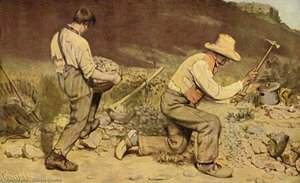
Courbet’s artistic development was marked by a deliberate rejection of the prevailing aesthetic standards. He wasn't interested in mythological narratives or heroic allegories; his gaze was fixed on the everyday lives of ordinary people, particularly those engaged in labor and rural existence. This commitment to depicting the world without embellishment – what would become known as Realism – initially met with scorn and derision from critics accustomed to more polished and idealized representations. Early works explored landscapes and portraits, but soon shifted towards scenes of working-class life, rendered on a monumental scale traditionally reserved for historical or religious paintings. This deliberate choice wasn’t merely stylistic; it was a statement about the inherent dignity and importance of these often-overlooked subjects. The Stone Breakers, completed in 1849 but tragically destroyed during World War II, exemplified this approach – a stark depiction of two laborers toiling away, their faces obscured by exhaustion and hardship. This painting, along with others like A Burial at Ornans (1850), challenged the very definition of what constituted “worthy” subject matter for high art. He sought to capture the essence of human experience as it unfolded in the mundane realities of daily life, rejecting the sentimentalism and moralizing tendencies that characterized much Romantic painting.Major Works and Artistic Philosophy
Courbet’s artistic philosophy extended beyond subject matter to encompass technique. He favored a direct, impasto style – applying paint thickly onto the canvas – that emphasized the materiality of the medium itself. This method allowed him to convey texture and surface detail with remarkable accuracy, mirroring the physicality of the subjects he depicted. His monumental canvases weren't merely representations; they were explorations of form and color, driven by a desire to capture the immediacy of perception. Consider *The Painter’s Studio* (1855), an ambitious allegorical work reflecting his artistic beliefs and engagement with contemporary social issues. The painting depicts Courbet himself surrounded by symbols representing art, intellect, and morality – a deliberate defiance of academic conventions and a proclamation of artistic independence. He believed that art should serve as a mirror to society, confronting viewers with uncomfortable truths about human existence.Influence and Legacy
Courbet’s influence on subsequent generations of artists is undeniable. He liberated Impressionists and Post-Impressionists from the constraints of traditional representation, encouraging them to experiment with new approaches to color and light. Artists like Monet, Renoir, Cézanne, and Van Gogh recognized Courbet's pioneering spirit and embraced his commitment to portraying the world as he saw it – unidealized and authentically observed. His unwavering conviction in artistic freedom resonated across Europe and beyond, inspiring artists to challenge societal norms and express their own perspectives with boldness and integrity. Gustave Courbet remains a pivotal figure in art history—a testament to the transformative power of confronting reality head-on and refusing to compromise artistic vision for the sake of convention. He died in 1877, leaving behind a legacy that continues to inspire artists and scholars alike.
Gustáv Courbet
1819 - 1877 , Francúzsko
Rýchle fakty
- Artistic Movement Or Style: Realizmus
- Artists Or Movements Influenced By This Artist:
- Impressionizmus
- Postimpressionizmus
- Artists Who Influenced This Artist:
- Eugène Delacroix
- Théodore Géricault
- Caravaggio
- Date Of Birth: 10. júna 1819
- Date Of Death: 31. decembra 1877
- Full Name: Gustave Courbet
- Nationality: Francúzsky
- Notable Artworks:
- A Burial at Ornans
- The Stone Breakers
- The Painter’s Studio
- Place Of Birth: Orléans, Francúzsko
Súvisiace články
Top 10 majstrovských diel realizmu: Umění odrážajúce skutočný život | OriginalUniqueArt.sk
Objavte 10 majstrovských diel realizmu od Courbeta, Maneta a ďalších. Ponorte sa do príbehov umelcov a techník, ktoré definovali toto revolučné hnutie. Kúpiť kvalitné art reprodukcie na OriginalUniqueArt.sk! Preskúmajte celú kolekciu online.
Realizmus v umení: Top 10 diel pre váš domov a dušu | OriginalUniqueArt
Ponorte sa do sveta realizmu s 10 ikonickými dielami od Courbeta, Maneta a ďalších majstrov. Objavte príbehy za slávnymi obrazmi a inšpirujte sa pre váš domov. Kúpiť kvalitné art reprodukcie na OriginalUniqueArt.com!
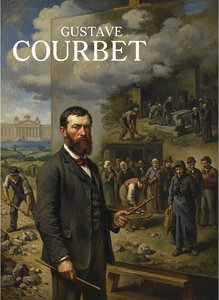
Gustave Courbet: Realism's Revolutionary Vision & the Social Canvas of 19th-Century France
Explore the revolutionary art of Gustave Courbet, pioneer of Realism. Discover his iconic paintings, social commentary, and lasting impact on 19th-century French art history. Expert analysis & insights.
Top 25 diel Bienále di Venezia: Majstrovské kúsky pre váš domov | OriginalUniqueArt.sk
Objavte 25 ikonických diel Bienále di Venezia! Prežite príbehy slávnych umelcov a majstrovských obrazov. Reprodukcie pre váš domov s OriginalUniqueArt.sk – inšpirácia, dekorácie a múzejná kvalita online.

Gustav Klimt: Top 25 diel pre milovníkov umenia a luxusného interiéru
Ponorte sa do sveta Gustava Klimta! Objavte top 25 diel majstra secesie, od zlatých portrétov po symbolistické krajiny. Reprodukcie obrazov v múzejnej kvalite pre váš luxusný interiér na OriginalUniqueArt.com. Preskúmajte celú kolekciu online!