

 Zobraziť v interiéri
 Odoslať
 Zdieľať
 Podrobnosti
 Príručka

 Stiahnuť
 Podobné položky
 RTG skúška
 Prehliadanie diapo\]
 Štatistiky
Fruit Displayed on a Stand
 Acrylic On Canvas
- WallArt
- Impressionist Painting
 1882
1882 76.0 x 100.0 cm
 Museum of Fine Arts
 Prečítať si viac
Ručne maľovaná olejová reprodukcia
Ručne maľovaný olej na plátne vo vašej zvolenej veľkosti a v ráme, vyrobený na mieru našimi umelcami. ( Prepnúť na tlač Prepnúť na digitálnu verziu obrazu)




P118B €10

P118H €10

P118W €10

P438Z €10

P508JH €12

P508YH €12

P805H €10

P805Z €10

P919BZ €10

P919G €10

P919XJ €10

P959ZH €10

P968JZ €12

W106C €8

W218G €10

W218JH €8

W218Y €10

W307PJ €10

W316G €10

W316PJ €8

W316Y €10

W398PJ €8

W4111J €10

W500HY €15

W500JH €15

W692G €12

W849H €8

W940BG €15

W953PJ €8




Vyberte si z našich preddefinovaných rozmerov, ktoré zodpovedajú pôvodným pomeroḿ diela.

Zadajte šírku a výšku, ktoré potrebujete, aby sa dielo hodilo k vášmu rámu alebo stene. Keďže ide o ručnú maľbu, pri rozmeroch s odlišným pomerom strán môže umelec namalovať o niečo viac okolo obrázka alebo ho mierne orezatú — výber patrí vám. Pred začatím maľovania vám pošleme digitálnu ukážku na schválenie. Obrázok zobrazený na tejto stránke nenahrádza reálny výsledok — ten zobrazuje iba digitálna ukážka.
Po odoslaní objednávky vám tím OriginalUniqueArt.com pošle e-mail s pokynmi a poskytne náhľad na návrh
Celosvetová doprava () za 3 až 4 týždne namiesto štandardných 5 týždňov. (26 október). Bez kompromisov v kvalite.

Bezplatná expresná doprava po celom svete

Vysokokvalitné lnianske plátno

Úplné poistenie prepravy

Záruka vrátenia colného poplatku

Záruka presného farebného zhodnutia

100-dená politika vrátenia tovaru (iba pri vadách)

100% záruka vrátenia peňazí

Ponuka množstevnej zľavy
 Možnosť skla je dostupná len pri rozmeroch pod 110 cm

Fruit Displayed on a Stand
Spôsob reprodukcie
Veľkosť reprodukcie
-


Celková cena
€ 263
A Snapshot of Parisian Modernity
Gustave Caillebotte's "Fruit Displayed on a Stand," painted in 1882, isn’t merely a still life; it’s a meticulously observed fragment of late 19th-century Paris. Far removed from the grand historical narratives favored by many of his contemporaries, Caillebotte chose to capture an ordinary moment – the arrangement of fruit on market stalls – transforming it into a compelling study of light, form, and urban life. This seemingly simple composition reveals a keen awareness of the burgeoning modern world, reflecting the rapid transformations occurring within the city’s bustling streets and evolving social landscape.
The painting immediately draws the eye to Caillebotte's masterful manipulation of light. He employs a broken, almost fragmented approach, utilizing short, distinct brushstrokes to capture the interplay of sunlight on the various fruits. This technique, characteristic of Impressionism, avoids smooth blending and instead creates a vibrant mosaic of color and texture. The light isn’t uniform; it pools and dances across the surfaces of the apples, oranges, grapes, and bananas, lending each element an individual luminosity. Notice how he uses reflected light – the way the fruit subtly illuminates the surrounding space – to create a sense of depth and realism that belies the painting's relatively small scale.
The Influence of Photography
Caillebotte’s artistic vision was profoundly shaped by his early fascination with photography. He saw in the medium’s ability to capture fleeting moments and precise details a new approach to representation. This influence is evident in "Fruit Displayed on a Stand" through its careful composition, sharp focus, and realistic depiction of textures – from the smooth skin of an orange to the delicate fuzz of a grape. Unlike traditional still life painters who sought to idealize their subjects, Caillebotte embraced the imperfections and irregularities of the natural world, mirroring the photographic aesthetic he admired.
Furthermore, the painting’s arrangement echoes the compositional strategies found in photographs of the time. The fruits are presented with a sense of immediacy, as if captured mid-display. The slightly tilted stand adds to this feeling of spontaneity and realism, suggesting a candid observation rather than a staged presentation. This deliberate choice reflects Caillebotte's desire to move beyond the conventions of academic painting and embrace a more direct and truthful representation of reality.
Symbolism and Urban Life
While seemingly straightforward, "Fruit Displayed on a Stand" carries subtle symbolic weight. The abundance of fruit can be interpreted as a celebration of life and prosperity – a visual metaphor for the vitality of Paris during this period of rapid industrialization and economic growth. However, the fruits themselves are not presented in an idealized manner; they are slightly bruised, imperfect, and arranged on humble market stalls. This juxtaposition hints at the realities of urban life—the contrast between wealth and poverty, abundance and scarcity.
The painting also offers a glimpse into the everyday commerce of Parisian streets. The fruit stands were vital components of the city’s economy, providing sustenance to its diverse population. Caillebotte's depiction captures this essential aspect of urban life, transforming a commonplace scene into a work of art that invites contemplation and reflection. It is a testament to his ability to find beauty and significance in the ordinary.
A Timeless Masterpiece
“Fruit Displayed on a Stand” remains a captivating example of Impressionist painting, showcasing Caillebotte’s innovative approach to light, composition, and subject matter. Its enduring appeal lies not only in its technical brilliance but also in its ability to evoke a sense of place and time—a vivid snapshot of Parisian life at the cusp of modernity. Reproductions of this work offer a remarkable opportunity to experience the artist's unique vision and appreciate the beauty found within the seemingly mundane.
Otázky a odpovede
Aký pocit vyvolávajú farby diela „Fruit Displayed on a Stand“ od Gustáv Caillebotte?
Neutrals paleta diela „Fruit Displayed on a Stand“ od Gustáv Caillebotte sa harmonicky spája s jeho Reflective emocionálnym tónom. Farba je jedným zo spôsobov, akými dielo vyjadruje emócie.
Môžem použiť rozšírenú realitu na to, aby som si zobrazil „Fruit Displayed on a Stand“ od Gustáv Caillebotte vo svojej miestnosti?
Stránka AR náhľad diela „Fruit Displayed on a Stand“ od Gustáv Caillebotte využíva rozšírenú realitu na zobrazenie umelackého diela vo vašom vlastnom priestore pomocou kompatibilného zariadenia.
Kedy a z akých materiálov bolo vytvorené dielo „Fruit Displayed on a Stand“?
„Fruit Displayed on a Stand“ vzniklo v roku 1882 pomocou techniky Acrylic On Canvas.
Biografia umelca
A Parisian of the New Age: The Life and Art of Gustave Caillebotte
Gustave Caillebotte, narodený v Paríži v roku 1848 do prosperujúcej rodiny, bol umelcom, ktorý sa unikajúco nachádzal na prelome medzi dramatickými zmenami, ktoré formovali jeho mesto. Jeho otec, Martial Caillebotte, dedil úspešný textilný podnik a pôsobil ako sudca, čo Gustavemu poskytlo nielen finančnú istotu, ale aj výhľad na burzujúci moderný svet. Hoci sa na začiatku venoval právnickým štúdiám – získal tituly právnika v roku 1868 a 1870 – jeho pravou vášňou bola umenie. Začínal s vážnym tréningom pod Léon Bonnat, hlboko sa ponoril do maľby zatiaľ čo zároveň rozvíjal záujem o fotografiu, novú technológiu, ktorá by ovplyvnila jeho umelecké videnie. Tento skorý kontakt s fotografickými princípmi – ich rámovanie, perspektíva a zachytávanie plytkej chvíle – sa stal charakteristickým znakom jeho jedinečného štýlu. Caillebotte nebol len dokumentátorom zmien; aktívne sa zapája do estetických možností, ktoré z nich vyplývajú. Jeho prvá významná dielka, *Les Raboteurs de Parquet (The Floor Scrapers)*, vystavená na salóni v roku 1875, okamžite stanovila jeho reputáciu ako odvážneho a nekonvenčného malára. Maľba zobrazuje troch robotníkov, ktorí sistatne odstraňujú drevenú podlahu, zobrazených s nezameniteľnou uprosťou, ktorá šokovala niektorých pozorovateľov, ale zaujala iných. Nebolo to len téma – pracujúca trieda zriedka bývala zobrazovaná na plátnach vysokej umenia – ale aj kompozícia: skrátená, takmer narušujúca priamu a bez sentimentalnej idealizácie. Tento záväzok kRealistické Prístupy s Impressionistickým Svietlením
Caillebotteho umelecký chod sa odchýlil od prískej akademickej tradície, no nikdy plne neprejal si optickú skúmanie mnohých svojich impresionistických kolegov. Hľadal spoločnosť medzi umelcami ako Edgar Degas a Giuseppe de Nittis, zdieľajúc fascináciu moderným životom, ale pristupujúc k nemu prostredníctvom realistického prístupu. Jeho skorá majstrovská dielka *Les Raboteurs de Parquet* okamžite stanovila jeho reputáciu ako odvážneho a nekonvenčného malára. Maľba zobrazuje troch robotníkov, ktorí sistatne odstraňujú drevenú podlahu, zobrazených s nezameniteľnou uprosťou, ktorá šokovala niektorých pozorovateľov, ale zaujala iných. Nebolo to len téma – pracujúca trieda zriedka bývala zobrazovaná na plátnach vysokej umenia – ale aj kompozícia: skrátená, takmer narušujúca priamu a bez sentimentalnej idealizácie. Tento záväzok kVplyvy a Inovácie
Caillebotte bol ovplyvnený fotografiou, ktorá sa v 70. rokoch stala novým trendom. Jeho prvá fotografia, *La Classe de dessin* (1876), ukazuje študentov na lekcií. Caillebotte sa tiež zaujímal o japonské maľby a ich kompozície. Vďaka tomu jeho práce často obsahujú ostré úhly a dynamické zameranie. Jeho prácu ovplyvnila aj fotografia, ktorá sa v 70. rokoch stala novým trendom. Caillebotte bol tiež známy svojím finančným podporovaním francúzskeho impresionizmu. Jeho finančná nezávislosť mu umožnila stať sa významným patrónom, kúpil diela Monet, Renoir, Pissarro a ďalších umelcov v čase, keď ich umenie bolo vo všeobecnosti odmietané oficiálnym salónom. Nebol to len zbierač; aktívne podporoval týchto umelcov organizovaním a financovaním niekoľkých impresionistických výstav, ktoré vyzvali konvencie umeleckého sveta. Tento záväzok k inovácii sa prejavil aj v jeho kompozíciách; diela ako *Boulevard vu d’en haut (Boulevard Seen from Above)* z roku 1880 demonštrujú moderný pohľad s dynamickou perspektívou. Táto inovatívna kompozícia, ktorá mohla byť ovplyvnená japonskými rytinami a jeho vlastnými fotografickými experimentmi, ho odlišovala ako skutočného pioniera.Život mimo Umenia
Caillebotte bol vášnivý jazdec. V roku 1881 kúpil pozemok na pobreží Argenteuil, známe miesto pre plavbu v Paríži. Vytvoril tam záhradu, ktorá postupne získala dominantné postavenie v jeho dielach. Podobne ako jeho priateľ Claude Monet o niekoľko rokov neskôr sa inšpiroval touto rastlinnou ríšou na vytváranie rozsiahlych dekorácií, ako je *Bed of Daisies*, ktoré zostali nedokončené. Jeho smrť v roku 1894, vo veku 45 rokov, prerušila slibnú umeleckú kariéru. Kontroverzia spojená s jeho záväzkom na zemi pre Francúzsko prehliadla originalitu jeho diela ako malára. Jeho diela sú oslavované za ich jedinečný pohľad, mistrné prevedenie a trvalú relevanciu – dôkaz umelca, ktorý odvážne zachytil ducha nového veku.Kľúčové Práce
- Les Raboteurs de Parquet (The Floor Scrapers) (1875): Revolučná práca ukazujúca Caillebotteho realizmus a nekonvenčnú kompozíciu.
- View of Rooftops (Snow) (1878): Demonštruje jeho použitie vysokých pozícií a atmosférických efektov, ovplyvnené fotografiou a japonskými rytinami.
- Boulevard vu d’en haut (Boulevard Seen from Above) (1880): Striktne moderná kompozícia s dynamickou perspektívou.
- The Bezique Game(1881) : Fascinujúca impresionistická práca zobrazujúca parížske zábavy.

Gustáv Caillebotte
1848 - 1894 , Francúzsko
Rýchle fakty
- Artistic Movement Or Style: Realizmus, impresionizmus
- Artists Or Movements Influenced By This Artist: ['Impressionisti']
- Artists Who Influenced This Artist:
- Bonnat
- Degas
- Date Of Birth: 19. august 1848
- Date Of Death: 21. február 1894
- Full Name: Gustave Caillebotte
- Nationality: Francúzsky
- Notable Artworks:
- Les Raboteurs de Parquet
- Rooftops (Snow)
- Boulevard Seen from Above
- Place Of Birth: Paríž, Francúzsko
Súvisiace články
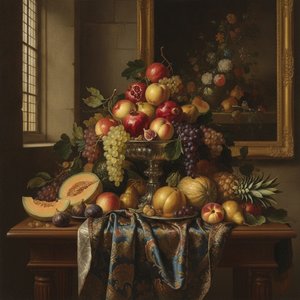
Nature's Bounty: The Art History of Fruit Arrangement Masterpieces and the Baroque Still Life Tradition
Explore the profound beauty of fruit arrangement masterpieces. From Dutch Golden Age opulence to Baroque chiaroscuro, discover the art history, symbolism, and timeless elegance of classical still life paintings for the discerning collector.
The Enduring Appeal of Still Life: A Historical & Contemporary Exploration
Explore the rich history & symbolism of still life painting with OriginalUniqueArt. Discover masterpieces from the Dutch Golden Age, learn about vanitas art, and find expert guidance for collecting timeless artworks.
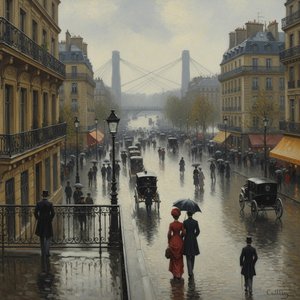
Gustave Caillebotte: Bridging Realism & Modernity in Parisian Life
Explore the life & art of Gustave Caillebotte, a pivotal figure bridging Realism & Impressionism. Discover his iconic Parisian scenes and lasting legacy with OriginalUniqueArt.

The Bountiful Still Life: Symbolism & Artistic Representation of Fruit Across Art History
Explore the rich history of still life painting & the symbolism of fruit across art movements. Discover masterpieces from Caravaggio to Cézanne with OriginalUniqueArt – expert guidance & museum-quality reproductions.

Paul Cézanne: Top 25 Majstrovských Diel pre Váš Domov – Kolekcia OriginalUniqueArt
Objavte top 25 diel Paula Cézanna – impresionistické krajinomaľby, zátišia a portréty. Prežite príbeh umelca a jeho majstrovských techník. Reprodukcie obrazov pre luxusný domov na OriginalUniqueArt.com


