Náhľad
 Odoslať
 Zdieľať
 Podrobnosti o dielo

 Stiahnuť
 Podobné diela
 RTG skúška
 Prezentácia
 Štatistiky
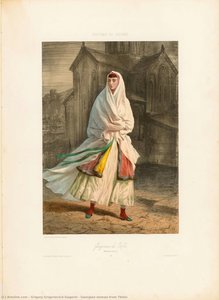
Pátrik Armenia
 Akryl na plátne
- WallArt
- Romantic Realism
 1855
1855 59.0 x 42.0 cm
 Art Palace of Georgia - Museum of Cultural History
 Zobraziť viac
Giclée / Umenotlač
Giclée tlač alebo plátno múzeálnej kvality s rýchlou výrobou a flexibilnými možnosťami povrchovej úpravy. ( Kúpiť ručne maľovaný obraz Prepnúť na digitálny obraz)




P118B $10

P118H $10

P118W $10

P438Z $10

P508JH $12

P508YH $12

P805H $10

P805Z $10

P919BZ $10

P919G $10

P919XJ $10

P959ZH $10

P968JZ $12

W106C $8

W218G $10

W218JH $8

W218Y $10

W307PJ $10

W316G $10

W316PJ $8

W316Y $10

W398PJ $8

W4111J $10

W500HY $15

W500JH $15

W692G $12

W849H $8

W940BG $15

W953PJ $8




Vyberte si z našich preddefinovaných rozmerov, ktoré zodpovedajú pôvodným pomeroḿ diela.

Môžete zadať vlastné rozmery, aby sa reprodukcia prispôsobila konkrétnemu rámu alebo priestoru. Ak zvolená veľkosť nebude zodpovedať proporciám originálu, dielo buď orežeme, alebo obraz rozšírime pomocou zrkadlenia či farebného doplnenia okrajov. Pred začatím výroby vám pošleme digitálnu ukážku na schválenie.
Máte na vedomí, že náhľad na obrazovke neodzrkadľuje skutočné orezanie alebo rozšírenie. Len digitálna ukážka presne zobrazí finálnu kompozíciu.
Hoci sú k dispozícii vlastné rozmery, pre zachovanie pôvodných proporcií odporúčame vybrať si rozmer z vopred definovaného zoznamu.
Celosvetová doprava () do 2 týždňov namiesto štandardných 4/5 týždňov. (19 september)

Bezplatná expresná doprava po celom svete

Prémiové lnianske plátno

Kompletné poistenie prepravy

Záruka vrátenia colného poplatku

Záruka presného farebného zhodnutia

100-dená politika vrátenia tovaru (iba pri vadách)

100% záruka vrátenia peňazí

Výhodná množstevná zľava
 Možnosť skla je dostupná len pri rozmeroch pod 110 cm

Pátrik Armenia
Giclée / Umenotlač
Veľkosť reprodukcie
-


Celková cena za vybrané možnosti
$ 80
Grigory Gagarin: A Vision of Faith and Majesty
Grigory Grigorievich Gagarin (1810 – 1893) stands as one of Russia’s most celebrated landscape painters, a figure whose artistic legacy continues to resonate with collectors and art historians alike. Born into the noble Rurikid family in Saint Petersburg, Gagarin possessed an innate talent for capturing the sublime beauty of the Caucasus Mountains—a region that captivated him profoundly during his formative years. His oeuvre is characterized by a distinctive Romantic style, imbued with meticulous observation and a masterful command of technique, reflecting the spirit of its time.- Subject Matter: Gagarin’s paintings predominantly depict panoramic vistas of the Caucasus, focusing on dramatic mountain ranges bathed in ethereal light. He particularly excelled at portraying scenes of religious pilgrimage sites—most notably the Sioni Cathedral in Tbilisi—where he meticulously documented the architectural grandeur and spiritual atmosphere.
- Style: Gagarin's artistic vision aligns squarely with Romanticism, prioritizing emotion and imagination over strict realism. His compositions convey a sense of awe and reverence for nature’s power, mirroring the prevailing philosophical currents of his era.
- Technique: Gagarin employed oil paints on canvas with remarkable precision, utilizing layering techniques to achieve luminous effects and conveying depth through atmospheric perspective. He meticulously rendered textures—from weathered stone to turbulent skies—demonstrating an unparalleled understanding of artistic craftmanship.
- Symbolism: Gagarin's paintings are laden with symbolic significance. The towering mountains represent resilience and spiritual aspiration, while the serene interiors of churches embody faith and contemplation.
- Historical Context: Gagarin’s work emerged during a period of significant cultural transformation in Russia—the Romantic era—characterized by an emphasis on individualism, emotion, and imagination. His artistic endeavors reflected the broader societal preoccupation with exploring the sublime beauty of nature and expressing profound spiritual convictions.
Biografia umelca
Grigory Gagarin (1810 – 1893): A Window into Romantic Russia
Grigory Grigorievich Gagarin, born May 29 April 1810 in Saint Petersburg to the noble Rurikid princely Gagarin family, stands as a singular figure within the artistic landscape of 19th-century Russia. Despite lacking formal artistic training—a notable distinction for his time—Gagarin’s connection with Karl Briullov, arguably Russia's most celebrated painter, profoundly shaped his creative trajectory and established him as an important voice in Romanticism. This formative relationship instilled within him a deep appreciation for observation and detail, qualities that would permeate his oeuvre. ### Early Life and Artistic Foundations Gagarin’s upbringing amidst the aristocratic Gagarin lineage afforded him access to privileged educational opportunities. His father, Prince Grigory Ivanovich Gagarin, served as Russia's ambassador to Italy, exposing young Grigory to European culture and fostering an inquisitive spirit. Crucially, Briullov recognized Gagarin’s innate talent and took on the role of mentor, providing invaluable guidance in mastering painting techniques—primarily watercolor—and cultivating a keen eye for capturing atmospheric effects. This mentorship proved pivotal in shaping Gagarin's artistic vision. ### Artistic Career: Illustrating Literary Giants Gagarin’s artistic career blossomed alongside his engagement with Russia’s literary luminaries. He became intimately involved in illustrating Alexander Pushkin’s masterpieces, notably “The Queen of Spades” and “The Tale of Tsar Saltan,” demonstrating a masterful ability to translate literary narratives into visual form. Furthermore, he collaborated closely with Mikhail Lermontov, capturing the spirit of Romantic disillusionment and exploring themes of heroism and melancholy within his canvases. His illustrations weren’t merely decorative; they served as interpretations of complex ideas and emotions—a hallmark of Romantic artistic expression. ### Portraits of Caucasian Landscapes and Peoples Gagarin's artistic output is particularly distinguished by his depictions of the Caucasus region, a landscape that captivated him deeply. He embarked on expeditions to Georgia and Armenia, meticulously documenting the diverse flora and fauna of these mountainous territories. His paintings—such as “Caucasian Prince,” “Circassian Woman,” “A Priest from Armenia,” and “Kurds from Ararat”—are characterized by their precise detail and evocative color palettes, reflecting a fascination with capturing both the grandeur of nature and the cultural richness of Caucasian communities. These works stand as testament to Gagarin’s dedication to scientific observation combined with artistic sensitivity. ### Legacy and Recognition Grigory Gagarin's contribution to Russian art is undeniable. His paintings—particularly those focused on the Caucasus—remain influential today, serving as valuable records of a bygone era and embodying the Romantic ideal of perceiving beauty in the natural world. He was honored by the Imperial Academy of Arts and recognized for his artistic achievements, cementing his place within the canon of Russian Romantic painters. His legacy continues to inspire artists and scholars alike, reminding us of the power of observation and the enduring allure of capturing the essence of a particular place and time. ### Notable Works:- Caucasian Prince(59 x 42 cm): Art Palace of Georgia - Museum of Cultural History, Tbilisi, Georgia
- Circassian Woman(59 x 42 cm): Art Palace of Georgia - Museum of Cultural History, Tbilisi, Georgia
- A Priest from Armenia(59 x 42 cm): Art Palace of Georgia - Museum of Cultural History, Tbilisi, Georgia
- Kurds from Ararat(59 x 42 cm): Art Palace of Georgia - Museum of Cultural History, Tbilisi, Georgia
- Georgian Man(59 x 42 cm): Art Palace of Georgia - Museum of Cultural History, Tbilisi, Georgia

Grigory Grigorievich Gagarin
1810 - 1893 , Rusko
Základné informácie
- Artistic Movement Or Style: Romantizmus
- Artists Who Influenced This Artist: ['Karl Briullov']
- Date Of Birth: 29 apríl 1810
- Date Of Death: 30 janúra 1893
- Full Name: Grigory Grigorievich Gagarin
- Nationality: Rusínsky
- Notable Artworks:
- Caucasian princ
- Circassian žena
- A priest z Arménie
- Kurds z Ararat
- Georgiansky muž
- Place Of Birth: Saint Petersburg, Rusko
Súvisiace články

OriginalUniqueArt.com F.A.Q.: Elevating Interiors with Bespoke Wall Murals & Masterpiece Frescoes
Discover the pinnacle of bespoke interior transformation with OriginalUniqueArt.com. Our master fresco artists create exquisite, hand-painted wall murals and ceiling masterpieces tailored to your estate. Elevate your architectural space with timeless, museum-quality artistry.