 Náhľad v interiéri
 Odoslať ako digitálnu kartu
 Zdieľať
 Podrobnosti o dielo
 Príručka

 Stiahnuť obraz
 Podobné položky
 RTG skúška
 Prehliadanie diapozoje
 Otázky a odpovede
 Štatistiky
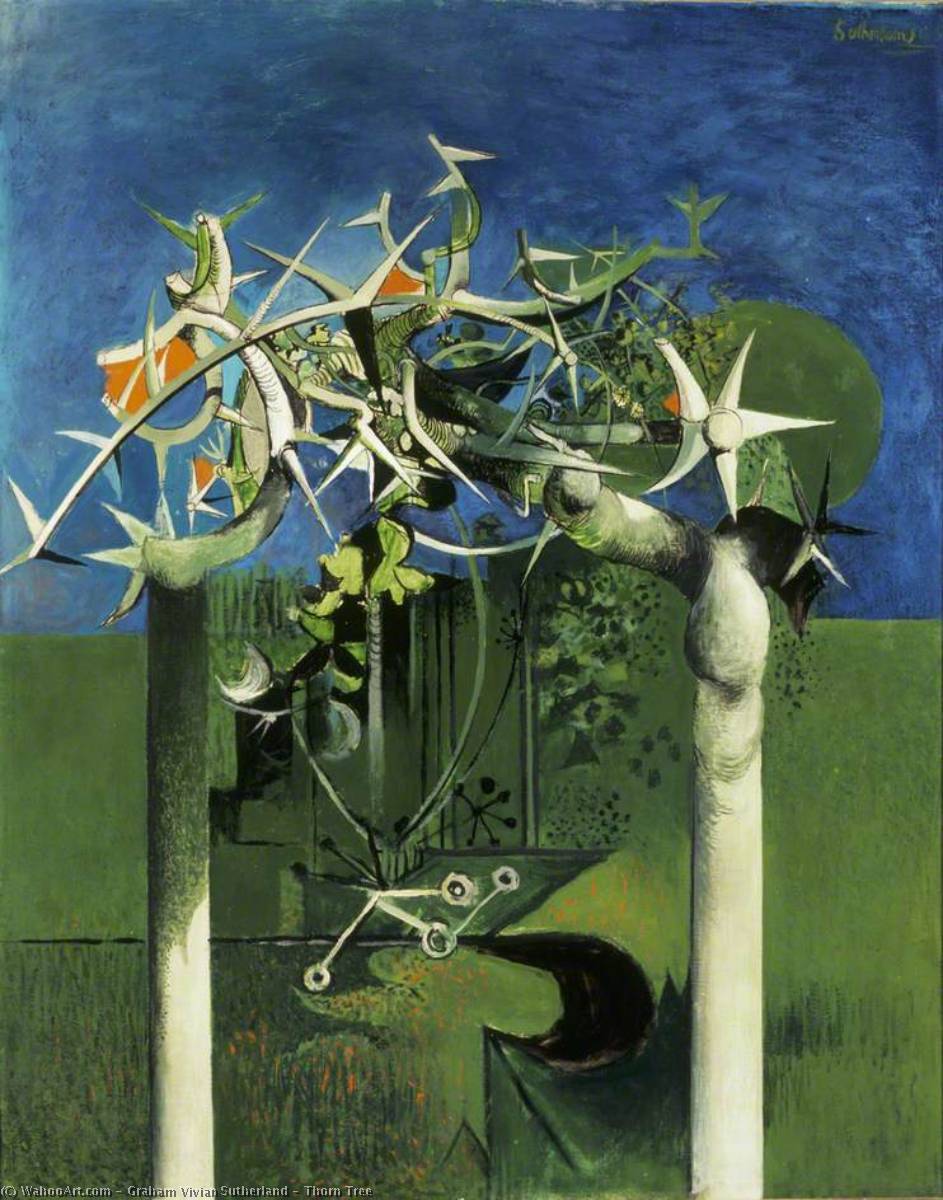
Thorn Tree

- 127.0 x 102.0 cm


 Zobraziť viac
Umelecké dielo zobrazené na tejto stránke je chránené autorským zákonom, čo znamená, že nemôžeme legálne vytvárať ani predávať jeho identickú reprodukciu. Táto ochrana je vymáhaná na základe medzinárodných dohôd, ako napríklad Bernská konvencia a národnými zákonmi, vrátane tých, ktoré sú stanovené v Autorské právo USA – Title 17. Všetky práva vyhradené.
Táto metóda plne dodržiava autorské práva, pretože nezahŕňa kopírovanie ani duplikovanie chráneného diela. Ide skôr o kreatívnu reinterpretáciu – nový obraz, ktorý je ovplybnený originálom, no nie je s ním identický.
Giclée / Umenotlač
Giclée tlač alebo plátno múzeálnej kvality s rýchlou výrobou a rôznymi možnosťami povrchovej úpravy. ( Kúpiť ručne maľovaný obraz Prepnúť na digitálny obraz)




P118B €10

P118H €10

P118W €10

P438Z €10

P508JH €12

P508YH €12

P805H €10

P805Z €10

P919BZ €10

P919G €10

P919XJ €10

P959ZH €10

P968JZ €12

W106C €8

W218G €10

W218JH €8

W218Y €10

W307PJ €10

W316G €10

W316PJ €8

W316Y €10

W398PJ €8

W4111J €10

W500HY €15

W500JH €15

W692G €12

W849H €8

W940BG €15

W953PJ €8




Vyberte si z našich preddefinovaných rozmerov, ktoré zodpovedajú pôvodným pomeroḿ diela.

Zadajte šírku a výšku, ktoré potrebujete, aby sa reprodukcia hodila k vášmu rámu alebo stene. Print možno len orezávať, nikdy však nemennú veľkosť zvětšiť oproti pôvodnému obrázku, preto pri inom formáte stráca časť obrazu. Pred samotným vytlačiacím procesom vám pošleme digitálny náhľad na schválenie. Obrázok zobrazený na tejto stránke nezobrazuje reálny rez — len digitálny náhľad ukazuje presný výsledok.
Celosvetová doprava () do 2 týždňov namiesto štandardných 4 až 5 týždňov. (5 november)

Bezplatná expresná doprava po celom svete

Vysokokvalitné lnianske plátno

Kompletné poistenie prepravy

Záruka vrátenia colného poplatku

Záruka presného farebného zhodnutia

100-dená politika vrátenia tovaru (iba pri vadách)

100% záruka vrátenia peňazí

Zľava pri väčšom množstve
 Možnosť skla je dostupná len pri rozmeroch pod 110 cm

Thorn Tree
Giclée / Umenotlač
Veľkosť reprodukcie
-


Celková cena
€ 72
A Vision of Verdant Mystery: Graham Vivian Sutherland’s “Thorn Tree”
Graham Vivian Sutherland's "Thorn Tree," painted in 1946, isn’t merely a landscape; it’s an immersion into the heart of Pembrokeshire’s rugged beauty, filtered through the uniquely perceptive eye of one of Britain’s most significant modern artists. This oil on canvas work transcends simple representation, offering instead a deeply layered exploration of nature's inherent strangeness and the quiet drama of the natural world. Sutherland, a master of Neo-Romanticism, skillfully blends the traditional English landscape tradition with the subtle influences of Surrealism and Expressionism – a combination that resulted in powerfully evocative and often unsettling images.
The painting immediately draws the viewer into a dense, almost claustrophobic woodland scene. Towering trees dominate the composition, their branches intertwining to create a complex network of shadows and light. The leaves themselves are rendered with meticulous detail, yet they possess an unnerving quality – not quite realistic, but hinting at something beyond the purely botanical. Birds, perched precariously amongst the foliage, add to the sense of unease and suggest a hidden life within this seemingly still landscape. Sutherland’s use of color is particularly striking; predominantly greens—ranging from deep emerald to muted olive—create an atmosphere of both lushness and melancholy. Subtle hints of brown and grey ground the scene, anchoring it in the earth while simultaneously emphasizing its isolation.
The Painter's Process: Technique and Style
Sutherland’s technique is characterized by a remarkable sensitivity to light and texture. He employed a broken brushstroke method, layering thin washes of paint to build up form and create a shimmering effect that captures the dappled sunlight filtering through the trees. The canvas itself appears almost alive with movement – not in a frenetic way, but rather through the careful manipulation of color and tone. The painting’s surface is rich with impasto—thickly applied paint—particularly around the branches and leaves, giving them a tangible presence. This tactile quality invites the viewer to reach out and touch the scene, blurring the line between observation and participation.
Notably, Sutherland's work during this period reflects his deep connection to Pembrokeshire, a region he revisited repeatedly throughout his career. He wasn’t simply documenting the landscape; he was attempting to capture its essence—its mood, its mystery, and its inherent sense of solitude. The painting embodies a shift in artistic focus away from purely representational art towards a more subjective interpretation of reality.
Symbolism and Interpretation
“Thorn Tree” is rich with symbolic potential. The thorns themselves are a potent motif—representing both defense and pain, beauty and danger. They suggest a world where nature isn’t always benevolent, but rather holds its own secrets and challenges. The birds, often associated with freedom and spirituality, seem trapped within the dense foliage, hinting at a longing for escape. The overall composition can be interpreted as an allegory of the human condition—a struggle to find meaning and connection in a world that is both beautiful and unsettling.
Furthermore, the painting’s creation coincided with post-war Britain, a period marked by uncertainty and social upheaval. Sutherland's exploration of nature’s complexities can be seen as a reflection of this broader sense of disorientation—a search for stability and meaning amidst chaos. The painting’s enduring appeal lies in its ability to resonate with viewers on multiple levels, prompting contemplation about the relationship between humanity and the natural world.
A Timeless Masterpiece: Reproduction and Display
"Thorn Tree" is a captivating work that would be an exceptional addition to any art collection or interior space. Reproductions of this painting capture much of its original power, offering a way to bring Sutherland’s vision into your home. When selecting a reproduction, consider the quality of the print and the canvas material—a fine-art giclée on archival canvas will best preserve the artwork's colors and detail. The painting’s evocative atmosphere would complement a variety of interior styles, from modern minimalist spaces to more traditional settings. Its subtle color palette and complex composition create a focal point that invites contemplation and adds a touch of understated elegance to any room.
Otázky a odpovede
Aké umiestnenie sa hodí k formátu diela „Thorn Tree“ od Graham Vivian Sutherland?
Formát Portrait diela „Thorn Tree“ od Graham Vivian Sutherland je ideálny pre Living Room. Formát a priestor spoločne určujú najvhodnejšie umiestnenie reprodukcie.
Kde môžem nájsť sprievodnú stránku k dielu "Thorn Tree"?
Sprievodca k dielu „Thorn Tree“ je stránka Sprievodca študentom pre dané umelecké dielo – ide o vytlačiteľnú informačnú listinu, ktorá zobrazuje dielo spolu s jeho popisom, uvedením autorstva a identifikačnými údajmi (umelec, dátumy, médium, pôvodná veľkosť, kolekcia).
Na čo sa odporúča použiť tlač obrazu „Thorn Tree"?
Odporúčané použitie pre „Thorn Tree“ od Graham Vivian Sutherland je Statement. Môže však slúžiť aj na iné účely.
Biografia umelca
Vizionárske krajiny Grahama Viviana Sutherlanda
Graham Vivian Sutherland, titan britského modernizmu, disponoval vzácnou schopnosťou premeniť známe kontúry prírodného sveta na niečo hlboko znepokojujúce a duchovne podmanivé. Narodený v Londýne v oblasti Streatham v roku 1903, prešiel Sutherland cestou neustáleho metamorfóz. Hoci jeho rané roky formovala klasická vzdelávacia dráha na Epsom College, jeho skutočné poslanie sa objavilo ďaleko od právnických kruhov jeho rodiny. Jeho prvý krok do technického sveta počas učňovskej praxe v závodoch parných strojov Midland Railway mu poskytol základy precíznosti, ktoré sa neskôr prejavili v jeho zložitých grafikách a textúrovaných olejomaľbách. Pri prechode na Goldsmiths' School of Art sa Sutherland začal vzdalať tradičnej reprezentácii a začal sa lázdiť k evokatívnej sile gravírovania a akvatinty.
Raná estetika umelca bola hlboko zakorenená v romantizme Samuela Palmera, no odmietol zostať uviaznutý v minulosti. Namiesto toho Sutherland pôsobil ako most medzi anglickou pastyrálnou tradíciou a radikálnou energiou európskych avantgardných pohybov. Absorbovaním snovej logiky surrealizmu a surového emočného vyjadrenia expresionizmu vyvinul vizuálny jazyk, ktorý dokázal zachytiť nielen fyzickú krajinu, ale aj psychický stav. Jeho rané grafické práce, charakterizované pocitom tajomna a organických tvarov, položili základy kariéry definovanej fascináciou „cudzou tvárou“ prírody – téme, ktorá sa stala jeho najtrvanejším odkazom.
Tieň prírody a vojenské roky
40. roky 20. storočia predstavovali v Sutherlandovom vývoji kľúčovú éru, keď sa jeho zameranie presunulo z jemného prostredia grafiky k vizcerálnej, impastovej textúre olejomaľby. Práve v tomto období sa drsné, vetrom ošúpané krajiny Pembrokeskej oblasti stali jeho hlavnou múzou. V díloch ako Thorn Tree (Tŕnivý strom) môžeme svedčiť o umelcovom majstrovstve v spájaní botanickej reality so surrealistickou deformáciou. Nenap Maleroval len stromy; maloval napätie, boj a kostlivú architektúru samotného života. Toto obdobie ho posunulo k abstraktejšímu, no hlboko symbolickému spôsobu vnímania, kde tŕnie, korene a skrútené konáre slúžili ako metafory ľudskej zraniteľnosti a odolnosti.
Druhý svetový konflikt priniesol do jeho tvorby iný, temnejší rozmer. Ako oficiálny vojenský umelec obrátil svoj pohľad k priemyselným a často strašidelným scenám britskej domácej fronty. Jeho maľby z tejto éry, ako napríklad Flying Bomb Depot The Caverns, sú majstrovskými lekciami v tvorbe atmosféry. Prostredníctvom ťažkých textúr a palety farieb, ktorá evokuje rozklad aj hrôzu, zachytil mrazivú opustenosť vojennej doby. Tieto práce neboli len dokumentáciou; boli to psychologické portréty éry poznačenej úzkosťou a prítomnosťou blížiacej sa destrukcie, odrážajúce rozbitú realitu sveta v kráľovskom vojne.
Odkaz symbolizmu a veľkoleposti
V povojennom období tvorba Sutherlanda vystúpila na nové výšky duchovného a verejného významu. Začal integrovať náboženský symbolizmus do svojich organických motívov, čím vytvoril silnú syntézu toho posvätného a prirodzeného. To vyvrcholilo jedným z jeho najmonumentálnejších úspechov: návrhom masívnej centrálnej tapisérie pre novú katedrál v Coventry s názvom Christ in Glory in the Tetramorph. Toto dielo, ktoré využilo jeho schopnosť manipulovať s formou a farbou v grandióznom meradle, stojí ako dôkaz jeho úlohy pri kultúrnej obnově povojennom Británii.
Počas svojej bohatej kariéry mu všestrannosť umožnila zanechať nezmazateľnú stopu v mnohých disciplínach:
- Portrétne maliarstvo: Jeho schopnosť zachytiť psychologickú hĺbku verejných osobností, ako je jeho dôstojný a melancholický Somerset Maugham.
- Grafika: Celoživotná oddanosť precíznosti akvatinty a gravírovania, ktorá formovala jeho vnímanie línie a štruktúry.
- Dekoratívne umenie: Jeho príspevky k návrhom tapisérií a sklenému umeniu, ktoré priniesli modernú abstraktiu do sféry funkčnej krásy.
V konečnom dôsledku Graham Sutherland zostáva pilierom umenia 20. storočia, pretože sa odvážil pozrie pod povrch krajiny. Našiel surrealizmus v tom reálnom a božstvo v tom organickom. Jeho odkaz sa nenachádza len v múzeách, ale v spôsobe, akým vnímame skrytú, často ostrú krásu sveta okolo nás – sveta, kde každý tŕň nesie príbeh a každý tieň skrýva tajomstvo.

Graham Vivian Sutherland
1903 - 1980 , Spojené kráľovstvo
Základné informácie
- Artistic Movement Or Style: Surrealizmus
- Artists Or Movements Influenced By This Artist: ['Paul Nash']
- Artists Who Influenced This Artist:
- Samuel Palmer
- F.L. Griggs
- Date Of Birth: August 24, 1903
- Date Of Death: February 17, 1980
- Full Name: Graham Vivian Sutherland
- Nationality: Anglický
- Notable Artworks:
- Flying Bomb Depot
- Entrance to a Lane
- Place Of Birth: Londýn, Veľká Británia
Súvisiace články
Arboreal Echoes: A Historical & Artistic Exploration of Trees in Painting
Explore the rich history of trees in painting! Discover symbolism, Romantic masterpieces by Caspar David Friedrich & beyond. A curated journey for art enthusiasts.

John Constable: Top 25 Majstrovských Diel pre Váš Domov | OriginalUniqueArt.sk
Ponorte sa do sveta Johna Constabla s OriginalUniqueArt.sk! Objavte top 25 majstrovských diel anglického romantizmu – od ikonického Hay Wain až po krajinárske motívy Suffolku. Kvalitné reprodukcie obrazov pre váš domov. Preskúmajte celú kolekciu online!

Top 10 Majstrov Romantickej Krajinomaľby: Obrazy, ktoré zmenili svet umenia
Ponorte sa do sveta romantickej krajinomaľby! Objavte top 10 majstrovských diel od Friedricha, Turnera a ďalších. Historické obrazy prírody s nádychom emócií. Reprodukcie obrazov pre váš interiér na OriginalUniqueArt.com.

Evocations of Place: A Historical Journey Through Landscape Art
Explore the rich history of landscape art with OriginalUniqueArt. Discover renowned artists, movements like Impressionism & Romanticism, and expert guidance for collecting timeless pieces. Find your perfect serene escape today!

Arboreal Echoes: A Historical & Artistic Exploration of Trees in Painting
Explore the rich history of trees in painting! Discover symbolism, Romantic masterpieces by Caspar David Friedrich & beyond. A curated journey for art enthusiasts.