Zobraziť v interiéri
 Odoslať
 Zdieľať
 Podrobnosti
 Príručka

 Stiahnuť
 Podobné položky
 RTG skúška
 Prehliadanie diapo\]
 Štatistiky
The Deposition
 Oil On Canvas
- WallArt
- Expressionism
 1947
1947- Renaissance
 50.0 x 45.0 cm
 Oxford Brookes University
 Prečítať si viac
Umelecké dielo zobrazené na tejto stránke je chránené autorským zákonom, čo znamená, že nemôžeme legálne vytvárať ani predávať jeho identickú reprodukciu. Táto ochrana je vymáhaná na základe medzinárodných dohôd, ako napríklad Bernská konvencia a národnými zákonmi, vrátane tých, ktoré sú stanovené v Autorské právo USA – Title 17. Všetky práva vyhradené.
Táto metóda plne dodržiava autorské práva, pretože nezahŕňa kopírovanie ani duplikovanie chráneného diela. Ide skôr o kreatívnu reinterpretáciu – nový obraz, ktorý je ovplybnený originálom, no nie je s ním identický.
Giclée / Umenotlač
Giclée tlač alebo plátno múzeálnej kvality s rýchlou výrobou a rôznymi možnosťami povrchovej úpravy. ( Objednať ručne maľovanú reprodukciu Prepnúť na digitálnu verziu obrazu)




P118B €10

P118H €10

P118W €10

P438Z €10

P508JH €12

P508YH €12

P805H €10

P805Z €10

P919BZ €10

P919G €10

P919XJ €10

P959ZH €10

P968JZ €12

W106C €8

W218G €10

W218JH €8

W218Y €10

W307PJ €10

W316G €10

W316PJ €8

W316Y €10

W398PJ €8

W4111J €10

W500HY €15

W500JH €15

W692G €12

W849H €8

W940BG €15

W953PJ €8




Vyberte si z našich preddefinovaných rozmerov, ktoré zodpovedajú pôvodným pomeroḿ diela.

Zadajte šírku a výšku, ktoré potrebujete, aby sa reprodukcia hodila k vášmu rámu alebo stene. Print možno len orezávať, nikdy však nemennú veľkosť zvětšiť oproti pôvodnému obrázku, preto pri inom formáte stráca časť obrazu. Pred samotným vytlačiacím procesom vám pošleme digitálny náhľad na schválenie. Obrázok zobrazený na tejto stránke nezobrazuje reálny rez — len digitálny náhľad ukazuje presný výsledok.
Celosvetová doprava () do 2 týždňov namiesto štandardných 4 až 5 týždňov. (24 október)

Bezplatná expresná doprava po celom svete

Vysokokvalitné lnianske plátno

Úplné poistenie prepravy

Záruka vrátenia colného poplatku

Záruka presného farebného zhodnutia

100-dená politika vrátenia tovaru (iba pri vadách)

100% záruka vrátenia peňazí

Ponuka množstevnej zľavy
 Možnosť skla je dostupná len pri rozmeroch pod 110 cm

The Deposition
Giclée / Umenotlač
Veľkosť reprodukcie
-


Celková cena
€ 70
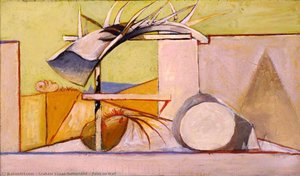
The Deposition: A Study in Grief and Hope
Graham Vivian Sutherland’s “The Deposition,” painted in 1947, is not merely a depiction of a biblical scene; it's a profoundly moving meditation on loss, sacrifice, and the enduring promise of redemption. This oil painting, now meticulously reproduced as a hand-painted artwork by OriginalUniqueArt, transcends its religious subject matter to become a universal symbol of human suffering and the quiet strength found within grief. Sutherland, a master of subtly shifting styles – from the precise detail of his early engravings to the evocative abstraction of his later landscapes – here fuses elements of Surrealism and Expressionism, creating an image that is both unsettlingly realistic and deeply symbolic.
The painting’s genesis lies in a period of immense upheaval. Created in the immediate aftermath of World War II, Sutherland was grappling with the horrors he had witnessed and the profound sense of loss felt across Europe. The influence of the Holocaust, particularly the images of emaciated survivors emerging from concentration camps, is undeniably present. The stark simplicity of the figures – Christ’s body draped over a rough-hewn wooden structure resembling a tomb or sarcophagus – immediately evokes the skeletal remains seen in photographs of those liberated from Belsen. The pallid skin tone, devoid of detail and rendered with a deliberate lack of emotional expression, amplifies this sense of profound absence. Yet, within this bleakness, Sutherland introduces subtle gestures that hint at an underlying current of hope: Mary’s outstretched hand reaching towards her son, Joseph’s stoic support, and the faint suggestion of a halo around Christ's head.
A Palette of Somber Reflection
Sutherland’s masterful use of color contributes significantly to the painting’s emotional impact. The palette is dominated by muted earth tones – ochre, browns, and grays – creating an atmosphere of quiet melancholy and introspection. These somber hues are punctuated by flashes of blue in Mary's garment, a subtle reminder of her maternal grief and the Virgin’s enduring sorrow. The background, rendered in a warm yellowish-brown, provides a sense of depth and anchors the scene within an enclosed space – perhaps a tomb or a simple chapel – intensifying the feeling of confinement and despair. The deliberate lack of strong light sources further enhances this mood, casting the figures in a perpetual twilight that mirrors the spiritual darkness surrounding them.
Symbolism and Historical Context
Beyond its immediate depiction of “The Deposition,” the painting is rich with symbolic meaning. The inclusion of Adam’s skull at the base of the cross references the biblical narrative of humanity's fall from grace, suggesting that Christ’s sacrifice represents not only redemption but also a restoration of lost innocence. Sutherland’s decision to strip away extraneous details and focus on the essential forms – the body, the hands, the faces – is reminiscent of the work of Grünewald, a German painter known for his emotionally charged depictions of the Passion. The painting's creation coincided with a period of intense theological reflection within the Catholic Church, grappling with questions of faith in the face of unimaginable suffering. Sutherland’s work can be seen as a poignant response to these challenges, offering a visual meditation on the complexities of human existence and the enduring power of spiritual belief.
The Reproduction: Bringing Sutherland's Vision to Life
OriginalUniqueArt’s meticulous hand-painted reproductions capture the essence of Sutherland’s original vision with remarkable fidelity. Each brushstroke, each subtle shift in color, is faithfully recreated, ensuring that the emotional depth and symbolic richness of “The Deposition” are preserved for contemporary audiences. The textured surface of the reproduction evokes the physicality of oil paint, creating a tangible connection to the artist's studio. This isn’t simply a print; it’s an immersive experience—a window into the heart of one of Britain’s most significant modern artists. Whether adorning a grand salon or a contemplative study, this artwork offers a powerful reminder of humanity’s capacity for both profound suffering and enduring hope.
- Size:** 50 x 45 cm
- Date:** 1947
- Artist:** Graham Vivian Sutherland
Otázky a odpovede
Koľko ľudí si prezera "The Deposition"?
Štatistiky o dielo „The Deposition“ od Graham Vivian Sutherland nájdete na stránke Štatistiky tohto diela: mesačné návštevy diela, návštevy prác daného umelca a rozdelenie nedávnych návštevníkov podľa krajín a jazykov.
Ako je opísaná paleta diela „The Deposition“ od Graham Vivian Sutherland?
Paleta diela „The Deposition“ od Graham Vivian Sutherland je opísaná ako Earthy. Ide o stručný popis farieb tohto diela.
Akú atmosféru má dielo „The Deposition“?
„The Deposition“ má Dramatic atmosféru.
Biografia umelca
Vizionárske krajiny Grahama Viviana Sutherlanda
Graham Vivian Sutherland, titan britského modernizmu, disponoval vzácnou schopnosťou premeniť známe kontúry prírodného sveta na niečo hlboko znepokojujúce a duchovne podmanivé. Narodený v Londýne v oblasti Streatham v roku 1903, prešiel Sutherland cestou neustáleho metamorfóz. Hoci jeho rané roky formovala klasická vzdelávacia dráha na Epsom College, jeho skutočné poslanie sa objavilo ďaleko od právnických kruhov jeho rodiny. Jeho prvý krok do technického sveta počas učňovskej praxe v závodoch parných strojov Midland Railway mu poskytol základy precíznosti, ktoré sa neskôr prejavili v jeho zložitých grafikách a textúrovaných olejomaľbách. Pri prechode na Goldsmiths' School of Art sa Sutherland začal vzdalať tradičnej reprezentácii a začal sa lázdiť k evokatívnej sile gravírovania a akvatinty.
Raná estetika umelca bola hlboko zakorenená v romantizme Samuela Palmera, no odmietol zostať uviaznutý v minulosti. Namiesto toho Sutherland pôsobil ako most medzi anglickou pastyrálnou tradíciou a radikálnou energiou európskych avantgardných pohybov. Absorbovaním snovej logiky surrealizmu a surového emočného vyjadrenia expresionizmu vyvinul vizuálny jazyk, ktorý dokázal zachytiť nielen fyzickú krajinu, ale aj psychický stav. Jeho rané grafické práce, charakterizované pocitom tajomna a organických tvarov, položili základy kariéry definovanej fascináciou „cudzou tvárou“ prírody – téme, ktorá sa stala jeho najtrvanejším odkazom.
Tieň prírody a vojenské roky
40. roky 20. storočia predstavovali v Sutherlandovom vývoji kľúčovú éru, keď sa jeho zameranie presunulo z jemného prostredia grafiky k vizcerálnej, impastovej textúre olejomaľby. Práve v tomto období sa drsné, vetrom ošúpané krajiny Pembrokeskej oblasti stali jeho hlavnou múzou. V díloch ako Thorn Tree (Tŕnivý strom) môžeme svedčiť o umelcovom majstrovstve v spájaní botanickej reality so surrealistickou deformáciou. Nenap Maleroval len stromy; maloval napätie, boj a kostlivú architektúru samotného života. Toto obdobie ho posunulo k abstraktejšímu, no hlboko symbolickému spôsobu vnímania, kde tŕnie, korene a skrútené konáre slúžili ako metafory ľudskej zraniteľnosti a odolnosti.
Druhý svetový konflikt priniesol do jeho tvorby iný, temnejší rozmer. Ako oficiálny vojenský umelec obrátil svoj pohľad k priemyselným a často strašidelným scenám britskej domácej fronty. Jeho maľby z tejto éry, ako napríklad Flying Bomb Depot The Caverns, sú majstrovskými lekciami v tvorbe atmosféry. Prostredníctvom ťažkých textúr a palety farieb, ktorá evokuje rozklad aj hrôzu, zachytil mrazivú opustenosť vojennej doby. Tieto práce neboli len dokumentáciou; boli to psychologické portréty éry poznačenej úzkosťou a prítomnosťou blížiacej sa destrukcie, odrážajúce rozbitú realitu sveta v kráľovskom vojne.
Odkaz symbolizmu a veľkoleposti
V povojennom období tvorba Sutherlanda vystúpila na nové výšky duchovného a verejného významu. Začal integrovať náboženský symbolizmus do svojich organických motívov, čím vytvoril silnú syntézu toho posvätného a prirodzeného. To vyvrcholilo jedným z jeho najmonumentálnejších úspechov: návrhom masívnej centrálnej tapisérie pre novú katedrál v Coventry s názvom Christ in Glory in the Tetramorph. Toto dielo, ktoré využilo jeho schopnosť manipulovať s formou a farbou v grandióznom meradle, stojí ako dôkaz jeho úlohy pri kultúrnej obnově povojennom Británii.
Počas svojej bohatej kariéry mu všestrannosť umožnila zanechať nezmazateľnú stopu v mnohých disciplínach:
- Portrétne maliarstvo: Jeho schopnosť zachytiť psychologickú hĺbku verejných osobností, ako je jeho dôstojný a melancholický Somerset Maugham.
- Grafika: Celoživotná oddanosť precíznosti akvatinty a gravírovania, ktorá formovala jeho vnímanie línie a štruktúry.
- Dekoratívne umenie: Jeho príspevky k návrhom tapisérií a sklenému umeniu, ktoré priniesli modernú abstraktiu do sféry funkčnej krásy.
V konečnom dôsledku Graham Sutherland zostáva pilierom umenia 20. storočia, pretože sa odvážil pozrie pod povrch krajiny. Našiel surrealizmus v tom reálnom a božstvo v tom organickom. Jeho odkaz sa nenachádza len v múzeách, ale v spôsobe, akým vnímame skrytú, často ostrú krásu sveta okolo nás – sveta, kde každý tŕň nesie príbeh a každý tieň skrýva tajomstvo.

Graham Vivian Sutherland
1903 - 1980 , Spojené kráľovstvo
Rýchle fakty
- Artistic Movement Or Style: Surrealizmus
- Artists Or Movements Influenced By This Artist: ['Paul Nash']
- Artists Who Influenced This Artist:
- Samuel Palmer
- F.L. Griggs
- Date Of Birth: August 24, 1903
- Date Of Death: February 17, 1980
- Full Name: Graham Vivian Sutherland
- Nationality: Anglický
- Notable Artworks:
- Flying Bomb Depot
- Entrance to a Lane
- Place Of Birth: Londýn, Veľká Británia
Súvisiace články

Evocations of Place: A Historical Journey Through Landscape Art
Explore the rich history of landscape art with OriginalUniqueArt. Discover renowned artists, movements like Impressionism & tonalism, and expert guidance for collecting timeless pieces. Find your perfect serene escape today!

Evocations of Place: A Historical Journey Through Landscape Art
Explore the rich history of landscape art with OriginalUniqueArt. Discover renowned artists, movements like Impressionism & Romanticism, and expert guidance for collecting timeless pieces. Find your perfect serene escape today!

John Constable: Top 25 Majstrovských Diel pre Váš Domov | OriginalUniqueArt.sk
Ponorte sa do sveta Johna Constabla s OriginalUniqueArt.sk! Objavte top 25 majstrovských diel anglického romantizmu – od ikonického Hay Wain až po krajinárske motívy Suffolku. Kvalitné reprodukcie obrazov pre váš domov. Preskúmajte celú kolekciu online!

Top 10 Majstrov Romantickej Krajinomaľby: Obrazy, ktoré zmenili svet umenia
Ponorte sa do sveta romantickej krajinomaľby! Objavte top 10 majstrovských diel od Friedricha, Turnera a ďalších. Historické obrazy prírody s nádychom emócií. Reprodukcie obrazov pre váš interiér na OriginalUniqueArt.com.

Evoking Atmosphere & Identity: A Journey Through Landscape Painting's History
Explore the rich history of landscape painting! Discover renowned artists, movements like Romanticism, & techniques such as atmospheric perspective. Find inspiration and quality reproductions at OriginalUniqueArt.