

 Náhľad v interiéri
 Odoslať ako digitálnu kartu
 Zdieľať
 Podrobnosti o dielo
 Príručka

 Stiahnuť obraz
 Podobné položky
 RTG skúška
 Prehliadanie diapozoje
 Q&A
Q&A Štatistiky
Winter Landscape


 Zobraziť viac
Ručne maľovaná olejová reprodukcia
Ručne maľovaný olej na plátne vo vašej zvolenej veľkosti a v ráme, vyrobený na mieru našimi umelcami. ( Prepnúť na tlač Prepnúť na digitálny obraz)




P118B €10

P118H €10

P118W €10

P438Z €10

P508JH €12

P508YH €12

P805H €10

P805Z €10

P919BZ €10

P919G €10

P919XJ €10

P959ZH €10

P968JZ €12

W106C €8

W218G €10

W218JH €8

W218Y €10

W307PJ €10

W316G €10

W316PJ €8

W316Y €10

W398PJ €8

W4111J €10

W500HY €15

W500JH €15

W692G €12

W849H €8

W940BG €15

W953PJ €8




Vyberte si z našich preddefinovaných rozmerov, ktoré zodpovedajú pôvodným pomeroḿ diela.

Zadajte šírku a výšku, ktoré potrebujete, aby sa dielo hodilo k vášmu rámu alebo stene. Keďže ide o ručnú maľbu, pri rozmeroch s odlišným pomerom strán môže umelec namalovať o niečo viac okolo obrázka alebo ho mierne orezatú — výber patrí vám. Pred začatím maľovania vám pošleme digitálnu ukážku na schválenie. Obrázok zobrazený na tejto stránke nenahrádza reálny výsledok — ten zobrazuje iba digitálna ukážka.
Po odoslaní objednávky vám tím OriginalUniqueArt.com pošle e-mail s pokynmi a poskytne náhľad na návrh
Celosvetová doprava () za 3 až 4 týždne namiesto štandardných 5 týždňov. (28 október). Bez kompromisov v kvalite.

Bezplatná expresná doprava po celom svete

Vysokokvalitné lnianske plátno

Kompletné poistenie prepravy

Záruka vrátenia colného poplatku

Záruka presného farebného zhodnutia

100-dená politika vrátenia tovaru (iba pri vadách)

100% záruka vrátenia peňazí

Zľava pri väčšom množstve
 Možnosť skla je dostupná len pri rozmeroch pod 110 cm

Winter Landscape
Technika reprodukcie
Veľkosť reprodukcie
-


Celková cena
€ 264
Winter Landscape with Skaters
Giuseppe De Nittis’ “Winter Landscape,” painted circa 1880, stands as a testament to the enduring fascination of Impressionism with capturing fleeting moments of natural beauty and conveying profound emotional resonance. This artwork embodies the spirit of its time—a period marked by significant artistic experimentation and a desire to move beyond academic conventions toward a more subjective representation of experience.
Subject Matter & Composition: The scene depicts a serene winter landscape dominated by snow-covered terrain, punctuated by buildings and a prominent train track receding into the distance. A solitary figure walks along a snowy field towards the right side of the frame, creating a focal point that draws the viewer’s eye and invites contemplation. De Nittis skillfully employs horizontal lines—evident in the wall and the train tracks—to establish a sense of stillness and stability, while organic shapes—the undulating snowdrifts and textured trees—introduce dynamism and visual interest.
Style & Technique: “Winter Landscape” exemplifies Impressionistic tendencies through its loose brushwork and emphasis on atmospheric perspective. De Nittis eschews meticulous detail in favor of capturing the overall mood and sensation of the winter day, prioritizing color and texture over precise representation. The painting utilizes oil paint on canvas—a medium known for its ability to achieve rich hues and luminous effects—and employs layering techniques to build up depth and create a palpable sense of surface materiality.
Color Palette & Lighting: The artwork’s palette is muted yet harmonious, dominated by whites, grays, browns, and subtle oranges/reds. Snow covers much of the landscape, establishing a predominantly white and gray tonal scheme that reflects the subdued light conditions characteristic of winter mornings. Warm hues—found in the buildings—provide visual contrast against the cool tones of the snow and trees, enhancing the painting’s expressive power.
Symbolic Significance & Emotional Impact: Beyond its aesthetic qualities, “Winter Landscape” carries symbolic weight, evoking feelings of solitude, contemplation, and perhaps even melancholy. The lone figure traversing the snowy field serves as a poignant reminder of human vulnerability against the vastness of nature—a motif that resonates deeply with viewers seeking solace or inspiration.
Historical Context: De Nittis’ work aligns itself with the broader artistic currents of the late 19th century, particularly the influence of Impressionism. Artists like Monet and Renoir were actively exploring new ways to depict light and color—challenging traditional academic standards—and prioritizing emotional expression over idealized realism. “Winter Landscape” embodies this spirit of innovation, securing its place as a cornerstone of Italian Impressionist art.
Further Research: For more detailed information on Giuseppe De Nittis and his artistic legacy, consult Wikipedia (https://en.wikipedia.org/wiki/Giuseppe_De_Nittis) and explore reproductions of “Winter Landscape” at the Tokyo National Museum (/media/artworks/images/thumbnails/5e/e5/5ee5f2e533434462a492d5e13cde511f.jpg).
Otázky a odpovede
V akom veku vytvoril/a Giuseppe De Nittis dielo „Winter Landscape“?
Giuseppe De Nittis vytvoril/a „Winter Landscape“ vo veku 34 rokov. Umenec sa narodil/a v roku 1846 a dielo pochádza z roku 1880.
Kto vytvoril „Winter Landscape“ a v ktorom roku?
Dielo „Winter Landscape“ vytvoril/a Giuseppe De Nittis v roku 1880.
Ako si môžem stiahnuť obrázok diela „Winter Landscape“ od Giuseppe De Nittis?
„Winter Landscape“ od Giuseppe De Nittis si môžete stiahnuť ako stiahnutie digitálneho obrázka vo vysokom rozlíšení na stránke pre dané dielo: Stiahnuť digitálnu verziu.
Biografia umelca
Giuseppe De Nittis: Bridging Salon Art and Impressionism
Giuseppe De Nittis (1846-1884) stands as a pivotal figure in Italian art history, representing a crucial juncture between the established conventions of Salon painting and the burgeoning spirit of Impressionism. Born in Barletta, Apulia, on February 25th, 1846, his formative years were marked by familial political dissent – his father’s outspoken opposition to the Bourbon monarchy resulting in imprisonment – shaping him into an individual unafraid to challenge societal norms and express his convictions. This rebellious spirit would permeate throughout his artistic endeavors.- Early Education & Exile:
- Initial Career & Macchiaioli Connections:
- Parisian Breakthroughs & Impressionist Engagement:
- Return to Italy & Vesuvius Landscapes:
- Legacy & Influence:
Early Education & Exile
De Nittis’ artistic journey commenced with studies under Giovanni Battista Calò, a respected Barletta painter who instilled in him foundational techniques. However, his rebellious nature swiftly led to expulsion from the Reale Instituto di Belle Arti in Naples for insubordination—a setback that fueled his determination and propelled him toward independent exploration. His father’s imprisonment profoundly impacted De Nittis' upbringing, fostering a deep understanding of political activism and shaping his worldview. Despite these challenges, he persevered in pursuing his artistic ambitions, securing admittance to the Instituto despite his outspoken views.Initial Career & Macchiaioli Connections
Following his expulsion, De Nittis launched his career with a notable exhibition at the 1864 Neapolitan Promotrice, establishing connections with fellow artists who championed a revolutionary approach to painting—the Macchiaioli. This movement, spearheaded by Telemaco Signorini and Vincenzo De Stefano, prioritized capturing fleeting moments of light and color directly from nature, rejecting academic conventions. His friendship with Signorini fostered collaborative endeavors and solidified his position within the Florentine artistic milieu.Parisian Breakthroughs & Impressionist Engagement
In 1867, De Nittis relocated to Paris, entering into a lucrative contract with Adolphe Goupil—a dealer who encouraged him to produce commercially viable genre paintings. This move proved instrumental in elevating his artistic profile and attracting international acclaim. Crucially, he encountered Edgar Degas, whose influence profoundly impacted his stylistic evolution.Return to Italy & Vesuvius Landscapes
Returning to Italy during the Franco-Prussian War between 1870 and 1873, De Nittis rediscovered the inspiration of his homeland—particularly the dramatic vistas surrounding Mount Vesuvius. He meticulously documented these landscapes, employing pastel as a favored medium, capturing the ethereal quality of light and atmosphere with remarkable precision.Legacy & Influence
De Nittis’ artistic legacy extends far beyond his own lifetime. His pioneering use of pastel—a technique he championed and popularized—continues to inspire artists today. His paintings reside in prominent museums across Europe, including the Musée d'Orsay in Paris and the National Gallery in London, serving as enduring testaments to his artistic vision.Further Exploration
For deeper insights into Giuseppe De Nittis’ life and work, consult resources such as Wikipedia (
Giuseppe De Nittis
1846 - 1884 , Taliansko
Základné informácie
- Artistic Movement Or Style: Salon art & impresionizmus
- Artists Or Movements Influenced By This Artist: ['Macchiaioli']
- Artists Who Influenced This Artist: ['Giovanni Battista Calò']
- Date Of Birth: 25 februára 1846
- Date Of Death: 21 augusta 1884
- Full Name: Giuseppe De Nittis
- Nationality: Talian
- Notable Artworks:
- Races at Auteuil
- Che freddo!
- Paisaggio con bovi
- Place Of Birth: Barletta, Taliansko
Súvisiace články

Top 10 impresionistických krajín: Majstrovské diela, ktoré zmenili umenie a dekoráciu interiéru
Ponorte sa do sveta impresionizmu! Objavte top 10 majstrovských diel krajinárstva od Monet, Renoir a ďalších. Inšpirujte sa farebnými plátnami a dekorujte svoj dom s OriginalUniqueArt.com – múzejnou kvalitou pre váš interiér. Preskúmajte kolekciu online!

Beyond the Horizon: A Curated Guide to Integrating Post-Impressionist Landscapes into Modern Interiors
Transform your home with the emotive power of Post-Impressionist landscapes. Discover expert tips on selecting hand-painted oil reproductions to create a soulful, vibrant interior that reflects your unique style and connection to nature.

Top 10 impresionistických krajín: Majstrovské diela, ktoré zmenili umenie
Ponorte sa do sveta impresionizmu! Objavte top 10 majstrovských diel krajinárskej maľby od Monet, Renoir a ďalších. Inšpirujte sa farebnými plátnami a prineste si kúsok francúzskeho umenia do vášho interiéru s OriginalUniqueArt.com. Preskúmajte rozsiahlu kolekciu online!
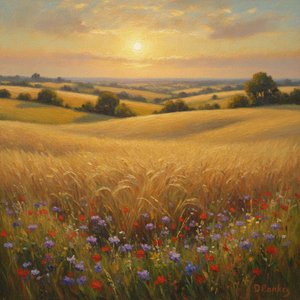
Golden Fields & Sun-Drenched Meadows: Capturing the Soul of Impressionist Landscapes
Immerse yourself in the luminous world of Impressionist landscapes. Discover how masters like Monet and Gauguin captured ephemeral light through plein air painting, and learn to bring the soul of sun-drenched meadows into your home with exquisite, hand-painted oil reproductions.

Francisco Goya: Top 25 Majstrovských Diel pre Váš Domov | OriginalUniqueArt.com
Ponorte sa do sveta Francisca Goya a jeho 25 najvýznamnejších diel. Objavte príbehy za ikonickými obrazmi romantizmu, portrétmi a Čiernymi maľbami. Reprodukcie obrazov pre váš interiér na OriginalUniqueArt.com – luxusné dekorácie s umením.

