Zobraziť v interiéri
 Odoslať
 Zdieľať
 Podrobnosti
 Príručka

 Stiahnuť
 Podobné položky
 RTG skúška
 Prehliadanie diapo\]
 Štatistiky
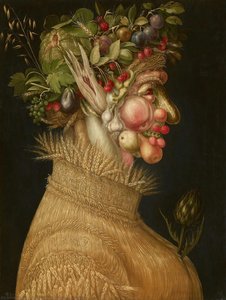
Summer
 Oil On Panel
- Renaissance
 1573
1573 76.0 x 64.0 cm
 Louvre
 Prečítať si viac
Ručne maľovaná olejová reprodukcia
Ručne maľovaný olej na plátne vo vašej zvolenej veľkosti a v ráme, vyrobený na mieru našimi umelcami. ( Prepnúť na tlač Prepnúť na digitálnu verziu obrazu)




P118B €10

P118H €10

P118W €10

P438Z €10

P508JH €12

P508YH €12

P805H €10

P805Z €10

P919BZ €10

P919G €10

P919XJ €10

P959ZH €10

P968JZ €12

W106C €8

W218G €10

W218JH €8

W218Y €10

W307PJ €10

W316G €10

W316PJ €8

W316Y €10

W398PJ €8

W4111J €10

W500HY €15

W500JH €15

W692G €12

W849H €8

W940BG €15

W953PJ €8




Vyberte si z našich preddefinovaných rozmerov, ktoré zodpovedajú pôvodným pomeroḿ diela.

Zadajte šírku a výšku, ktoré potrebujete, aby sa dielo hodilo k vášmu rámu alebo stene. Keďže ide o ručnú maľbu, pri rozmeroch s odlišným pomerom strán môže umelec namalovať o niečo viac okolo obrázka alebo ho mierne orezatú — výber patrí vám. Pred začatím maľovania vám pošleme digitálnu ukážku na schválenie. Obrázok zobrazený na tejto stránke nenahrádza reálny výsledok — ten zobrazuje iba digitálna ukážka.
Po odoslaní objednávky vám tím OriginalUniqueArt.com pošle e-mail s pokynmi a poskytne náhľad na návrh
Celosvetová doprava () za 3 až 4 týždne namiesto štandardných 5 týždňov. (23 október). Bez kompromisov v kvalite.

Bezplatná expresná doprava po celom svete

Vysokokvalitné lnianske plátno

Úplné poistenie prepravy

Záruka vrátenia colného poplatku

Záruka presného farebného zhodnutia

100-dená politika vrátenia tovaru (iba pri vadách)

100% záruka vrátenia peňazí

Ponuka množstevnej zľavy
 Možnosť skla je dostupná len pri rozmeroch pod 110 cm

Summer
Spôsob reprodukcie
Veľkosť reprodukcie
-


Celková cena
€ 263
A Portrait of Abundance and Allegory
Giuseppe Arcimboldo’s “Summer,” painted in 1573, is not merely a portrait; it's an immersive allegory, a vibrant testament to the Renaissance fascination with nature, wealth, and the cyclical rhythms of life. This arresting image immediately captivates with its audacious composition: a figure, largely obscured by a dense profusion of fruits, vegetables, grains, and foliage, dominates the canvas. It’s a visual feast, a carefully constructed puzzle where each element—the blushing apples, the plump pears, the sturdy wheat stalks—contributes to a larger narrative of prosperity and fertility. The tight cropping, focusing intently on the upper torso and head, intensifies the impact, drawing the viewer into this extraordinary tableau.
Arcimboldo’s genius lies in his masterful manipulation of materials and technique. Executed in oil on wood panel, the painting showcases an astonishing level of detail. Lines delineate the contours of each fruit and vegetable with precision, while subtle shading and layering create a remarkable sense of texture – you can almost feel the rough skin of an onion or the yielding flesh of a peach. The lighting, emanating from a single, unseen source, casts delicate shadows that imbue the scene with depth and three-dimensionality, lending a tangible quality to this fantastical assemblage.
The Renaissance Worldview
To understand “Summer,” one must consider the intellectual climate of 16th-century Italy. The Renaissance was a period of profound transformation, marked by a renewed interest in classical antiquity and a burgeoning spirit of humanism. Arcimboldo’s work reflects this shift, blending artistic skill with symbolic representation. The profusion of produce isn't simply decorative; it speaks to the importance of agriculture and harvest – vital elements of Renaissance society. The image directly aligns with the era’s preoccupation with themes of abundance, wealth, and the interconnectedness of humanity and nature. It’s a visual embodiment of the belief that earthly prosperity reflected divine favor.
Furthermore, Arcimboldo's work was often commissioned by powerful figures like Rudolf II, Holy Roman Emperor, who appreciated his ability to create complex allegories within seemingly simple portraits. The choice of fruits and vegetables held specific meanings – wheat symbolized fertility and abundance, grapes represented joy and celebration, while garlic signified protection and good health. The image functioned as a visual language, communicating ideas about power, status, and the natural order.
Symbolism and Emotional Resonance
Beyond its historical context, “Summer” resonates with a powerful emotional depth. The obscured face of the figure creates an intriguing sense of mystery – who is this person? The overwhelming abundance can be interpreted as both celebratory and slightly unsettling, hinting at the potential excesses of wealth and power. The image evokes a feeling of being immersed in nature, surrounded by its bounty, yet simultaneously aware of the fleeting nature of beauty and the inevitability of decay.
Arcimboldo’s innovative approach to portraiture challenged conventional notions of representation, transforming the human form into an elaborate still life. “Summer” stands as a testament to his artistic vision—a captivating blend of realism, symbolism, and sheer visual inventiveness that continues to fascinate viewers centuries later. It's a work that invites contemplation, prompting us to consider the relationship between humanity, nature, and the enduring power of art.
Otázky a odpovede
Zostalo dielo „Summer“ v domovskej krajine svojho umelca?
Nie – dielo sa nachádza v zahraničí. Rodinná krajina, v ktorej sa narodil/a Giuseppe Arcimboldo, je Taliansko, zatiaľ čo múzeum uchovávajúce originál diela „Summer“ sa nachádza v krajine France.
Ako sa v díle „Summer“ spájajú kontrast a harmónia?
Farebná kompozícia diela „Summer“ od Giuseppe Arcimboldo spája Balanced kontrast s Strong Color Unity harmóniou.
Je dielo „Summer“ od Giuseppe Arcimboldo svetlé alebo tmavé?
„Summer“ má celkovú jasnosť deep_shadow a jeho luminanciu predstavuje Dark.
Biografia umelca
Giuseppe Arcimboldo: A Master of Illusion and Symbol
Giuseppe Arcimboldo, meno conosciuto di altri grandi maestri del Rinascimento, è un artista che continua a stupire e affascinare per la sua capacità unica di trasformare oggetti comuni – frutta, verdura, fiori, libri, persino strumenti musicali – in ritratti umani straordinari. La sua arte, caratterizzata da una profonda simbologia e da una maestria tecnica senza pari, lo colloca come un precursore del Surrealismo e un’icona dell'ingegno rinascimentale. Nato a Milano nel 1527, Arcimboldo non fu semplicemente un pittore; fu un artista poliedrico, un decoratore di corte, un costumista e un innovatore che sfidò le convenzioni artistiche del suo tempo.Gli Anni Giovanili e la Formazione Artistica
Giuseppe Arcimboldo crebbe in un ambiente artistico stimolante. Suo padre, Biagio Arcimboldo, era già pittore e lavorava presso la Fabbrica del Duomo a Milano, occupandosi di decorazioni per la cattedrale. Questa esperienza precoce fornì al giovane Giuseppe una solida base tecnica e un’apprezzamento per i dettagli, elementi che sarebbero diventati fondamentali nel suo stile distintivo. Inizialmente, Arcimboldo lavorò come assistente in vetreria, creando vetrate colorate per chiese e palazzi, un lavoro che affinò la sua abilità nella composizione e nell'uso del colore. Tuttavia, fu l’incontro con il pittore Giuseppe Meda, che collaborava alla decorazione della cattedrale di Monza, a segnare una svolta decisiva nella sua carriera artistica.La Corte degli Asburgo: Unità di Arte e Politica
Nel 1562, Arcimboldo ottenne un’opportunità cruciale: fu nominato pittore di corte per Ferdinando I d'Asburgo a Vienna. Questo incarico lo catapultò nel cuore del potere imperiale e gli offrì l'occasione di esprimere la sua creatività in un contesto di raffinata eleganza e ambizione politica. Durante i suoi oltre vent’anni al servizio di Maximilian II e Rudolf II, Arcimboldo non fu solo un pittore; fu anche decoratore di corte, costumista, organizzatore di feste e collezionista d'arte. La corte asburgica, nota per la sua apertura mentale e il suo interesse per le nuove idee, offrì ad Arcimboldo un ambiente ideale per sperimentare e sviluppare il suo stile unico.Lo Stile Inconfondibile: Composizioni Oggetto
L’elemento distintivo dell'arte di Arcimboldo è senza dubbio la sua tecnica delle “composizioni oggetto” ( *teste composte*). Invece di dipingere ritratti tradizionali, Arcimboldo creava figure umane assemblate da una miriade di oggetti diversi: frutta, verdura, fiori, libri, strumenti musicali, animali e persino elementi architettonici. Questi oggetti non erano semplicemente disposti casualmente; venivano accuratamente selezionati e posizionati per creare un’illusione di realtà, simulando la pelle, i capelli, gli abiti e le espressioni del soggetto ritratto. La sua capacità di trasformare oggetti banali in volti riconoscibili era straordinaria, e i suoi dipinti erano spesso interpretati come allegorie complesse, ricche di significati simbolici.Simbolismo e Allegoria: Un Linguaggio Visivo Profondo
Dietro l'apparente giocosità delle composizioni oggetto di Arcimboldo si cela un profondo simbolismo. Ogni oggetto scelto per il ritratto aveva un significato specifico, legato alla personalità del soggetto, alla sua professione o al suo status sociale. Ad esempio, i libri disposti in una testa rappresentano la conoscenza e lo studio, mentre gli strumenti musicali simboleggiano l’arte e l'armonia. I suoi ritratti dei quattro stagioni, in particolare, sono ricchi di significati botanici e allegorici, riflettendo il rapporto tra l'uomo e la natura, e la ciclicità della vita. Arcimboldo non si limitava a creare immagini bizzarre; voleva comunicare messaggi complessi, invitando lo spettatore a decifrare i simboli nascosti dietro la composizione.Eredità e Riscoperta: Un Precursore del Surrealismo
Nonostante il suo successo durante la sua vita, l'opera di Arcimboldo rimase relativamente sconosciuta per secoli. I suoi dipinti furono spesso considerati curiosità artistiche, apprezzati per la loro abilità tecnica ma trascurando la loro profondità simbolica e intellettuale. Fu solo nel XX secolo che il suo lavoro fu riscoperto e rivalutato, grazie in gran parte all'influenza del Surrealismo. Artisti come Salvador Dalí furono affascinati dalla sua capacità di sfidare le convenzioni artistiche e di esplorare l'inconscio attraverso composizioni sorprendenti e inaspettate. L’opera di Arcimboldo continua ad ispirare artisti, designer e creativi di tutto il mondo, testimoniando la sua straordinaria originalità e la sua capacità di vedere il mondo con occhi nuovi. Oggi, le sue opere sono esposte nei musei più importanti del mondo, tra cui il Kunsthistorisches Museum a Vienna e il Louvre a Parigi, assicurando che il suo genio artistico possa essere apprezzato da nuove generazioni.
Giuseppe Arcimboldo
1527 - 1593 , Taliansko
Rýchle fakty
- Artistic Movement Or Style: Mannerizmus, Surrealizmus
- Artists Or Movements Influenced By This Artist: ['Salvador Dalí']
- Artists Who Influenced This Artist: ['Leonardo da Vinci']
- Date Of Birth: 5. apríl 1527
- Date Of Death: 11. júl 1593
- Full Name: Giuseppe Arcimboldo
- Nationality: Taliančania
- Notable Artworks:
- Letné 1
- Jeseň
- Vietor
- Place Of Birth: Miláno, Taliansko
Súvisiace články
Mastering the Surface: A Historical and Technical Guide to the Art of Oil on Panel Painting
Explore the profound history and technical brilliance of oil on panel painting. From Renaissance masters to modern techniques, discover why this rigid support offers unparalleled precision and permanence for fine art lovers and collectors.
Oil on Panel: A Historical Survey of Technique, Support & Aesthetic Evolution
Explore the rich history of oil on panel painting! Discover Renaissance techniques, support structures & aesthetic evolution. Expert insights for art collectors and enthusiasts.

Mastering the Surface: The Timeless Elegance and Technical Brilliance of Oil on Panel Painting
Discover the enduring allure of oil on panel painting. Explore the technical mastery, historical significance, and luminous depth that define this prestigious medium, from Renaissance masters to modern fine art reproductions for discerning collectors.

The Bountiful Still Life: Symbolism & Artistic Representation of Fruit Across Art History
Explore the rich history of still life painting & the symbolism of fruit across art movements. Discover masterpieces from Caravaggio to Cézanne with OriginalUniqueArt – expert guidance & museum-quality reproductions.
Top 10 olejov na plátne: Majstrovské diela, ktoré zmenili svet umenia | OriginalUniqueArt.sk
Objavte top 10 legendárnych olejov na plátne od Van Gogha, Rembrandta a Da Vinciho. História umenia, techniky a príbehy majstrovských diel. Reprodukcie obrazov pre váš interiér – OriginalUniqueArt.sk