Zobraziť v interiéri
 Odoslať
 Zdieľať
 Podrobnosti
 Príručka

 Stiahnuť
 Podobné položky
 RTG skúška
 Prehliadanie diapo\]
 Štatistiky
Nature studies (9)


 Prečítať si viac
Ručne maľovaná olejová reprodukcia
Ručne maľovaný olej na plátne vo vašej zvolenej veľkosti a v ráme, vyrobený na mieru našimi umelcami. ( Prepnúť na tlač Prepnúť na digitálnu verziu obrazu)




P118B €10

P118H €10

P118W €10

P438Z €10

P508JH €12

P508YH €12

P805H €10

P805Z €10

P919BZ €10

P919G €10

P919XJ €10

P959ZH €10

P968JZ €12

W106C €8

W218G €10

W218JH €8

W218Y €10

W307PJ €10

W316G €10

W316PJ €8

W316Y €10

W398PJ €8

W4111J €10

W500HY €15

W500JH €15

W692G €12

W849H €8

W940BG €15

W953PJ €8




Vyberte si z našich preddefinovaných rozmerov, ktoré zodpovedajú pôvodným pomeroḿ diela.

Zadajte šírku a výšku, ktoré potrebujete, aby sa dielo hodilo k vášmu rámu alebo stene. Keďže ide o ručnú maľbu, pri rozmeroch s odlišným pomerom strán môže umelec namalovať o niečo viac okolo obrázka alebo ho mierne orezatú — výber patrí vám. Pred začatím maľovania vám pošleme digitálnu ukážku na schválenie. Obrázok zobrazený na tejto stránke nenahrádza reálny výsledok — ten zobrazuje iba digitálna ukážka.
Po odoslaní objednávky vám tím OriginalUniqueArt.com pošle e-mail s pokynmi a poskytne náhľad na návrh
Celosvetová doprava () za 3 až 4 týždne namiesto štandardných 5 týždňov. (23 október). Bez kompromisov v kvalite.

Bezplatná expresná doprava po celom svete

Vysokokvalitné lnianske plátno

Úplné poistenie prepravy

Záruka vrátenia colného poplatku

Záruka presného farebného zhodnutia

100-dená politika vrátenia tovaru (iba pri vadách)

100% záruka vrátenia peňazí

Ponuka množstevnej zľavy
 Možnosť skla je dostupná len pri rozmeroch pod 110 cm

Nature studies (9)
Spôsob reprodukcie
Veľkosť reprodukcie
-


Celková cena
€ 264
A Renaissance Vision of Harmony
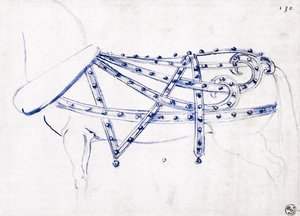
In the delicate dance of light and shadow captured within Nature studies (9), we encounter the profound genius of Giuseppe Arcimboldo, an artist who dared to reimagine the very fabric of reality. Created in 1575, this exquisite watercolor serves as a window into a period where the boundaries between the natural world and human perception were being vibrantly renegotiated. At first glance, the viewer is drawn to the striking realism of a bird perched with quiet grace upon what appears to be a human hand. The meticulous rendering of each feather—cascading in subtle gradations of black, deep brown, and ivory—speaks to a mastery of the medium that transcends mere observation, inviting us into a moment of stillness and intense focus.
The technique employed here is nothing short of masterful. Arcimboldo utilizes the luminous, translucent qualities of watercolor to achieve a depth that belies the medium's delicate nature. Through the careful application of thin, layered washes, he breathes life into the subject, creating a tactile sensation where one can almost feel the softness of the plumage and the warmth of the skin. This approach allows for a subtle tonal variation that captures the fleeting essence of light, a hallmark of the late Renaissance style that seeks to find the divine within the minute details of the earthly realm.
Symbolism and the Intellectual Landscape
Beyond its surface beauty, this work is steeped in the intellectual fervor of the High Renaissance. During this era, the study of nature was not merely a scientific endeavor but a philosophical one, deeply intertwined with Neo-Platonic ideals. The interaction between the avian subject and the human element symbolizes the profound connection between humanity and the natural order. In Arcimbulated's world, every organic form carries a weight of meaning; here, the bird represents the fleeting nature of life and the beauty of the wild, while the human presence acts as the observant, contemplating soul.
For the discerning collector or interior designer, this piece offers more than just visual splendor; it provides a narrative depth that can anchor a room with intellectual prestige. The composition’s ability to balance realism with a sense of wonder makes it an ideal centerpiece for spaces designed for reflection and conversation. It is a work that rewards repeated viewing, revealing new textures and subtle complexities each time the eye wanders across its surface.
An Enduring Legacy for Modern Spaces
To possess a reproduction of such a significant historical artifact is to bring a piece of the Habsburg Court's splendor into the contemporary home. Nature studies (9) embodies an era of discovery and the harmonious integration of disparate elements—a theme that remains strikingly relevant in our modern, interconnected world. The artwork’s neutral background and focused subject matter allow it to integrate seamlessly into various high-end decor styles, from classical European aesthetics to more minimalist, modern galleries.
Whether placed in a sunlit study or a sophisticated living area, this painting serves as an emotional anchor, evoking a sense of peace, curiosity, and timelessness. It is an invitation to slow down, to observe the intricate beauty of the world around us, and to appreciate the enduring legacy of an artist who saw the extraordinary within the ordinary.
Otázky a odpovede
Kto je autorom diela "Nature studies (9)" a do ktorého smeru patrí?
Za dielom „Nature studies (9)“ stoja Giuseppe Arcimboldo a hnutie Baroque.
Ako sa vzájomne dopĺňajú farby diela „Nature studies (9)“?
Farby diela „Nature studies (9)“ od Giuseppe Arcimboldo vykazujú Strong Color Unity harmóniu. Harmónia popisuje vzájomný vzťah medzi farbami.
Existujú diela podobné ako „Nature studies (9)"]?
Diela podobné dielu „Nature studies (9)“ sú uvedené na stránke Podobné diela daného diela.
Biografia umelca
Giuseppe Arcimboldo: A Master of Illusion and Symbol
Giuseppe Arcimboldo, meno conosciuto di altri grandi maestri del Rinascimento, è un artista che continua a stupire e affascinare per la sua capacità unica di trasformare oggetti comuni – frutta, verdura, fiori, libri, persino strumenti musicali – in ritratti umani straordinari. La sua arte, caratterizzata da una profonda simbologia e da una maestria tecnica senza pari, lo colloca come un precursore del Surrealismo e un’icona dell'ingegno rinascimentale. Nato a Milano nel 1527, Arcimboldo non fu semplicemente un pittore; fu un artista poliedrico, un decoratore di corte, un costumista e un innovatore che sfidò le convenzioni artistiche del suo tempo.Gli Anni Giovanili e la Formazione Artistica
Giuseppe Arcimboldo crebbe in un ambiente artistico stimolante. Suo padre, Biagio Arcimboldo, era già pittore e lavorava presso la Fabbrica del Duomo a Milano, occupandosi di decorazioni per la cattedrale. Questa esperienza precoce fornì al giovane Giuseppe una solida base tecnica e un’apprezzamento per i dettagli, elementi che sarebbero diventati fondamentali nel suo stile distintivo. Inizialmente, Arcimboldo lavorò come assistente in vetreria, creando vetrate colorate per chiese e palazzi, un lavoro che affinò la sua abilità nella composizione e nell'uso del colore. Tuttavia, fu l’incontro con il pittore Giuseppe Meda, che collaborava alla decorazione della cattedrale di Monza, a segnare una svolta decisiva nella sua carriera artistica.La Corte degli Asburgo: Unità di Arte e Politica
Nel 1562, Arcimboldo ottenne un’opportunità cruciale: fu nominato pittore di corte per Ferdinando I d'Asburgo a Vienna. Questo incarico lo catapultò nel cuore del potere imperiale e gli offrì l'occasione di esprimere la sua creatività in un contesto di raffinata eleganza e ambizione politica. Durante i suoi oltre vent’anni al servizio di Maximilian II e Rudolf II, Arcimboldo non fu solo un pittore; fu anche decoratore di corte, costumista, organizzatore di feste e collezionista d'arte. La corte asburgica, nota per la sua apertura mentale e il suo interesse per le nuove idee, offrì ad Arcimboldo un ambiente ideale per sperimentare e sviluppare il suo stile unico.Lo Stile Inconfondibile: Composizioni Oggetto
L’elemento distintivo dell'arte di Arcimboldo è senza dubbio la sua tecnica delle “composizioni oggetto” ( *teste composte*). Invece di dipingere ritratti tradizionali, Arcimboldo creava figure umane assemblate da una miriade di oggetti diversi: frutta, verdura, fiori, libri, strumenti musicali, animali e persino elementi architettonici. Questi oggetti non erano semplicemente disposti casualmente; venivano accuratamente selezionati e posizionati per creare un’illusione di realtà, simulando la pelle, i capelli, gli abiti e le espressioni del soggetto ritratto. La sua capacità di trasformare oggetti banali in volti riconoscibili era straordinaria, e i suoi dipinti erano spesso interpretati come allegorie complesse, ricche di significati simbolici.Simbolismo e Allegoria: Un Linguaggio Visivo Profondo
Dietro l'apparente giocosità delle composizioni oggetto di Arcimboldo si cela un profondo simbolismo. Ogni oggetto scelto per il ritratto aveva un significato specifico, legato alla personalità del soggetto, alla sua professione o al suo status sociale. Ad esempio, i libri disposti in una testa rappresentano la conoscenza e lo studio, mentre gli strumenti musicali simboleggiano l’arte e l'armonia. I suoi ritratti dei quattro stagioni, in particolare, sono ricchi di significati botanici e allegorici, riflettendo il rapporto tra l'uomo e la natura, e la ciclicità della vita. Arcimboldo non si limitava a creare immagini bizzarre; voleva comunicare messaggi complessi, invitando lo spettatore a decifrare i simboli nascosti dietro la composizione.Eredità e Riscoperta: Un Precursore del Surrealismo
Nonostante il suo successo durante la sua vita, l'opera di Arcimboldo rimase relativamente sconosciuta per secoli. I suoi dipinti furono spesso considerati curiosità artistiche, apprezzati per la loro abilità tecnica ma trascurando la loro profondità simbolica e intellettuale. Fu solo nel XX secolo che il suo lavoro fu riscoperto e rivalutato, grazie in gran parte all'influenza del Surrealismo. Artisti come Salvador Dalí furono affascinati dalla sua capacità di sfidare le convenzioni artistiche e di esplorare l'inconscio attraverso composizioni sorprendenti e inaspettate. L’opera di Arcimboldo continua ad ispirare artisti, designer e creativi di tutto il mondo, testimoniando la sua straordinaria originalità e la sua capacità di vedere il mondo con occhi nuovi. Oggi, le sue opere sono esposte nei musei più importanti del mondo, tra cui il Kunsthistorisches Museum a Vienna e il Louvre a Parigi, assicurando che il suo genio artistico possa essere apprezzato da nuove generazioni.
Giuseppe Arcimboldo
1527 - 1593 , Taliansko
Rýchle fakty
- Artistic Movement Or Style: Mannerizmus, Surrealizmus
- Artists Or Movements Influenced By This Artist: ['Salvador Dalí']
- Artists Who Influenced This Artist: ['Leonardo da Vinci']
- Date Of Birth: 5. apríl 1527
- Date Of Death: 11. júl 1593
- Full Name: Giuseppe Arcimboldo
- Nationality: Taliančania
- Notable Artworks:
- Letné 1
- Jeseň
- Vietor
- Place Of Birth: Miláno, Taliansko
Súvisiace články

Ephemeral Visions: Exploring the Artistic Legacy & Nuances of Watercolor Painting
Explore the captivating world of watercolor painting! Discover its rich history, essential techniques, influential artists & collecting tips from art experts. A comprehensive guide for enthusiasts.

Nadčasová príťažlivosť akvarelu: História, techniky a súčasná prax
Objavte fascinujúci svet akvarelu! História, techniky, tipy od majstrov a inšpirácia pre vašu tvorbu. Sprievodca pre začiatočníkov aj pokročilých.

Ephemeral Visions: Exploring the Artistic Legacy & Contemporary Practice of Watercolor Painting
Explore the captivating world of watercolor painting! Discover its rich history, essential techniques, influential artists & collecting tips. A comprehensive guide for art enthusiasts from OriginalUniqueArt.

Top 10 legendárnych vodafarieb, ktoré zmenili svet umenia | OriginalUniqueArt.com
Objavte top 10 legendárnych vodafarieb od Turner, Homer a ďalších majstrov! História umenia, techniky a inšpirácia pre váš interiér. Reprodukcie obrazov na OriginalUniqueArt.com – kvalita múzejnej úrovne.

Ephemeral Visions: Exploring the History & Emotional Resonance of Watercolor Painting
Explore the captivating history of watercolor painting, from ancient techniques to modern masters like Kandinsky & Blake. Discover essential artists, collecting tips & the emotional power of this luminous medium. Expert insights for art enthusiasts.